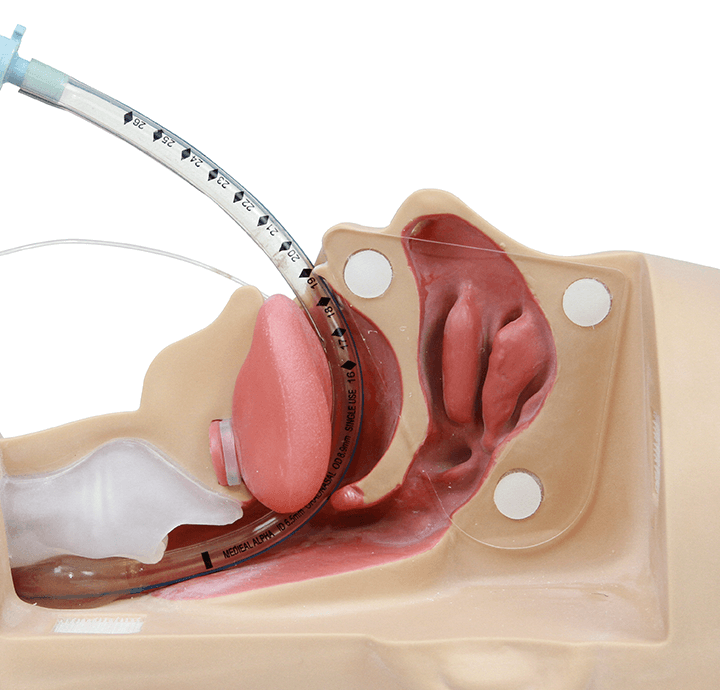
Ventilation Tube Insertion
Ventilation tube insertion, or Ear tube application, is a
procedure commonly used in the treatment of conditions such as middle ear
infections or fluid accumulation, often seen in children. This procedure is
performed by placing a small tube into the eardrum.
An ear tube is generally made of plastic or metal and is
shaped like a small cylinder. The application is usually done under local
anesthesia and is generally a simple procedure that does not require surgery.
This specialized device is inserted into a hole made in the eardrum and helps
ventilate the middle ear and drain fluid from the ear. It also helps maintain
pressure balance inside and prevents recurring ear infections.
This procedure is usually recommended for children who
experience chronic or recurrent problems. Ear tubes can usually remain in place
for several months to a few years and are often expelled naturally in most
cases.
In Which Cases Are Ear Tubes Inserted?
Recurrent middle ear infections are a common problem in
children. If a child experiences repeated infections within a short period of
time and this affects the child's hearing or speech development, ear tube
application may be considered.
Fluid accumulation can occur behind the middle ear. This
condition can also occur after ear infections. If fluid buildup persists for a
long time and affects a child's hearing, ear tube application may be
considered. Ear tube placement can improve hearing by allowing ventilation of
the middle ear in cases of chronic fluid accumulation or recurrent infections
resulting in hearing loss.
In some cases, there may be problems with the pressure
balance between the middle ear and the external environment. This can cause
discomfort, especially during airplane travel or in high-altitude regions. Ear
tubes can help alleviate this issue by equalizing pressure. It is necessary to
consult an ENT specialist for a definitive evaluation of whether this procedure
is needed. The specialist will assess the child's condition and provide
guidance on the most suitable treatment option.
Problems Caused by Hearing Loss
When children experience hearing loss, they may have
difficulty understanding spoken language. They may frequently ask the same
questions. Children facing this problem may speak loudly because they cannot
hear sounds in their environment adequately. Additionally, they may prefer to
adjust the volume of devices such as televisions or music at a higher level.
Hearing difficulties can affect a child's language and
speech skills. There may be a delay in acquiring speech skills compared to
their age. A limited vocabulary and lack of language proficiency can be
observed. Furthermore, these children may experience difficulties in
communication. They may struggle to interact with others in group activities or
noisy environments. This situation can lead to challenges in social
relationships and isolation.
Perhaps one of the most significant problems arises in the
school environment. A child who cannot hear the teacher's instructions clearly
may experience attention deficits and learning difficulties, resulting in
academic underachievement.
How is an Ear Tube Structured?
An ear tube, usually made of plastic or metal, is a small
cylindrical device. Its size is approximately that of a grain of rice or
slightly larger. The length of the tube varies between 1 to 2 millimeters.
An ear tube may have openings on both ends of the
thin-walled cylinder. These openings allow the tube to be inserted into the
middle ear and enable the drainage of fluid from the inner ear to the outside.
It usually has a smooth surface and can be inserted without damaging the
eardrum. The color and material preference may vary depending on the doctor or
specialist. These specialized medical devices are often sterile and designed
for single use. Therefore, a new tube is used for each application. Due to its
small and thin cylindrical structure, it can be difficult to notice with the
naked eye.
How is an Ear Tube Inserted?
Local anesthesia is usually applied to ensure a comfortable
and painless procedure. Anesthesia is achieved by using an anesthetic
medication that is dropped into the ear canal or onto the eardrum. The ear,
nose, and throat specialist carefully cleans and disinfects the ear canal and
eardrum. This step reduces the risk of infection and helps ensure the proper
placement of the tube.
To create a hole in the eardrum, the specialist uses a
special tool. This hole provides a passage for the ear tube to be inserted into
the eardrum. The tube is passed through the created hole and placed in the
eardrum. It is secured in place and allows the drainage of fluid from the inner
ear. The tube is usually a cylindrical shape with openings on one side, which
also helps in ventilating the middle ear.
The procedure is completed within a very short time. After
the application, the doctor checks to ensure that the ear tube is properly
placed and that the procedure was successful. Follow-up appointments are
scheduled for monitoring purposes. The tube usually remains in place until it
naturally falls out of the eardrum, which can range from a few months to a few
years.
Plastic Surgeries