Things to Consider During The Recovery Period of Septoplasty Surgery
Septoplasty surgery is performed on the
septum that divides your nostrils into two. Since it is a delicate operation,
the recovery period is important.
Septoplasty is also known as "septum deviation".
The septum is one of the most important structures of your nose, one of the
organs that allow you to breathe in and out. If there is a curvature in the
septum, your breathing becomes difficult. Your standard of living can be greatly
affected. However, this situation is not unsolvable. With septoplasty, the
problem in your nose can be solved comfortably and safely.
As important as the preparation period before septoplasty
and the surgery itself, the recovery period is also very important. You can
learn everything you need in this period in detail from Prof. Dr. Selçuk
İnanlı. A good recovery period ensures that your results are successful and
permanent.
First 24 Hours After Septoplasty Surgery
Septoplasty surgery is performed under general anesthesia.
Therefore, you may be observed for the first 24 hours after the operation to
keep you awake and alert. Bleeding may occur in the first few hours following
the operation. This is normal and you do not need to worry.
You may need to take painkillers during this period. You
should take these medicines at the dose and frequency recommended by your
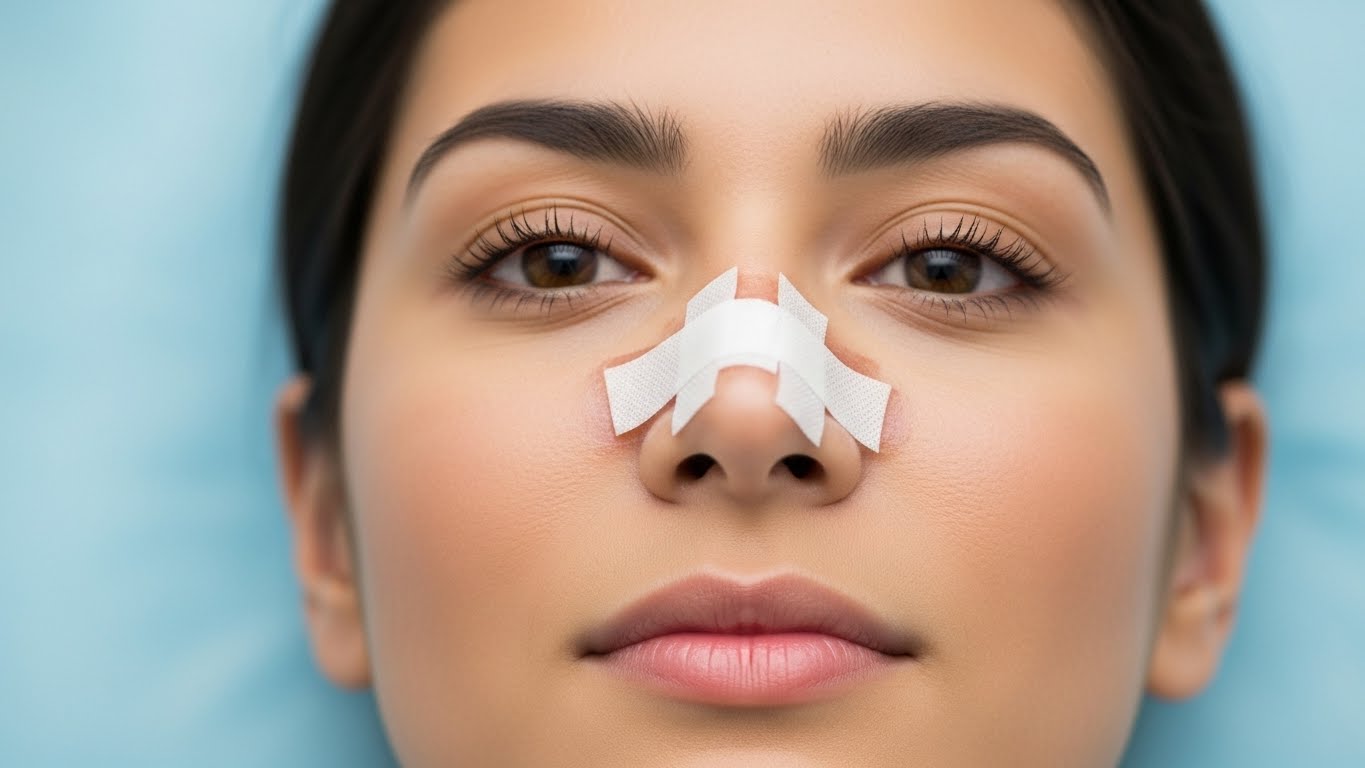
doctor and you should not neglect them. A tampon or splint will be placed
inside your nose. These are used to control bleeding in the nose during the
first hours and to help your nasal bone heal. It is important that you do not
touch the operation site.
How Should Nutrition Be After Septoplasty Surgery?
Your diet after septoplasty surgery also contributes
positively to your healing process. First of all, it is recommended to drink
plenty of fluids. Liquid consumption helps to reduce the edema in the nose. You
can also consume liquids such as fruit juice and soup.
It is also important to choose warmer and softer foods. In
this way, you can prevent bleeding in your nose or prevent it from progressing.
You should also avoid fried, fatty, and spicy foods. These types of foods can
cause infection at the operation site.
Nosebleeds After Septoplasty Surgery
As with any surgical intervention, septoplasty surgery may
bring some risks. You may experience a certain amount of nosebleeds after a
deviated septum. It is important for you to know what can happen and what to do
in this case. This bleeding is usually caused by the surgical instruments used
during the operation or irritation of your nasal tissues. The bleeding is
usually mild and can be controlled, but in some cases, it can be more intense.
One common cause of nosebleeds is the healing process of the
wounds from septoplasty surgery. In the first few days after surgery, crusts
and scar tissues inside the nose can also cause bleeding. This is usually
considered a natural part of the healing process. If nosebleeds are persistent
or excessive, you should contact your specialist immediately.
Protecting The Nose After Septoplasty Surgery
Proper protection of your surgical site after septoplasty
surgery is decisive for a successful recovery. Below are some important points
to consider when protecting the nose after a deviated septum:
·
Follow expert instructions.
·
Use nasal sprays.
·
Taking care of nasal hygiene
·
Paying attention to nasal congestion.
·
Quitting smoking and alcohol consumption.
·
Avoiding strenuous activities.
·
Not neglecting post-operative examinations.
3 Months After Septoplasty Surgery
Three months after septoplasty surgery, many of your
symptoms are usually gone, and your recovery may be almost complete. The
correction of anatomical deformities within the nose can significantly improve
your breathing. After three months, airflow will usually be more comfortable.
The gains achieved with a deviated septum become visible
both functionally and aesthetically. Your nose is expected to have a more
symmetrical and balanced appearance. Some swelling and edema that occur
immediately after the operation will be greatly reduced within three months.
Your nose now has a more natural appearance.
The sutures used during the operation are expected to
dissolve completely within three months. As the stitches dissolve, the
sensitivity in the nose decreases. Again, the crusts formed during this period
usually fall off completely within three months. Your skin heals and your
surgical scars, if any, become less visible.
You will usually be asked for a follow-up appointment 3
months after the deviated septum. At this visit, your specialist will evaluate
your healing process and may make some additional recommendations if necessary.
During this examination, your respiratory function can also be evaluated and
the effects of the operation can be checked. These tests are important to determine
whether the opening in the nose has healed.
Conclusion
It is important to remember that septoplasty is a surgical
procedure, although it can be performed comfortably and easily. Each patient
may experience different healing processes and the full recovery period may
vary depending on personal factors. It is also possible to have an idea about
the recovery period by looking at the photos of other patients before and after
septum deviation.
Performing the most successful rhinoplasty surgeries in Turkey,
Prof. Dr. Selçuk İnanlı stands out in this field with his patient
satisfaction-oriented approach. He is one of the most reliable experts in his
field with numerous successful operations. If you want to get more detailed
information about the procedure and information about Turkey septoplasty costs,
you can contact us immediately.
Plastic Surgeries