Adenoidectomy
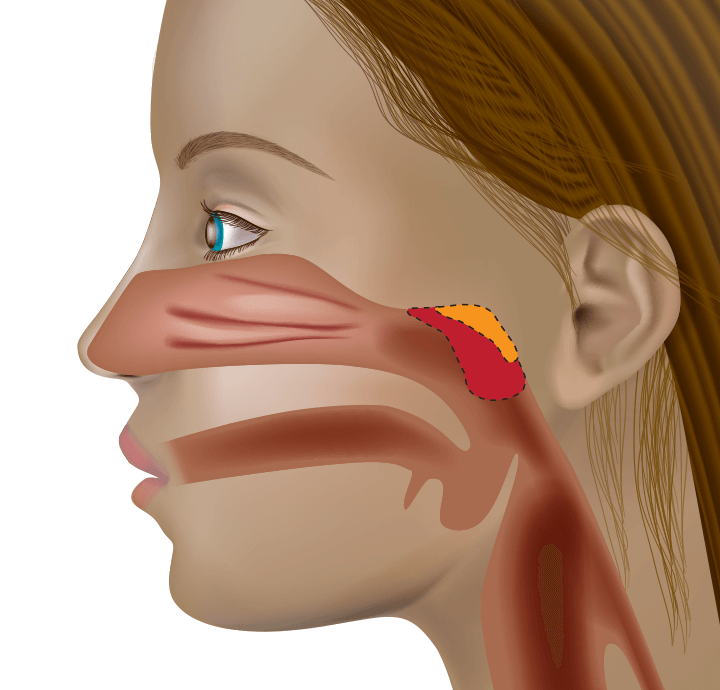
Adenoid tissue, also known as pharyngeal tonsil, is a body
tissue located between the nose and the throat that resembles a cluster of
grapes in shape. If it grows continuously or becomes inflamed, it may require
surgical removal. It’s called Adenoidectomy.
Adenoid hypertrophy, which is commonly seen in children,
does not recur after surgery. There are other tissues in the body that perform
the same function. This, called adenoid, belongs to the immune system, similar
to lymph nodes. It is responsible for capturing viruses and bacteria that enter
through the nose and fighting against them by producing antibodies. For
adenoids to cause problems, they need to grow large enough to obstruct the
airflow through the nose or block the openings of the Eustachian tubes in the
ears.
In addition, the presence of adenoids can contribute to
increased illness in children due to the proliferation of bacterial layers.
When children experience frequent discomfort or when adenoid enlargement or
inflammation is observed, surgery is recommended as an option. In some cases,
treatment can start with antibiotics. If there is no inflammation in the area,
the specialist may suggest waiting for a period before intervening since minor
size changes in this tissue are considered normal.
Moreover, scientific studies have shown that conditions such
as reflux and allergies play a role in adenoid enlargement. Children with
pathological acid reflux in the stomach and throat are known to be at higher
risk. Therefore, during periods of intense allergies, it can be expected for
this tissue to develop further. Adenoid enlargement can adversely affect sleep
quality and hinder the release of growth hormones during sleep, posing a
significant obstacle to early childhood development.
What are the Symptoms of Enlarged Adenoids?
Enlarged adenoids, a problem caused by the abnormal growth
of the pharyngeal tonsil tissue, typically occur in children but can rarely
appear in adults as well. The commonly known symptoms include:
•
Difficulty breathing through the nose.
•
Nasal speech.
•
Snoring during sleep.
•
Mouth breathing.
•
Sleep apnea.
If a person suspects symptoms of enlarged adenoids, it is
important to promptly consult an otolaryngologist. The correct diagnosis can be
made with an examination and necessary tests, and this problem can be easily
resolved.
How is Adenoidectomy Performed?
Adenoidectomy is a surgical procedure performed to reduce
the size or completely remove the adenoid tissue without requiring any
incisions. Prior to the operation, the specialist provides information to the
patient regarding how the procedure will be carried out. It is generally
performed under general anesthesia for the comfort of the individual. The
anesthesia team determines the appropriate anesthesia method for the patient.
Additionally, fasting for a specific period of time may be necessary before the
treatment.
During the surgery, the specialist needs to gain access to
the nasopharyngeal area to remove or reduce the adenoid tissue. They may choose
either the nasal or oral route for this purpose, depending on the size of the
adenoids. Inserting a small instrument or an endoscope into the nasal passages
allows for visualization. This method is shorter and less invasive. Adenoids
can be removed within a short period, around 20 minutes, through the oral
route, which is quite comfortable for children.
After the removal or reduction of the adenoids, the
specialist ensures the control of bleeding and cauterizes any bleeding vessels
if necessary. Then, the treated area is carefully cleaned, and the procedure is
completed. Children may be observed for a few hours after the surgery. It is
crucial to pay attention to oral and nasal hygiene and follow the instructions
regarding the recovery process once at home.
Adenoidectomy is generally a successfully performed
procedure. However, like any surgery, it carries some risks. Possible
complications may include bleeding, infection, voice changes, alterations in
nasal structure, and a decrease in sleep apnea. These are not significant
concerns, as the specialist’s assistance can help the patient overcome these
side effects.
Recovery Period after Adenoidectomy
After adenoidectomy, the specialist explains the precautions
that need to be followed to speed up the recovery process and prevent
complications. Rest and sufficient sleep are especially important for children.
Rest should be prioritized to aid the body’s quick recovery. Mild pain, nasal
congestion, and throat discomfort are normal occurrences. Pain relievers or
relief methods recommended by the specialist can be used. Applying cold
compresses, using nasal sprays, or using moisturizing solutions are among the
options.
Soft, easily chewable foods should be preferred during
meals. Hot, spicy, and acidic foods should be avoided. Adequate fluid intake
should be maintained to keep the mouth and throat area moist. With the
specialist’s permission, showering is allowed, but caution should be exercised
regarding hot steam. It is necessary for the patient to open their mouth during
coughing or sneezing to reduce pressure on the nose. To recover quickly and
comfortably, it is essential to attend the scheduled follow-up appointments and
strictly follow the specialist’s instructions. Promptly consulting the doctor
in case of any complications is important.
Renowned for innovative treatments, his excellent patient
relationships, and his expertise in the field, Prof. Dr. Selçuk İnanlı
successfully performs adenoidectomy procedures in Turkey as well. If you notice
this problem in your child, do not worry and schedule a consultation
immediately. After a fast, safe, and comfortable treatment process, you will
return home happily. You can reach us through our contact information.
Adenoidectomy: A Comprehensive Guide to Symptoms, Surgery, and Recovery with Prof. Dr. Selçuk İnanlı
Understanding Adenoidectomy: The Path to Clear Breathing
An adenoidectomy is a surgical procedure performed to remove the adenoid glands, which are small pads of lymphatic tissue located high in the back of the throat, specifically in the nasopharynx (the area where the back of the nose meets the throat). While these glands play a role in the immune system during early childhood by trapping bacteria and viruses, they can often become more of a burden than a benefit. When adenoids become chronically enlarged or infected, they lead to a host of health issues, ranging from persistent nasal congestion to life-disrupting obstructive sleep apnea.
For many parents and adult patients, the decision to undergo surgery can be daunting. However, under the guidance of a seasoned expert like Prof. Dr. Selçuk İnanlı, an internationally recognized ENT and Facial Plastic Surgery Specialist, the procedure is seen as a routine but transformative intervention. With his extensive background and board certification from the European Academy of Facial Plastic Surgery (EAFPS), patients receive a level of care that combines surgical precision with a deep understanding of upper respiratory health.
What Are Adenoids and Why Do They Cause Problems?
To understand the necessity of an adenoidectomy, one must first understand the anatomy of the nasopharynx. Unlike the tonsils, which are easily visible when you open your mouth wide, the adenoids are hidden behind the soft palate. They are part of the Waldeyer’s ring, a circular arrangement of lymphoid tissue in the pharynx.
In most children, adenoids reach their maximum size between the ages of three and five and naturally begin to shrink by age seven, often becoming nearly non-existent by adulthood. However, in some individuals, the adenoids do not shrink. Instead, they remain enlarged (adenoid hypertrophy) or become a reservoir for chronic infection. When this happens, the airway becomes restricted, leading to significant breathing difficulties. This is often the primary reason why patients seek snoring treatment and surgical evaluation.
Common Indications for Adenoidectomy
Not every child with large adenoids requires surgery. However, clinical intervention becomes necessary when the symptoms begin to affect the patient’s quality of life, growth, or structural development. The following are the most common indications for the procedure:
1. Chronic Nasal Obstruction and Mouth Breathing
When the adenoids block the back of the nasal passage, the child is forced to breathe through their mouth. This is not just a habit; it is a physiological necessity. Chronic mouth breathing can lead to a dry mouth, cracked lips, and a higher risk of dental cavities. Over time, it can even alter the development of the facial bones, a condition known as “adenoid face,” characterized by an elongated face and a narrowed dental arch.
2. Obstructive Sleep Apnea (OSA)
One of the most serious complications of enlarged adenoids is Sleep Apnea. This occurs when the airway is completely or partially blocked during sleep, causing the patient to stop breathing for short periods. This leads to poor sleep quality, daytime fatigue, irritability, and even developmental delays in children. In such cases, an adenoidectomy is often performed alongside a tonsillectomy to maximize the airway space.
3. Recurrent Ear Infections and Hearing Loss
The adenoids are located very close to the Eustachian tubes, which connect the middle ear to the back of the throat. Enlarged adenoids can block these tubes or act as a source of infection that travels to the ear. This results in recurrent otitis media (middle ear infections) or the accumulation of fluid behind the eardrum (glue ear). Chronic fluid can lead to temporary hearing loss, which may interfere with a child’s speech and language development. In these scenarios, the surgeon may recommend combining the removal of adenoids with ear tube insertion.
4. Chronic Sinusitis
If the adenoids are constantly infected, they can block the drainage of the sinuses, leading to chronic sinusitis. Patients may experience persistent yellow-green nasal discharge, facial pain, and a diminished sense of smell. When medical treatments like antibiotics and nasal sprays fail, removing the infected tissue is the most effective long-term solution.
The Surgical Procedure: What to Expect
An adenoidectomy is typically performed as an outpatient procedure, meaning the patient can usually go home the same day. The surgery is conducted under general anesthesia, ensuring the patient is completely asleep and pain-free throughout the process.
Pre-Operative Preparation
Before the surgery, Prof. Dr. Selçuk İnanlı conducts a thorough examination, which may include a nasal endoscopy (using a small camera to look behind the nose) or a lateral neck X-ray to determine the exact size of the adenoids. Patients are usually required to fast for several hours before the procedure to ensure safety during anesthesia.
During the Surgery
The surgeon accesses the adenoids through the open mouth; there are no external incisions, so there will be no visible scars. Several techniques can be used to remove the tissue:
- Curettage: Using a spoon-shaped instrument to scrape away the tissue.
- Electrocautery: Using heat to remove the tissue and cauterize blood vessels simultaneously.
- Coblation: A modern technique that uses radiofrequency energy to dissolve the tissue at lower temperatures, often resulting in less post-operative pain.
- Microdebrider: A specialized rotating device that allows for very precise removal of the tissue.
The entire procedure usually takes between 20 to 40 minutes. Once the tissue is removed, the surgeon ensures that any bleeding is controlled before the patient is moved to the recovery room.
Recovery and Post-Operative Care
The recovery period for an adenoidectomy is generally shorter and less painful than that of a tonsillectomy. Most children are back to their normal selves within 3 to 7 days, while adults may take slightly longer.
Managing Pain and Discomfort
It is normal to experience a mild sore throat, earache, or a feeling of fullness in the nose for a few days. Prof. Dr. Selçuk İnanlı will prescribe appropriate pain relief medication. It is crucial to avoid aspirin-based products, as they can increase the risk of bleeding.
Diet and Hydration
Hydration is the most important factor in a smooth recovery. Drinking plenty of fluids—water, apple juice, and electrolyte drinks—helps prevent dehydration and keeps the throat moist. For the first few days, a soft diet is recommended:
- Yogurt and puddings
- Lukewarm soups
- Mashed potatoes
- Ice cream or sorbet (the cold can help soothe the throat)
Avoid spicy, acidic, or crunchy foods (like chips or toast) for at least a week, as these can irritate the surgical site.
Activity Levels
While the patient may feel energetic shortly after the surgery, it is important to avoid strenuous physical activity for at least 10 days. This minimizes the risk of post-operative bleeding. Children should stay home from school or daycare until they are eating and drinking normally and no longer require regular pain medication.
Potential Risks and Complications
As with any surgery, there are potential risks, though they are rare in the hands of an experienced specialist. These include:
- Bleeding: While rare, some patients may experience minor bleeding from the nose or mouth. If it is significant, immediate medical attention is required.
- Infection: Post-operative infections are uncommon but can be managed with antibiotics.
- Changes in Voice: Some patients may sound “nasal” for a few weeks due to the change in the shape of the airway, but this usually resolves as the area heals.
- Anesthesia Risks: Modern anesthesia is very safe, but the medical team will monitor the patient closely throughout the process.
Why Choose Prof. Dr. Selçuk İnanlı?
When it comes to operations involving the airway and facial structures, the expertise of the surgeon is paramount. Prof. Dr. Selçuk İnanlı brings over three decades of experience to his practice in Istanbul. His philosophy combines the precision of an academician with the aesthetic eye of a facial plastic surgeon.
Whether the patient is a child struggling with chronic ear infections or an adult seeking sleep apnea surgery, Dr. İnanlı provides a tailored approach. His clinic, located in the heart of Şişli / İstanbul, is equipped with the latest technology to ensure patient safety and comfort. Furthermore, his international health tourism certification ensures that patients from around the globe receive world-class care in accordance with the highest standards.
The Long-Term Impact of Adenoidectomy
The results of an adenoidectomy are often immediate and life-changing. Parents frequently report that their children sleep silently for the first time in years, have more energy during the day, and experience a significant reduction in the frequency of colds and ear infections. For adults, the improvement in nasal airflow can enhance exercise tolerance and overall well-being.
By addressing the root cause of nasal obstruction, we not only treat the current symptoms but also prevent future complications such as permanent hearing loss or facial structural changes. If you or your child are experiencing chronic mouth breathing, snoring, or recurrent infections, a consultation with an ENT specialist is the first step toward a healthier, more vibrant life.
Sıkça Sorulan Sorular
Is an adenoidectomy painful for children?
Most children tolerate an adenoidectomy very well. While there is some discomfort, it is generally described as a mild sore throat or a dull ache in the ears. This is significantly less painful than a tonsillectomy because the surgical site is located in the nasopharynx, which is less sensitive than the throat. With consistent use of prescribed pain relievers and plenty of cold fluids, most children are back to their normal activity levels within a few days.
Can adenoids grow back after they have been removed?
While it is possible for adenoid tissue to regrow, it is exceedingly rare, occurring in less than 1-2% of cases. Regrowth is more likely if the surgery is performed on a very young infant (under the age of one) whose lymphatic tissue is still aggressively developing. However, when performed by an expert like Prof. Dr. Selçuk İnanlı, the removal is thorough, and the chances of regrowth requiring a second surgery are minimal.
Does removing the adenoids weaken the immune system?
No, removing the adenoids does not weaken the immune system. While adenoids do trap germs in early childhood, they are only a small part of the body’s overall immune network. The body has hundreds of other lymph nodes and immune tissues (including the tonsils and the lining of the digestive tract) that take over the role. Numerous clinical studies have shown that children who have had an adenoidectomy do not suffer from an increased frequency of systemic infections.
How long should my child stay home from school after the procedure?
On average, children should stay home from school or daycare for about 5 to 7 days. The primary reason for this is to allow the child to recover their energy, ensure they are hydrated, and prevent exposure to common school-borne viruses while the surgical site is healing. Once the child is eating a normal diet and no longer requires pain medication, they are usually cleared to return to their daily routine, provided they avoid heavy sports for two weeks.
What is the difference between tonsils and adenoids?
Tonsils and adenoids are both made of lymphatic tissue and are part of the immune system, but they are located in different areas. Tonsils are the two round lumps located on either side of the back of the throat. Adenoids are located much higher up, behind the nose and the soft palate, making them invisible without special instruments. While tonsils are often removed due to recurrent sore throats (tonsillitis), adenoids are typically removed due to nasal blockage, snoring, and ear issues.