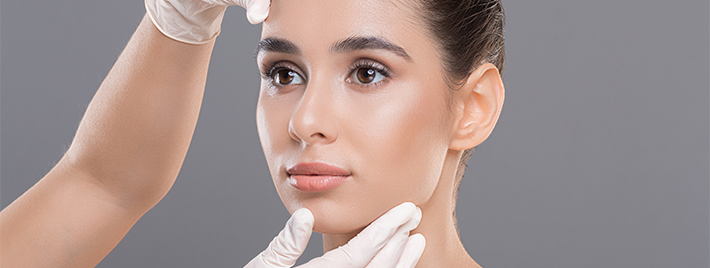
Facelift Surgeries
Facelift surgeries vary from person to person, so detailed planning is necessary for each individual.
During your initial consultation, your doctor will assess the elasticity of your facial skin and determine whether any additional cosmetic procedures are necessary. During this initial consultation, your entire face, including the skin and underlying bones, will be carefully examined.
It’s at this point that you should have a detailed and candid conversation with your doctor about your goals and expectations for the surgery. I encourage you to carefully consider your expectations and discuss even the smallest concerns with your surgeon.
When a facelift is performed by an experienced surgeon, the complication rate is low.
Your doctor will ask you questions about conditions that may cause problems before and after the operation, such as uncontrolled high blood pressure, blood clotting disorders, or poor healing of scars.
It is very important to know whether you smoke or take medications that increase bleeding, such as aspirin, before the operation.
Smokers are advised to quit for two weeks before and after surgery. Smoking negatively affects blood circulation and wound healing.
A facelift is performed under general anesthesia. However, for procedures targeting specific areas (such as eyelid surgery or a brow lift), local anesthesia is preferred. The procedure time varies depending on the facial area being treated, ranging from 3–6 hours. Skin incisions are made within the scalp or at the junction of the scalp and skin. The incision begins at the forehead, follows the temples, and continues down the neck, below the ear, before continuing within the scalp.
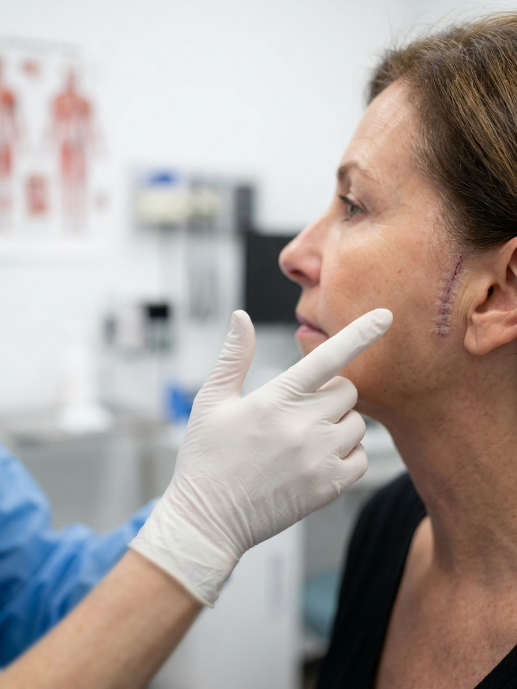
Starting in these areas, the facial skin is largely lifted. A small amount is removed to create tension in the underlying connective tissue. If the neck area requires treatment, a small skin incision, usually just below the chin, will be required. The fat under the chin is removed to eliminate the sagging appearance. The skin is tightened, excess skin is removed, and the incisions are closed with fine, aesthetically pleasing sutures. Steel clip sutures may be used to minimize scarring within the scalp.
At the end of the surgery, small tubes are placed under the skin to drain any blood and fluid that may have accumulated. These tubes are removed after 1–2 days.
Face-lift Surgeries
An elastic bandage is applied to reduce facial swelling and allow the skin to settle under the skin. It is recommended to use the elastic bandage for up to one week to prevent subcutaneous swelling and allow the skin to fully settle. Stitches are removed between the 7th and 10th days. Post-operative pain is not severe, but some pain can be managed with painkillers.
I recommend that you avoid the false expectation of immediate results after surgery, as this will only make you unhappy until the end of the second month, when the real results will begin to appear.
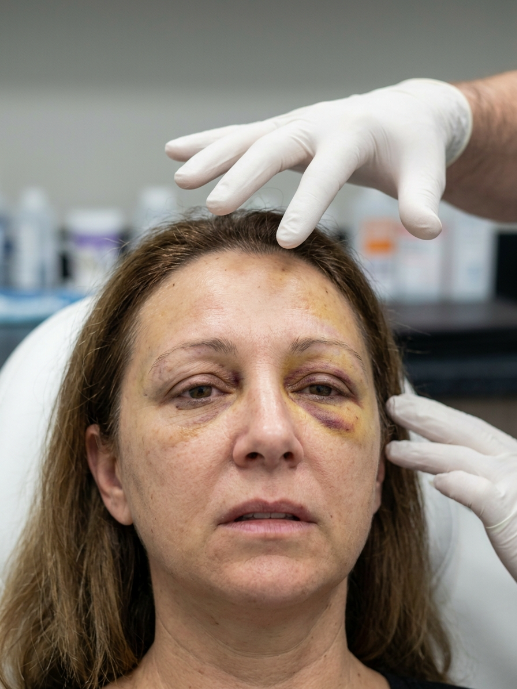
Keep in mind that a happier process awaits you as the bruises and swelling under your skin after surgery gradually begin to improve and the skin we lift fuses with the underlying tissues.
A facelift, of course, won’t stop the clock. Your face will continue to age, and you may need to repeat the procedure. However, even if the effects of a single facelift fade over time, you’ll still be very pleased with your appearance years later when compared to those who haven’t undergone the procedure.