Botox
Botox, also known as botulinum toxin, has
become one of the trendiest procedures in recent years and has a broad range of
applications in aesthetic surgery. Botox is derived from a bacterium called
Clostridium botulinum (produced by bacteria) and is essentially a type of
toxin. The toxin inhibits signals sent to nerve cells, temporarily paralyzing
muscles as a result. Thanks to this structure, Botox can be used in various
medical treatments, especially in aesthetic surgery.
Where Can Botox Be Applied?
Botox is produced under laboratory
conditions. The toxin generated by the Clostridium botulinum bacterium is not
used directly; it undergoes a special process first. After being made suitable
for medical and cosmetic use, it can be applied to various parts of the body by
expert physicians through injection. The most commonly used areas for Botox are
as follows:
- The area between the eyebrows
- Forehead
- Around the eyes
- Lips
The lines between the eyebrows are one of
the most noticeable areas where Botox is applied. It reduces the visibility of
minor lines, resulting in a youthful appearance. Wrinkles on the forehead are
also one of the most effective regions for Botox. Moreover, when applied to
lines known as crow's feet around the eyes, it provides a younger and more
energetic look, and when used for lines above the lips, it creates a fuller lip
appearance.
Who Can Receive Botox Treatment?
Botox is suitable for any healthy adult.
However, some criteria can be mentioned:
- The patient's age
- Physical characteristics
- Medical history
- Expectations
After evaluating factors like these, the
doctor will clarify whether Botox treatment is suitable for you or not. There
is no specific age limit for Botox treatment. Nevertheless, it is generally
applied to adults over the age of 18. The doctor examines the patient's face to
determine which areas need Botox and creates a treatment plan accordingly.
How is Botox Applied?
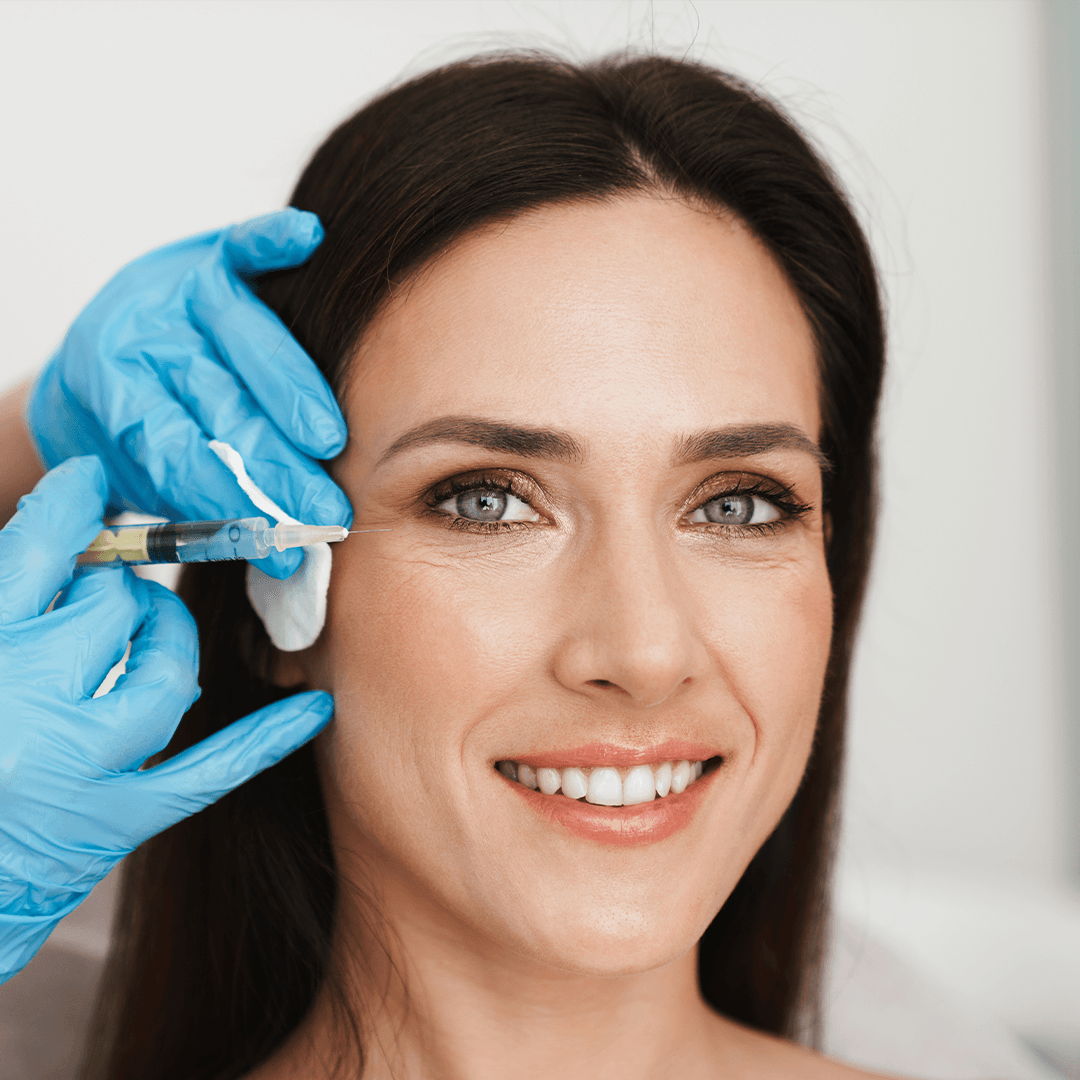
Botox is administered via the injection
method, where Botulinum toxin is precisely introduced into the targeted
treatment areas. Similar to numerous other aesthetic surgical procedures, the
process encompasses several distinct phases:
Prior to commencing the Botox application,
the physician conducts a thorough examination of the patient, assessing their
facial region and formulating a tailored treatment strategy. This step ensures
that the body does not manifest any allergic responses to Botox. The relevant
skin area is meticulously cleansed with an alcohol solution before the
procedure.
Botox is artfully administered into the
predetermined areas through delicate, specialized needles. These needles are
exceptionally slender, resulting in minimal discomfort and negligible pain. Any
minor discomfort that may arise can be easily endured.
Another noteworthy facet of the Botox
procedure is its expeditious completion. It is completed within 15 to 30
minutes. However, the session duration can vary depending on the structure,
size of the application area, and the patient's medical condition.
The effects of Botox are temporary. It is
usually effective for 3 to 6 months, but this period can extend up to a year.
Afterward, reminder injections can be administered. Botox treatment may require
a series of sessions, and the number of sessions depends on the purpose of the
treatment and the Botox areas. Your physician will provide a personalised
recommendation regarding the requisite number of sessions for your individual
case.
The initial effects of Botox can be
observed immediately, but it may take a few days for the full effects to become
apparent. There is no recovery period for the procedure, but it is important to
follow the doctor's recommendations. You should avoid intense physical
activities for a few weeks and minimize contact with the Botox area.
Post-Botox control, follow-up, and renewal
injections may be necessary. Following the doctor's guidance and
recommendations will be advantageous.
Recovery Process After Botox
Botox treatment is a virtually painless
procedure, swiftly completed. However, there are certain precautions to be
observed. Following the application of Botox, it is crucial to refrain from
rubbing the treated areas in order to preserve the efficacy of the toxin. For
the first few days after the application, avoid exercises and physical
activities that cause sweating. Sweating can lead to the removal of the toxin
from the body.
Since your skin will be sensitive in the
first few days before and after Botox, protect the area from sunlight. You can
use protective creams. Be cautious about not consuming alcohol before and after
Botox. Blood-thinning drugs are also not recommended because they can cause
bruising. Your doctor will guide you.
If swelling occurs, you can use a cold
compress with the doctor's approval. However, remember that the ice should not
directly touch the skin. Post-Botox care is of paramount importance to reduce
potential side effects, maintain the effectiveness of the treatment, emphasize
that making an informed decision regarding Botox treatment is a critical aspect
of the process. For comprehensive information and to achieve optimal results,
you are encouraged to reach out to the Selçuk İnanlı Clinic.