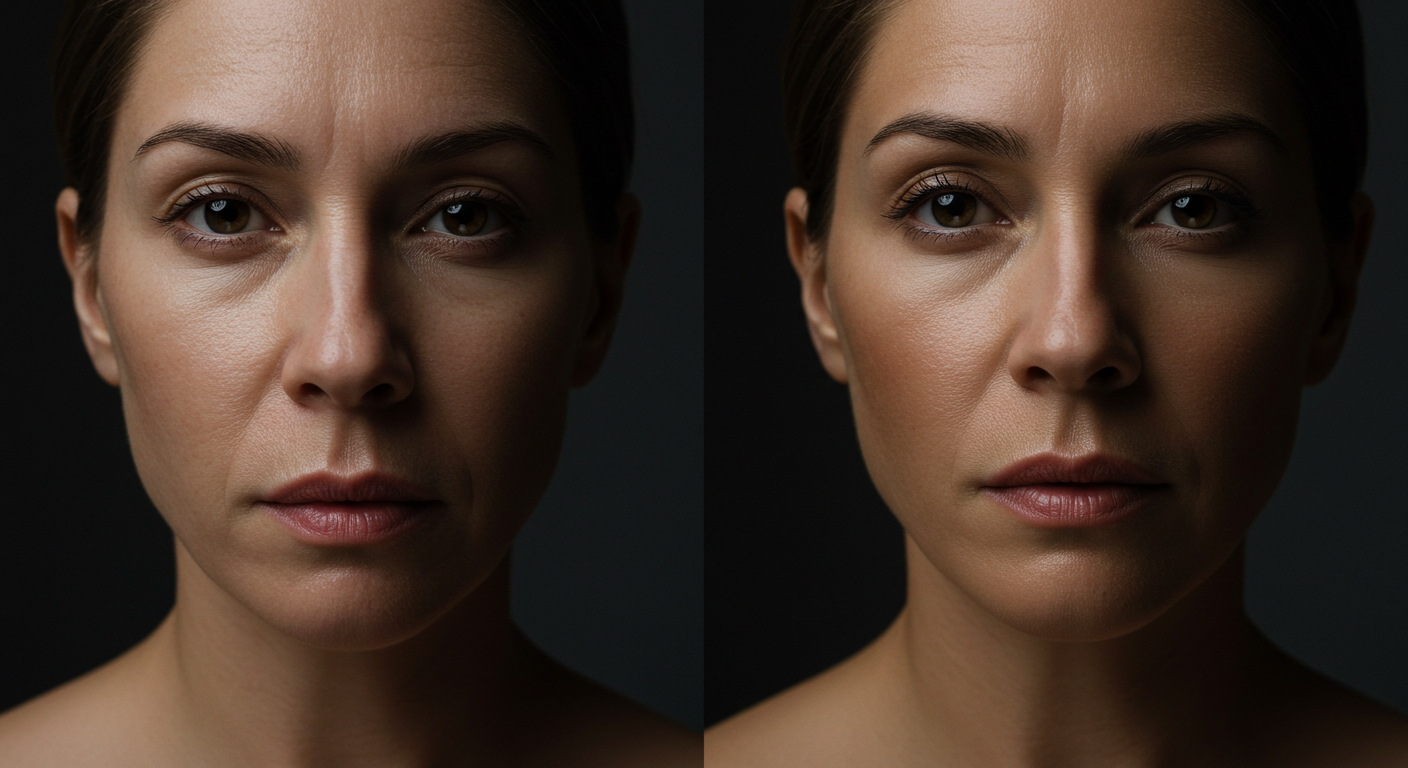
Head and Neck Surgery
Head and neck surgery is a specialized surgical branch
focused on the diagnosis and treatment of medical problems in the head and neck
region. This medical specialty involves the treatment of various diseases and
conditions in both areas, as well as the management of trauma and injuries.
Head and neck surgeons specialize in treating a wide range
of conditions in the head, neck, face, jaw, ears, nose, sinuses, salivary
glands, thyroid glands, salivary gland stones, tumors, infections, and
swallowing and breathing problems, among others. They can also perform
procedures for aesthetic purposes, such as facelifts, rhinoplasty, or removal
of facial tumors. These surgeries are typically performed by Ear, Nose, and
Throat (ENT) specialists. In addition to surgical interventions, doctors in this
field can conduct imaging tests necessary for diagnosis and evaluate
conservative treatment options.
Head and neck surgery encompasses a series of surgical
procedures that are performed safely and effectively. It is primarily focused
on improving the patient's health, enhancing the quality of life, and, in some
cases, making aesthetic corrections in the head and neck region.
Conditions Treated in Head and Neck Surgery
There is a wide range of treatments within the scope of head
and neck surgery. Some commonly encountered conditions include:
1) Tumors: Tumors in the head and neck region constitute a
significant area of interest for head and neck surgeons. These tumors can occur
in various locations, such as the thyroid glands, salivary glands, and skin of
the face and neck, as well as lymph node cancers.
2) ENT Problems: Head and neck surgeons treat many disorders
related to the ear, nose, and throat. These include sinusitis, deviated nasal
septum, nasal polyps, tonsil and adenoid problems, hearing loss, facial
paralysis, and snoring, among others.
3) Aesthetic Surgery: This field also encompasses procedures
performed for aesthetic purposes. Procedures such as facelifts (correction of
facial sagging), rhinoplasty (nose aesthetics), and removal of facial and neck
wrinkles are conducted in this area.
4) Trauma and Injuries: Trauma and injuries in the head and
neck region are also within the scope of expertise of head and neck surgeons.
For example, conditions like head trauma, facial bone fractures, and neck
injuries may require surgical intervention.
5) Swallowing and Breathing Problems: Head and neck surgery
plays a role in the treatment of these problems. Conditions such as throat
narrowing, esophageal problems, vocal cord issues, and respiratory tract
narrowing may require surgical intervention.
How Is Head and Neck Cancer Treated?
The treatment of head and neck cancer involves various
methods depending on the stage of the disease, cancer type, the patient's
overall health condition, and other factors. Typically, a combination of one or
more methods is used, and a personalized treatment plan is created for the
patient. The primary focus is on removing the cancerous tissue. Surgery is
often performed, which can be partial or complete depending on the size and
location of the tumor. During surgery, the tumor and cancerous tissue, as well
as nearby lymph nodes, may be removed. Reconstructive surgical techniques can
also be used to achieve aesthetic outcomes.
Another method is radiation therapy, which aims to kill
cancer cells using high-energy beams. External beam radiation therapy is
commonly used in the treatment of head and neck cancer. This treatment can be
used to shrink cancer, destroy cancer cells, or as a pre or post-operative
treatment. Additionally, chemotherapy involves the use of drugs to kill or stop
the growth of cancer cells. This treatment is often used in conjunction with
radiation therapy or surgical intervention. Its goal is to provide systemic
treatment in cases where the cancer has spread or metastasized.
In some cases, specific genetic alterations or target
molecules may be present. In such cases, targeted therapies can be used.
Targeted drugs, also known as immunotherapy, can be effective by selectively
attacking cancer cells. However, it is not guaranteed to yield definitive
results for every patient. Following treatment, it is important for patients to
participate in rehabilitation programs to regain functions such as speech,
swallowing, nutrition, and respiration. Methods such as speech and language therapy,
nutritional counseling, physical therapy, and psychological support are
preferred at this stage.
All treatment approaches in this field are determined based
on the individual patient's condition and require a multidisciplinary approach.
The treatment plan is created by a team consisting of an oncologist, head and
neck surgeon, radiation oncologist, pathologist, and other specialists. Regular
monitoring and follow-up appointments are conducted throughout the patient's
treatment journey.
Recovery Period after Head and Neck Surgery
The recovery period after head and neck surgery involves the
process of the patient regaining their health and returning to normal
activities following the surgical intervention. The recovery process can vary
depending on the type and extent of the surgery, as well as the patient's
overall health condition. Patients generally stay in the hospital for a period
of time after the surgery. The length of stay can vary depending on the type
and extent of the surgical procedure. Hospitalization is desired to monitor the
patient's condition, provide pain control, and reduce the risk of
complications.
Resting and gradually increasing activities are important
during the recovery period. The surgeon will provide instructions on when and
which activities can be resumed. Avoiding strenuous physical activities and
adhering to the rest period support the healing process. It is also important
to attend follow-up appointments regularly. The surgeon and other healthcare
professionals will monitor the recovery process, evaluate any complications,
and provide guidance on the necessary rehabilitation process.
Prof. Dr. Selçuk İnanlı, known for his expertise,
experience, and warm relationships with his patients, is waiting for you at his
clinic to plan your treatment process. Contact us using the contact
information.