Thyroid Surgery
Thyroid surgery is the surgical removal of a part or all of
the thyroid gland. In some cases, problems such as enlargement, nodules, or
cancer can arise in the thyroid gland, requiring surgical intervention.
The thyroid gland is an important endocrine gland located in
the neck. Shaped like a butterfly, the thyroid is situated just below the voice
box. The main function of the thyroid gland is to produce and release hormones
that regulate the body's metabolism.
There are two important hormones produced in the thyroid
gland: triiodothyronine (T3) and thyroxine (T4). These hormones regulate
cellular energy production, body temperature, heart rate, weight control, and
many other metabolic processes. They also contribute to various bodily
functions such as growth, development, nervous system functions, and
reproductive health. The proper functioning of the thyroid gland is important
for the body and helps maintain hormonal balance. If a person suspects any
issues, they should consult a specialist immediately and begin appropriate
treatment after necessary tests.
When Is Thyroid Surgery Necessary?
Thyroid surgery may be necessary in the following cases:
1) Large or suspicious nodules: Nodules in the thyroid gland
are often benign (non-cancerous), but in some cases, they can be cancerous. If
the nodule is large or there is suspicion of cancer, the doctor may recommend
thyroid surgery to remove the nodule.
2) Thyroid cancer: When thyroid cancer is diagnosed, thyroid
surgery is usually necessary to remove the tumor. The surgery may involve
removing the cancerous tissue and examining the associated lymph nodes.
3) Hyperthyroidism: Hyperthyroidism is a condition where the
thyroid gland is overactive and produces an excessive amount of hormones. When
medication or radioactive iodine treatment is ineffective or unsuitable,
partial or total removal of the thyroid may be done through surgery.
4) Cosmetic concerns: Large nodules in the thyroid or
enlargement of the thyroid gland (goiter) can cause a noticeable swelling in
the neck. In such cases, thyroid surgery may be performed to reduce the
swelling for cosmetic reasons.
5) Difficulty in breathing or swallowing: Large thyroid
nodules or goiter can compress the airway or esophagus, leading to difficulty
in breathing or swallowing. In this situation, thyroid surgery is necessary to
correct respiratory and swallowing functions.
In any case, it is important to have an evaluation by a
doctor to determine whether thyroid surgery is necessary.
How is Thyroid Surgery Performed?
Generally, general anesthesia is administered before the
surgery begins. This is an anesthesia method that induces loss of consciousness
and prevents pain sensation. The surgeon makes an incision in the neck, below
the thyroid gland, or in the middle of the neck. The size and location of the
incision may vary depending on the type of surgery and the condition of the
thyroid. The incision is extended or the neck tissues are carefully separated
to remove a portion or all of the thyroid gland. The method of gland removal
can vary depending on the patient's condition and the goals of the surgery.
During the procedure, the surgeon takes great care to
protect the vocal cords and parathyroid glands, as they are located in close
proximity to the surgical area. These structures are important for voice
production and calcium metabolism. A drainage tube may be placed in the
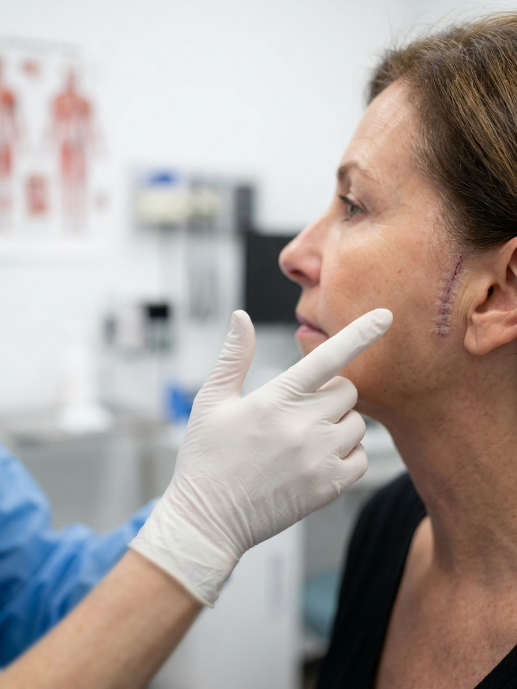
surgical area to prevent the accumulation of blood. The surgeon closes the
incision with stitches and covers the surgical site with a sterile dressing.
Thyroid surgery is usually performed in a hospital and typically takes a few
hours. After the surgery, the patient is kept under observation, and
hospitalization for a few days is often required. During the recovery process,
procedures such as pain management, wound care, and thyroid hormone replacement
therapy (if necessary) are carried out.
Things to Consider After Thyroid Surgery
The recovery process after thyroid surgery can vary from
person to person. To speed up the healing process, it is important to rest as
recommended by the specialist, take medications regularly, and attend follow-up
appointments. The timing of returning to work and resuming daily activities
will also be advised by the doctor.
Proper wound care is important for the correct healing of
the surgical site. It is necessary to follow the doctor's recommendations for
wound cleansing and dressing. If any signs of infection (redness, swelling,
discharge) are noticed, it is important to seek immediate medical attention. In
addition, maintaining a healthy eating regimen during the recovery period is
necessary. an adequate amount of fluids should be consumed, and a balanced
nutrition plan should be established. There may be specific dietary or
nutritional recommendations for each individual.
Temporary hoarseness or throat pain may be experienced after
the procedure. The healing of the vocal cords or surrounding tissues may take
some time. Swallowing difficulties may also occur. However, these symptoms
generally improve over time. Planned check-ups should not be neglected, and
constant communication between the doctor and patient is important.
One of the most important concerns for individuals
considering or undergoing this operation may be whether the thyroid will recur.
After the surgery, rare cases of regrowth of the structure or the formation of
nodules may occur. However, in operations such as total thyroidectomy where the
entire thyroid gland is removed, the likelihood of the disease recurring is
lower. However, in partial procedures, since a part of the thyroid is left
behind, the remaining tissue may regrow or contribute to the formation of
nodules.
If you are considering thyroid surgery and want to have a
comfortable and safe treatment process, it is important to schedule an
appointment with Prof. Dr. Selçuk İnanlı without delay. Please contact us for
detailed information about thyroid surgery and other procedures in Istanbul.