Tympanoplasty
Tympanoplasty,
also known as eardrum surgery, is a surgical procedure performed to repair or
reconstruct the eardrum.
Tympanoplasty
is carried out to repair the area of the eardrum that is completely or
partially perforated or torn. In this procedure, the damaged area of the
eardrum is cleaned and sutured or a tissue graft is used for repair. The goal
of the surgery is to reduce hearing loss and improve the ear health of the
patient.
This
procedure may be recommended for conditions such as chronic ear infections,
eardrum perforation, barotrauma (damage to the eardrum due to pressure
changes), or tears in the eardrum. However, the necessity of surgery and the
appropriate treatment method for each patient should be determined based on an
evaluation conducted by a specialist.
What is
the Eardrum?
The eardrum,
medically known as the tympanic membrane or myringa, is a thin membrane located
inside the ear canal of humans. It acts as a barrier separating the middle ear
from the external world. It has a conical shape and a diameter of approximately
8-10 mm. The eardrum is elastic and resistant to tension. It consists of two
different layers: the outer layer is an epithelial layer that opens to the
outside world and covers the inner part of the ear, while the inner layer is a
mucosal layer that faces the middle ear cavity and supports the eardrum. A
fibrous tissue ring located in the middle of the eardrum assists in its
stretching and vibration properties.
The eardrum
is an important part of the hearing process. Sound waves reach the eardrum from
the outer ear and cause it to vibrate. These vibrations are then transmitted to
the inner ear through three small bones in the middle ear (hammer, anvil,
stirrup). Proper functioning of the eardrum enables the effective execution of
the hearing process. It also helps with pressure equalization in the ear.
Pressure changes, such as during air travel or at high altitudes, can cause
pressure differences in the eardrum. In such cases, the eardrum can vibrate or
temporarily change its shape to balance the pressure difference.
What
Causes Eardrum Rupture?
The eardrum
in humans can be damaged due to various reasons. In some cases, surgery
performed by a specialized physician is necessary. The most common causes are
listed below:
•
Middle
ear infections
•
Hearing
devices
•
Poor
ear hygiene
•
Barotrauma
•
Congenital
anomalies
What is
the Preparation Process Before Tympanoplasty?
Firstly, the
patient should consult an otolaryngologist (ear, nose, and throat specialist)
with their complaints. The doctor evaluates the condition of the patient’s
eardrum, and learns their medical history and symptoms. Then, some examinations
and tests may be conducted to have a more detailed view of the area. These may
include an otoscopic examination, audiometry test (hearing test), and in some
cases, imaging tests (e.g., otologic tomography or MRI).
When eardrum
surgery is planned, blood tests are performed, the type of anesthesia is
determined, and other preparations before the operation are made. The patient
is instructed not to eat for a certain period before the procedure. The surgery
is mostly performed under general anesthesia. The person is also informed about
the operation day and post-operative follow-up appointments. It is important to
share any concerns or questions regarding the procedure with the doctor during
this process. Obtaining information about how the surgery will be performed,
expectations, the recovery process, and post-operative care is crucial.
How is
Tympanoplasty Performed?
At the
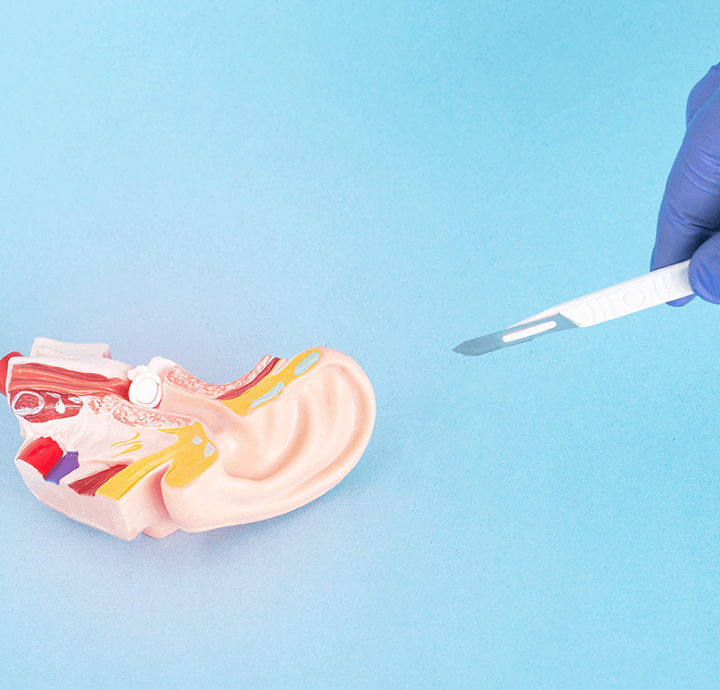
beginning of the operation, a small incision is usually made behind the outer
ear to access the ear canal. This allows the specialist to reach the damaged or
torn area of the eardrum. Different methods can be used to repair the damaged
eardrum. Small holes or tears can typically be closed with stitches. For larger
damages, repair surgery may be required. In this case, the damaged area is
cleaned, and a tissue graft is used to repair the eardrum.
In some
cases, additional procedures may be performed during the surgery. For example,
additional surgical interventions may be necessary to drain fluid accumulation
in the middle ear or repair damaged ossicles (small bones) in the middle ear.
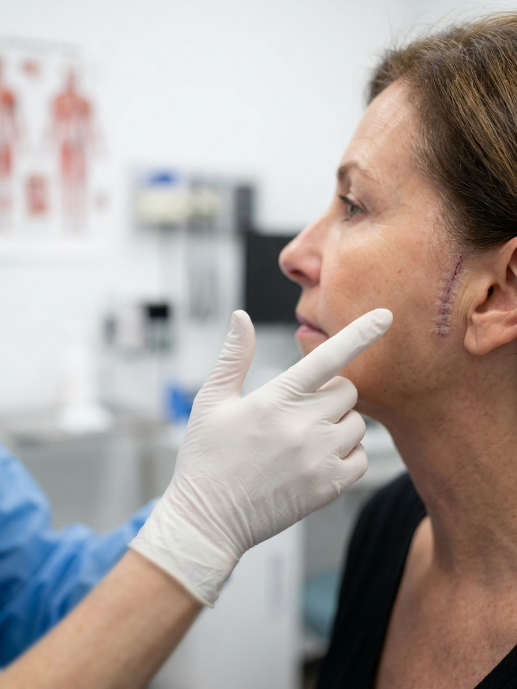
At the end of the surgery, the incisions are usually closed with stitches or
surgical adhesive. This ensures that the scars behind the outer ear or in the
ear canal are nearly invisible.
It is
generally a quick and comfortable procedure. The duration of the surgery can
vary depending on the size of the damage, the treatment method, and the need
for additional interventions. After the operation, patients are usually kept
under observation and discharged within a few hours.
Postoperative
Care After Tympanoplasty
After the
ear surgery, the doctor may prescribe specific medications to reduce the risk
of pain or infection. It is important to take these medications regularly and
follow the given instructions. Dressings may need to be applied for a period to
protect and keep the surgical area clean. The patient receives detailed
information on how to perform this procedure.
After the
surgery, it is recommended to avoid heavy physical activities for a certain
period. Excessive exertion and strenuous movements can have a negative impact
on the recovery process. The patient should focus on resting and engaging in
calm activities for the recommended duration. Additionally, there should be no
contact with water in the application area for a while. Within the specified
time frame, showering, swimming pools, and the sea should be avoided.
In addition,
the specialist may perform a hearing test on the patient. The hearing level is
checked, and if necessary, suitable hearing aids or alternative treatments are
recommended. Prof. Dr. Selçuk İnanlı is a competent specialist in eardrum
surgery in Istanbul. Please contact us for more detailed information about the
procedure.
Tympanoplasty is a specialized surgical procedure performed to reconstruct a perforated tympanic membrane (eardrum) or to repair the small bones of the middle ear, known as ossicles. This operation is a cornerstone of otolaryngology, aimed at both eradicating chronic infection and restoring the physiological mechanism of hearing. For patients suffering from chronic ear discharge or significant hearing loss, eardrum surgery (tympanoplasty) offers a permanent solution that prevents further complications such as cholesteatoma or permanent sensorineural damage.
The ear is an incredibly complex organ, divided into three distinct parts: the outer ear, the middle ear, and the inner ear. The tympanic membrane serves as the vital barrier between the outer ear canal and the middle ear space. When this membrane is breached—whether through trauma, recurrent infections, or sudden pressure changes—the middle ear becomes vulnerable to bacteria, water, and debris. Tympanoplasty not only seals this gap but also ensures that sound vibrations are effectively transmitted to the cochlea.
The Anatomy of Hearing and the Role of the Eardrum
To appreciate the necessity of tympanoplasty, one must understand how we hear. Sound waves travel through the external auditory canal and strike the tympanic membrane, causing it to vibrate. These vibrations are then amplified by the ossicular chain (the malleus, incus, and stapes) and sent to the inner ear. A hole in the eardrum disrupts this chain of events in two ways:
- Reduced Vibration Surface: A smaller surface area means fewer vibrations are captured, leading to conductive hearing loss.
- Acoustic Short-Circuiting: Sound waves may strike the round window of the inner ear simultaneously with the oval window, cancelling out the mechanical advantage of the middle ear.
By undergoing surgery with an expert like Prof. Dr. Selçuk İnanlı, patients can address these mechanical failures. As an ENT specialist certified by the European Academy of Facial Plastic Surgery (EAFPS), Prof. İnanlı utilizes advanced microsurgical techniques to ensure the highest success rates in graft uptake and hearing improvement.
Indications for Tympanoplasty: When is Surgery Necessary?
Not every small tear in the eardrum requires surgery. Some acute perforations, often caused by a sudden loud noise or a cotton swab injury, may heal spontaneously within a few weeks. However, tympanoplasty is indicated in several chronic scenarios:
* Chronic Suppurative Otitis Media (CSOM): This involves a persistent perforation with recurrent episodes of ear drainage (otorrhea).
* Traumatic Perforations: If a tear does not heal on its own after 3–6 months, surgical intervention is required.
* Ossicular Chain Discontinuity: Damage to the middle ear bones, often accompanying a perforation, necessitates reconstruction.
* Prevention of Cholesteatoma: A hole in the eardrum can allow skin cells to enter the middle ear, forming a cyst-like growth called a cholesteatoma, which can erode bone and cause intracranial complications.
Patients often ask hearing loss after eardrum surgery is a risk; in reality, the primary goal of the procedure is to improve or stabilize hearing. While some temporary muffling occurs during the healing phase due to packing materials, the long-term outlook is typically a significant improvement in auditory clarity.
Pre-Operative Evaluation and Diagnostics
Before proceeding with tympanoplasty, a thorough evaluation is essential. This typically includes:
Audiometry (Hearing Tests)
An audiogram is performed to determine the type and degree of hearing loss. It helps the surgeon distinguish between conductive hearing loss (repairable by tympanoplasty) and sensorineural hearing loss (related to the inner ear or nerve).
Otomicroscopy
The surgeon uses a high-powered microscope in the clinic to examine the edges of the perforation, the health of the middle ear mucosa, and the mobility of the malleus bone.
Imaging Studies
In cases of chronic infection or suspected cholesteatoma, a High-Resolution Computed Tomography (HRCT) scan of the temporal bone is necessary. This provides a detailed map of the ear’s anatomy, showing the extent of disease and the status of the ossicles.
Surgical Techniques in Tympanoplasty
Modern ear surgery has evolved significantly. Depending on the size and location of the hole, as well as the surgeon’s preference, different approaches may be used.
The Microscopic Approach
This is the traditional “gold standard.” The surgeon uses an operating microscope to visualize the ear. The incision may be transcanal (through the ear canal), endaural (inside the ear fold), or post-auricular (behind the ear). The post-auricular approach is often preferred for large or anterior perforations because it provides the widest field of view.
Endoscopic Tympanoplasty: The Minimally Invasive Revolution
Endoscopic ear surgery (EES) is a modern technique where a rigid endoscope is used instead of a microscope. This allows the surgeon to “see around corners” without making large external incisions. Prof. Dr. Selçuk İnanlı often employs endoscopic methods to reduce post-operative pain and speed up the recovery process. This technique is particularly effective for limited middle ear disease and provides superior visualization of the hidden recesses of the tympanic cavity.
Grafting Materials: Rebuilding the Membrane
To seal the hole, a “graft” is used. Common materials include:
* Temporalis Fascia: The most common graft, taken from the muscle layer above the ear. It is thin, durable, and has a high “take rate.”
* Tragal Cartilage: Taken from the small bump in front of the ear canal. Cartilage is sturdier and is often used in cases of eustachian tube dysfunction to prevent the new eardrum from collapsing.
* Perichondrium: The lining of the cartilage, which provides a middle ground between fascia and cartilage.
The Procedure: Step-by-Step
Understanding how long does tympanoplasty surgery take is a common concern for patients. Generally, the procedure lasts between 1.5 to 3 hours, depending on the complexity of the middle ear involvement.
- Anesthesia: Most patients undergo general anesthesia, though some minor repairs can be done under local anesthesia with sedation.
- Incision and Exposure: The surgeon makes the chosen incision and lifts the skin of the ear canal to reach the eardrum.
- Preparation of the Perforation: The edges of the hole are “freshened” or roughened to encourage the graft to bond with the existing tissue.
- Ossicular Check: The surgeon gently touches the ear bones to ensure they move freely. If the bones are damaged, an ossiculoplasty is performed using synthetic prostheses or bone grafts.
- Graft Placement: The graft is placed either under the remaining eardrum (underlay technique) or over it (overlay technique). The underlay technique is more common as it avoids the risk of skin pearls forming on the eardrum.
- Packing: The middle ear and ear canal are packed with dissolvable gelatin sponges (Gelfoam) to hold the graft in place.
- Closure: The external incisions are closed with fine sutures, and a sterile dressing is applied.
Ossiculoplasty: When Bones Need Repair
Sometimes, the eardrum is intact, but the patient still has hearing loss because the ossicles are disconnected or eroded. In these cases, tympanoplasty is combined with ossiculoplasty. The surgeon may use a Partial Ossicular Reconstruction Prosthesis (PORP) if the stapes is still intact, or a Total Ossicular Reconstruction Prosthesis (TORP) if only the footplate remains. These tiny devices, often made of titanium or hydroxyapatite, restore the mechanical link between the eardrum and the inner ear.
Recovery and Post-Operative Care
Knowing how to recover after tympanoplasty is crucial for surgical success. The first few weeks are the most critical for graft integration.
Immediate Post-Op (First 24 Hours)
Patients may experience slight dizziness or a sense of imbalance. This is normal and usually subsides quickly. There will be a “fullness” in the ear due to the packing and fluid, and patients may hear popping or crackling sounds.
The First Two Weeks
* Keep the Ear Dry: This is the most important rule. Patients must use a cotton ball coated in petroleum jelly when showering to prevent water from entering the canal.
* No Nose Blowing: Excessive pressure can blow the graft out of place. If you must sneeze, do so with your mouth open.
* Activity Restriction: Avoid heavy lifting, straining, or vigorous exercise, as these increase intracranial pressure.
Long-Term Healing (3–8 Weeks)
The packing material gradually dissolves or is removed by the surgeon during follow-up visits. Hearing will slowly improve as the swelling goes down and the middle ear space clears. Most patients can return to work within 1 to 2 weeks, provided their job does not involve heavy physical labor.
Potential Risks and Complications
While tympanoplasty has a success rate of over 90% in experienced hands, no surgery is without risk. Potential complications include:
* Graft Failure: The graft may fail to “take,” leaving a residual hole. This is more common in smokers or patients with poor eustachian tube function.
* Taste Disturbance: A small nerve called the chorda tympani runs behind the eardrum. If it is stretched or bruised, patients may notice a metallic taste on one side of the tongue.
* Tinnitus: Ringing in the ear may persist or occasionally worsen temporarily.
* Facial Nerve Injury: Extremely rare, as the nerve is carefully monitored during surgery, but it is a theoretical risk in any middle ear operation.
Why Choose Prof. Dr. Selçuk İnanlı for Your Ear Surgery?
Choosing the right surgeon is the most significant factor in the outcome of a tympanoplasty. Prof. Dr. Selçuk İnanlı brings decades of academic and clinical experience to the operating room. Having served as a faculty member at Marmara University and observed at Harvard University, his approach combines rigorous scientific standards with the delicate touch required for microsurgery.
His clinic in Fulya, Istanbul, is equipped with state-of-the-art diagnostic and surgical technology. Whether you require a primary repair of a simple perforation or a complex revision tympanoplasty with ossicular reconstruction, Prof. İnanlı provides a personalized treatment plan designed to restore your quality of life. His certification by the European Board in Facial Plastic Surgery further attests to his precision and dedication to the highest standards of care.
Living with a Restored Eardrum
Once the ear has fully healed, the benefits of tympanoplasty are life-changing. Patients no longer need to worry about water entering their ears during swimming or bathing. The risk of frequent, painful infections is drastically reduced, and the clarity of hearing is often restored to near-normal levels. For many, the most significant gain is the restoration of confidence—the ability to engage in conversations without straining and the freedom to enjoy life without the constant burden of ear disease.
If you are experiencing persistent ear discharge, muffled hearing, or have been told you have a perforated eardrum, do not delay seeking expert advice. Chronic ear conditions are progressive, and early intervention with a qualified specialist like Prof. Dr. Selçuk İnanlı can prevent permanent damage and ensure a lifetime of healthy hearing.
Sıkça Sorulan Sorular
Will my hearing be completely normal after tympanoplasty?
The primary goal of tympanoplasty is to close the eardrum perforation and improve hearing by restoring the mechanical function of the middle ear. In most cases, patients experience a significant improvement in conductive hearing loss. However, the final result depends on the health of the inner ear and the status of the ossicles. If there is pre-existing nerve-related (sensorineural) hearing loss, tympanoplasty will not fix that specific component, but it will maximize the remaining hearing potential.
Can I fly on an airplane after eardrum surgery?
Air travel is strictly prohibited during the initial recovery phase, typically for 6 to 8 weeks following tympanoplasty. Flying involves significant changes in atmospheric pressure, which requires a functioning eustachian tube to equalize. During the healing process, the graft is fragile and the middle ear may be filled with packing or fluid. Subjecting the ear to pressure changes too early can cause the graft to dislodge or fail. Always wait for clearance from your surgeon before booking a flight.
How long do I need to stay in the hospital after the procedure?
Tympanoplasty is usually performed as an outpatient procedure or requires a single overnight stay. Most patients are able to go home the same day once the effects of anesthesia have worn off and they are able to eat and walk comfortably. Prof. Dr. Selçuk İnanlı ensures that all patients are stable and provided with comprehensive post-operative instructions before discharge. If combined with more extensive mastoid surgery, a one-night stay is more common for observation.
Is the surgery painful, and what is the recovery like?
Most patients describe the discomfort after tympanoplasty as a mild dull ache or a sensation of pressure rather than sharp pain. This is easily managed with standard oral pain medications for the first few days. The most ‘annoying’ part of recovery for many is the temporary hearing loss caused by the packing in the ear canal and the need to keep the ear strictly dry. Once the packing is removed in the clinic, usually 1–2 weeks later, comfort levels and hearing begin to improve rapidly.
What is the success rate of eardrum grafting?
In the hands of an experienced ENT surgeon like Prof. Dr. Selçuk İnanlı, the success rate for graft ‘take’ (the eardrum successfully closing) is generally between 90% and 95%. Factors that can lower this success rate include smoking, which reduces blood flow to the graft, chronic eustachian tube dysfunction, or severe active infection at the time of surgery. Following all post-operative care instructions, especially keeping the ear dry and avoiding nose blowing, is critical to achieving a successful outcome.