What is the duration of the healing process following eyelid surgery?
The recovery period, much like the duration
of the operation, is a personal experience. However, generally, patients can
return to their normal daily activities within 1-2 weeks. Consistently taking
the prescribed medications, correctly using recommended solutions, and
embracing a healthy lifestyle are vital factors that accelerate the recovery
process.
What is the Duration of the Healing Process Following Eyelid Surgery?
Understanding the Timeline of Eyelid Surgery Recovery
Eyelid surgery, medically known as blepharoplasty, is one of the most effective procedures for rejuvenating the facial appearance. Whether you are addressing sagging upper lids that impair vision or removing under-eye bags that create a tired look, understanding what is the duration of the healing process following eyelid surgery is essential for planning your journey. Recovery is a multi-phased process that varies from patient to patient, but following a structured timeline helps manage expectations and ensures the best possible aesthetic outcome.
Under the expertise of Prof. Dr. Selçuk İnanlı, a certified specialist by the European Academy of Facial Plastic Surgery (EAFPS), patients receive comprehensive care designed to minimize downtime. While the initial surgical phase is brief, the physiological healing of the delicate skin around the eyes requires patience and adherence to post-operative protocols. To get a deeper understanding of the procedure itself, you may read about what is blepharoplasty and how it addresses both functional and aesthetic concerns.
The First 24 to 48 Hours: The Critical Window
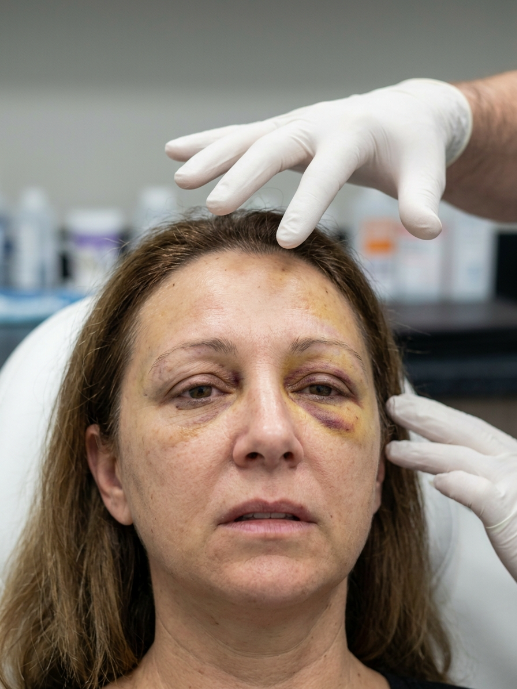
The immediate period following blepharoplasty is characterized by the body’s inflammatory response. During the first 48 hours, patients will experience the peak of swelling and bruising. This is a natural part of the healing process as the tissues begin to repair the surgical incisions.
During this phase, the primary goal is to control inflammation. Cold compresses are the patient’s best friend. Applying ice packs or chilled gel masks for 10–15 minutes every hour (while awake) significantly reduces the severity of edema. It is also vital to keep the head elevated, even during sleep, to prevent fluid accumulation in the periorbital area. Many patients often ask is eyelid surgery painful during this time; generally, the discomfort is manageable with mild analgesics and is described more as a feeling of tightness rather than sharp pain.
The First Week: Removing Sutures and Returning to Light Activity
By the end of the first week, most patients see a noticeable reduction in the initial swelling. If non-dissolvable sutures were used, they are typically removed between day 5 and day 7. This is a significant milestone in the recovery timeline, as the removal of stitches often alleviates the sensation of tightness around the eyes.
During this week, vision may remain slightly blurry due to the use of lubricating ointments prescribed to prevent dry eyes. It is essential to avoid straining the eyes by limiting screen time (phones, computers, and television). While you can move around the house and perform light activities, heavy lifting and vigorous exercise remain strictly forbidden to prevent an increase in blood pressure, which could lead to post-operative bleeding.
Week 2: The Social Recovery Phase
For many, the second week is when they feel comfortable returning to work or social engagements. While some residual bruising (often turning a yellowish hue) and minor edema may persist, these can usually be camouflaged with high-quality, hypoallergenic makeup—provided the surgeon has cleared the incisions for cosmetic application.
This phase is often referred to as “social recovery.” You may still look slightly “done,” but you no longer look like you have just undergone major surgery. It is during this time that patients often look for ways to speed your recovery after eyelid surgery, which includes staying hydrated, avoiding salty foods that cause water retention, and continuing to protect the eyes from wind and sunlight with dark sunglasses.
Months 1 to 3: Refinement and Scar Maturation
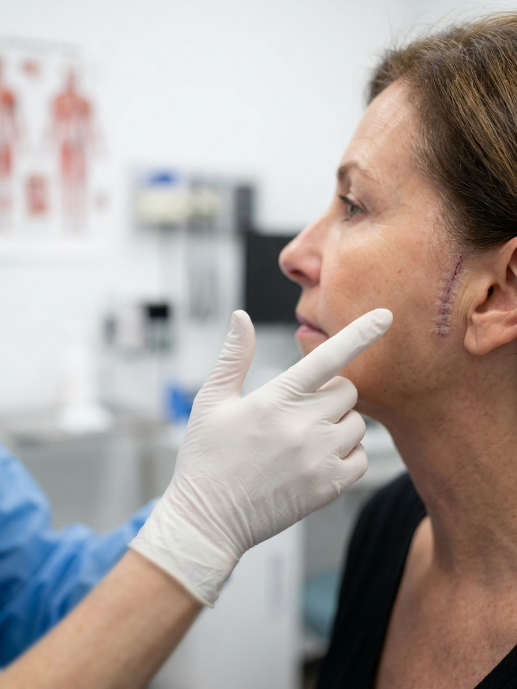
While the majority of the healing occurs in the first month, the final results of an eyelid aesthetic procedure take longer to manifest. Between the first and third months, the internal tissues continue to settle. The incisions, which may have appeared pink or slightly raised, begin to fade into thin, nearly invisible white lines.
Because the skin of the eyelid is the thinnest on the human body, it heals remarkably well. However, this skin is also highly sensitive to UV radiation. Continuous use of sunscreen and sunglasses is mandatory during this period to prevent the scars from darkening (hyperpigmentation). Prof. Dr. Selçuk İnanlı emphasizes that the “final look” is usually achieved around the three-month mark, though subtle changes can continue for up to a year.
Factors Influencing the Recovery Duration
Several variables determine how quickly a patient moves through the healing stages. Understanding these can help you better prepare for your personal recovery experience.
1. Surgical Technique Used
There are different approaches to eyelid surgery. An upper blepharoplasty typically has a faster visible recovery than a lower blepharoplasty, especially if the latter involves fat repositioning or muscle tightening. A transconjunctival approach (where the incision is made inside the lower lid) leaves no visible scar and often results in less external swelling.
2. Patient Age and Skin Elasticity
Younger patients with higher collagen levels and better skin elasticity tend to heal faster. However, older patients can still achieve excellent results; their recovery may simply require a few extra days of rest to allow the tissues to mend properly.
3. Lifestyle and Habits
Smoking is the greatest enemy of surgical recovery. Nicotine constricts blood vessels, reducing the oxygen supply to the healing tissues. This can lead to delayed wound healing and increased scarring. Similarly, alcohol consumption can increase swelling and the risk of bleeding. For those considering comprehensive facial rejuvenation, consulting an expert in eyelid aesthetics in Sisli ensures that lifestyle factors are thoroughly discussed during the consultation.
4. Adherence to Post-Operative Care
Patients who strictly follow the prescribed regimen—using antibiotic drops, applying cold compresses, and avoiding prohibited activities—almost always experience a smoother and faster recovery than those who are less diligent.
Managing Post-Operative Symptoms
To ensure the duration of the healing process is as short as possible, it is important to know how to handle common post-op symptoms correctly.
Swelling and Bruising
As mentioned, these are inevitable. Beyond cold compresses, some surgeons recommend Arnica Montana or bromelain supplements to help the body process bruises faster. However, always consult with Prof. Dr. Selçuk İnanlı before taking any supplements, as some can interfere with blood clotting.
Dry Eyes and Irritation
It is common for the eyes to feel “gritty” or dry for the first few weeks. This occurs because the blink reflex may be temporarily slowed due to swelling. Prescribed artificial tears and nighttime ointments are essential to protect the cornea and keep the eyes comfortable.
Sensitivity to Light
Photophobia (light sensitivity) is a frequent side effect. Wearing polarized sunglasses not only protects the incisions from the sun but also reduces eye strain caused by bright environments.
Long-Term Results and Maintenance
Once the healing process is complete, the results of eyelid surgery are long-lasting. Upper eyelid surgery can last for 10 to 15 years, while lower eyelid surgery is often considered a permanent fix for bags and puffiness.
To maintain the results, a healthy lifestyle is key. Protecting the skin from the sun, using high-quality medical-grade eye creams, and staying hydrated will help preserve the youthful contours achieved through surgery. Regular follow-ups with your surgeon ensure that the healing is progressing as planned and any minor concerns are addressed early.
Choosing a surgeon with an artistic eye and surgical precision, such as Prof. Dr. Selçuk İnanlı, ensures that the results look natural and harmonious with the rest of your facial features. His philosophy of aesthetics as an art form translates into meticulous surgical techniques that respect the unique anatomy of each patient.
Conclusion of the Healing Journey
In summary, while the answer to what is the duration of the healing process following eyelid surgery involves a timeline of about 10 to 14 days for social readiness and 3 months for final results, the journey is a gradual progression toward a more refreshed and youthful version of yourself. By understanding the phases of recovery and committing to the post-operative care plan, you can navigate the process with confidence and achieve the vibrant, alert appearance you desire.
Sıkça Sorulan Sorular
How long should I take off from work after eyelid surgery?
Most patients find that taking 7 to 10 days off from work is sufficient. By the end of the first week, the sutures are typically removed, and the most significant swelling has subsided. If your job involves heavy physical labor or significant eye strain, you might consider extending this to 14 days. Many patients working remotely feel comfortable returning to light computer work after 5 to 7 days, provided they take frequent breaks to rest their eyes and use lubricating drops as prescribed.
When can I start wearing makeup and contact lenses again?
You can generally resume wearing contact lenses about 2 weeks after the procedure, once the incisions have healed enough that stretching the eyelid does not pose a risk. Makeup can usually be applied to the surrounding areas after 10 days, but it is crucial to avoid applying anything directly onto the incision lines until they are fully closed and any crusting has disappeared, which is typically around the 2-week mark. Always use fresh, clean brushes and hypoallergenic products to minimize the risk of infection during this sensitive period.
Will there be visible scars after the healing process is complete?
Eyelid surgery is known for having some of the least visible scars in plastic surgery. In upper blepharoplasty, the incision is placed within the natural fold of the eyelid, making it invisible when the eyes are open. For lower blepharoplasty, the incision is either hidden just below the lash line or made inside the eyelid (transconjunctival), leaving no external scar. While the incisions may appear slightly pink for the first few months, they eventually fade into a fine, nearly imperceptible line that blends with the natural skin texture.
Are there any activities I must strictly avoid during recovery?
Yes, for the first 2 weeks, you must avoid any activity that increases blood flow to the face. This includes heavy lifting, aerobic exercise, bending over, and even intense emotional stress. Such activities can raise your blood pressure and cause the delicate healing vessels to leak, leading to increased swelling or hematoma. Additionally, avoid swimming, hot tubs, and saunas for at least 3 to 4 weeks to prevent infection and ensure the incisions remain dry and clean during the primary healing phase.
When will I see the final results of my blepharoplasty?
While you will see a significant improvement in your appearance after 2 to 3 weeks when the bruising is gone, the final results are usually apparent after 3 to 6 months. It takes time for the very fine, residual swelling to completely dissipate and for the tissues to fully soften and settle into their new position. The scars will also continue to mature and fade for up to a full year. Patience is key, as the gradual refinement leads to a more natural and long-lasting rejuvenation of the eye area.