Skincare Tips After Facial Fillers
Comprehensive Skincare Tips After Facial Fillers: A Surgeon’s Guide to Longevity and Health
Understanding the Importance of Skincare After Facial Fillers
Facial fillers have revolutionized the field of non-surgical aesthetics, providing patients with immediate volume restoration, wrinkle reduction, and facial contouring. However, the procedure does not end once you leave the clinic. To achieve the best possible aesthetic outcome and ensure the longevity of the treatment, specialized post-procedure care is essential. As an ENT and Facial Plastic Surgery Specialist, Prof. Dr. Selçuk İnanlı emphasizes that the way you treat your skin in the days and weeks following an injection significantly impacts the final result.
When we talk about dermal fillers, we are usually referring to substances like Hyaluronic Acid (HA), which are biocompatible gels injected into various layers of the dermis. Because these substances are hydrophilic—meaning they attract water—your internal and external hydration levels play a pivotal role in how the filler settles. Proper skincare is not just about vanity; it is about protecting the integumentary system, managing inflammation, and preventing complications like migration or premature degradation.
Immediate Post-Treatment Care: The First 24–48 Hours
The first two days after receiving facial fillers are the most critical for stabilization. During this window, the filler material is still malleable, and the injection sites are essentially micro-wounds that need to heal without interference.
Managing Swelling and Bruising
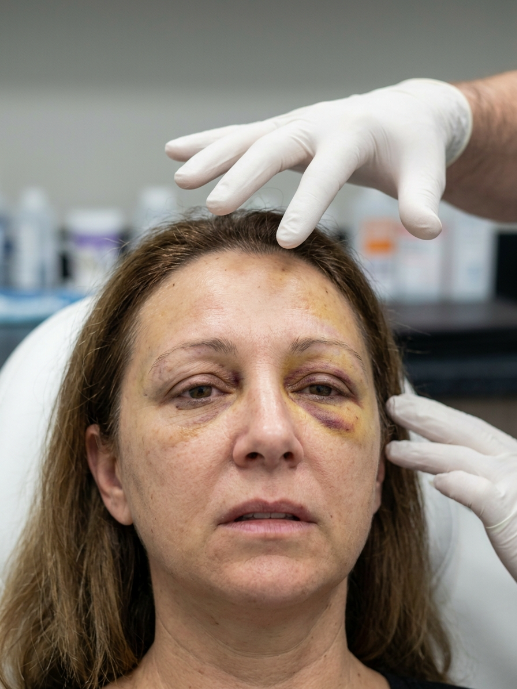
It is entirely normal to experience some degree of edema (swelling) and ecchymosis (bruising). To mitigate this, apply a cold compress to the treated area for 10–15 minutes every hour. However, avoid applying ice directly to the skin; use a clean cloth as a barrier to prevent cold-induced skin damage. Prof. Dr. Selçuk İnanlı recommends avoiding blood-thinning agents like aspirin, ibuprofen, or high doses of Vitamin E, as these can exacerbate bruising.
Hands-Off Policy
One of the most important skincare tips after facial fillers is to avoid touching, massaging, or applying pressure to the treated areas. While it may be tempting to feel the new contours, excessive pressure can cause the filler to migrate from its intended location. This is especially true for midface fillers or lip injections, where the tissue is more mobile. If you feel a small lump, do not attempt to “smooth it out” yourself; contact your specialist instead.
Sleeping Positions
For the first two nights, try to sleep on your back with your head slightly elevated. This uses gravity to help reduce swelling and ensures that you do not accidentally press your face into a pillow, which could distort the filler before it has fully integrated with your facial tissues.
Establishing a Post-Filler Skincare Routine
Once the initial 48-hour window has passed, you can begin to reintroduce a modified skincare routine. The goal during the first week is gentle maintenance and deep hydration.
Cleansing with Caution
Use a pH-balanced, fragrance-free cleanser. Avoid scrubbing the skin or using mechanical cleansing brushes (like Clarisonic) for at least seven days. When washing your face, use lukewarm water and pat the skin dry with a soft, clean towel. High temperatures can increase blood flow to the face, which may prolong swelling.
The Role of Hyaluronic Acid Topicals
Since most modern fillers are HA-based, using a topical Hyaluronic Acid serum can complement the treatment. Topical HA helps maintain the skin’s moisture barrier, making the surface of the skin look as plump and hydrated as the deeper layers where the filler resides. Understanding the benefits of hyaluronic acid is key to maintaining that “glow” that many patients seek after their procedure.
Avoiding Harsh Actives
For at least 5–7 days, you should pause the use of “aggressive” skincare ingredients. This includes:
- Retinoids/Retinol: These can increase skin sensitivity and inflammation.
- Alpha Hydroxy Acids (AHAs) like Glycolic Acid: These can irritate the injection sites.
- Beta Hydroxy Acids (BHAs) like Salicylic Acid: These may cause excessive dryness during the healing phase.
- Vitamin C Serums: While beneficial for long-term health, highly acidic Vitamin C formulations can sting or irritate fresh injection points.
Protecting Your Investment: Sun Protection and Environmental Factors
If there is one rule that is non-negotiable, it is sun protection. UV radiation is the primary enemy of both natural collagen and synthetic dermal fillers.
Why UV Damage Shortens Filler Life
UV rays trigger the production of hyaluronidase, an enzyme that naturally breaks down hyaluronic acid in the body. When you expose your face to the sun without protection, you are effectively accelerating the rate at which your body dissolves the filler. Furthermore, UV exposure can cause post-inflammatory hyperpigmentation (PIH) at the injection sites, leading to small dark spots that are difficult to treat.
Choosing the Right Sunscreen
Use a broad-spectrum SPF 50+ every single day, even if it is cloudy or you are staying indoors near windows. Mineral sunscreens containing Zinc Oxide or Titanium Dioxide are often preferred post-procedure as they are less likely to cause chemical irritation to sensitive skin. Reapplication every two hours is essential if you are outdoors.
Lifestyle Adjustments for Optimal Results
Your internal health and daily habits are just as important as the creams you apply to your face. Prof. Dr. Selçuk İnanlı often advises patients on the holistic aspects of recovery.
Hydration from Within
Fillers are essentially sponges. They hold onto water to create volume. If you are dehydrated, the filler may appear less effective, and the skin may look sallow. Aim to drink at least 2–3 liters of water daily in the week following your treatment to help the HA molecules reach their full volumetric potential.
Exercise and Heat
Avoid strenuous exercise for at least 48 to 72 hours. Intense physical activity increases your heart rate and blood flow, which can lead to increased swelling and a higher risk of bruising. Similarly, avoid saunas, steam rooms, and hot yoga. Excessive heat can cause vasodilation, which interferes with the settling process of the filler.
Diet and Alcohol
Alcohol is a vasodilator and a mild blood thinner. Consuming alcohol within the first 24 hours can significantly increase swelling and bruising. Additionally, try to limit your sodium intake. High salt levels lead to water retention, which can make the swelling around the filler look much more pronounced and “puffy” than it actually is.
Long-Term Maintenance and Retreatment
Facial fillers are not permanent. Depending on the product used and the area treated, results can last anywhere from 6 to 18 months. However, consistent skincare can extend this duration.
Professional Treatments
Wait at least two weeks before scheduling other facial treatments such as chemical peels, microneedling, or laser therapy. Once the filler has fully integrated, these treatments can actually help by improving the skin’s overall texture, making the results of the filler look even more natural. If you are considering repeated filler sessions, it is vital to have a long-term plan with your surgeon to avoid “over-filling,” which can distort facial proportions.
Combining Fillers with Other Procedures
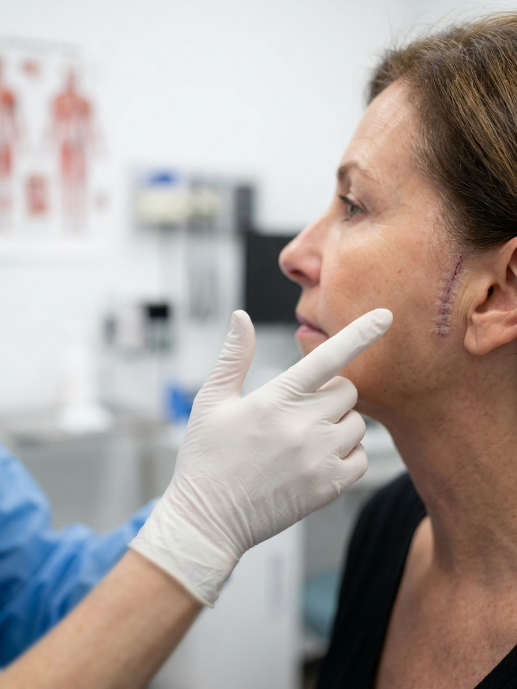
In some cases, fillers are used as a maintenance tool between more significant interventions. For example, patients who have undergone a facelift may use fillers to address minor volume loss that occurs with aging. It is important to follow specific aftercare protocols if you are combining fillers with Botox or other neuromodulators, as the injection depths and recovery needs differ slightly.
When to Contact Your Surgeon
While the vast majority of filler procedures are uneventful, being aware of red flags is a part of responsible aftercare. You should contact Prof. Dr. Selçuk İnanlı‘s clinic immediately if you experience:
- Vascular Compromise: If the skin appears pale, white, or mottled (bluish-purple) and feels cold to the touch, this could indicate a blocked blood vessel.
- Increasing Pain: Pain should decrease after the first few hours. If it intensifies, it may be a sign of infection or other issues.
- Allergic Reaction: Severe itching, hives, or shortness of breath.
- Delayed Swelling: If the area becomes suddenly swollen weeks or months after the procedure, this could be a delayed immune response.
The Role of Collagen-Stimulating Skincare
As you move past the first month of your filler treatment, your focus should shift to supporting your skin’s natural architecture. Ingredients that stimulate collagen and elastin production will work synergistically with your fillers. Peptides, Growth Factors, and Bakuchiol (a gentler alternative to retinol) can be used to improve skin thickness. Thick, healthy skin provides a better “canvas” for fillers, ensuring that the contours created by the injections look smooth and seamless rather than appearing through thin, translucent skin.
Seasonal Considerations for Filler Aftercare
The time of year you receive your treatment can dictate specific skincare needs. In the winter, the air is dry, and indoor heating can strip the skin of moisture. During these months, using a ceramide-rich moisturizer is essential to prevent the skin from becoming brittle, which can make fine lines around the filler more visible. In the summer, the focus must remain on high-level UV protection and cooling the skin to prevent heat-induced swelling.
Final Thoughts on Post-Filler Skin Health
Ultimately, the success of your facial filler treatment depends on a partnership between the skill of the surgeon and your commitment to aftercare. By following these skincare tips after facial fillers, you are not just maintaining an aesthetic change; you are investing in the health and resilience of your skin. Prof. Dr. Selçuk İnanlı recommends a “less is more” approach in the first week, followed by a robust, hydration-focused regimen for the long term. Beautiful results are maintained through discipline, protection, and a deep understanding of how your skin heals and thrives.
Sıkça Sorulan Sorular
How long should I wait to apply makeup after my facial filler injection?
It is generally recommended to wait at least 24 hours before applying any makeup to the treated areas. This waiting period allows the injection sites to close completely, significantly reducing the risk of introducing bacteria into the skin, which could lead to infection. When you do resume makeup application, ensure that your brushes and sponges are thoroughly cleaned. It is also advisable to use a gentle, dabbing motion rather than a heavy rubbing motion to avoid putting unnecessary pressure on the filler while it is still in the early stages of settling into the tissue.
Can I continue using my anti-aging creams with Retinol after fillers?
You should temporarily discontinue the use of Retinol, Retin-A, or any other strong exfoliating acids for about 5 to 7 days after your procedure. These ingredients increase the rate of cell turnover and can cause skin sensitivity, redness, and dryness, which may exacerbate the inflammatory response caused by the injections. Once the initial swelling and any bruising have completely subsided, you can slowly reintroduce these products into your routine. Always consult with your specialist before restarting aggressive treatments to ensure your skin’s barrier is sufficiently healed.
Why does my skin feel tighter or firmer in the areas where the filler was injected?
A feeling of firmness or tightness is quite common in the first few days following a filler treatment. This is usually a combination of the physical presence of the new volume and the surrounding tissue’s inflammatory response (swelling). As the filler integrates with your natural tissues and the initial edema subsides, the area will typically soften and feel much more natural. This process can take anywhere from two to four weeks. If the firmness is accompanied by severe pain, redness, or heat, you should contact your doctor to rule out an infection or a localized reaction.
Is it safe to get a professional facial or massage after getting fillers?
You should avoid professional facials, facial massages, and treatments like chemical peels or microdermabrasion for at least two weeks following your filler injections. These treatments involve manipulation of the facial tissues and significant pressure, which can cause the filler to shift or migrate before it has fully bonded with the surrounding dermis. After the two-week mark, most patients can safely undergo these treatments, which can actually enhance the appearance of the skin and complement the volumizing effects of the filler. Always inform your aesthetician exactly where and when you received your fillers.
Does drinking more water really make my fillers look better?
Yes, hydration is one of the most effective ways to maximize the results of hyaluronic acid-based fillers. Hyaluronic acid is a humectant that can hold up to 1,000 times its weight in water. When you are well-hydrated, the filler particles absorb moisture and expand slightly, providing a smoother and more plump appearance to the skin. Conversely, if you are chronically dehydrated, the filler may appear ‘deflated’ or less effective. Maintaining high internal hydration levels and using topical moisturizers ensures that the filler performs at its peak throughout its lifespan.