Which dermal fillers are used in facial filler applications?
Which Dermal Fillers are Used in Facial Filler Applications?
The quest for youthful, vibrant skin has led to significant advancements in the field of non-surgical aesthetics. Among the most popular and effective treatments today are dermal fillers, which offer a way to restore lost volume, smooth out wrinkles, and enhance facial contours without the need for invasive surgery. However, not all fillers are created equal. Depending on the target area—whether it be the lips, cheeks, or under-eyes—different chemical compositions are required to achieve the most natural and long-lasting results. Understanding which dermal fillers are used in facial filler applications is essential for any patient considering these treatments to ensure safety and aesthetic satisfaction.
The Science of Facial Aging and Volume Loss
As we age, the face undergoes several structural changes. The production of collagen and elastin—the proteins responsible for skin elasticity and firmness—decreases significantly. Furthermore, the subcutaneous fat pads that provide a youthful fullness to the face begin to atrophy and shift downward due to gravity. This leads to the appearance of hollow temples, sagging cheeks, and deeper folds around the mouth, known as nasolabial folds.
To address these concerns, Dermal Filler Applications are utilized to ‘fill’ these voids. By injecting biocompatible substances into various layers of the dermis or even deep onto the bone (supraperiosteal), surgeons can mimic the look of natural fat and bone structure, effectively reversing the visible signs of aging.
Hyaluronic Acid (HA) Fillers: The Gold Standard
When discussing which dermal fillers are used in facial filler applications, Hyaluronic Acid (HA) is undoubtedly the most prominent. HA is a naturally occurring sugar molecule found in the human body, primarily in the skin, connective tissue, and eyes. Its primary function is to retain water, keeping tissues well-lubricated and moist.
Why HA is Preferred
Hyaluronic Acid fillers are the most widely used because of their safety profile and versatility. One of the most significant advantages of HA is that it is reversible. If a patient is unhappy with the result or if a rare complication occurs, an enzyme called hyaluronidase can be injected to dissolve the filler almost instantly.
For more detailed information on this substance, you can explore What is Hyaluronic Acid? to understand why it is the backbone of modern aesthetic medicine.
Common HA Brands and Their Uses
- Juvederm®: This family of fillers includes products like Voluma, Vollure, and Volbella. Each has a different consistency (G-prime). Voluma is thick and ideal for cheek augmentation, while Volbella is thin and perfect for subtle lip enhancement.
- Restylane®: Similar to Juvederm, Restylane offers a range of products such as Lyft for lifting and Kysse specifically designed for the lips. Restylane often uses a technology called XpresHAn, which allows the filler to move naturally with facial expressions.
- Belotero Balance®: Known for its low viscosity, this filler is often used for very superficial fine lines, such as ‘smoker’s lines’ around the mouth, as it integrates seamlessly into the skin tissue without causing a bluish tint known as the Tyndall effect.
Calcium Hydroxylapatite (CaHA): The Structural Enhancer
Another answer to which dermal fillers are used in facial filler applications is Calcium Hydroxylapatite, most commonly known by the brand name Radiesse®. Unlike HA fillers, which are gel-like, CaHA consists of tiny calcium-based microspheres suspended in a water-based gel.
Mechanism of Action
CaHA works in two ways. First, it provides immediate volume to the treated area. Second, it acts as a biostimulator, encouraging the body’s natural production of collagen. Over time, the gel is metabolized, but the new collagen remains, providing a longer-lasting structural framework.
Ideal Application Areas
Because of its thicker consistency and high G-prime (elasticity), Radiesse is typically used for:
* Jawline Contouring: Defining the mandibular angle and straightening the jawline.
* Cheek Augmentation: Providing a high-definition lift.
* Hand Rejuvenation: Filling the hollows on the back of the hands to hide prominent veins and tendons.
Poly-L-lactic Acid (PLLA): The Long-Term Volumizer
Poly-L-lactic Acid, marketed under the brand name Sculptra® Aesthetic, is classified as a stimulatory filler. It is fundamentally different from HA fillers because it does not provide an immediate result. Instead, it is used for ‘global’ facial volumization.
How PLLA Works
PLLA is a synthetic, biodegradable substance that has been used for decades in medical devices like dissolvable stitches. When injected into the face, it causes a mild inflammatory response that triggers fibroblasts to produce new collagen. The results appear gradually over several months and can last up to two years or more.
Who is it for?
PLLA is ideal for patients with significant facial fat loss (lipoatrophy) or those who want a very gradual, subtle improvement that others won’t immediately recognize as a ‘procedure.’ It is frequently used for the temples and the mid-face area.
Polymethylmethacrylate (PMMA): The Permanent Option
For those seeking a more permanent solution, Polymethylmethacrylate (PMMA), sold as Bellafill®, is an option. This filler contains microspheres that are not absorbed by the body, combined with bovine collagen.
Considerations for PMMA
While the idea of a permanent filler is appealing, it comes with risks. If the patient is unhappy with the result, it cannot be easily removed; surgical excision may be required. Therefore, PMMA is usually reserved for deep wrinkles, such as nasolabial folds, or for treating certain types of acne scars. It is rarely used for the lips or under-eye area due to the risk of lumps and nodules.
Autologous Fat Grafting: The Natural Alternative
While technically a surgical procedure, facial fat transfer is often discussed alongside dermal fillers. This involves harvesting fat from the patient’s own body (usually the abdomen or thighs) via liposuction, processing it, and then reinjecting it into the face.
Advantages of Fat Grafting
* Biocompatibility: Since it is the patient’s own tissue, there is zero risk of allergic reaction.
* Longevity: Once the fat ‘takes’ (establishes a blood supply), it can last for many years.
* Stem Cell Benefits: Fat tissue is rich in stem cells, which can improve the overall quality and texture of the overlying skin.
Strategic Application: Targeting Specific Facial Zones
Choosing which dermal fillers are used in facial filler applications depends heavily on the anatomy of the target zone. A ‘one size fits all’ approach often leads to the dreaded ‘pillow face’ or ‘duck lips’ look.
The Tear Trough (Under-Eye Area)
The skin under the eyes is the thinnest on the body. Using a thick filler here can cause swelling and a bluish discoloration. Experts like Prof. Dr. Selçuk İnanlı typically recommend a soft, low-concentration HA filler for this area to ensure a smooth transition between the lower eyelid and the cheek.
Lips and Perioral Area
The lips require a filler that is soft enough to feel natural during movement (talking, eating, kissing) but firm enough to provide shape. HA fillers are the gold standard here. For more insights on the longevity of these treatments, see Can Facial Filler Injections Be Repeated? to understand the maintenance required for lip aesthetics.
Cheeks and Mid-face
To lift the face, a filler with high lifting capacity is needed. Juvederm Voluma or Radiesse are excellent choices for creating the ‘Ogee curve’—the gentle S-curve seen in a youthful profile. For a comprehensive look at the different zones, read about Which areas can be treated with facial fillers?.
The Procedure: What to Expect
A typical dermal filler session with a specialist like Prof. Dr. Selçuk İnanlı begins with a thorough consultation. The face is analyzed in motion and at rest.
- Preparation: The skin is cleansed, and a topical numbing cream may be applied. Many modern fillers already contain lidocaine to minimize discomfort during the injection.
- Injection: The surgeon uses either a fine needle or a blunt-tipped cannula. Cannulas are often preferred in high-risk areas as they reduce the chance of bruising and vascular injury.
- Massaging: The area is gently massaged to ensure the product is distributed evenly.
- Aftercare: Patients are advised to avoid strenuous exercise, excessive heat (saunas), and alcohol for 24–48 hours to minimize swelling.
Safety and Potential Complications
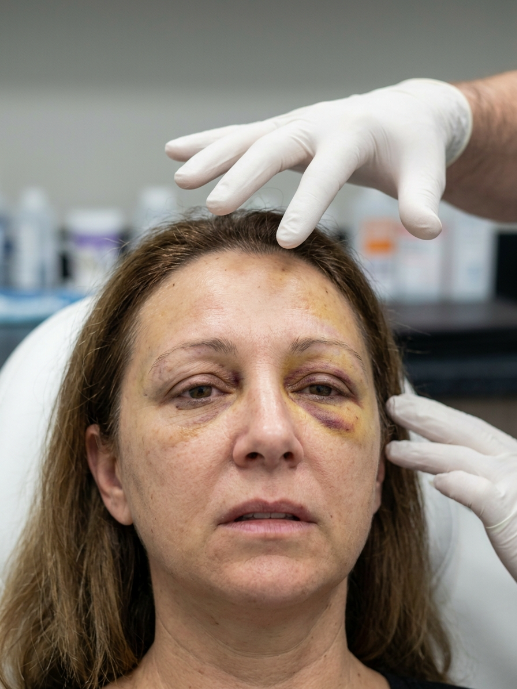
While dermal fillers are generally safe, they are medical procedures that carry risks. The most common side effects include temporary swelling, redness, and bruising. However, more serious complications can occur if the filler is accidentally injected into a blood vessel, leading to skin necrosis or, in extremely rare cases, blindness.
This is why the choice of the injector is paramount. A surgeon with a deep understanding of facial anatomy, such as an ENT and Facial Plastic Surgery Specialist, is best equipped to navigate the complex network of facial arteries and nerves.
Combining Fillers with Other Procedures
Dermal fillers are often used in conjunction with other treatments for a ‘Full Face Rejuvenation.’
* Botox: While fillers restore volume, Botox relaxes the muscles that cause expression lines (like crow’s feet or forehead wrinkles).
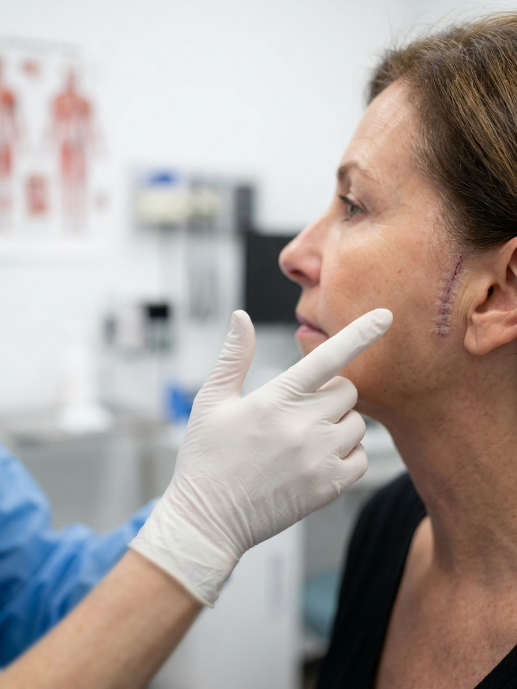
* Facelift Surgeries: For patients with significant skin laxity, fillers alone may not be enough. In such cases, a surgical facelift is performed to reposition deeper tissues, and fillers are used post-operatively to ‘fine-tune’ the volume.
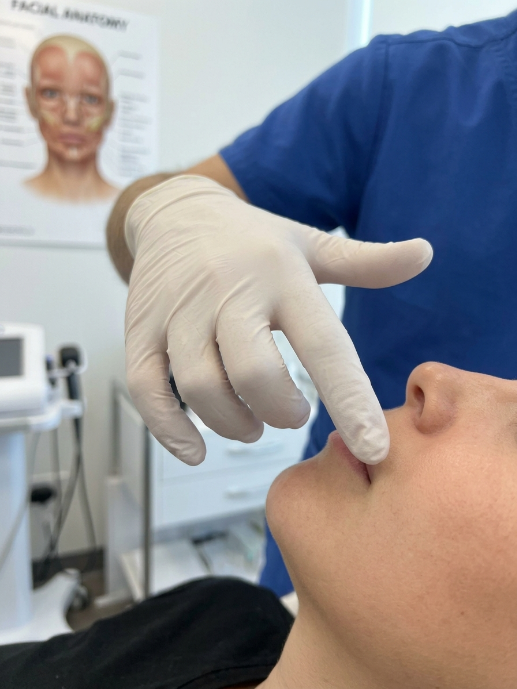
* Rhinoplasty: ‘Non-surgical rhinoplasty’ uses fillers to camouflage a small bump on the bridge of the nose or to lift the nasal tip, though this requires extreme precision.
Why Expertise Matters: Prof. Dr. Selçuk İnanlı
When deciding which dermal fillers are used in facial filler applications, the expertise of the practitioner is the single most important factor. Prof. Dr. Selçuk İnanlı, an ENT specialist certified by the European Academy of Facial Plastic Surgery (EAFPS), brings decades of surgical experience to non-surgical treatments. His philosophy centers on the ‘Golden Ratio,’ ensuring that every injection enhances the patient’s unique features rather than creating an artificial appearance.
By choosing a senior surgeon with international experience, patients can rest assured that they are receiving the highest standard of care, utilizing the latest and safest filler technologies available in the global market.
In the hands of an expert, dermal fillers are not just tools for filling wrinkles; they are instruments of art. Whether you are looking to restore the volume lost over the years or want to refine your natural features, understanding the differences between HA, CaHA, and PLLA will help you engage in an informed discussion with your surgeon. The result should always be a version of yourself that looks rested, healthy, and naturally rejuvenated.
Sıkça Sorulan Sorular
How long do the results of facial fillers typically last?
The longevity of dermal fillers depends largely on the type of material used and the area of the face being treated. Hyaluronic Acid (HA) fillers generally last between 6 to 18 months, with areas of high movement like the lips metabolizing the product faster than static areas like the cheeks or temples. Biostimulatory fillers like Radiesse or Sculptra can provide results that last up to 2 years or more, as they encourage the body to produce its own collagen. Individual metabolism, lifestyle factors such as smoking or sun exposure, and the specific brand of filler also play a significant role in how long the aesthetic improvements remain visible.
Are dermal filler injections painful?
Most patients find dermal filler injections to be very tolerable. To ensure comfort, a high-quality topical numbing cream is usually applied to the skin 20–30 minutes before the procedure. Additionally, many premium filler brands, such as Juvederm and Restylane, are formulated with lidocaine, a local anesthetic that numbs the area from the inside as the product is being injected. Using a blunt-tipped cannula instead of a traditional needle can also significantly reduce discomfort and the risk of bruising. After the treatment, some mild tenderness or ‘tightness’ is normal but typically subsides within a day or two.
Can dermal fillers be reversed if I am unhappy with the result?
Yes, but only if the filler used is made of Hyaluronic Acid (HA). HA fillers can be dissolved using an injectable enzyme called hyaluronidase. This enzyme breaks down the hyaluronic acid molecules within hours, allowing the face to return to its original state. This provides a significant safety net for patients. However, non-HA fillers like Radiesse (Calcium Hydroxylapatite) or Sculptra (Poly-L-lactic Acid) are not reversible and must be allowed to break down naturally over time. For this reason, many practitioners prefer using HA fillers for first-time patients or in delicate areas like the under-eyes and lips.
What is the difference between Botox and dermal fillers?
Botox and dermal fillers are often confused, but they serve very different purposes. Botox is a neuromodulator that temporarily relaxes the muscles responsible for ‘dynamic’ wrinkles—those that appear when you smile, frown, or squint (like crow’s feet and forehead lines). Dermal fillers, on the other hand, are used to treat ‘static’ wrinkles and volume loss. They physically fill in deep folds and hollows or add volume to areas like the cheeks and lips. In many cases, the two treatments are used together in a ‘liquid facelift’ to address both muscle activity and volume depletion for a comprehensive rejuvenation.
What are the risks of getting dermal fillers from an unqualified injector?
Choosing an unqualified or inexperienced injector significantly increases the risk of both aesthetic and medical complications. Aesthetically, poor technique can lead to asymmetry, lumps, or an overfilled, unnatural appearance. Medically, the risks are much more severe; an injector without a deep understanding of facial anatomy could accidentally inject filler into a blood vessel. This can cause a vascular occlusion, leading to skin necrosis (death of the skin tissue) or, in extreme cases, permanent vision loss. To ensure safety, it is vital to seek treatment from a board-certified specialist, such as Prof. Dr. Selçuk İnanlı, who has the surgical expertise to manage the complex anatomy of the face.