SELÇUK İNANLIProfessor of ENT & Head-Neck Surgery

ABOUT PROF. DR. SELÇUK İNANLI

An Individual Approach to Facial Plastic Surgery

Combining science, surgical experience and an appreciation of individual facial harmony.

Prof. Dr. Selçuk İnanlı is a Professor of ENT & Head-Neck Surgery and European Board Certified Facial Plastic Surgeon based in Istanbul, Turkey. His approach brings together careful clinical assessment, functional considerations and personalised surgical planning.
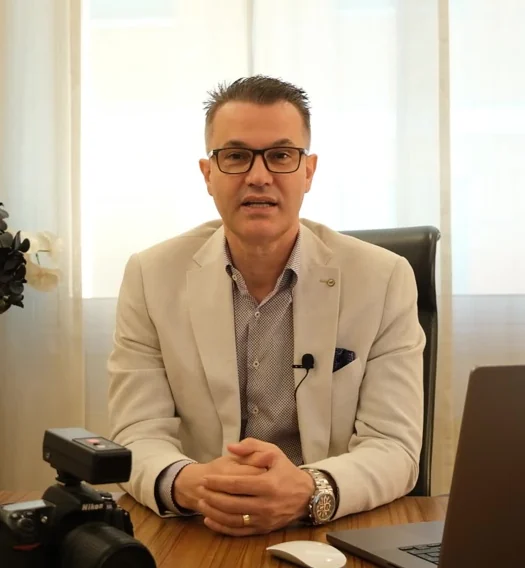
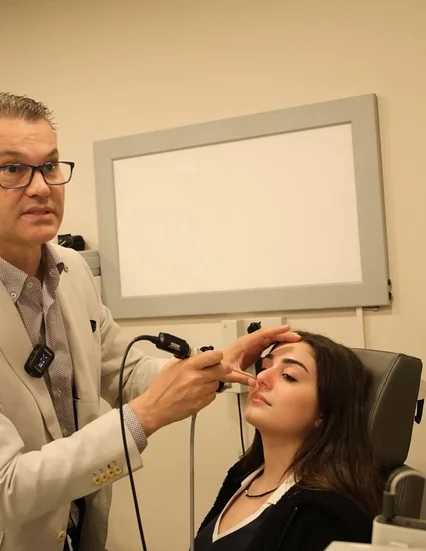
Prof. Dr. Selçuk İnanlı in his consultation room in Istanbul
Professor of ENT& Head-Neck Surgery
European Board CertifiedFacial Plastic Surgeon
Facial PlasticSurgery
Istanbul,Turkey

All consultations and surgical procedures are carried out in Istanbul, Turkey.

Prof. Dr. Selçuk İnanlı examining a patient during consultation

THE SURGEON

Combining Science, Art and Experience

My work is shaped by a background in ENT and a focus on facial plastic surgery. I approach each consultation by listening carefully, examining the relevant anatomy and understanding what matters most to the individual.

In rhinoplasty and other facial procedures, my aim is to develop a surgical plan that respects natural proportions, personal characteristics and, where relevant, function. No two patients share exactly the same anatomy, priorities or expectations.

A PERSONAL INTRODUCTION

Meet Prof. Dr. Selçuk İnanlı

Get to know Prof. Dr. Selçuk İnanlı and his approach to facial plastic surgery in Istanbul.
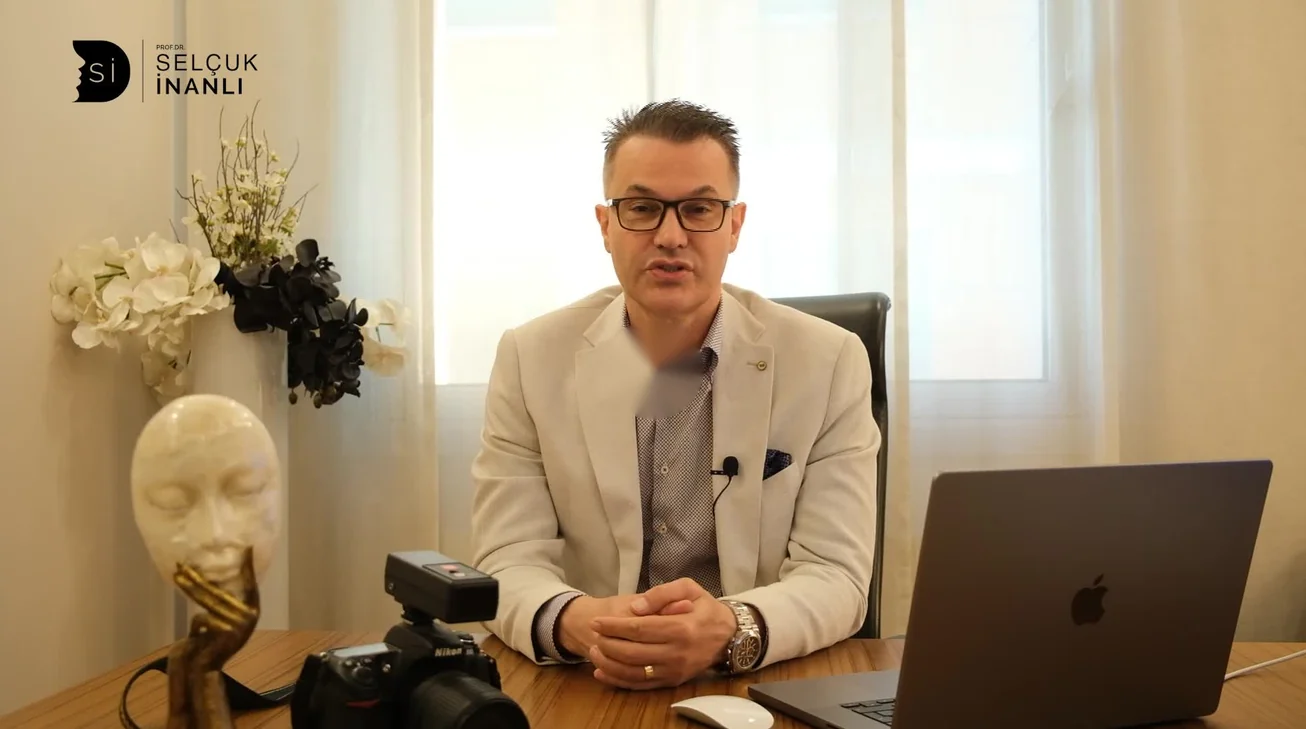
Prof. Dr. Selçuk İnanlı – personal introduction video

MY APPROACH

Thoughtful Planning, Individual Decisions

Good surgical planning begins with a clear understanding of the person, not a predetermined aesthetic template.

01 — Individual Assessment

I consider anatomy, concerns, medical history and personal goals before discussing suitable options.

02 — Natural Proportions

I aim for changes that work with the existing facial features rather than following a single idealised look.

03 — Clear Communication

I explain the potential benefits, limitations and recovery considerations so that decisions can be made with realistic expectations.

AREAS OF FOCUS

A Focus on Facial Harmony

My clinical work includes aesthetic and functional nasal surgery, selected facial procedures and ear surgery, with treatment considered in the context of each patient's needs.

Rhinoplasty & Nasal Surgery

Primary and revision rhinoplasty, septorhinoplasty and selected functional nasal procedures, with attention to nasal anatomy, facial balance and breathing where relevant.

Explore Nose Procedures

Facial Plastic Surgery

Selected facial procedures planned around anatomy, proportions, tissue characteristics and individual goals.

Explore Face Procedures

Otoplasty

Assessment and surgical planning for prominent ears, ear shape and ear asymmetry, with attention to natural appearance.

Explore Otoplasty

THE CONSULTATION

Understanding the Individual Before Planning Surgery

A consultation is an opportunity to discuss concerns, examine relevant anatomy and decide whether a procedure is appropriate.

  1. 01

    Listen

    We begin with your concerns, priorities and what you hope to change or preserve.

  2. 02

    Examine

    I assess the relevant anatomy, tissue characteristics and functional factors where appropriate.

  3. 03

    Discuss Options

    We review possible approaches, limitations, risks and expected recovery considerations.

  4. 04

    Plan Individually

    If surgery is appropriate, the plan is tailored to your anatomy, health and goals.

Prof. Dr. Selçuk İnanlı in the consultation room

SURGICAL PHILOSOPHY

Balance, Character and Function

A natural-looking outcome is not about making every face look the same. It is about considering how a proposed change relates to the individual's existing features and overall proportions.

In nasal surgery, functional assessment is particularly important. Aesthetic goals and breathing-related concerns should be evaluated together when both are relevant. Every procedure also has limitations and risks, which are discussed during consultation.
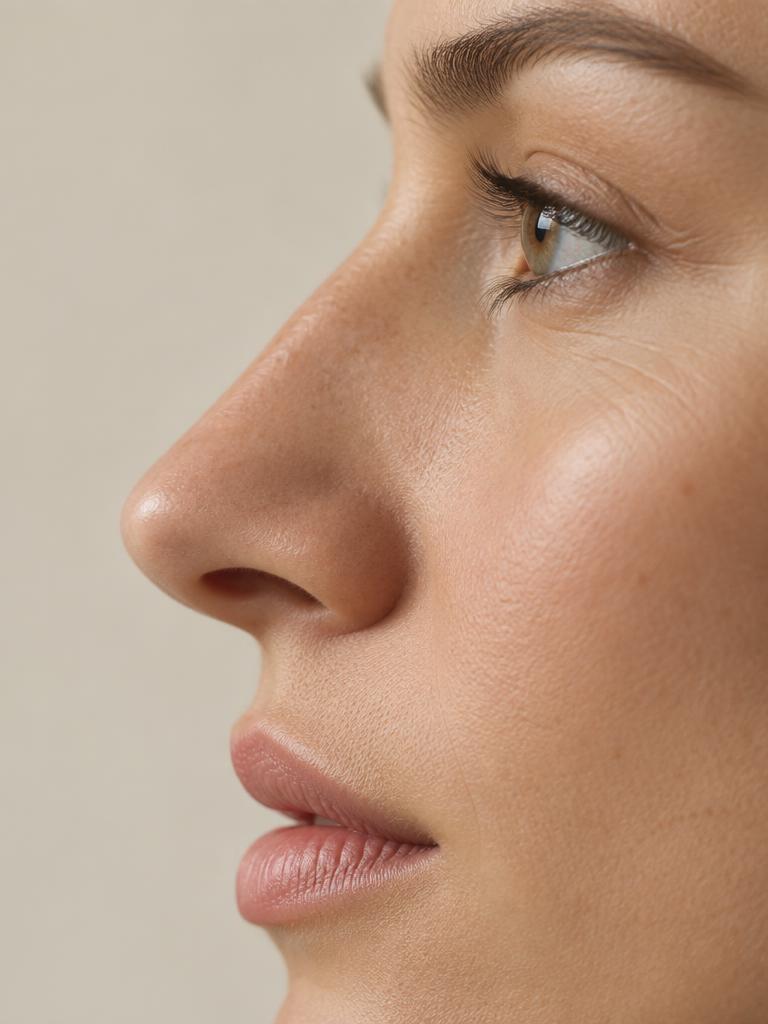
Natural side profile of the nose

PROFESSIONAL BACKGROUND

Academic Training, Teaching and Research

My academic background began with medical training in Istanbul and continued through specialist training and university appointments in ENT and head-neck surgery. Alongside clinical practice, my work has included teaching, professional development and scientific publications, with a particular interest in rhinoplasty and facial plastic surgery.

Education & Academic Appointments

  1. 1989

    Medical Degree

    Graduated from Istanbul University Medical School.

  2. 1995

    Specialist Training

    Completed ENT residency training at Marmara University.

  3. 1999

    Assistant Professor

    Appointed Assistant Professor in the Department of ENT and Head-Neck Surgery at Marmara University.

  4. 2002

    Associate Professor

    Became Associate Professor at Marmara University.

  5. 2004

    International Clinical Observation

    Attended the Department of Facial Plastic Surgery within ENT and Head-Neck Surgery at Harvard Medical School in Boston as an observer fellow.

  6. 2007

    Professor

    Appointed Professor in the Department of ENT and Head-Neck Surgery at Marmara University.

European Board Certification

In 2018, I obtained European Board certification in Facial Plastic Surgery through the European Academy of Facial Plastic Surgery board examination.

Selected Scientific Publications

  1. Inanli S, Sari M, Yanik M. A New Consideration of Scar Formation in Open Rhinoplasty. Journal of Craniofacial Surgery. 2009;20(4):1228–1230.
  2. Inanli S, Sari M, Yanik M. Intraoperative Evaluation and Measurement for Crooked Nose. Journal of Craniofacial Surgery. 2009;20(3):986–987.
  3. Inanli S, Serin G, Kanturk Y. Nasal Tip Suspending Suture Technique: Cat's Nape Suture. Journal of Craniofacial Surgery. 2010;21(3):863–865.
  4. Inanli S, Sari M, Yazici M. Concurrent Functional Endoscopic Sinus Surgery (FESS) and Rhinoplasty. Journal of Craniofacial Surgery. 2008;19(3):701–704.
  5. Inanli S, Tutkun A, Batman C, Okar I, Uneri C, Sehitoglu MA. The Effect of Endoscopic Sinus Surgery on Mucociliary Activity and Healing of Maxillary Sinus Mucosa. Rhinology. 2000;38:120–123.

My publications and conference contributions reflect research interests spanning rhinoplasty, nasal function, sinus surgery and broader ENT and head-neck surgery.

PUBLISHED RESEARCH · AESTHETIC PLASTIC SURGERY

Read the Research, Page by Page.

“A Combined Approach to Crooked Nose Deformity” – a rhinoplasty technique by Prof. Dr. Selçuk İnanlı and Adem Binnetoglu, published in the Journal of the International Society of Aesthetic Plastic Surgery.

View on Springer
International Publications28 peer-reviewed articles, 2000–2016
  1. Kaya H, Kotiloğlu E, İnanlı S, Bozkurt SU, Ekicioğlu G, Tutkun A, Küllü S. Prevalence of human papillomavirus (HPV) DNA in larynx and lung carcinomas. Pathologica. 2001;93:531–534.
  2. İnanlı S, Tutkun A, Batman Ç, Okar İ, Üneri C, Şehitoğlu MA. The effect of endoscopic sinus surgery on mucociliary activity and healing of maxillary sinus mucosa. Rhinology. 2000;38:120–123.
  3. Tutkun A, İnanlı S, Caymaz O, Ayanoğlu E, Duman D. Cardiotoxicity of 5-fluorouracil: two case reports. Auris Nasus Larynx. 2001;28:193–196.
  4. İnanlı S, Tutkun A, Öztürk Ö, Ahıskalı R. Endolymphatic sac tumor: a case report. Auris Nasus Larynx. 2001;28:245–248.
  5. İnanlı S, Öztürk Ö, Batman Ç, Tutkun A, Üneri C, Şehitoğlu MA. The clinical importance of supratubal recess in cholesteatoma surgery. Otology & Neurotology. 2001;22:754–760.
  6. İnanlı S, Öztürk Ö, Korkmaz M, Tutkun A, Batman Ç. The effects of topical agents of fluticasone propionate, oxymetazoline, NaCl 3% and NaCl 0.9% solutions on mucociliary clearance in the therapy of acute sinusitis in vivo. Laryngoscope. 2002;112:320–325.
  7. Yagci A, Ilki A, Akbenlioglu C, Ulger N, Inanli S, Soyletir G, Bakir M. Surveillance of Haemophilus influenzae among respiratory tract samples of Turkish children. Int J Antimicrob Agents. 2003;22(5):548–550.
  8. Ilki A, Ulger N, Inanli S, Ozer E, Arikan C, Bakir M, Soyletir G. Microbiology of sinusitis and the predictive value of throat culture for the aetiology of sinusitis. Clinical Microbiology and Infection. 2005;11(5):407–410.
  9. Ozturk O, Inanli S, Sehitoglu MA. Facial paralysis in a patient with cholesterol cyst of the petrous bone. Otolaryngol Head Neck Surg. 2005;133(4):643.
  10. Ozturk O, Serin GM, Inanli S, Tutkun A. Acute extratemporal facial nerve paralysis after a suicide attempt by hanging. Otolaryngol Head Neck Surg. 2005;133(4):644.
  11. Gerçek A, Umuroğlu T, Sarı M, İnanlı S, Göğüş Y. Is acute external otitis an overlooked problem in intensive care unit? The Internet Journal of Emergency and Intensive Care Medicine. 2005;8(1).
  12. Ozturk O, Polat S, Inanli S, Cakalagaoglu F. Giant orbital cavernous hemangioma: a case report. Otolaryngol Head Neck Surg. 2005;133(1):153–155.
  13. Sezgin S, Kotiloglu E, Kaya H, Inanli S. Extravascular papillary endothelial hyperplasia of the larynx: a case report and review of the literature. Ear Nose Throat J. 2005;84(1):52–53.
  14. Sari M, Serin GM, Inanli S, Kaya H. Condylar metastasis involving TMJ and TMJ dislocation presenting as the initial manifestation of squamous lung cancer. Oral Oncology Extra. 2006;42(6):224–226.
  15. Sari M, Baylancicek S, İnanlı S, Şehitoğlu MA. Unusual presentation and location of thyroglossal duct cyst in a child. Otolaryngol Head Neck Surg. 2007;136:854–855.
  16. Sari M, Yazici M, Baglam T, Inanli S, Eren F. Actinomycosis of the larynx. Acta Otolaryngol. 2007;127(5):550–552.
  17. Sari M, Baylancicek S, Inanli S. Atypical penetrating laryngeal trauma: a bullet in the larynx. European Journal of Emergency Medicine. 2007;14:230–232.
  18. Inanli S, Sari M, Baylançiçek S. The use of expanded polytetrafluoroethylene (Gore-Tex) in rhinoplasty. Aesthetic Plastic Surgery. 2007;31(4):349.
  19. Inanli S, Sari M, Yazıcı M. Concurrent functional endoscopic sinus surgery (FESS) and rhinoplasty. Journal of Craniofacial Surgery. 2008;19(3):701–704.
  20. Inanli S, Sari M, Özdemir N. Closed rhinoplasty with an intercartilaginous mid-marginal incision. Journal of Craniofacial Surgery. 2008;19(6):1658–1659.
  21. Inanli S, Sari M, Yanik M. Intraoperative evaluation and measurement for crooked nose. Journal of Craniofacial Surgery. 2009;20(3):986–987.
  22. Inanli S, Sari M, Yanik M. A new consideration of scar formation in open rhinoplasty. Journal of Craniofacial Surgery. 2009;20(4):1228–1230.
  23. İnanlı S, Serin G, Kantürk Y. Nasal tip suspending suture technique: cat’s nape suture. Journal of Craniofacial Surgery. 2010;21(3):863–865.
  24. Serin GM, Polat S, Aksoy E, İnanlı S. Postoperative wound care regimen in open septorhinoplasty. Journal of Craniofacial Surgery. 2010;21(6):1880–1881.
  25. İnanlı S, Serin GM, Polat S, Aksoy E. Placement technique of extended spreader grafts. Kulak Burun Bogaz Ihtis Derg. 2011;21(6):333–337.
  26. Serin GM, Polat S, Aksoy E, Baylançiçek S, Inanli S. Importance of placing Gore-Tex in the subperiosteal plane for augmentation rhinoplasty. J Craniofac Surg. 2012;23(4):e359–e361.
  27. Serin G, Baylancicek S, Aksoy E, Polat S, Sağlican Y, Inanli S. Evaluation of tissue response to Gore-Tex (expanded polytetrafluoroethylene) implantation. J Craniofac Surg. 2013;24(4):1428–1430.
  28. İnanlı S, Binnetoglu A. A combined approach to crooked nose deformity. Aesthetic Plastic Surgery. 2016;40(3):360–366.
Citations in the International Literature38 citing articles across 12 publications
  1. The effect of endoscopic sinus surgery on mucociliary activity and healing of maxillary sinus mucosaRhinology. 2000;38:120–123

    • Reversal of chronic rhinosinusitis-associated sinonasal ciliary dysfunction Chen B, Antunes MB, Claire SE, et al. American Journal of Rhinology. 2007;21(3):346–353
    • Effect of endoscopic sinus surgery on antral mucociliary clearance Myller J, et al. Rhinology. 2006;44(3):193–196
    • Mucociliary clearance and sense of smell following management of Le Fort maxilla fractures Niedzielska IA, et al. Oral Surgery, Oral Medicine, Oral Pathology, Oral Radiology and Endodontics. 2006;102(3):287–291
    • Mucosal healing and mucociliary transport change after endoscopic sinus surgery in children with chronic maxillary sinusitis Huang HM, et al. International Journal of Pediatric Otorhinolaryngology. 2006;70(8):1361–1367
    • Regional analysis of sinonasal ciliary beat frequency Shaari J, et al. American Journal of Rhinology. 2006;20(2):150–154
    • Effect of surgery on the function of maxillary sinus mucosa Toskala E, et al. European Archives of Oto-Rhino-Laryngology. 2005;262(3):236–240
    • Electron microscopy assessment of the recovery of sinus mucosa after sinus surgery Toskala E, et al. Acta Oto-Laryngologica. 2003;123(8):954–959
    • Wound healing of the nasal and paranasal mucosa: a review Watelet JB, et al. American Journal of Rhinology. 2002;16(2):77–84
  2. Cardiotoxicity of 5-fluorouracil: two case reportsAuris Nasus Larynx. 2001;28:193–196

    • Training enhances vascular relaxation after chemotherapy-induced vasoconstriction Hayward R, et al. Medicine and Science in Sports and Exercise. 2004;36(3):428–434
    • Coronary vasospasm and the regulation of coronary blood flow Konidala S, et al. Progress in Cardiovascular Diseases. 2004;46(4):349–373
  3. Endolymphatic sac tumor: a case reportAuris Nasus Larynx. 2001;28:245–248

    • Differential grading of endolymphatic sac tumor extension by virtue of von Hippel-Lindau disease status Bambakidis NC, et al. Otology & Neurotology. 2004;25(5):773–781
  4. The effects of topical agents of fluticasone propionate, oxymetazoline, NaCl 3% and NaCl 0.9% solutions on mucociliary clearance in the therapy of acute sinusitis in vivoLaryngoscope. 2002;112:320–325

    • Ventilation and aerosolized drug delivery to the paranasal sinuses using pulsating airflow – a preliminary study Möller W, Schuschnig U, Meyer G, et al. Rhinology. 2009;47(4):405–412
    • Effects of topical drops and sprays on mucociliary transport time and nasal air flow Bercin S, Ural A, Kutluhan A. Acta Oto-Laryngologica. 2009;129(11):1257–1261
    • A 51-year-old woman with acute onset of facial pressure, rhinorrhea, and tooth pain: review of acute rhinosinusitis Hwang PH. JAMA. 2009;301(17):1798–1807
    • The effect of dacryocystorhinostomy on mucociliary function Okuyucu S, Akoglu E, Oksuz H, et al. Otolaryngology–Head and Neck Surgery. 2009;140(4):585–588
    • Nasal saline irrigation facilitates control of allergic rhinitis by topical steroid in children Li HB, Sha Q, Zuo KJ, et al. ORL Journal for Oto-Rhino-Laryngology and Its Related Specialties. 2009;71(1):50–55
    • The effects of sulfurous-arsenical-ferruginous thermal water nasal irrigation in wound healing after functional endoscopic sinus surgery for chronic rhinosinusitis: a prospective randomized study Staffieri A, Marino F, Staffieri C, et al. American Journal of Otolaryngology. 2008;29(4):223–229
    • Use of intranasal corticosteroids in sinonasal infection and after surgery Goonetilleke PJP, Gatland DJ. Journal of Laryngology and Otology. 2007;121(7):623–629
    • Clinical practice guideline: adult sinusitis Rosenfeld RM, Andes D, Bhattacharyya N, et al. Otolaryngology–Head and Neck Surgery. 2007;137(3 Suppl):S1–S31
    • European position paper on rhinosinusitis and nasal polyps 2007 Fokkens W, Lund V, Mullol J. Rhinology. 2007;Suppl 20
    • Rhinosinusitis: developing guidance for clinical trials Meltzer EO, et al. Otolaryngology–Head and Neck Surgery. 2006;135(5 Suppl):S31–S80
    • European position paper on rhinosinusitis and nasal polyps Fokkens W, et al. Rhinology. 2005;Suppl 18:1–87
    • EAACI position paper on rhinosinusitis and nasal polyps: executive summary Fokkens W, et al. Allergy. 2005;60(5):583–601
    • Do nasal decongestants relieve symptoms? Allen G, et al. Journal of Family Practice. 2003;52(9):721–722
  5. Surveillance of Haemophilus influenzae among respiratory tract samples of Turkish childrenInt J Antimicrob Agents. 2003;22(5):548–550

    • Major bacteria of community-acquired respiratory tract infections in Turkey Özyılmaz E, et al. Japanese Journal of Infectious Diseases. 2005;58(1):50–52
    • Antimicrobial susceptibility of bacterial pathogens in the oropharynx of healthy school children in Turkey Gazi H, et al. Indian Journal of Medical Research. 2004;120(5):489–494
  6. Microbiology of sinusitis and the predictive value of throat culture for the aetiology of sinusitisClinical Microbiology and Infection. 2005;11(5):407–410

    • Maternal intranasal immunization with outer membrane protein P6 maintains specific antibody level of derived offspring Yamauchi K, et al. Vaccine. 2006;24(25):5294–5299
  7. Unusual presentation and location of thyroglossal duct cyst in a childOtolaryngol Head Neck Surg. 2007;136:854–855

    • Thyroglossal duct cyst: personal experience and literature review Mondin V, Ferlito A, Muzzi E, et al. Auris Nasus Larynx. 2008;35(1):11–25
    • Thyroglossal duct cyst occurring in the floor of the mouth: report of 2 cases Nakayama S, Kimachi KI, Nakayama K, et al. Journal of Oral and Maxillofacial Surgery. 2009;67(12):2690–2693
    • Endoscopic carbon dioxide laser procedure for an endogenous thyroglossal duct cyst Kang HY, Zhang TY, Shao J, et al. International Journal of Pediatric Otorhinolaryngology. 2009;73(7):1011–1014
  8. Actinomycosis of the larynxActa Otolaryngol. 2007;127(5):550–552

    • Frontal sinus actinomycosis presenting as osteomyelitis of frontal bone Wadhera R, Gulati SP, Garg A, et al. Otolaryngology–Head and Neck Surgery. 2008;138(4):544–545
    • Clinical practice guideline: hoarseness (dysphonia) Schwartz SR, Cohen SM, Dailey SH, et al. Otolaryngology–Head and Neck Surgery. 2009;141(3 Suppl 2):S1–S31
  9. Closed rhinoplasty with an intercartilaginous mid-marginal incisionJournal of Craniofacial Surgery. 2008;19(6):1658–1659

    • Rhinoplasty at the global crossroads Apaydin F. Archives of Facial Plastic Surgery. 2009;11(6):421–423
  10. A new consideration of scar formation in open rhinoplastyJournal of Craniofacial Surgery. 2009;20(4):1228–1230

    • Rhinoplasty at the global crossroads Apaydin F. Archives of Facial Plastic Surgery. 2009;11(6):421–423
  11. Concurrent functional endoscopic sinus surgery (FESS) and rhinoplastyJournal of Craniofacial Surgery. 2008;19(3):701–704

    • Trends in functional rhinoplasty 2008 Lee J, Constantinides M. Current Opinion in Otolaryngology & Head and Neck Surgery. 2009;17(4):295–301
    • Surgical and nonsurgical treatments of the nasal valves Lee J, White WM, Constantinides M. Otolaryngologic Clinics of North America. 2009;42(3):495
  12. The use of expanded polytetrafluoroethylene (Gore-Tex) in rhinoplastyAesthetic Plastic Surgery. 2007;31(4):349

    • Rhinoplasty at the global crossroads Apaydin F. Archives of Facial Plastic Surgery. 2009;11(6):421–423
    • Ultrasonographic monitoring of implant thickness after augmentation rhinoplasty with expanded polytetrafluoroethylene Jung YG, Kim HY, Dhong HJ, et al. American Journal of Rhinology & Allergy. 2009;23(1):105–110

Selected citing articles as listed in Prof. Dr. Selçuk İnanlı’s citation record.

INTERNATIONAL PATIENTS

Planning Your Consultation in Istanbul

For patients travelling from abroad, clear communication before the visit helps establish the purpose of the consultation and the next steps. Clinical assessment, suitability for surgery, timing and follow-up requirements are discussed individually.

International Patient Information

All consultations and surgical procedures are carried out in Istanbul, Turkey.

Prof. Dr. Selçuk İnanlı at his clinic in Istanbul

FREQUENTLY ASKED QUESTIONS

Frequently Asked Questions

What is Prof. Dr. Selçuk İnanlı's specialty?

He is a Professor of ENT & Head-Neck Surgery and European Board Certified Facial Plastic Surgeon, with a clinical focus that includes rhinoplasty and facial plastic surgery.

Where are consultations and surgical procedures carried out?

All consultations and surgical procedures are carried out in Istanbul, Turkey.

Does Prof. Dr. Selçuk İnanlı perform revision rhinoplasty?

Yes. Revision rhinoplasty is among the procedures considered within his clinical practice. Suitability and planning depend on individual anatomy, previous surgery and clinical assessment.

Is breathing function considered during rhinoplasty planning?

Yes. Nasal function and breathing-related concerns are assessed when relevant, alongside aesthetic goals and the findings of the examination.

How is an individual surgical plan developed?

Planning begins with a discussion of concerns and goals, followed by an assessment of anatomy, health factors, possible approaches and realistic expectations.

Can international patients request a consultation?

Yes. International patients may make an initial enquiry and share relevant information before arranging the appropriate consultation process in Istanbul.

Are natural-looking results a priority?

The planning approach considers individual facial proportions and characteristics. Outcomes vary, and no particular aesthetic result can be guaranteed.

How can I contact the practice?

You can use the Book Consultation option or the contact information provided on this website to enquire about an assessment.

Portrait of Prof. Dr. Selçuk İnanlı

TAKE THE NEXT STEP

Begin with an Individual Consultation

If you are considering rhinoplasty or another facial procedure, a consultation is the starting point for discussing your concerns, understanding the available options and assessing suitability.

WhatsApp

Contact Form

Send your question to the practice. You will be contacted by email or phone.

Aesthetic Plastic Surgery · 2016

Click the pages, swipe or use the arrow keys to turn the pages.