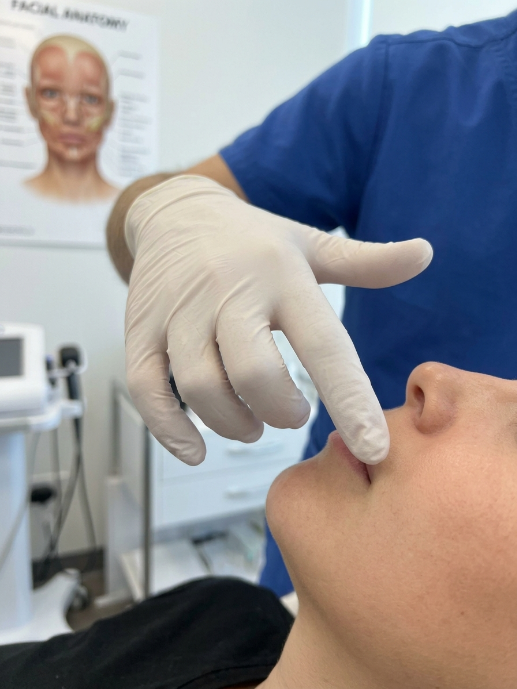
What are the causes of nasal congestion? How is nasal congestion treated?
What are the Causes of Nasal Congestion? How is the Congested Nose Treatment?
Understanding the Complexity of Nasal Congestion
Nasal congestion, often referred to as a stuffy nose, is much more than a simple inconvenience. It is a clinical condition where the tissues lining the nose become swollen due to inflamed blood vessels. This swelling, combined with excess mucus production, obstructs the airflow, making breathing a conscious and difficult effort. For many, this leads to secondary symptoms such as headaches, sleep disturbances, and a significant decrease in daily productivity.
To understand what are the causes of nasal congestion, one must look at the delicate balance of the nasal anatomy. The nose serves as the primary gateway for the respiratory system, filtering, warming, and humidifying the air we breathe. When this gateway is narrowed or blocked, the entire body feels the impact. Whether the cause is structural, such as a what is septum deviation, or inflammatory, such as chronic sinusitis, identifying the root cause is the first step toward effective relief.
The Anatomy of Breathing: Why the Nose Clogs
The internal structure of the nose is composed of the nasal septum (the wall of cartilage and bone dividing the nostrils), the turbinates (bony structures that help regulate airflow), and the sinus cavities. Under normal conditions, these structures work in harmony. However, various factors can trigger a “nasal cycle” where one side becomes more congested than the other periodically. When this cycle is disrupted by illness or structural defects, chronic congestion occurs.
What are the Causes of Nasal Congestion?
Identifying the specific triggers for a blocked nose is essential for determining how is the congested nose treatment administered. The causes generally fall into three categories: structural issues, infections/inflammations, and environmental triggers.
1. Structural Abnormalities
Structural causes are permanent and typically require surgical intervention to correct. The most common structural issue is a deviated septum. This occurs when the thin wall between your nostrils is displaced to one side, making one nasal passage smaller than the other. This can lead to reduced airflow and, in severe cases, crusting or bleeding.
Another significant structural cause is turbinate hypertrophy. The turbinates (concha) are small structures inside the nose that cleanse and humidify air. If they become chronically enlarged due to allergies or irritation, they significantly block the nasal airway. Furthermore, nasal valve collapse—the narrowing of the narrowest part of the nasal airway—can occur naturally or as a result of previous trauma or surgery, leading to a persistent feeling of obstruction.
2. Inflammatory and Allergic Triggers
Allergic rhinitis, commonly known as hay fever, is a leading cause of nasal congestion. When the immune system overreacts to allergens like pollen, dust mites, or pet dander, it triggers the release of histamines. This leads to immediate swelling of the nasal mucosa and increased mucus production.
In addition to allergies, nasal polyps are noncancerous growths on the lining of the nasal passages or sinuses. These polyps are often the result of chronic inflammation and can act like small curtains, physically blocking the passage of air. They are frequently associated with asthma and recurring infections.
3. Chronic and Acute Infections
Sinusitis (sinus infection) occurs when the cavities around the nasal passages become inflamed and swollen. This interferes with drainage and causes mucus to build up. Chronic sinusitis can last for 12 weeks or longer despite treatment attempts. In many cases, Endoscopic Sinus Surgery is required to clear the blockages and restore natural drainage pathways.
Viral infections, such as the common cold or influenza, cause temporary but intense congestion. These viruses trigger an inflammatory response that increases blood flow to the nasal area, causing the vessels to expand and the tissues to swell.
How is the Congested Nose Treatment?
Once a specialist like Prof. Dr. Selçuk İnanlı performs a comprehensive examination—often involving nasal endoscopy or imaging—a tailored treatment plan is developed. The approach depends entirely on whether the cause is medical (inflammatory) or structural.
Medical and Non-Surgical Treatments
For congestion caused by allergies or temporary infections, medical management is the first line of defense. This includes:
* Intranasal Corticosteroids: These sprays reduce inflammation in the nasal lining and are highly effective for allergic rhinitis and polyps.
* Antihistamines: Available in oral or spray form, these help neutralize the immune response to allergens.
* Saline Irrigations: Using a neti pot or saline spray helps clear out thick mucus and allergens from the nasal passages.
* Decongestants: These provide short-term relief by shrinking the swollen blood vessels in the nose. However, they should not be used for more than three days to avoid rhinitis medicamentosa (rebound congestion).
Surgical Interventions for Permanent Relief
When medical treatments fail or when the cause is purely structural, surgery offers a permanent solution for restoring the quality of life.
Septoplasty
Septoplasty is the surgical procedure used to straighten a deviated septum. By repositioning the cartilage and bone to the midline, the surgeon opens up the nasal passages. This procedure is functional and does not change the external appearance of the nose unless combined with Rhinoplasty.
Turbinate Reduction (Conchaplasty)
If the turbinates are the primary source of the blockage, they can be reduced in size using various techniques, such as radiofrequency ablation or microdebrider resection. This creates more space for air to flow without compromising the turbinates’ essential function of humidifying air.
Functional Rhinoplasty
In cases where the external shape of the nose or a weak nasal valve contributes to breathing difficulties, Functional Rhinoplasty is performed. Prof. Dr. Selçuk İnanlı specializes in balancing both the aesthetic and functional aspects of the nose. Using advanced techniques like Piezo (Ultrasonic) surgery, the nasal bones can be reshaped with extreme precision, minimizing tissue damage and accelerating the recovery process.
Endoscopic Sinus Surgery (FESS)
For patients suffering from chronic sinusitis or polyps that do not respond to medication, Functional Endoscopic Sinus Surgery is the gold standard. Using tiny cameras and specialized instruments, the surgeon removes the diseased tissue or polyps and widens the sinus openings to ensure proper ventilation.
The Role of Advanced Technology in Treatment
Modern ENT surgery has been revolutionized by technology. Micrometric Rhinoplasty and Ultrasonic (Piezo) bone shaping allow surgeons to address the causes of nasal congestion with unprecedented accuracy. Unlike traditional methods that use hammers and chisels, Piezo technology uses ultrasonic vibrations to cut bone while leaving soft tissues, nerves, and blood vessels completely unharmed. This results in significantly less bruising, swelling, and a much faster return to daily life for the patient.
Lifestyle Adjustments and Home Care
While professional treatment is vital, certain lifestyle changes can help manage symptoms of congestion:
- Humidity Control: Using a humidifier in the bedroom can prevent the nasal passages from drying out, which often triggers swelling.
- Hydration: Drinking plenty of fluids keeps the mucus thin, making it easier to drain.
- Elevation: Sleeping with the head slightly elevated can reduce the pooling of blood in the nasal vessels, decreasing nighttime stuffiness.
- Allergen Avoidance: Using HEPA filters and keeping windows closed during high pollen seasons can mitigate allergic triggers.
When Should You See an ENT Specialist?
You should seek a consultation with a specialist like Prof. Dr. Selçuk İnanlı if you experience any of the following:
* Congestion that lasts longer than two weeks and does not respond to over-the-counter medicine.
* Difficulty breathing that affects your sleep or leads to snoring and sleep apnea.
* Persistent pressure or pain in the face and forehead.
* Nasal congestion accompanied by a high fever or yellow/green discharge.
* A noticeable deformity in the nose following an injury.
Chronic nasal obstruction is not something you have to live with. With the right diagnosis and a combination of medical or surgical expertise, clear breathing is an achievable goal. By addressing the causes of nasal congestion through modern, patient-centric methods, you can restore your health and improve your overall quality of life.
Sıkça Sorulan Sorular
Can nasal congestion cause long-term health problems if left untreated?
Yes, chronic nasal congestion can lead to several secondary health issues. When you cannot breathe through your nose, you become a ‘mouth breather,’ which bypasses the natural filtration and humidification system of the nose. This can lead to chronic dry mouth, dental problems, and increased susceptibility to throat infections. More importantly, persistent obstruction is a major contributor to obstructive sleep apnea (OSA), which is linked to cardiovascular strain, high blood pressure, and chronic fatigue due to poor oxygenation during sleep.
Is the recovery process for nasal surgery painful?
With modern surgical techniques, particularly the Piezo (ultrasonic) method used by Prof. Dr. Selçuk İnanlı, the recovery process is significantly more comfortable than in the past. Most patients report a feeling of pressure or ‘fullness’ rather than sharp pain. The use of soft silicone splints instead of traditional gauze packing allows for some breathing through the nose immediately after surgery and makes the removal process painless. Most swelling and bruising subside within the first week, and patients can typically return to social life shortly after.
How do I know if my congestion is caused by allergies or a structural issue?
A key indicator is the ‘consistency’ of the blockage. If your congestion comes and goes with the seasons, is accompanied by sneezing and itchy eyes, or responds well to antihistamines, it is likely allergic. However, if the blockage is always on the same side, does not change with medication, or follows a physical trauma to the face, it is likely a structural issue like a deviated septum. A definitive diagnosis requires a nasal endoscopy performed by an ENT specialist to visualize the internal structures clearly.
Can I have both a functional septoplasty and an aesthetic rhinoplasty at the same time?
Absolutely. This combined procedure is known as a Septorhinoplasty. It is often the most efficient approach because the cartilage removed during the functional part of the surgery (septoplasty) can be used as grafts to support the aesthetic reshaping of the nose (rhinoplasty). Performing both simultaneously ensures that the nose not only looks beautiful but also functions perfectly, providing the patient with both a boost in self-confidence and a significant improvement in breathing.
What is the success rate of surgery for chronic nasal congestion?
The success rate for procedures like septoplasty and turbinate reduction is very high, often exceeding 90% in terms of patient satisfaction and improved airflow. Success depends heavily on an accurate initial diagnosis and the skill of the surgeon. When structural obstructions are correctly identified and removed, the relief is usually permanent. However, for patients with underlying allergies, ongoing medical management may still be needed to keep the nasal lining healthy after the physical blockages are cleared.