What Happens If the Curvature of the Nose is not Treated?
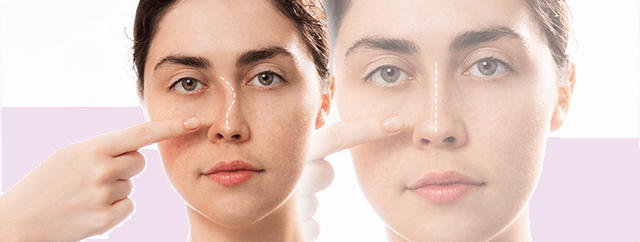
Nasal bone curvature is one of the conditions seen when the septum, which is located in the center of the channels inside the nostrils, shifts to one side. Septum deviation is generally a condition that occurs from birth, but it can also happen due to accidents and trauma.
With nasal bone deviation, the airflow into both nostrils is reduced, leading to dryness in the mucous membrane. Crusting and bleeding can follow this problem.
Deviated septum is a common problem encountered in our country. Patients with this condition cannot perform nasal breathing efficiently, meaning that their breathing function becomes difficult. Deviation that reduces the quality of life can be corrected with nasal bone deviation surgery. If you are experiencing this problem, you can consult with Prof. Dr. Selçuk İnanlı without wasting time.
What are the Causes of Nasal Bone Deviation?
The question of what causes nasal cartilage deviation is one of the most searched questions on the internet. The following factors are among the most common causes of this condition:
- Difficulty during birth.
- Injuries to the nose and face.
- Aging.
- Infections.
In addition, you can think of nasal bone deviation as a part of your development. As you age, your nose also grows, which can cause the septum to shift right or left. This is one of the most common reasons in deviated septum cases. Also, people involved in contact sports and those who drive motor vehicles without proper protection are at risk.
What are the Symptoms of Nasal Cartilage Deviation?
Nasal septum deviation refers to the condition where the cartilage and bone that separate the nostrils are not straight or aligned inside the nose due to the septum being in the wrong place. The severity of this condition can vary and can lead to various symptoms.
One of the most common symptoms is difficulty breathing through one or both nostrils, as the deviation obstructs the airflow and creates a sensation of blockage, making it difficult to breathe properly.
The bending of the septum can create gaps that may accumulate mucus and increase the risk of sinus infections. This can cause pressure on nasal tissues and surrounding structures, leading to facial or headaches. Excessive mucus production can also create a feeling of stuffiness in the throat. Additionally, snoring and difficulty breathing during sleep can disrupt sleep patterns and cause sleep problems.
It should be noted that some people may have nasal bone deviation but may not experience any noticeable symptoms. If you suspect you have a nasal bone deviation or experience the symptoms mentioned above, it is essential to be properly evaluated and treated by a specialist. Treatment will be planned based on the severity of the case and its impact on your quality of life.
How is Nasal Bone Deviation Surgery Performed?
Nasal bone deviation surgery is typically performed by an Ear, Nose, and Throat (ENT) specialist. It is advised to wait until the completion of the development process, which is around 18 years for males and usually 16 years for females. For a comfortable and successful procedure, general anesthesia is administered so that you won’t feel any pain and will be asleep throughout the operation. The surgeon makes an incision in the septum to access the bone and cartilage tissue. After opening the nasal passage, the necessary interventions are made.
With today’s medical capabilities, nasal bone deviation surgery is a relatively easy and safe procedure that takes an average of 2 hours. Reviews from individuals who have undergone septoplasty show that they are quite satisfied with the results. You will be discharged on the same day of the practice. Rarely, there may be a recurrence of the problem in the follow-up period. It’s important to avoid strenuous sports for a certain period and be cautious while sneezing and lying down. Adhering to the precautions given by your specialist will ensure a smooth recovery process.
Post-Operative Period After Nasal Bone Deviation Surgery
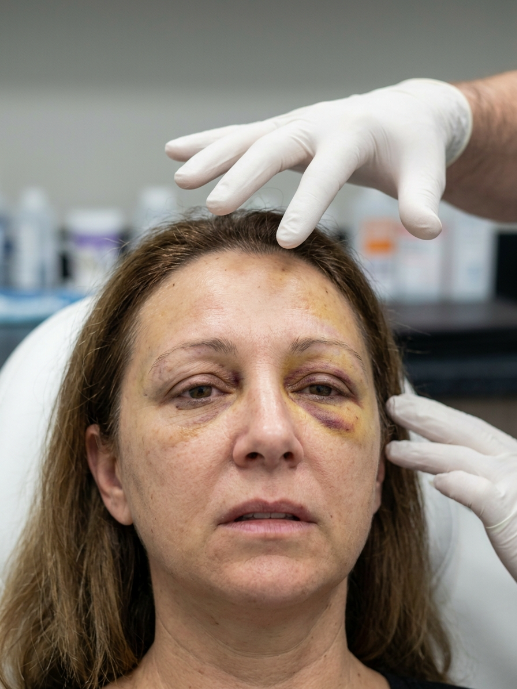
In the post-op period after deviated septum surgery, silicone splints placed in the surgical area may cause swelling, bleeding, and clotting for a certain time. However, there is no need to worry if you encounter these symptoms. During the first few days, you should consume soft and liquid foods. Drinking warm water and avoiding drying your lips is also advised.
During rest and sleep, you should keep your head elevated. If you notice unusual bleeding, you should contact your specialist immediately. The nasal tampon will usually be removed after about a week. From that point on, you can comfortably breathe through your nose. Protecting your nose from external factors and injuries is another important aspect to consider after nasal bone deviation surgery. Refrain from using glasses for the duration recommended by your specialist. Be gentle when brushing your teeth. Avoid exposing yourself, especially your facial area, to direct sunlight for extended periods.
Nasal bone deviation is a condition that can have harmful effects, and although it may not apply to every case, it is usually recommended to be treated. Difficulty in breathing can lead to significant problems in all aspects of daily life. To lead a more comfortable and convenient life, you can confidently opt for this safe procedure. When you observe the symptoms and feel restricted in your actions, seeking help promptly is essential. For more detailed information about the surgery, including its cost, you can reach out to Prof. Dr. Selçuk İnanlı, one of the most successful experts in Istanbul in this field.
What Happens If the Curvature of the Nose is not Treated? Long-Term Risks & Health Impacts
Understanding Nasal Curvature and the Deviated Septum
The nasal septum is the wall of bone and cartilage that divides your nostrils into two separate passages. Ideally, this wall sits exactly in the center, providing equal space for airflow on both sides. However, for a vast majority of the population, the septum is slightly off-center. When this shift is significant, it is medically referred to as a deviated septum or nasal curvature. While many people live with minor deviations without ever realizing it, a severe curvature can lead to a cascade of health issues that extend far beyond simple nasal congestion.
If you have ever wondered what is a deviated septum and why it matters, you must understand that the nose is the primary gateway for oxygen. Any structural abnormality here affects the entire respiratory system. When the curvature is left untreated, the body attempts to compensate in ways that can lead to chronic illness, structural damage to the face, and even cardiovascular strain. Under the expertise of Prof. Dr. Selçuk İnanlı, patients often discover that what they thought was a simple ‘stuffy nose’ is actually a structural deformity requiring surgical intervention.
Chronic Respiratory Complications
The most immediate consequence of an untreated nasal curvature is nasal airway obstruction. This obstruction is not just a nuisance; it fundamentally changes how you breathe. When one nasal passage is significantly narrower than the other, the airflow becomes turbulent rather than laminar. This turbulence dries out the delicate nasal mucosa, leading to frequent crusting and even spontaneous nosebleeds.
The Cycle of Chronic Sinusitis
A deviated septum often blocks the natural drainage pathways of the sinuses. When the ostia (sinus openings) are obstructed by a curved bone or cartilage, mucus cannot drain freely. This stagnant mucus becomes a breeding ground for bacteria, leading to chronic sinusitis. Patients with untreated nasal curvature often find themselves in a cycle of antibiotic use that only provides temporary relief because the underlying structural issue—the ‘wall’ blocking the drain—remains. Over time, this chronic inflammation can lead to the development of nasal polyps, further complicating the ability to breathe.
Post-Nasal Drip and Throat Irritation
When the nose cannot process mucus correctly due to curvature, the excess fluid often drains down the back of the throat. This is known as post-nasal drip. If left untreated, this constant irritation can lead to a chronic cough, a persistent ‘lump in the throat’ sensation, and frequent sore throats. In many cases, patients seek treatment for throat issues without realizing the root cause is actually the structural curvature of their nose.
The Dangers of Mouth Breathing
When nasal passages are blocked, the body instinctively switches to mouth breathing. While this provides a temporary fix for oxygen intake, the human mouth is not designed to be the primary respiratory organ. The nose serves to filter, humidify, and warm the air before it reaches the lungs. Mouth breathing bypasses these critical steps.
Dental and Oral Health Decline
Chronic mouth breathing dries out the oral cavity, reducing the protective effects of saliva. This leads to an increase in oral bacteria, resulting in bad breath (halitosis), a higher risk of cavities, and gum disease. In children, untreated nasal curvature and subsequent mouth breathing can even alter the development of the jaw and the alignment of the teeth, often requiring extensive orthodontic work later in life.
Lung and Bronchial Sensitivity
Because the air is not filtered or humidified by the nose, mouth breathers often suffer from more frequent chest infections and heightened sensitivity to allergens. The cold, dry air hitting the lungs directly can trigger asthma-like symptoms or chronic bronchitis. Treating the curvature through Septoplasty treatment is often the only way to restore natural, healthy nasal breathing.
Sleep Disorders and Obstructive Sleep Apnea (OSA)
Perhaps the most ‘silent’ but dangerous consequence of untreated nasal curvature is its impact on sleep. Quality sleep requires an unobstructed airway. A deviated septum is a leading contributor to snoring and, more severely, Obstructive Sleep Apnea (OSA).
The Strain on the Cardiovascular System
When you suffer from sleep apnea due to nasal obstruction, your breathing repeatedly stops and starts during the night. This causes oxygen levels in the blood to drop, triggering a stress response in the body. The heart must work harder to circulate oxygen, leading to increased blood pressure (hypertension). Over years, untreated nasal curvature can contribute to an enlarged heart and an increased risk of stroke or heart attack.
Chronic Fatigue and Cognitive Decline
Patients with untreated deviation often wake up feeling unrefreshed. This chronic sleep deprivation leads to daytime sleepiness, irritability, and a lack of focus. In professional environments, this can manifest as decreased productivity, while in daily life, it increases the risk of accidents. Restoring the airway is not just about comfort; it is about protecting your long-term neurological and cardiovascular health.
Structural Changes: Compensatory Turbinate Hypertrophy
The body is a master of adaptation, but its adaptations are not always beneficial. When one side of the nose is blocked by a curvature, the other side—the ‘wide’ side—is forced to handle the majority of the airflow. To protect the lungs from too much dry air, the nasal turbinates (structures that humidify air) on the wide side often swell up. This is called compensatory turbinate hypertrophy.
Eventually, the patient ends up with a nose that is blocked on both sides: one side by the bone/cartilage curvature and the other side by swollen soft tissue. At this stage, nasal sprays and decongestants become useless. This is why it is critical to understand how nasal congestion treated by a specialist involves addressing both the bone and the soft tissue simultaneously.
Aesthetic and Psychological Impacts
While many view nasal curvature as a functional problem, it often has an aesthetic component. A severely deviated septum can cause the entire nose to look ‘crooked’ or ‘shifted’ to one side. This can lead to facial asymmetry, which many patients find distressing.
The Role of Rhinoplasty
In many cases, the internal curvature is so severe that it affects the external bridge of the nose. To fully fix the breathing issue, the external structure must also be realigned. This is where Rhinoplasty or Septorhinoplasty comes into play. By straightening the nose, the surgeon can ensure the internal passages are opened while also restoring facial harmony.
Impact on Self-Confidence
Living with a visibly crooked nose or a voice that always sounds ‘nasal’ and congested can take a toll on a person’s self-esteem. Social anxiety and a lack of confidence in one’s appearance are common among individuals with significant nasal deformities. Correcting the curvature often provides a dual benefit: the patient can breathe for the first time in years, and they feel a renewed sense of confidence in their physical appearance.
Reduced Sense of Smell and Taste
Our sense of smell (olfaction) is dependent on air reaching the olfactory nerves located high in the nasal cavity. When a septum is curved, it can block the path of odor molecules. A reduced sense of smell (hyposmia) directly impacts the sense of taste, as most of what we perceive as ‘flavor’ is actually aroma.
If the curvature is not treated, this sensory loss can become permanent or lead to safety risks, such as the inability to smell smoke or spoiled food. Furthermore, the loss of the pleasure derived from eating can lead to nutritional imbalances or a decreased quality of life.
Eustachian Tube Dysfunction and Ear Problems
The nose and ears are closely connected via the Eustachian tubes. Chronic inflammation and pressure imbalances caused by a deviated septum can prevent these tubes from opening and closing correctly. This leads to a sensation of ‘clogged ears,’ frequent ear infections, and even hearing fluctuations. For divers or frequent flyers, an untreated nasal curvature can make pressure equalization impossible, leading to painful barotrauma.
Why Professional Evaluation is Essential
Many people delay treatment because they fear surgery or believe their symptoms are ‘just allergies.’ However, a structural problem cannot be solved with medicine. Prof. Dr. Selçuk İnanlı, an ENT specialist certified by the European Academy of Facial Plastic Surgery (EAFPS), emphasizes that early diagnosis can prevent the secondary complications mentioned above.
Modern surgical techniques, such as Piezo Rhinoplasty (using ultrasonic waves to reshape bone without damaging soft tissue), have made the recovery process much faster and more comfortable. Waiting until the heart is strained or the sinuses are permanently damaged only makes the eventual treatment more complex.
The Surgical Solution: Septoplasty vs. Septorhinoplasty
When a patient decides to address their nasal curvature, there are two primary surgical paths:
- Septoplasty: This is a purely functional procedure performed entirely inside the nostrils. The surgeon repositions or removes portions of the bent cartilage and bone to clear the airway. It does not change the outward appearance of the nose.
- Septorhinoplasty: This is performed when the curvature is so severe that it affects the external shape of the nose or when the patient desires aesthetic improvement alongside functional relief.
Both procedures aim to restore the nasal valve function and ensure that the patient can enjoy the benefits of deep, restorative nasal breathing. Following the operation, patients typically report an immediate improvement in sleep quality, energy levels, and a significant reduction in sinus-related headaches.
Summary of Risks if Left Untreated
To recap, ignoring a significant nasal curvature can lead to:
* Permanent Sinus Damage: Irreversible thickening of the sinus linings.
* Cardiovascular Stress: High blood pressure and heart strain due to low oxygen.
* Dental Decay: Caused by chronic mouth breathing and dry mouth.
* Facial Deformity: Worsening of the ‘crooked’ look as the cartilage continues to age and weaken.
* Quality of Life Decline: Chronic headaches, fatigue, and loss of sensory perception.
Taking the step to consult with a world-class surgeon like Prof. Dr. Selçuk İnanlı is the first step toward a healthier, more vibrant life. Your nose is not just a facial feature; it is a vital organ that dictates the health of your entire body.
Sıkça Sorulan Sorular
Can a deviated septum get worse over time if left untreated?
Yes, a nasal curvature or deviated septum can indeed worsen as you age. While the bone and cartilage themselves might not move significantly, the natural aging process causes the nasal structures to lose elasticity and weaken. This can cause the existing deviation to become more pronounced, leading to increased airway obstruction. Additionally, the body’s compensatory mechanisms, such as turbinate hypertrophy (swelling of the nasal lining), tend to progress over time, making it harder to breathe through the nose as the years go by.
Is it possible to treat nasal curvature without surgery?
Non-surgical treatments like nasal steroid sprays, antihistamines, and decongestants can help manage the symptoms of a deviated septum, such as inflammation and mucus buildup. However, these treatments cannot correct the physical structure of the bone or cartilage. If the curvature is causing significant breathing issues, sleep apnea, or chronic infections, surgery is usually the only permanent solution. Relying solely on medication for a structural problem often leads to long-term dependency on drugs that may have side effects.
How does an untreated deviated septum affect the heart?
An untreated deviated septum can lead to chronic mouth breathing and Obstructive Sleep Apnea (OSA). During sleep apnea, your blood oxygen levels drop repeatedly throughout the night. This forces the heart to pump harder and faster to compensate for the lack of oxygen, which significantly increases blood pressure and puts immense strain on the cardiovascular system. Over time, this can lead to serious conditions such as pulmonary hypertension, heart arrhythmias, and an increased risk of heart failure.
Can nasal curvature cause chronic headaches?
Yes, a deviated septum is a frequent cause of chronic headaches and facial pain. When the septum is curved, it can physically press against the sensitive side walls of the nasal cavity—a condition sometimes called ‘contact point headaches.’ Furthermore, the obstruction of sinus drainage leads to pressure buildup within the sinus cavities, resulting in persistent sinus headaches. Many patients find that their chronic ‘migraines’ or ‘tension headaches’ disappear completely after the nasal curvature is surgically corrected.
What is the recovery like after surgery to fix nasal curvature?
Modern surgical techniques have significantly improved the recovery experience. Most patients undergo septoplasty or septorhinoplasty as an outpatient procedure and can return home the same day. While there may be some swelling and ‘stuffiness’ for the first week, the use of internal splints instead of traditional packing has made the process much more comfortable. Most patients can return to light activities within a week and notice a dramatic improvement in their breathing as soon as the initial post-operative swelling subsides.