What Should the Patient Watch After Nasal Surgery?
Rhinoplasty is a surgery performed to both reshape the nose and restore its functionality. Although intense pain usually does not occur after rhinoplasty, the post-operative process may vary from person to person. The type of aesthetic surgery and the success of the surgeon will also be effective in this sense.
Things to Know About the Rhinoplasty Process
First, a patient-doctor consultation is made. After it is confirmed that the patient is a suitable candidate for surgery, the operation is performed on the specified date and time. There are 2 techniques of surgeries, which are mostly performed under general anesthesia, open rhinoplasty or closed rhinoplasty. Which nose surgery will be applied is determined by the surgeon.
Things to Consider After Nose Surgery
As we mentioned earlier, intense pain typically does not occur. Some patients may experience minor pain. This situation relieved with painkillers prescribed by the surgeon. After the rhinoplasty surgery is over, the patient stays in bed for a certain period of time until the effect of anesthesia wears off, so that problems such as dizziness do not occur. In the first days after the surgery, the patient should sleep elevated and keep the head in an upright position as much as possible. It is important to continue to keep the head elevated for about 15-20 days, to avoid tilting the head, and to lie on the back.
After the surgery, patients may experience nasal congestion for a few days and can breathe through the mouth because of this. In order to prevent throat irritation and dryness, the patient should not stay hydrated and should take food supplements in liquid form. The surgeon may make internal dressings and place a splint on the nose, which will stay for about a week.
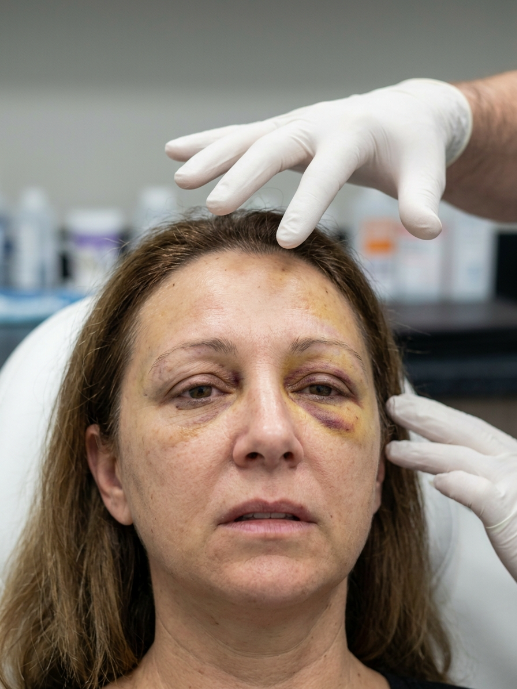
A small amount of blood and mucus discharge may occur in the first days. To avoid the discomfort of this, the doctor may insert gauze if necessary. The patient should replace these pads. Swelling, bruising and edema may also experience both in and around the nose after surgery. The swelling goes away in about 30 days. Other complications will also fade out over time. The nose structure will reach its final form in about a year.
Besides these, you should also pay attention to the following:
- You should protect your nasal site against harmful sun rays for about 3-4 months. For this, you can use suncreams and hats.
- You should stay away from the pool and the sea in the first months because the humidity and wetness can negatively affect the skin.
- You should stay away from alcohol and cigarettes. The components in harmful substances can delay tissue regeneration and healing.
- After the surgery, you should not do strenuous physical activities until the doctor let you do it.
- You should pay attention while blowing your nose. You should protect your nose from physical effects.
You must eat healthy. You should go to your doctor appointments and follow your surgeon’s recommendations. If you pay attention to all these, you can experience a comfortable healing process. If you consider having rhinoplasty surgery, contact us right away to get a free consultancy service from Prof. Dr. Selçuk İnanlı.
What Should the Patient Watch After Nasal Surgery? A Comprehensive Recovery Guide
The Importance of Post-Operative Vigilance in Nasal Surgery
Nasal surgery, whether performed for aesthetic reasons (rhinoplasty) or functional improvements (septoplasty), is a delicate procedure that requires a high level of surgical expertise. However, the success of the operation is not solely determined by the time spent in the operating room. The post-operative period is equally critical. To achieve the most refined and functional results, patients must strictly adhere to specific guidelines provided by their surgeon. Prof. Dr. Selçuk İnanlı, an ENT and Facial Plastic Surgery Specialist, emphasizes that the healing process of the nose is a marathon, not a sprint. The nasal tissues are highly vascular and sensitive; therefore, the way a patient manages their recovery directly impacts the final symmetry, scar formation, and breathing quality.
Understanding what should the patient watch after nasal surgery involves a deep dive into physiological healing, lifestyle adjustments, and immediate care routines. When the surgery is completed, the nose is held in place by internal splints and an external cast or thermoplastic shield. These are vital for maintaining the new shape of the nasal bones and cartilage. Any displacement during the early stages can lead to permanent irregularities. This guide provides an exhaustive look at the precautions, milestones, and warning signs every patient should be aware of to ensure a smooth transition to their new appearance.
Immediate Care: The First 48 Hours
The first two days after nasal surgery are often the most uncomfortable due to the presence of nasal packing or silicone splints. While modern techniques like Piezo Rhinoplasty significantly reduce trauma, some degree of edema (swelling) and ecchymosis (bruising) is inevitable. During this phase, the primary goal is to prevent swelling and bruising from escalating.
Head Elevation and Rest
One of the most important rules is to keep the head elevated at all times. Sleeping with at least two or three pillows, or in a recliner chair, helps gravity drain fluids away from the face. This reduces the pressure on the nasal mucosa and minimizes the risk of a post-operative nosebleed. Flat sleeping can cause the blood to pool in the facial tissues, leading to intense throbbing and increased swelling that may prolong the recovery by weeks.
Cold Compression Therapy
Applying cold compresses or specialized gel masks around the eyes and cheeks—but never directly on the nose itself—is essential during the first 48 hours. The cold constricts the blood vessels, limiting the inflammatory response. Patients should apply these for 15–20 minutes every hour while awake. It is crucial to ensure that no moisture seeps under the nasal cast, as this can cause the adhesive to loosen or lead to skin irritation.
Nasal Hygiene and Cleaning Protocols
As the anesthesia wears off, the nose will feel congested. This is not necessarily due to mucus but rather the internal swelling of the turbinates and the presence of surgical splints. Patients often ask how to manage this discomfort without causing damage.
Managing Nasal Discharge
It is normal to experience a pinkish or serosanguinous (blood-tinged) discharge for the first few days. A small gauze pad, often called a “mustache dressing,” is placed under the nostrils to catch this fluid. This dressing should be changed as needed. Patients must strictly avoid blowing their nose. The pressure generated by blowing can rupture delicate sutures and cause significant internal bleeding or even displace the nasal septum.
Saline Sprays and Ointments
Once the surgeon gives the green light, usually after the first 24–48 hours, using saline nasal sprays becomes a cornerstone of hygiene. These sprays keep the internal linings moist and help dissolve blood clots and crusts. Additionally, applying a thin layer of antibiotic ointment or petroleum jelly to the suture lines at the base of the nose (in open rhinoplasty) prevents the skin from drying out and minimizes scarring. Prof. Dr. Selçuk İnanlı advises patients to use a cotton swab very gently, ensuring they do not push it deep into the nasal cavity.
Protecting the Structural Integrity of the Nose
The nasal framework is extremely soft and malleable in the weeks following surgery. The bones take about six weeks to knit back together, and the cartilage takes even longer to stabilize fully. Protecting the nose from any form of physical impact is paramount.
Avoiding Facial Trauma
Patients must be hyper-aware of their surroundings. This includes avoiding crowded places where someone might accidentally bump into them, being cautious around pets, and even being careful when picking up small children. Even a minor bump can shift the nasal bridge or cause the nasal tip to droop if the internal support structures haven’t fully healed.
Eyewear Restrictions
One of the most common questions involves wearing glasses after rhinoplasty. Standard glasses or sunglasses rest directly on the nasal bones. During the first 6 to 8 weeks, the weight of the frames can create indentations or cause the bones to heal in a crooked position. Patients are encouraged to use contact lenses or, if glasses are necessary, to tape the bridge of the glasses to their forehead so they do not touch the nose. Alternatively, specialized “rhinoplasty glasses holders” can be used.
Lifestyle and Environmental Adjustments
Recovery extends beyond physical protection; it involves managing the body’s internal environment to facilitate cellular repair.
Sun Exposure and Heat
Heat causes vasodilation, which leads to increased swelling. Patients should avoid hot showers, saunas, and direct sunlight for at least the first month. Sun exposure on the healing skin of the nose can also lead to permanent hyperpigmentation (darkening) of the surgical scars. If you must go outside, wearing a wide-brimmed hat is the safest option until the surgeon permits the use of sunscreen.
Smoking and Alcohol Consumption
Smoking is perhaps the greatest enemy of a successful surgical outcome. Nicotine constricts blood vessels, significantly reducing the oxygen supply to the healing tissues. This can lead to tissue necrosis, delayed wound healing, and poor scarring. Alcohol, on the other hand, thins the blood and increases the risk of bleeding and swelling. Both should be avoided for at least three weeks before and after the surgery.
Dietary Considerations for Healing
What you eat plays a role in how quickly the edema subsides. A diet high in sodium will cause the body to retain water, making the nose look more swollen and feeling tighter.
Soft Foods and Hydration
In the first few days, chewing hard or crunchy foods can be painful because the muscles of the upper lip and nose are interconnected. Opting for soft foods like soups, yogurt, and mashed vegetables is recommended. Staying hydrated is also essential, but patients should avoid using straws for the first week. The suction required to use a straw can create pressure changes in the oral and nasal cavities that might be uncomfortable or detrimental to the sutures.
Nutrients for Recovery
Increasing the intake of Vitamin C, Zinc, and proteins can support collagen production. Some patients find that pineapple (which contains bromelain) helps reduce bruising, although this should be discussed with the doctor to ensure it doesn’t interfere with any prescribed medications.
Physical Activity and Exercise Timeline
While light walking is encouraged starting from the day after surgery to prevent blood clots, more vigorous activities must be strictly curtailed.
The First Two Weeks
During the first 14 days, the heart rate should be kept low. Bending over, lifting heavy objects, or performing any activity that causes “straining” increases blood pressure in the head. This can lead to a nosebleed or increased swelling. Even simple tasks like tying shoelaces should be done by bringing the foot up rather than lowering the head.
Returning to the Gym
Most patients can resume light cardio (like brisk walking on a flat surface) after three weeks. However, weightlifting, running, and high-impact aerobics should wait at least 4 to 6 weeks. Contact sports like basketball, soccer, or martial arts are forbidden for at least 3 to 6 months, as the risk of a direct blow to the nose is too high. Following these precautions to follow after rhinoplasty surgery is the best way to protect your investment.
Showering and Personal Grooming
Maintaining cleanliness is important, but the nasal cast must stay dry. Showering after nose surgery requires some strategy. Patients should bathe from the neck down or use a handheld showerhead. To wash the hair, the “salon style” method is best—leaning the head back over a sink while someone else washes it. If the cast accidentally gets wet, it can become a breeding ground for bacteria or lose its shape, necessitating an unscheduled visit to the clinic.
Facial Grooming
Patients should be very gentle when washing their face. Using a damp cloth to wipe around the cast is sufficient. Avoid using any harsh chemical peels or exfoliants on the face for several weeks. For those who shave, being careful around the upper lip area is vital, as the nerves in that region are often temporarily hypersensitive or numb after a nose job.
The Psychological Aspect of Recovery
It is common for patients to experience a “post-op blues” period. When the cast is first removed, the nose will likely be very swollen and may not look like the envisioned result. It is important to remember that the nose seen on the day of cast removal is not the final nose.
Understanding the Timeline of Results
About 70% of the swelling subsides in the first month. However, the remaining 30%—especially at the nasal tip—can take up to a full year (or even two years in thick-skinned patients) to disappear. The skin must shrink-wrap over the new underlying structure. Patience is the most required virtue during this time. Prof. Dr. Selçuk İnanlı works closely with patients to manage these expectations, providing reassurance as the features gradually refine.
When to Contact Your Surgeon
While most recoveries are uneventful, patients should watch for specific red flags that require immediate medical attention:
- Uncontrolled Bleeding: If blood is soaking through the gauze continuously.
- High Fever: A temperature over 38°C (100.4°F) could indicate an infection.
- Sudden, Intense Pain: Pain that is not relieved by the prescribed medication.
- Vision Changes: Any blurring or sudden swelling around the eyes that restricts vision.
- Difficulty Breathing: While congestion is normal, a total inability to move air or sudden shortness of breath is a concern.
Long-Term Maintenance and Success
Months after the surgery, the nose will continue to settle. Avoiding trauma remains important, but most daily activities return to normal. Regular follow-up appointments with Prof. Dr. Selçuk İnanlı are essential. During these visits, the surgeon may perform nasal cleaning, check the internal healing of the septum, and sometimes administer minor steroid injections to help stubborn swelling resolve. By following these comprehensive steps, patients ensure that their journey toward a more aesthetic and functional nose is successful and permanent.
Sıkça Sorulan Sorular
How should I clean my nose after the surgery without causing damage?
Cleaning the nose after surgery requires extreme gentleness. For the first week, you should only clean the very edge of the nostrils using a cotton swab dipped in hydrogen peroxide or saline solution to remove crusts. Once the internal splints are removed, your surgeon will likely prescribe a saline spray (sea water spray) to be used several times a day. This spray helps to keep the nasal passages moist and naturally flushes out debris. You must never insert a finger or any hard object into the nose, and blowing your nose is strictly forbidden for at least 3 to 4 weeks to prevent internal pressure from damaging the healing tissues.
When is it safe to wear glasses or sunglasses again?
You should avoid resting any weight on the bridge of your nose for at least 6 to 8 weeks after surgery. The nasal bones are repositioned during the procedure and remain soft as they heal; the pressure from glasses can cause indentations or shift the bones out of alignment. If you must wear glasses, you can tape the central bridge of the frames to your forehead so they ‘hover’ above the nose, or use a specialized device designed for rhinoplasty patients. Contact lenses are generally safe to use within a few days of the surgery, provided the eye area is not too swollen.
What is the best sleeping position to reduce post-operative swelling?
The ideal sleeping position after nasal surgery is on your back with your head elevated at a 30 to 45-degree angle. Using two or three pillows or a wedge pillow is highly recommended for the first two weeks. This elevation helps to minimize the accumulation of fluid in the facial tissues, thereby reducing edema and throbbing. Sleeping on your side or stomach should be avoided, as it can put pressure on the nose or cause you to accidentally rub it against the pillow, which could displace the cartilage or bone before they have properly set.
When can I resume my exercise routine and go back to the gym?
The return to physical activity must be gradual. Light walking is encouraged almost immediately to promote circulation. However, you should avoid any strenuous exercise, heavy lifting, or bending over for at least 3 to 4 weeks. Activities that significantly raise your heart rate and blood pressure can cause the nose to swell or bleed. Most patients can return to full gym routines after 6 weeks, but contact sports (like basketball or boxing) should be avoided for at least 3 to 6 months to protect the nose from any potential impact or trauma.
How long will it take for the final shape of my nose to be visible?
While you will see a significant change as soon as the cast is removed (usually around day 7-10), the final result of a rhinoplasty takes much longer to emerge. Most of the major swelling disappears within the first month, but the subtle refinement, especially at the nasal tip, can take 12 to 18 months. The skin needs time to ‘shrink-wrap’ around the new framework. Factors like skin thickness and the complexity of the surgery (such as revision cases) can influence this timeline. It is essential to remain patient and attend all follow-up appointments with your surgeon during this year-long healing journey.