Frequently asked questions about facial aesthetics.
Comprehensive Guide: Frequently Asked Questions About Facial Aesthetics
The Art and Science of Facial Aesthetics
Facial aesthetics is much more than just a medical procedure; it is the physician’s philosophy of art coming to life on living tissues. As Prof. Dr. Selçuk İnanlı often states, aesthetics is the art of concentrating on the beautiful, searching, sensing, and creating the beautiful. In the modern era, facial plastic surgery has evolved into a highly specialized field where the goal is no longer just to change one’s appearance but to enhance the natural features while preserving the unique character of the individual. This guide addresses the most frequently asked questions about facial aesthetics, providing professional depth into the procedures that redefine beauty and functionality.
Whether it is the nose, the eyes, or the overall contour of the face, every intervention must be planned with a holistic approach. The face is a complex structure where every feature interacts with others. For instance, a change in the nasal projection can affect how the chin or the eyes are perceived. Therefore, a successful outcome depends on the surgeon’s ability to balance the Golden Ratio with the patient’s anatomical realities.
Rhinoplasty: Reshaping the Central Feature
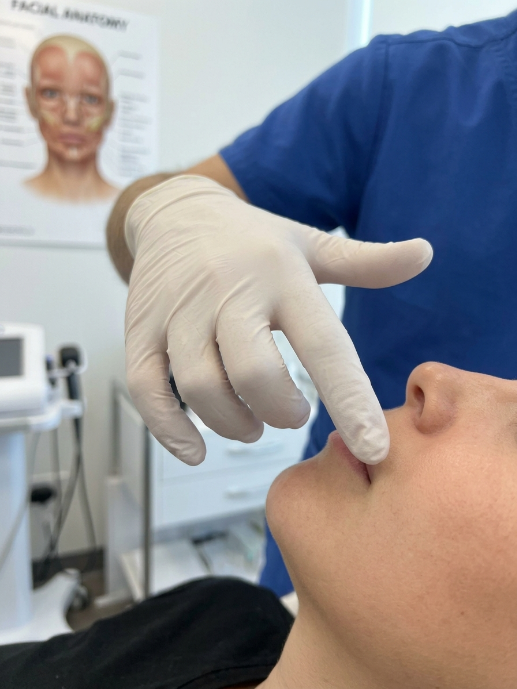
Rhinoplasty, commonly known as a nose job, remains one of the most popular and transformative procedures in facial aesthetics. Because the nose is the central point of the face, its shape and size significantly influence facial harmony. Patients often seek this surgery to correct a hump on the nasal bridge, refine a wide tip, or improve breathing difficulties caused by a deviated septum.
Functional vs. Aesthetic Nasal Surgery
It is a common misconception that rhinoplasty is purely for vanity. In many cases, it is a functional necessity. Septoplasty is often combined with aesthetic refinement to ensure that the patient not only looks better but breathes better. When these two are performed together, the procedure is referred to as septorhinoplasty. Addressing nasal valves and internal structures is crucial because a beautiful nose that cannot breathe is a surgical failure. For more detailed insights, you can explore the frequently asked questions about rhinoplasty to understand the nuances of this complex operation.
The Innovation of Piezo Rhinoplasty
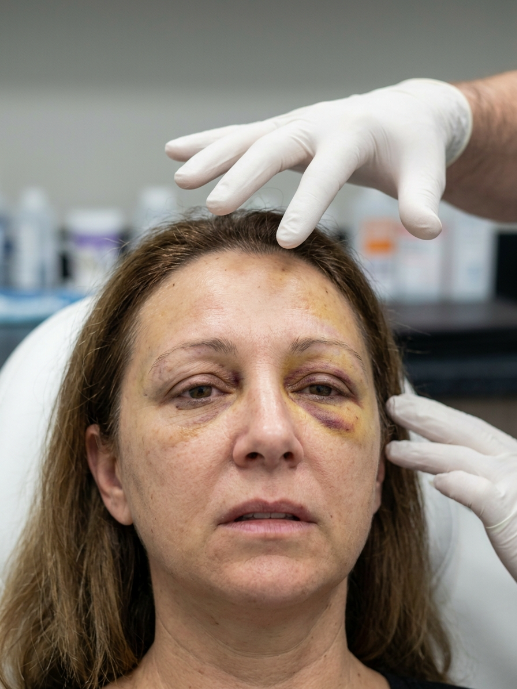
One of the most significant advancements in nasal surgery is Piezo Rhinoplasty. Unlike traditional methods that use hammers and chisels to break the bone, the Piezo technique uses ultrasonic vibrations to shape the nasal bones with micrometric precision. This technology allows for less trauma to the surrounding soft tissues, resulting in significantly reduced bruising and swelling. Patients who undergo ultrasonic rhinoplasty typically experience a faster recovery and more predictable results, making it a preferred choice for those seeking a refined nasal contour without the traditional “black-eye” recovery phase.
Revision Rhinoplasty: Correcting Previous Outcomes
Revision rhinoplasty is performed to correct the results of a previous, unsatisfactory nose surgery. This is considered one of the most challenging procedures in facial plastic surgery because the surgeon must deal with scar tissue and often a lack of remaining cartilage. In such cases, Prof. Dr. Selçuk İnanlı may use cartilage grafts taken from the ear or rib to reconstruct the nasal framework. The goal is to restore both the structural integrity and the aesthetic balance of the nose.
Rejuvenating the Aging Face: Facelift and Neck Lift
As we age, gravity, loss of skin elasticity, and the depletion of facial fat pads lead to sagging and wrinkles. Facelift surgeries are designed to address these concerns by repositioning the deeper layers of the face and removing excess skin. Modern techniques have moved away from the “pulled” look of the past, focusing instead on restoring volume and lifting the SMAS (Superficial Muscular Aponeurotic System) layer.
Deep Plane and SMAS Techniques
A SMAS facelift involves lifting and tightening the muscular layer beneath the skin, which provides a longer-lasting and more natural result. For patients with significant sagging in the mid-face and jawline, a deep plane facelift may be recommended to release ligaments and reposition tissues more effectively. These procedures are often combined with fat injections to restore the youthful fullness that is lost over time. To learn more about the different approaches, see our dedicated section on facelift surgeries.
Addressing the “Turkey Neck” with Neck Lifts
Often, the neck shows signs of aging even before the face. A neck lift targets the “turkey neck” appearance caused by loose skin and weakened platysma muscles. By tightening these muscles and removing excess fat through submental liposuction, surgeons can create a sharp, well-defined jawline. This procedure is frequently performed in conjunction with a facelift to ensure a seamless transition between the face and the neck.
Restoring the Sparkle: Eyelid Aesthetics (Blepharoplasty)
The eyes are often the first place to show fatigue and aging. Blepharoplasty, or eyelid surgery, is a highly effective way to rejuvenate the upper face. It involves removing excess skin, muscle, and sometimes fat from the upper and lower eyelids. This not only makes the patient look more rested but can also improve peripheral vision in cases where sagging skin hangs over the eyelashes.
Upper vs. Lower Eyelid Surgery
Upper blepharoplasty focuses on removing the heavy “hooded” look of the upper lids. The incision is hidden within the natural crease of the eye, making it virtually invisible once healed. Lower blepharoplasty addresses under-eye bags and dark circles. In some cases, instead of removing fat, the surgeon repositions it to fill in the hollow areas (tear troughs), creating a smoother transition to the cheek. Detailed information on this can be found in our guide to blepharoplasty eyelid surgery.
Enhancing Proportions: Otoplasty and Chin Aesthetics
Facial balance is not limited to the nose and skin. The ears and chin play vital roles in the overall silhouette. Otoplasty, or ear correction surgery, is commonly performed to address prominent ears that stick out too far from the head. This procedure is unique because it can be performed on children as young as five or six years old, once the ear cartilage has reached nearly full size, helping to prevent psychological distress during school years.
Correcting Prominent Ears
During an otoplasty, the surgeon reshapes the cartilage to create a natural-looking fold and brings the ear closer to the head. The incisions are typically hidden behind the ear. For adults, this surgery can significantly boost self-confidence, especially for those who have spent years hiding their ears with their hair. You can find more about the process in our article on otoplasty ear correction surgery.
Mentoplasty: The Role of the Chin
A weak or receding chin can make the nose appear larger than it actually is. Mentoplasty (chin augmentation) uses implants or bone repositioning to enhance the chin’s projection. Conversely, chin reduction can soften a very prominent jawline. Achieving the right chin projection is a key component of the Golden Ratio in facial profile analysis.
Non-Surgical Enhancements: The Power of Injectables
Not every patient requires surgery to achieve their aesthetic goals. Non-surgical treatments like Botox and Dermal Fillers have revolutionized the field of facial aesthetics. These “lunchtime procedures” offer immediate results with minimal downtime.
Botox for Dynamic Wrinkles
Botox (Botulinum Toxin) is primarily used to treat dynamic wrinkles—those caused by muscle movement, such as forehead lines, crow’s feet, and frown lines. By temporarily relaxing the targeted muscles, the skin becomes smoother. It is also used preventatively in younger patients to stop wrinkles from etching into the skin.
Dermal Fillers for Volume Restoration
While Botox relaxes muscles, dermal fillers (usually made of Hyaluronic Acid) add volume. They are used to plump the lips, enhance the cheekbones, and fill in deep nasolabial folds. Fillers can also be used for a “liquid rhinoplasty” to temporarily camouflage minor nasal humps or asymmetries. The key to a natural result with fillers is a conservative approach—enhancing the face without overfilling it.
The Psychological Impact of Facial Plastic Surgery
Undergoing facial surgery is a significant emotional journey. Many patients report a profound increase in self-esteem and social confidence following their procedures. However, it is essential to have realistic expectations. Surgery can enhance your features, but it cannot change your life or solve deep-seated psychological issues. A thorough consultation with a specialist like Prof. Dr. Selçuk İnanlı is crucial to ensure that the patient’s goals align with what is surgically possible.
Preparing for Your Aesthetic Journey
The success of any facial aesthetic procedure begins long before the first incision. It starts with choosing a surgeon who is not only technically skilled but also possesses an artistic eye. Prof. Dr. Selçuk İnanlı, an ENT Specialist certified by the European Academy of Facial Plastic Surgery (EAFPS), emphasizes the importance of personalized planning.
Before surgery, patients are advised to stop smoking, avoid certain medications that increase bleeding, and prepare for the recovery period. Smoking, in particular, is a major risk factor as it impairs blood flow to the skin, which can lead to poor healing or scarring, especially in facelift and rhinoplasty cases. Following the post-operative instructions diligently—such as keeping the head elevated, applying cold compresses, and attending all follow-up appointments—is the final step in ensuring a beautiful, lasting result. Facial aesthetics is a journey toward becoming the best version of oneself, blending the precision of science with the elegance of art.
Sıkça Sorulan Sorular
What is the ideal age to start considering facial aesthetic procedures?
There is no single ‘right’ age for facial aesthetics, as it depends entirely on the individual’s concerns and anatomical needs. For instance, otoplasty (ear surgery) can be performed as early as age 5, while rhinoplasty is typically deferred until the mid-to-late teens when nasal growth is complete. Anti-aging procedures like Botox are often started in the late 20s or 30s as a preventative measure, whereas surgical interventions like facelifts are more common in the 40s, 50s, and beyond when skin laxity becomes more pronounced. The decision should always be based on a personalized consultation rather than a specific chronological age.
How long is the typical recovery period after a major facial surgery like a facelift or rhinoplasty?
Recovery times vary depending on the complexity of the procedure and the patient’s healing rate. For a rhinoplasty, the external cast is usually removed after one week, and most patients can return to work or social activities within 10 to 14 days, although minor internal swelling can persist for up to a year. Facelift recovery generally takes about two to three weeks for the majority of swelling and bruising to subside. During the first few days, rest and head elevation are critical. Patients are typically advised to avoid strenuous exercise for at least 4 to 6 weeks to ensure optimal healing of the tissues.
Will there be visible scarring after facial plastic surgery?
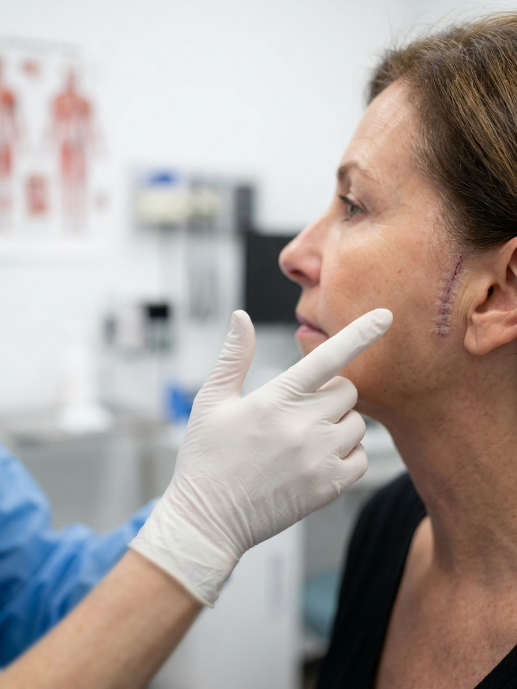
One of the primary goals of a skilled facial plastic surgeon is to minimize visible scarring. In procedures like blepharoplasty, incisions are hidden in the natural creases of the eyelids. In a facelift, incisions are carefully placed along the hairline and around the ear, where they become nearly invisible once healed. For an open rhinoplasty, a tiny incision is made across the columella (the tissue between the nostrils), which usually heals into a faint line that is very difficult to see. Surgeons also use advanced suturing techniques and provide post-operative scar care instructions to ensure the best possible aesthetic outcome.
Can non-surgical treatments like fillers replace the need for a surgical facelift?
While dermal fillers and Botox are excellent for addressing early signs of aging, such as fine lines and minor volume loss, they cannot fully replicate the results of a surgical facelift. Fillers can ‘camouflage’ sagging by adding volume, but they do not remove excess skin or tighten the underlying muscles (SMAS). For patients with significant skin laxity and deep jowls, a surgical facelift remains the gold standard for achieving a comprehensive and long-lasting rejuvenation. However, many patients use non-surgical treatments to delay the need for surgery or to enhance and maintain their surgical results.
Is facial aesthetic surgery painful, and how is pain managed post-operatively?
Most patients are surprised to find that facial surgeries are not as painful as they imagined. During the procedure, general anesthesia or local anesthesia with sedation ensures that the patient feels nothing. Post-operatively, the sensation is often described more as ‘tightness’ or ‘pressure’ rather than sharp pain. Surgeons prescribe appropriate pain medications to manage any discomfort during the first few days. Additionally, using cold compresses and keeping the head elevated significantly reduces swelling, which is the primary cause of discomfort. Most patients find that they only need mild pain relief after the first 48 to 72 hours.
Anahtar Kelimeler: