Lower-Face Laxity
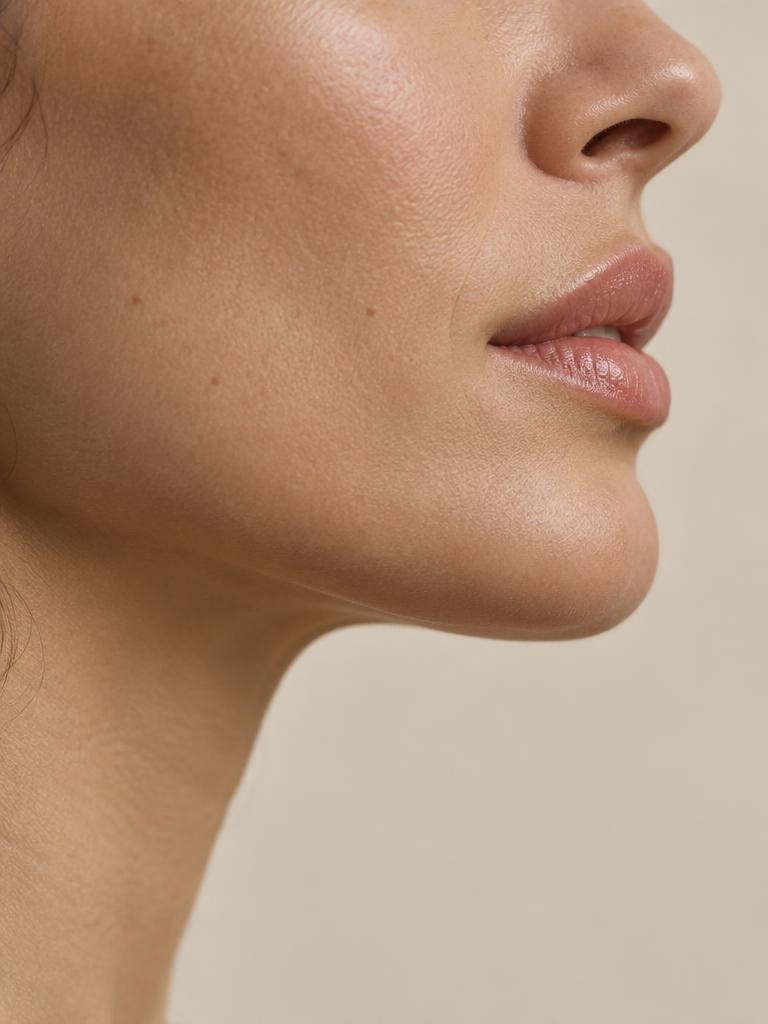
Age-related descent and laxity in the lower face can soften facial contours and alter the transition toward the jawline.
FULL FACELIFT
Individual surgical planning for facial ageing, jawline definition and neck contour.
A full facelift is designed to address age-related changes in the face and neck by repositioning and supporting tissues according to each patient's anatomy. The aim is not to create a different face, but to restore a more balanced relationship between the cheeks, jawline and neck while preserving individual character.
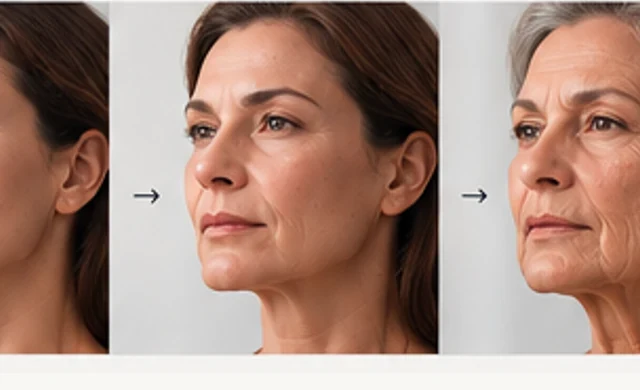
FACIAL AGEING IS THREE-DIMENSIONAL
Facial ageing is not caused by skin laxity alone. Changes occur in the skin, soft tissues, fat compartments and deeper support structures, while the relationship between the cheeks, jawline and neck also evolves over time. For this reason, facelift planning begins with the pattern of ageing rather than with a single technique.
Jowling, loss of jawline definition, lower-face heaviness and neck laxity often develop as connected changes. Assessment therefore considers the face and neck as related anatomical regions rather than isolated areas.
AREAS OF CONCERN
The changes addressed by facelift surgery vary between patients. Depending on individual anatomy and the pattern of ageing, assessment may focus on one or more of the following areas.
Age-related descent and laxity in the lower face can soften facial contours and alter the transition toward the jawline.
Tissue descent along the lower face may create jowling and reduce the definition of the mandibular border.
A less distinct jawline may result from changes in facial soft tissues, the neck or both.
Loose skin and deeper tissue changes in the neck may contribute to an aged or less defined cervicomental contour.
The relationship between the lower face, jawline and neck is assessed together to avoid treating one region in isolation.
Previous facelift, neck surgery, fillers or other procedures may influence tissue planes, anatomy and surgical planning.
CANDIDACY
Facelift surgery may be considered when age-related changes of the face, jawline or neck are significant enough that non-surgical treatments are unlikely to address the underlying anatomy. Candidacy depends on facial structure, tissue quality, the pattern of ageing, previous procedures, general health and individual goals.
There is no single age or degree of ageing that determines candidacy. The decision is based on the distribution of facial change, tissue quality, health, previous procedures and whether surgery can reasonably address the patient's concerns.
BEFORE SURGICAL PLANNING
The overall relationship between the cheeks, lower face, jawline and neck is evaluated.
Skin elasticity, soft-tissue laxity and tissue thickness influence both planning and expected healing.
The degree and distribution of lower-face descent are assessed in relation to the mandibular border.
Skin laxity, submental fullness and deeper neck structures are considered where clinically relevant.
Previous surgery, threads, energy-based treatments and injectable procedures are reviewed because they may affect tissue planes and planning.
Medical history, medications, smoking status and other factors that may influence anaesthesia, bleeding or wound healing are assessed.
AN INTEGRATED APPROACH
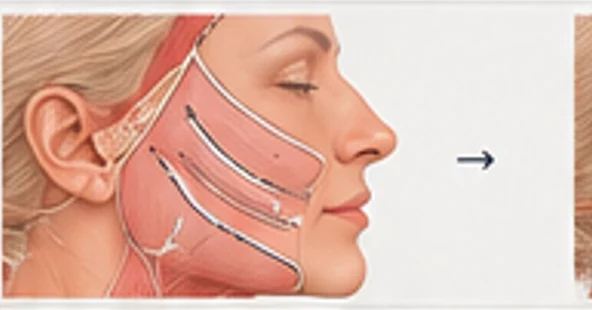
A full facelift is planned according to the distribution of ageing rather than a fixed list of manoeuvres. In some patients, the main concern is lower-face laxity and jowling; in others, the neck contributes substantially to the overall appearance. The surgical plan is therefore tailored to the anatomy that actually requires correction.
Different tissue planes and surgical techniques may be appropriate for different patients. The choice of approach is based on facial anatomy, tissue quality, previous procedures, the areas being treated and the degree of support required.
SURGICAL PLANNING
The surgical plan is built around the patient's anatomy and the pattern of facial ageing, with the objective of improving contour while maintaining recognisable facial character.
The distribution of tissue descent, laxity and contour change is assessed across the face and neck.
The features that contribute most to the patient's concerns are identified rather than treating every region automatically.
The lower face, jawline and neck are evaluated as a continuous aesthetic and anatomical unit.
Skin quality, tissue characteristics and previous procedures are incorporated into the plan.
The extent of surgery and the appropriate tissue planes are selected according to the individual anatomy and required support.
The final plan integrates facial balance, jawline definition, neck contour and safe tissue handling for that specific patient.
SURGICAL PHILOSOPHY
The objective of facelift surgery is not to erase every sign of ageing or create an artificially tight appearance. Planning is directed toward restoring support and improving facial contours while respecting the patient's proportions, expression and individual identity.
A natural-looking result depends on appropriate patient selection, anatomical planning, tissue support and restraint. The degree of change should remain proportionate to the rest of the face.
RECOVERY & HEALING
Recovery after facelift surgery is gradual. Swelling, bruising, tightness, temporary changes in sensation and facial asymmetry related to swelling can occur during the early postoperative period. These changes generally evolve as healing progresses. The pace of recovery varies according to the extent of surgery, the tissues treated and the individual healing response.
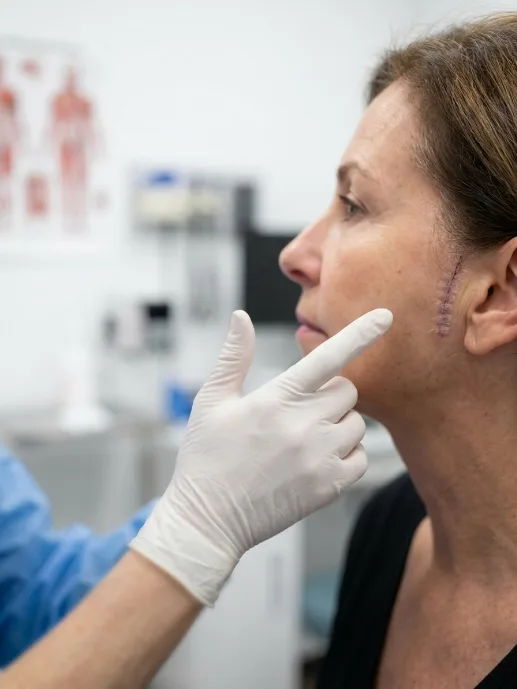
Swelling and bruising are most noticeable during the early phase and then reduce progressively.
Facial contours continue to settle as swelling resolves and tissues adapt to their new position.
Postoperative follow-up is important to monitor wound healing, swelling, facial movement and the evolution of the surgical result.
FREQUENTLY ASKED QUESTIONS
Not necessarily. The extent of surgery is determined by the patient's anatomy and concerns. In some patients the neck is an important part of the plan; in others, treatment may be more limited.
A facelift primarily addresses facial tissue descent and lower-face contour, while neck surgery focuses on age-related changes below the jawline. Because these regions are anatomically connected, they may be planned together when appropriate.
The aim is to improve support and contour while preserving facial character and expression. An unnatural or overly tight appearance is not the objective, but no specific aesthetic result can be guaranteed.
There is no single ideal age. The decision is based more on the pattern and degree of facial ageing, tissue quality, health and individual goals than on chronological age alone.
Facelift surgery may improve jowling and jawline definition when these changes are caused by age-related tissue descent. The neck and other anatomical factors are also assessed because they can influence the final jawline contour.
Previous fillers, threads, energy-based treatments or surgery do not automatically exclude facelift surgery, but they should be reviewed during assessment because they may influence anatomy, tissue planes and surgical planning.
Recovery is gradual and varies between patients. Swelling, bruising and tightness are expected during the early phase, while facial contours continue to settle over time. A personalised recovery plan is discussed according to the extent of surgery and individual healing factors.
Facelift surgery can reposition and support facial tissues, but it does not stop the natural ageing process. The appearance will continue to evolve over time according to ageing, tissue quality, lifestyle and other individual factors.
RELATED PROCEDURES

TAKE THE FIRST STEP
Arrange a consultation to discuss the changes you have noticed in your face, jawline and neck, and whether facelift surgery may be appropriate for your anatomy and goals.