What Is Otoplasty And How Is It Done?
Otoplasty is an ear aesthetic operation performed to improve the appearance of the ears, both functionally and aesthetically. With this operation, the shape, size, and position of the ears are changed, and its appearance and function are improved in accordance with the face dimensions. However, it does not change places of the ears and does not affect our hearing. A defect in the outer ear, caused by injury or birth defect, can be reshaped by otoplasty. Especially in children, otoplasty is used to correct the distant ears.
Otoplastyis common in childhood but is an operation that can be applied to patients of any age. It can be done as soon as the ear reaches the full size (approximately 5 years old) in children. Sometimes, in emergency situations, these operations can be withdrawn until the age of 3. Any person over the age of five who does not have a serious illness, and smoke can be a candidate for this operation. Otoplasty can be performed due to the ears being distant from the face, one or both ears protruding from the side, drooping ears, shrunken ears, asymmetrical ears, excessive size of the ears according to their face size, deformities in various outer ears and inadequate results of previous otoplasty.
In the event that the ears stand out more than 2 centimeters from the edge of the head, it will appear more prominent to the eye. This situation may cause peer bullying, especially in children, and cause damage to self-esteem. Shape and size disorders in the ears often affect self-confidence and cause them to try to hide their ears. With otoplasty, the ears are balanced according to their facial proportions and drawn to normal sizes. Ears that have a more natural look will attract less attention. It helps to regain self-esteem and increase self-esteem with the ears, which are brought to the most appropriate dimensions according to the anatomical structure of the patient.
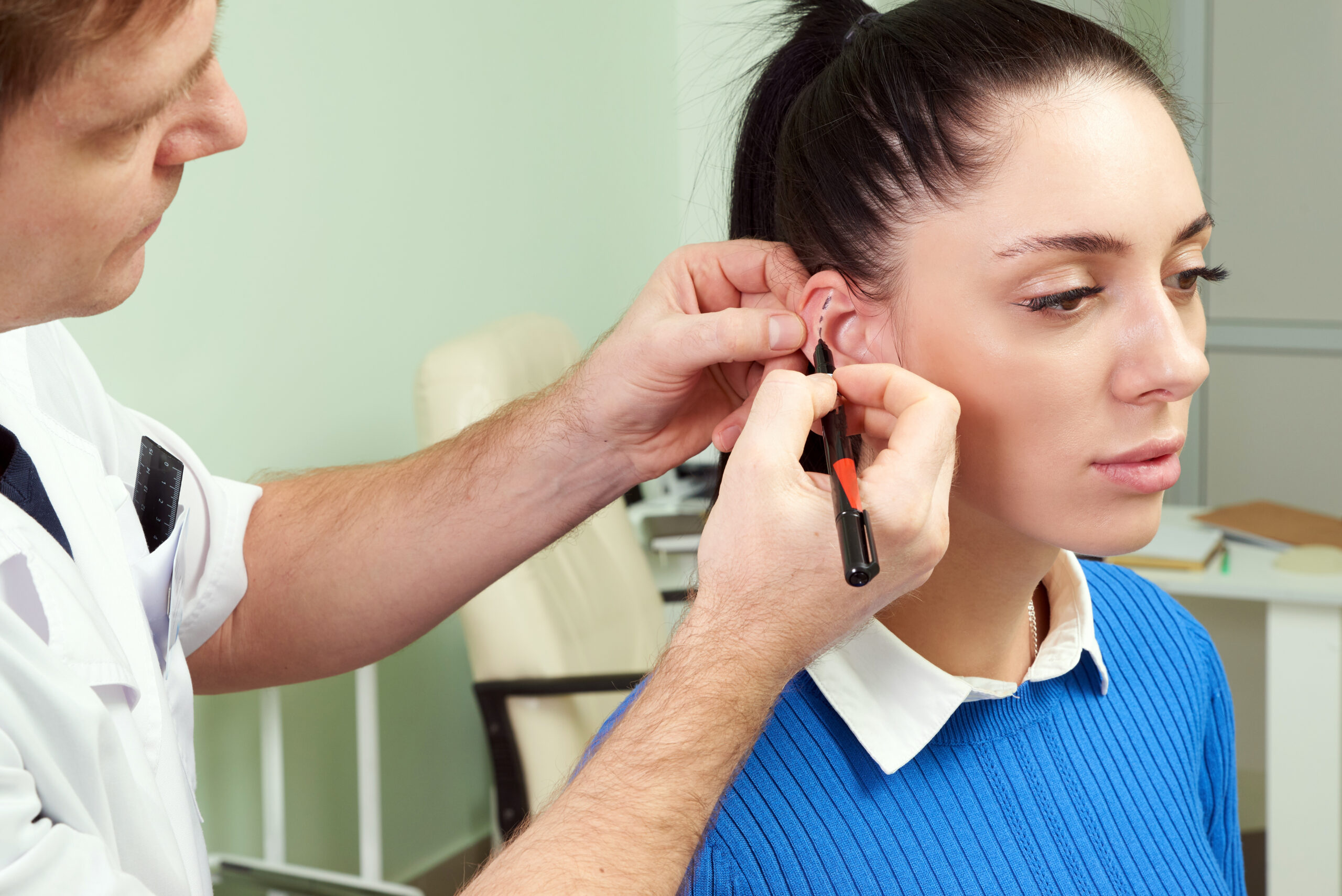
Otoplasty is important to have realistic expectations for the results and to convey special concerns to the doctor. Do not hesitate to ask your questions when you need more information without leaving room for uncertainty. If you have the right information about your medical history, you should inform your doctor about your ear disorders and medications you use. Your doctor will examine your ear physically and measure your face and its symmetry by measuring. The current condition of your ears will be photographed as a reference for comparison with the change that will occur after the intervention.
There are several different methods used in ear surgery: sometimes, for small ears that are not developed, an ear enlargement operation is performed by enlarging the outer ear size. Ear reduction surgery is performed by reducing the size of the ears of people with large ears according to face size. In other words, the ears that are referred to as scoop ears are brought closer to the head and the ear fixing operation is performed.
Otoplasty operations can be performed under general anesthesia. General anesthesia is mostly recommended for children. The techniques to be used during the operation may change according to the type of otoplasty you have. The plastic surgeon will give the cartilage a form to reconstruct the missing folds and position your ear close to your head. Depending on the technique chosen by your surgeon, the incision site may be behind your ear or in the folds in your ear. If necessary, cartilage and skin can be removed in your ear. Cartilage is brought to the correct position and shaped by folding it with permanent stitches or cartilage is instilled into the ear, and the ear tissue is manipulated. The operation is completed by closing the incision site with stitches.
Otoplasty is a surgical aesthetic method with high satisfaction and highly successful results. As it is related to appearance, it has an effect that increases the quality of life, especially in the development of self-esteem in children. If the age is appropriate, it is also important that the operation request comes from the child. The child should be informed about this issue and should be informed about the expectations.
What Is Otoplasty And How Is It Done? A Comprehensive Guide to Ear Aesthetics
Understanding Otoplasty: The Art and Science of Ear Reshaping
Otoplasty, commonly referred to as ear aesthetics or ear pinning, is a specialized surgical procedure designed to change the shape, position, or proportion of the ears. While the ears do not affect hearing directly through their external shape, their appearance can significantly impact an individual’s facial harmony and psychological well-being. For many, particularly children and young adults, having prominent ears (ears that stick out too far from the head) can be a source of social anxiety and bullying.
In the hands of an expert like Prof. Dr. Selçuk İnanlı, an ENT specialist certified by the European Academy of Facial Plastic Surgery (EAFPS), otoplasty becomes more than just a corrective surgery; it is a meticulous refinement process. This procedure can correct a wide range of issues, from ears that are too large (macrotia) to ears that have been deformed due to injury or congenital conditions. To understand the full scope of this surgery, we must delve into what is a prominent ear and why is prominent ear surgery performed, as this is the most common reason patients seek professional intervention.
The Anatomy of the Human Ear and Aesthetic Standards
To appreciate how otoplasty is done, one must first understand the complex anatomy of the external ear, known as the pinna or auricle. The ear is primarily composed of a unique, flexible framework of elastic cartilage covered by a thin layer of skin. Key landmarks include the helix (the outer rim), the antihelix (the Y-shaped fold inside the helix), and the conchal bowl (the deepest part of the external ear).
In a standard “ideal” ear, the angle between the ear and the side of the head (the auriculocephalic angle) is typically between 20 and 35 degrees. When this angle exceeds 35 degrees, the ears appear prominent. Furthermore, the absence of a well-defined antihelical fold is the most frequent cause of the “bat ear” appearance. During an otoplasty procedure, the surgeon’s goal is to recreate these natural folds and reduce the depth of the conchal bowl to bring the ear into a more balanced position relative to the face and scalp.
Psychological Impact and the Importance of Correction
The face is the primary medium of human communication, and any perceived abnormality can lead to a lack of self-confidence. Studies have shown that children with protruding ears may experience lower self-esteem compared to their peers. Because the ears reach nearly 90% of their adult size by the age of five or six, this is often the earliest age at which the surgery is recommended. By undergoing the procedure before or during early school years, children can avoid the potential psychological trauma associated with peer ridicule. However, otoplasty is equally effective for adults who have spent years feeling self-conscious about their appearance.
Who Is a Suitable Candidate for Otoplasty?
Determining candidacy involves more than just a physical examination. A successful outcome depends on the patient’s health, expectations, and the structural integrity of their ear cartilage.
Otoplasty for Children
Children are excellent candidates once their ear cartilage is stable enough to hold sutures. Generally, what age you can get otoplasty surgery is a critical question for parents; usually, age five is the benchmark. At this stage, the cartilage is still quite pliable, making the reshaping process smoother, yet it is firm enough to maintain the new shape after the operation.
Otoplasty for Adults
Adults often seek otoplasty to correct long-standing insecurities or to fix asymmetries that have become more noticeable over time. Unlike children, adult cartilage is firmer and less flexible, which may require slightly different surgical techniques to ensure the ear does not “spring back” to its original position. As long as the patient is in good health and does not have underlying conditions that impair healing—such as uncontrolled diabetes or heavy smoking—they are typically eligible for the procedure.
The Pre-operative Consultation with Prof. Dr. Selçuk İnanlı
Before any surgical intervention, a comprehensive consultation is mandatory. Prof. Dr. Selçuk İnanlı emphasizes the “philosophy of art coming to life on living tissues.” During this session, the surgeon will:
- Evaluate Medical History: Discussion of previous surgeries, ear infections, and current medications (especially blood thinners).
- Physical Examination: Measuring the ears, checking the quality of the cartilage, and assessing the symmetry between both sides.
- Photography: Taking standardized photos from various angles to plan the surgery and provide a baseline for post-operative comparison.
- Setting Expectations: Explaining what the surgery can and cannot achieve. It is important to note that perfect symmetry is rare even in natural ears; the goal is “balanced harmony.”
How Is Otoplasty Done? Step-by-Step Surgical Process
The procedure is typically performed as an outpatient surgery, meaning the patient can return home the same day. Depending on the patient’s age and the complexity of the case, either local anesthesia with sedation or general anesthesia is used.
Step 1: The Incision
To ensure that scars are virtually invisible, the surgeon makes a strategic incision on the back of the ear, specifically in the postauricular crease (the natural fold where the ear meets the head). In some advanced cases, incisions might be made on the front of the ear within the internal folds to hide them effectively.
Step 2: Accessing and Reshaping the Cartilage
Once the incision is made, the skin is gently lifted to expose the underlying cartilage framework. The surgeon then uses one of several techniques to reshape the ear:
- Cartilage Scoring: Small, controlled nicks are made in the cartilage to weaken its “memory,” allowing it to be bent into a new shape.
- Cartilage Sparing (Suturing): Permanent internal sutures (often called Mustarde sutures) are used to create or reinforce the antihelical fold.
- Conchal Reduction: If the conchal bowl is too deep, a small piece of cartilage may be removed, or the bowl may be sutured closer to the bone behind the ear (Furnas sutures).
Step 3: Closing the Incisions
After the ear has been sculpted into the desired position, the external incisions are closed using fine, often dissolvable sutures. The surgeon must be careful not to over-correct, which can result in an unnatural “pinned back” look.
Step 4: Bandaging
A thick, protective dressing is applied around the head to keep the ears in their new position and protect them from accidental trauma during the initial healing phase.
Advanced Techniques in Ear Aesthetics
Modern plastic surgery has evolved beyond simple “pinning.” Surgeons now utilize techniques that prioritize a natural appearance and long-term stability.
The Incisionless Otoplasty
In very specific cases where the deformity is minor, an incisionless otoplasty may be performed. This involves using needles to place sutures through the skin to reshape the cartilage without making a traditional incision. While this offers a faster recovery and no visible scarring, it is not suitable for patients with thick cartilage or those requiring significant reduction in ear size.
Treatment of Earlobe Deformities
Sometimes, the issue isn’t the position of the ear but the shape of the earlobe. Large, hanging, or torn earlobes (often from heavy earrings) can be corrected simultaneously with an otoplasty or as a standalone procedure. This involves removing excess tissue and suturing the lobe into a more youthful, tighter shape.
The Recovery Process: What to Expect
Post-operative care is crucial for the success of any facial aesthetics procedure. Following the instructions of Prof. Dr. Selçuk İnanlı ensures that the healing process is efficient and complications are avoided.
The First 48 Hours
Patients may experience mild discomfort, throbbing, or a feeling of tightness. Pain is usually well-managed with prescribed oral medications. It is essential to keep the head elevated, even while sleeping, to minimize swelling and bruising.
The First Week
The initial bulky dressing is usually removed within 3 to 7 days. At this point, the ears will appear swollen and slightly red. Patients are then instructed to wear a light, elastic headband (similar to a sports band) 24 hours a day. This band protects the ears from bending forward, especially during sleep.
Weeks 2 to 6
After the first week, the headband is typically only required at night. Most patients can return to work or school within 7 to 10 days. However, strenuous activities and contact sports must be avoided for at least six weeks to prevent the cartilage from being displaced before it has fully healed in its new position. Detailed guidance on after otoplasty ear surgery care helps patients navigate this period safely.
Potential Risks and Complications
While otoplasty is considered a safe procedure with a high satisfaction rate, all surgeries carry some level of risk. Choosing a board-certified surgeon significantly reduces these possibilities. Potential risks include:
- Scarring: While incisions are hidden, some individuals may develop keloids or hypertrophic scars.
- Asymmetry: Slight differences between the two ears are normal, but significant asymmetry may require a revision.
- Infection: Rare, but treatable with antibiotics. If an infection affects the cartilage (chondritis), it requires immediate medical attention.
- Over-correction: If the ears are pulled too close to the head, it can create a distorted appearance.
- Suture Extrusion: Occasionally, the internal permanent sutures may work their way to the surface of the skin and need to be removed.
The Role of Experience: Why Choose Prof. Dr. Selçuk İnanlı?
Successful ear surgery requires an artistic eye and a deep understanding of the structural mechanics of cartilage. Prof. Dr. Selçuk İnanlı‘s background as an ENT Specialist and his certification by the European Academy of Facial Plastic Surgery place him among the elite surgeons in the field. His philosophy focuses on creating a natural look where the surgical intervention is indistinguishable from nature.
Whether it is a child facing the challenges of school-age social dynamics or an adult seeking a long-awaited change, the approach is always personalized. By combining micrometric precision with a passion for aesthetics, he ensures that the ears are not just “fixed” but integrated harmoniously into the patient’s overall facial profile.
Long-Term Results and Patient Satisfaction
One of the most rewarding aspects of otoplasty is that the results are permanent. Once the cartilage has healed and settled into its new framework, the ears will maintain their position for a lifetime. Unlike fillers or Botox, which require maintenance, otoplasty is a one-time investment in one’s self-image.
Patients often report a “transformative” experience. For children, the immediate improvement in social confidence is often noted by teachers and parents. For adults, the ability to wear their hair back or short without feeling the need to hide their ears provides a newfound sense of freedom.
Preparing for Your Surgery: A Checklist
To ensure the best possible outcome, patients should follow these guidelines before their otoplasty:
- Stop Smoking: Nicotine constricts blood vessels and significantly delays the healing process.
- Avoid Certain Medications: Aspirin, ibuprofen, and certain herbal supplements can increase bleeding.
- Arrange for Help: You will need someone to drive you home after the surgery and stay with you for the first night.
- Prepare a Recovery Station: Have your headband, pillows for elevation, and prescribed medications ready in advance.
The Evolution of Ear Surgery
The history of otoplasty dates back centuries, but the techniques used today are more refined than ever. Early methods often focused solely on skin removal, which frequently led to relapse because the cartilage “memory” was not addressed. Today’s “cartilage-logic” approach ensures that the structural foundation is changed, leading to much more stable and aesthetically pleasing outcomes. As technology advances, tools like ultrasonic bone/cartilage cutters (Piezo technology) are being explored to further increase precision and reduce trauma to surrounding tissues.
In the grander scheme of cosmetic surgeries, otoplasty remains one of the few procedures that can be performed safely on young children, highlighting its importance not just as a vanity procedure, but as a functional improvement to a person’s quality of life. The goal is always to achieve a result where the ears no longer draw attention to themselves, allowing the other features of the face—the eyes, the smile, and the personality—to shine through.
Sıkça Sorulan Sorular
What is the best age to have otoplasty surgery?
The ideal age for otoplasty is typically between 5 and 6 years old. At this stage, the ear cartilage has reached about 90% of its adult size and is stable enough to hold surgical sutures, yet it remains flexible enough for easy reshaping. Performing the surgery at this age also helps children avoid potential psychological distress or bullying as they enter their primary school years. However, otoplasty is a highly successful procedure for adults as well, provided they are in good overall health.
Will there be visible scarring after the ear pinning procedure?
One of the primary goals of a skilled surgeon is to minimize visible scarring. In a standard otoplasty, the incisions are made on the back of the ear, tucked within the natural fold where the ear meets the head (the postauricular crease). This strategic placement ensures that once healed, the scars are virtually invisible to others. Over time, these fine lines typically fade into a faint, pale color that blends in with the surrounding skin.
Is the otoplasty procedure painful, and how long is the recovery?
The procedure itself is performed under anesthesia, so patients do not feel pain during the surgery. Afterward, most patients describe the sensation as a dull ache or a feeling of pressure and tightness rather than sharp pain, which can be managed with prescribed pain relievers. The initial recovery is relatively quick; the main dressing is removed within a week, and most people return to their normal daily routines within 7 to 10 days, although a protective headband must be worn for several weeks during sleep.
Are the results of otoplasty permanent?
Yes, the results of otoplasty are intended to be permanent. During the surgery, the cartilage is reshaped and secured with internal sutures to create a new structural framework. Once the ears have fully healed—usually within six weeks—the new shape and position are permanent. While the ears may settle slightly as swelling subsides, they will not return to their original prominent position, provided the post-operative instructions regarding the protective headband are followed correctly.
Can otoplasty surgery affect my hearing?
No, otoplasty does not affect your hearing. The surgery is performed strictly on the external part of the ear (the pinna or auricle) and does not involve the ear canal, the eardrum, or the middle and inner ear structures responsible for sound processing. In fact, by bringing the ears into a more standard anatomical position, some patients find that the way they catch sound changes slightly, but the internal mechanism of hearing remains completely untouched and safe.