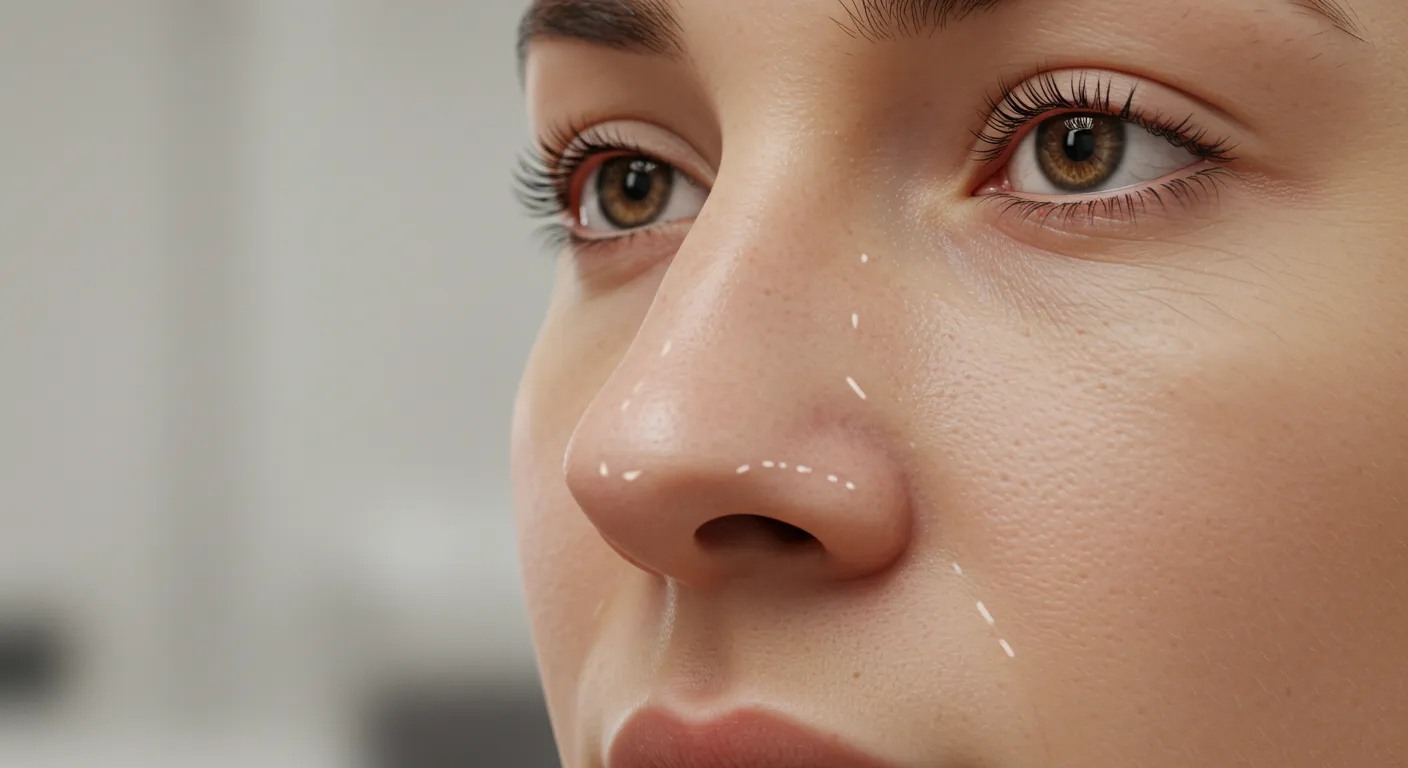
Which areas can be treated with facial fillers and Botox?
Which areas can be treated with facial fillers and Botox?
The quest for eternal youth and facial harmony has moved away from invasive surgeries toward more refined, non-surgical interventions. As a world-renowned specialist in facial plastic surgery, Prof. Dr. Selçuk İnanlı emphasizes that the key to a natural appearance lies in understanding the unique anatomy of the face and selecting the right tool for the right concern. Two of the most powerful tools in modern aesthetic medicine are Botox (Botulinum Toxin) and facial fillers. While they are often mentioned in the same breath, they serve entirely different biological functions and target distinct anatomical zones. Understanding which areas can be treated with facial fillers and Botox is the first step toward achieving a refreshed, youthful, and balanced look.
The Biological Mechanism: Botox vs. Fillers
To appreciate the treatment areas, one must first understand how these substances work. Botox is a neurotoxin that temporarily inhibits the signals between nerves and muscles. It is primarily used for dynamic wrinkles—the lines that appear when you smile, frown, or squint. By relaxing the underlying muscle, the skin above it becomes smoother.
On the other hand, facial fillers, most commonly composed of hyaluronic acid, are designed to restore lost volume, fill in deep folds, and contour the face. They target static wrinkles—the lines that are visible even when the face is at rest—and address the structural sagging caused by the aging process. The selection of dermal fillers used in facial filler applications depends on the thickness of the skin and the specific area being treated.
Upper Face Treatments with Botox
The upper third of the face is the most common region for Botox applications. This area is highly expressive, leading to the early development of expression lines.
The Forehead Lines
Horizontal lines across the forehead are caused by the repetitive contraction of the frontalis muscle. Treating this area with Botox requires a delicate touch; too much can lead to a heavy brow or a “frozen” look, while too little may not yield the desired smoothness. Prof. Dr. Selçuk İnanlı utilizes a precision-based approach to ensure forehead movement remains natural while the deep furrows are softened.
Glabellar Lines (Frown Lines)
Often referred to as the “11 lines,” these vertical creases between the eyebrows are caused by frowning or squinting. This is perhaps the most popular area for Botox. Relaxing the corrugator and procerus muscles not only smooths the skin but can also provide a subtle lift to the inner corners of the eyebrows, making the patient look more approachable and less stressed.
Crow’s Feet
The fine lines that radiate from the outer corners of the eyes are known as crow’s feet. These are caused by the orbicularis oculi muscle. Botox in this area opens up the eyes and creates a more vibrant, awake appearance. It is often combined with under-eye treatments to provide a comprehensive periorbital rejuvenation.
Mid-Face Rejuvenation with Fillers
As we age, the fat pads in our mid-face begin to atrophy and descend. This leads to a hollowed appearance and the formation of deep folds. This is where facial fillers excel.
Cheek Volumization and Contouring
High, well-defined cheekbones are a hallmark of beauty. By using high-density fillers, surgeons can restore the “triangle of youth.” Many patients seek midface filler applications to lift the mid-face, which indirectly improves the appearance of the lower face by reducing the weight on the nasolabial folds.
Tear Troughs (Under-Eye Hollows)
The area between the lower eyelid and the upper cheek can develop a “hollow” or dark circle, making a person look perpetually tired. Filling this delicate area requires immense skill, as the skin is incredibly thin. Hyaluronic acid fillers can bridge this gap, smoothing the transition and brightening the eyes.
Nasolabial Folds
These are the lines that run from the sides of the nose to the corners of the mouth. While it was once common practice to fill the lines directly, modern aesthetics focuses on lifting the cheeks to pull the skin upward, naturally softening these folds without over-filling the area around the mouth.
Lower Face and Jawline Contouring
The lower face is where the signs of gravity are most apparent. Both Botox and fillers play a role here, often in combination.
The Nasolabial and Marionette Lines
Marionette lines run downward from the corners of the mouth, often creating a sad or angry expression. Fillers are used to provide structural support to the oral commissures, lifting the corners of the mouth back to a neutral position.
Jawline and Chin Enhancement
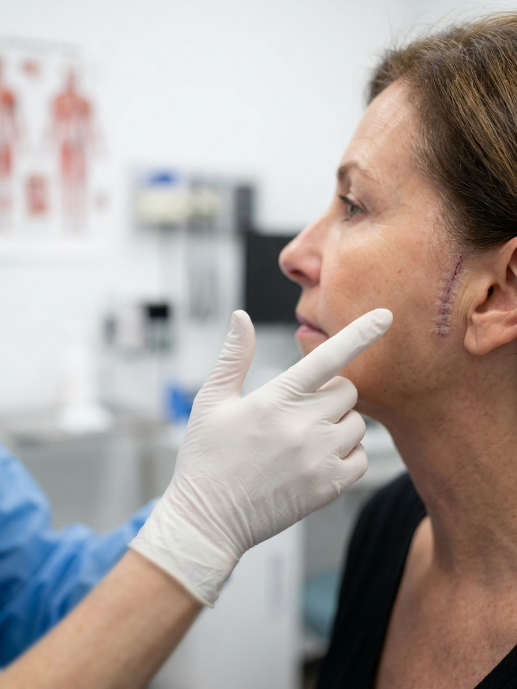
A weak chin or a sagging jawline can be corrected using thick, structural fillers. Jawline contouring has become increasingly popular for both men and women to create a sharper, more defined profile. This can also help camouflage “jowls” by creating a straight line from the ear to the chin.
Masseter Botox (Jaw Slimming)
Botox can be injected into the masseter muscles (the chewing muscles). This is highly effective for patients who suffer from TMJ or teeth grinding. Aesthetically, it slims the lower face, transforming a square-shaped jaw into a more feminine V-shape. This is a prime example of how Botox can be used for structural contouring rather than just wrinkle reduction.
The Art of Lip Enhancement
Lip fillers remain one of the most requested procedures globally. The goal is no longer just “bigger lips” but rather lip harmony. Fillers can be used to:
* Increase volume in thin lips.
* Define the Cupid’s bow and vermillion border.
* Correct asymmetry.
* Hydrate the lips from within.
* Smooth out “smoker’s lines” (perioral lines) above the upper lip.
Because the mouth is a highly mobile area, the longevity of the results varies. Patients often ask about the frequency of maintenance, and repeated facial filler injections are a standard part of a long-term aesthetic plan to maintain the desired volume.
Specialized and Advanced Applications
Beyond the standard areas, Botox and fillers are used in innovative ways to solve specific aesthetic dilemmas.
Non-Surgical Rhinoplasty (Liquid Nose Job)
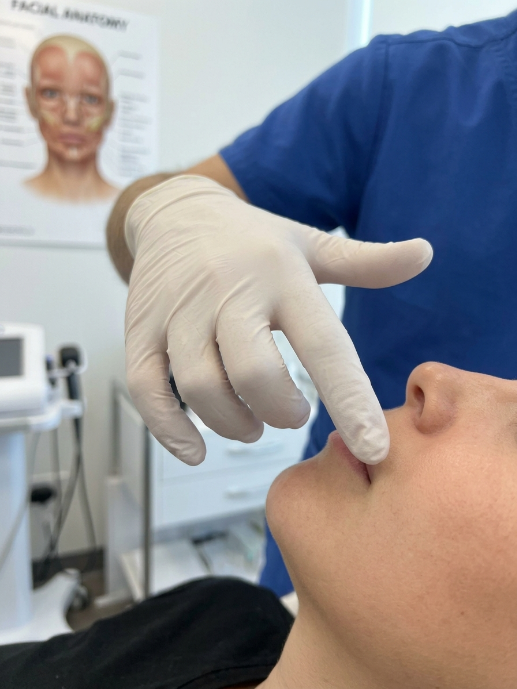
For patients with a minor hump on the bridge of the nose or a slightly drooping tip, fillers offer a non-surgical alternative to traditional rhinoplasty. By strategically placing filler, a surgeon can straighten the profile and lift the tip. However, as Prof. Dr. Selçuk İnanlı notes, this is a temporary solution and cannot fix functional breathing issues.
Bunny Lines and Gummy Smile
Bunny lines are the small wrinkles that appear on the bridge of the nose when you scrunch it. A tiny amount of Botox can smooth these out. Similarly, Botox can be injected into the muscles that lift the upper lip to treat a gummy smile, ensuring that less gum tissue is exposed when laughing.
Neck and Platysmal Bands
The neck is often a giveaway of age. Botox can be used to relax the vertical platysmal bands, creating a smoother neck and a more defined jawline (often called the “Nefertiti Lift”).
The Recovery and Aftercare Process
One of the main advantages of these treatments is the minimal downtime. Most patients can return to work immediately. However, there are specific protocols to follow to ensure the product settles correctly and to minimize bruising. For instance, it is highly recommended to avoid strenuous sports after Botox for at least 24 to 48 hours to prevent the toxin from migrating to unintended muscles.
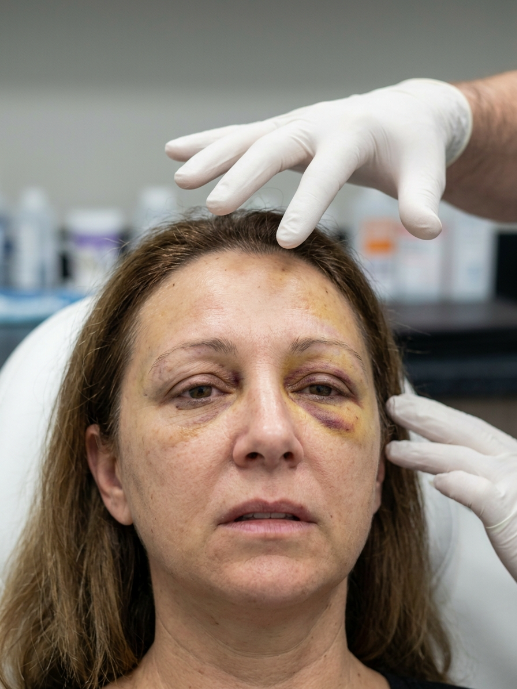
For fillers, avoiding high heat (saunas, steam rooms) and excessive facial massage is crucial in the first week. While minor swelling and bruising are normal, they typically resolve within a few days, revealing the final results.
Why Choose a Specialist Like Prof. Dr. Selçuk İnanlı?
Facial anatomy is a complex map of nerves, blood vessels, and muscles. Injecting Botox or fillers is not merely a technical task but an artistic one. A surgeon with a deep background in Otorhinolaryngology and Facial Plastic Surgery, such as Prof. Dr. Selçuk İnanlı, understands the underlying structures of the face better than anyone. This expertise ensures not only the safety of the procedure but also the achievement of the Golden Ratio, ensuring that every treatment enhances the patient’s natural beauty rather than masking it.
Whether you are looking to smooth fine lines with Botox or restore youthful volume with fillers, a personalized consultation is essential. Each face is unique, and a tailored approach is the only way to ensure that the results are as unique as the individual. By combining the latest medical technology with a surgeon’s artistic vision, non-surgical facial rejuvenation can provide life-changing results with minimal risk and maximum satisfaction.
Sıkça Sorulan Sorular
What is the best age to start getting Botox and facial fillers?
There is no single ‘perfect’ age to begin these treatments, as every individual’s skin ages at a different rate due to genetics, lifestyle, and sun exposure. However, many patients start ‘preventative Botox’ in their late 20s or early 30s to stop expression lines from becoming deep, permanent wrinkles. Fillers are typically introduced when a patient notices a loss of volume in the cheeks or lips, or the deepening of nasolabial folds. The decision should be based on anatomical needs rather than a chronological number, determined during a professional consultation.
Is the procedure for facial fillers and Botox painful?
Most patients find these procedures very tolerable. Botox injections use extremely fine needles, and the sensation is often described as a quick pinprick. For facial fillers, many products now contain lidocaine, a local anesthetic, which numbs the area from within during the injection. Additionally, topical numbing creams can be applied beforehand. Prof. Dr. Selçuk İnanlı prioritizes patient comfort, utilizing techniques that minimize trauma to the tissue and reduce the likelihood of pain or significant bruising.
How long do the results of Botox and fillers typically last?
The longevity of results varies between the two treatments. Botox typically lasts between 3 to 6 months, as the body eventually metabolizes the toxin and muscle movement returns. Facial fillers generally last longer, ranging from 6 months to 2 years, depending on the type of filler used, the area treated, and the patient’s metabolic rate. For example, fillers in highly mobile areas like the lips may dissolve faster than those used for cheek or jawline contouring.
Are there any risks or side effects associated with these injections?
When performed by a qualified specialist, the risks are minimal. Common side effects include temporary redness, swelling, or minor bruising at the injection site. Rare but more serious complications can include asymmetry, the ‘Tyndall effect’ (a bluish hue under the skin from filler), or vascular occlusion if filler is accidentally injected into a blood vessel. This is why choosing an experienced facial plastic surgeon like Prof. Dr. Selçuk İnanlı is vital, as they have the anatomical knowledge to avoid complications and the medical expertise to manage them if they occur.
Can I combine Botox and fillers in the same session?
Yes, combining Botox and fillers in a single session is a very common and effective approach known as a ‘Liquid Facelift.’ This allowed the surgeon to address both dynamic wrinkles (with Botox) and volume loss or static folds (with fillers) simultaneously. By treating multiple areas at once, the surgeon can achieve a more balanced and harmonious rejuvenation of the entire face, ensuring that the upper and lower face look consistent and naturally youthful.