What is MidFace Filler, How is it Applied?
Midface filler is a popular cosmetic procedure that provides significant improvement in a person’s appearance by adding volume to their skin.
Throughout history, the desire for beauty and youth has been one of the fundamental instincts of humanity. As the aging process progresses, the appearance of wrinkles and volume loss in the skin can lead many individuals to feel aged and tired. Fortunately, with advancements in medical technology, it is now possible to partially halt or at least slow down the aging process. Midcheek filler is one such popular and effective solution in this field.
In this procedure, certain filler materials are injected beneath the skin. These ones usually consist of biologically compatible molecules such as hyaluronic acid, calcium hydroxylapatite, or poly-L-lactic acid. They add volume to the tissues under your skin, thereby correcting wrinkles and sagging. Prof. Dr. Selçuk İnanlı successfully and safely performs these procedures at his clinic.
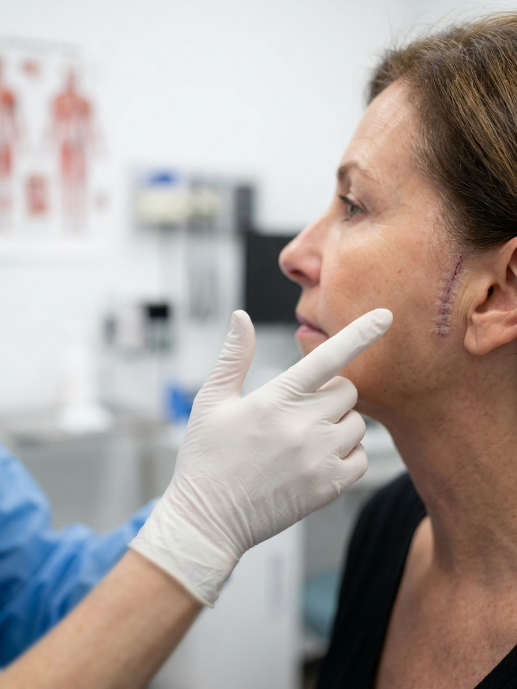
You might wonder where the midcheek grooves’ area is located. It encompasses the area starting from under your eyes and extending to your cheekbones, between your nose and mouth. Over time, volume loss occurs in this area, and the underlying support tissues of the skin weaken. As a result, you may experience hollowed cheeks and the appearance of deep nasal labial lines.
How Is MidFace Filler Done?
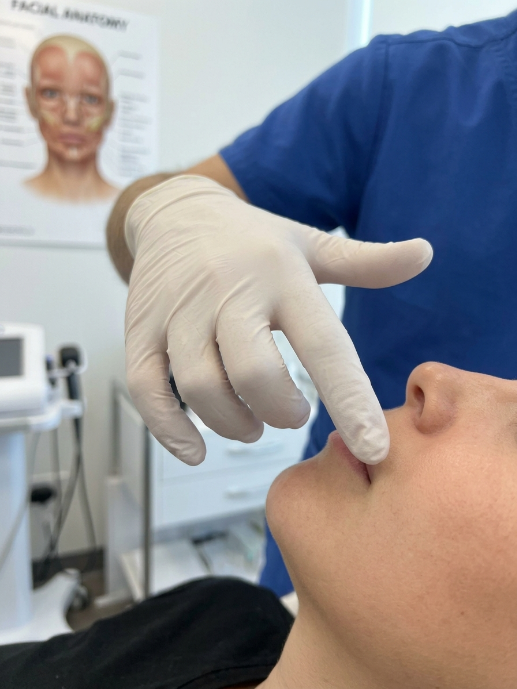
Mid-face filler practice is carried out by an experienced specialist in the field. Prior to the procedure, the appropriate filler material is selected based on your expectations, needs, and skin type. Then, the treatment area is cleansed, and usually, a local anesthetic cream is applied. After this step, the specific filler is injected into your skin using a fine needle. The procedure generally takes between 15 to 30 minutes, and you can go back to your daily activities immediately. With this operation, you can address the following issues:
- Reducing under-eye bags and dark circles.
- Enhancing cheekbone definition.
- Correcting sunken cheeks.
- Diminishing nasolabial folds.
- Lifting the corners of the mouth and the edges of the lips.
What Types of Mid-Face Fillers Are There?
There is a variety of filler materials used for mid-face fillers/grooves procedures. One of the most popular ones is hyaluronic acid fillers. They regulate the skin’s moisture balance and add volume to it. Your body naturally produces this substance. Additionally, it provides elasticity and fullness. The injected material is gradually absorbed over time, but with regularly repeated applications, the results can be maintained for a long period.
Another commonly used filler type is calcium hydroxylapatite. These tend to have a more long-lasting effect compared to other fillers. This filler also stimulates collagen production, providing long-term youthfulness and fullness. On the other hand, poly-L-lactic acid fillers also achieve the same stimulation under your skin, reducing wrinkles.
Mid-face filler can be applied to adults who are unhappy with signs of aging and want to combat them to achieve a younger and more vibrant appearance. However, it may not be suitable for everyone. Before the procedure, your specialist will assess your general health condition and skin type to determine if you are a suitable candidate.
Prior to the application, it is crucial to follow your specialist’s recommendations and share any history of allergic reactions you may have. Additionally, if you are using blood-thinning medications or aspirin, you should inform them about it. After the operation, it is essential to adhere to the recommended care instructions for long-lasting results.
Advantages and Disadvantages of Mid-Face Filler
Mid-face filler offers numerous advantages, including providing liveliness and freshness to the skin, reducing under-eye bags and dark circles, enhancing cheekbone definition and correcting facial contours, addressing cheek hollows, and reducing nasolabial lines. Furthermore, mid-cheek filler delivers quick and effective results with minimal recovery time, allowing patients to return to their daily lives immediately.
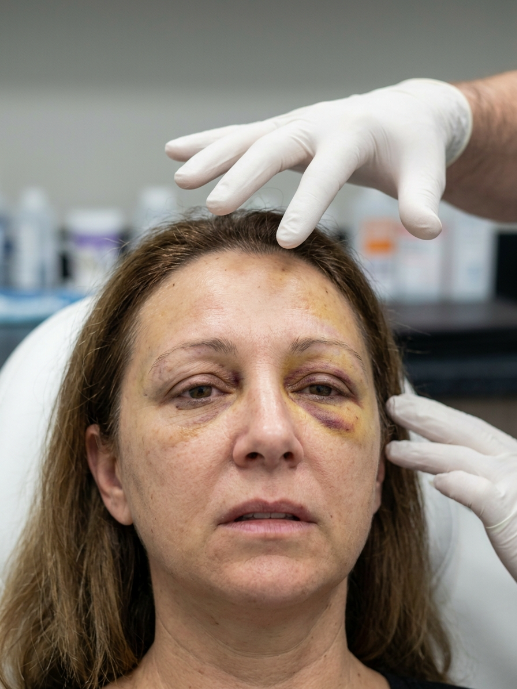
However, it’s important to consider the disadvantages as well. Some individuals may experience mild side effects after the procedure, such as slight swelling and redness, but these are generally temporary. Since the filler materials are naturally broken down by the body, the duration of the effect is limited, and regular touch-up sessions may be necessary. Additionally, there is a risk of infection after the procedure, so proper hygiene practices should be observed. Overfilling can lead to undesirable results, making it essential for mid-face filler applications to be performed by experienced professionals.
The question of whether mid-cheek filler can be combined with other cosmetic procedures is a matter of interest for patients. Especially when combined with Botox, it is possible to address wrinkles on the face and achieve the desired appearance. Such combinations can help achieve more effective results. On the other hand, mid-face filler costs may vary depending on the type of filler used, the expertise of the doctor, and the size of the treated area. Prof. Dr. Selçuk İnanlı, Turkey’s top Rhinoplasty specialist, performs safe and comfortable procedures in all areas of expertise. If you are interested in learning more about this procedure, please contact us via contact information.
What is Mid-Face Filler? How is it Applied?
Understanding Mid-Face Filler: The Key to Facial Rejuvenation
In the realm of modern medical aesthetics, the mid-face is often considered the most critical region for maintaining a youthful, vibrant appearance. As we age, the central part of our face—encompassing the cheekbones, the area under the eyes, and the region extending toward the nose and mouth—undergoes significant changes. Mid-face filler is a non-surgical cosmetic procedure designed to restore lost volume, lift sagging tissues, and harmonize facial proportions. By using advanced dermal fillers, specialists can achieve results that were once only possible through invasive surgery.
Prof. Dr. Selçuk İnanlı, an ENT and Facial Plastic Surgery specialist, emphasizes that facial aesthetics is a blend of science and art. The mid-face acts as the structural support for the entire face. When this support weakens, it leads to a cascading effect, causing hollows under the eyes and deepening folds around the mouth. Understanding what is mid-face filler and how it is applied is essential for anyone looking to reverse the signs of aging without the downtime associated with traditional surgery.
The Anatomy of the Mid-Face and the Aging Process
To appreciate the impact of mid-face volumization, one must first understand the structural components of this region. The mid-face is composed of bone, muscles, and several distinct fat pads. In our youth, these fat pads are plump and positioned high on the cheekbones, creating the “Triangle of Youth”—where the widest part of the face is at the cheeks, tapering down to a refined chin.
As the aging process begins, usually in the late 20s or early 30s, several biological shifts occur:
- Bone Resorption: The skeletal foundation of the mid-face begins to recede, providing less support for the overlying soft tissues.
- Fat Pad Atrophy and Descent: The superficial and deep fat pads lose volume and, under the influence of gravity, begin to slide downward. This creates a flattened appearance in the cheeks.
- Collagen and Elastin Depletion: The skin loses its elasticity, making it less capable of holding tissues in their original position.
These changes result in the formation of the nasolabial folds (smile lines) and the tear trough (hollows under the eyes). Mid-face filler directly addresses these issues by replacing the lost volume and providing a mechanical lift to the lower face.
What Exactly is Mid-Face Filler?
Mid-face filler typically refers to the strategic injection of substances—most commonly Hyaluronic Acid (HA)—into the malar and sub-malar regions. Hyaluronic acid is a naturally occurring molecule in the human body that attracts and retains moisture, providing hydration and structure to the skin. Because it is biocompatible, the risk of allergic reaction is extremely low.
Beyond HA, other materials like Calcium Hydroxylapatite or Poly-L-Lactic Acid may be used depending on the patient’s skin quality and the desired longevity of the results. However, HA remains the gold standard due to its reversibility and natural-looking integration with facial tissues. For those wondering about the variety of options, exploring which dermal fillers are used can provide deeper insight into the technology behind these products.
How is Mid-Face Filler Applied? A Step-by-Step Guide
The application of mid-face filler is a precise procedure that requires an intimate knowledge of facial anatomy to ensure both safety and aesthetic success. Under the expertise of a surgeon like Prof. Dr. Selçuk İnanlı, the process is streamlined and patient-focused.
1. The Comprehensive Consultation
Every successful treatment begins with a detailed analysis. The physician evaluates the patient’s facial structure, skin thickness, and degree of volume loss. This is also the time to discuss expectations. A “liquid lift” can do wonders, but for patients with severe skin laxity, the doctor might suggest that facelift surgeries are a more appropriate long-term solution.
2. Marking and Numbing
The target areas are carefully marked. While many modern fillers contain lidocaine (a local anesthetic), a topical numbing cream may be applied to the skin to ensure maximum comfort. The goal is to make the procedure virtually painless.
3. The Injection Technique: Needle vs. Cannula
There are two primary methods for delivering the filler:
* Needles: Used for precise, deep injections directly onto the bone to create structural support.
* Micro-cannulas: These are blunt-tipped tools that can move through the tissue layers with minimal trauma. Cannulas are often preferred for the mid-face as they significantly reduce the risk of bruising and vascular complications.
4. Sculpting and Evaluation
The filler is injected in small, controlled amounts. The physician may gently massage the area to ensure the product is distributed evenly. The patient is often asked to sit upright during the process so the doctor can observe the effects of gravity and ensure symmetry.
Benefits of Mid-Face Volumization
The advantages of treating the mid-face extend far beyond just “bigger cheeks.” The holistic benefits include:
* Lifting the Lower Face: By adding volume to the upper malar area, the skin of the lower face is pulled upward, often softening the appearance of jowls.
* Correcting Tear Troughs: Providing support to the mid-face often reduces the depth of the hollows under the eyes, making the patient look well-rested.
* Defining the Cheekbones: For those who naturally have a flat facial profile, fillers can create the illusion of high, defined cheekbones.
* Minimal Downtime: Unlike surgical interventions, patients can usually return to their daily activities almost immediately.
What to Expect After the Procedure
Once the injections are complete, the results are visible immediately, though the final look will settle over the following two weeks. Some minor swelling or redness is normal. Following specific skincare tips after facial fillers can help maintain the integrity of the results and speed up the healing of injection points.
It is generally advised to avoid strenuous exercise, saunas, and excessive sun exposure for at least 24 to 48 hours. Sleeping with the head slightly elevated can also help minimize initial swelling. Because the filler is a gel-like substance, it takes a few days to fully integrate with your natural tissues.
Longevity and Maintenance
A common question is whether facial filler injections can be repeated. The answer is yes. In fact, regular maintenance is often recommended to sustain the lifting effect. Most hyaluronic acid fillers in the mid-face last between 12 to 18 months. Over time, the body naturally metabolizes the HA. Factors such as the patient’s metabolism, the specific product used, and the injection technique all play a role in how long the results persist. For more details on the duration and frequency of treatments, patients can read about how facial filler injections can be repeated safely.
Safety and Potential Risks
While mid-face filler is considered a safe procedure, it is not without risks, especially when performed by unqualified individuals. Potential complications include:
* Asymmetry: Uneven distribution of filler.
* Tyndall Effect: A bluish tint under the skin if the filler is injected too superficially.
* Vascular Occlusion: A rare but serious complication where filler enters a blood vessel. This is why choosing an experienced specialist like Prof. Dr. Selçuk İnanlı is paramount. A surgeon’s deep understanding of the facial vascular network minimizes these risks significantly.
The Synergy of Fillers with Other Procedures
In many cases, mid-face filler is part of a broader rejuvenation plan. For instance, a patient undergoing rhinoplasty may find that adding a small amount of filler to the cheeks enhances the overall profile and balance of the face. Similarly, fillers can be used to “fine-tune” the results after a surgical facelift. The combination of surgical and non-surgical techniques allows for a customized approach that addresses every layer of facial aging.
Why Choose an ENT and Facial Plastic Surgeon?
The mid-face is a complex anatomical zone containing vital nerves, blood vessels, and the sinus cavities. An ENT (Ear, Nose, and Throat) specialist who has further specialized in Facial Plastic Surgery possesses a unique advantage. They do not just see the skin; they understand the underlying framework. Prof. Dr. Selçuk İnanlı, with his international certifications and decades of experience, ensures that every injection is placed with surgical precision, prioritizing both the health and the aesthetic goals of the patient.
The Psychological Impact of a Refreshed Appearance
Aesthetics is not merely about vanity; it is about self-confidence. When we look in the mirror and see a face that looks tired or prematurely aged, it can affect our social and professional interactions. By restoring the mid-face volume, patients often report feeling more energetic and positive. The natural-looking results achieved with modern fillers allow patients to look like a “refreshed version of themselves” rather than someone who has clearly had “work done.”
Conclusion: A Natural Path to Youthfulness
Choosing to undergo mid-face filler is a significant step toward reclaiming a youthful silhouette. By understanding the causes of facial aging and the sophisticated methods used to counteract them, patients can make informed decisions. Whether you are looking to define your cheekbones, soften your smile lines, or simply look more rested, the mid-face is the place to start. With the right expert guidance and high-quality materials, you can achieve a balanced, harmonious, and naturally beautiful result that stands the test of time.
Sıkça Sorulan Sorular
How long does the mid-face filler procedure take, and is there any downtime?
The actual injection process for mid-face filler typically takes between 30 to 45 minutes, making it a very convenient ‘lunchtime’ procedure. While there is no significant downtime and most patients return to work immediately, we do advise avoiding intense physical activity and extreme heat for the first 48 hours. Minor swelling or occasional bruising at the injection site may occur, but these typically resolve within a few days and can easily be camouflaged with light makeup.
Is the application of mid-face filler painful?
Most patients describe the sensation as a mild pressure rather than actual pain. To ensure a comfortable experience, we use high-quality fillers that are pre-mixed with lidocaine, a local anesthetic. Additionally, we can apply a topical numbing cream prior to the treatment. When using a micro-cannula technique, the number of skin punctures is minimized, further reducing discomfort and the risk of bruising compared to traditional needle injections.
When will I see the final results of my mid-face filler?
While you will notice an immediate improvement in volume and lift right after the session, the ‘final’ result usually takes about 2 weeks to manifest. This period allows the hyaluronic acid gel to fully settle into the tissues and attract necessary moisture. Any initial minor swelling will subside during this time, revealing a smooth, natural, and rejuvenated facial contour that integrates seamlessly with your existing features.
Can mid-face filler replace the need for a surgical facelift?
Mid-face filler is an excellent option for patients with mild to moderate volume loss and early signs of sagging, often referred to as a ‘liquid lift.’ However, it cannot remove excess skin or tighten underlying muscles to the extent that a surgical facelift can. For patients with significant skin laxity or advanced jowling, Prof. Dr. Selçuk İnanlı may recommend a surgical approach as the most effective way to achieve a long-lasting and comprehensive rejuvenation.
Are mid-face fillers permanent, and what happens if I don’t like the result?
No, mid-face fillers made of hyaluronic acid are not permanent; they typically last between 12 to 18 months as the body slowly breaks them down. One of the greatest safety features of HA fillers is that they are reversible. If a patient is unhappy with the result or if a complication occurs, an enzyme called hyaluronidase can be injected to safely and quickly dissolve the filler, returning the face to its pre-treatment state within hours.