What are the different facelift techniques?
Facelift procedures employ a range of
techniques, which can vary depending on both the specific facial areas being
addressed and the methods chosen. These techniques include SMAS (superficial
musculoaponeurotic system) facelift, endoscopic facelift, and mini facelift,
among others. To determine the most suitable technique for your needs, it is
advisable to consult with a medical professional.
What Are the Different Facelift Techniques? A Comprehensive Guide to Facial Rejuvenation
Understanding Modern Facial Rejuvenation
The quest for a youthful appearance is as old as civilization itself, but the methods we use to achieve it have evolved significantly. Today, when patients ask what are the different facelift techniques, they are often looking for a solution that provides natural-looking results with minimal downtime. A facelift, or rhytidectomy, is no longer a ‘one-size-fits-all’ procedure. Instead, it is a highly customized surgery tailored to the unique anatomy and aging patterns of each individual. Under the expertise of an ENT and Facial Plastic Surgery Specialist like Prof. Dr. Selçuk İnanlı, patients can access cutting-edge techniques that address everything from fine lines to deep structural sagging.
Facial aging is a multi-dimensional process. It involves the thinning of the skin, the redistribution and loss of facial fat, and the loosening of the underlying muscular structures. To combat these changes effectively, surgeons have developed various approaches. Understanding these different facelift techniques is the first step toward making an informed decision about your aesthetic journey. Whether you are dealing with early signs of jowling or significant neck laxity, there is a surgical path designed to restore your confidence.
The Anatomy of the Face: Why Technique Matters
To appreciate the differences between facelift methods, one must understand the layers of the face. The face consists of the skin, the subcutaneous fat, the SMAS (Superficial Musculoaponeurotic System), and the deep tissues/muscles. The SMAS is a fibrous, fatty layer that connects the facial muscles to the skin. In the early days of plastic surgery, facelifts only involved pulling the skin tight. This often resulted in a ‘windblown’ or unnatural look. Modern surgery focuses on repositioning the SMAS layer, which provides a more durable and natural-looking lift.
When a surgeon evaluates a patient for Facelift Surgeries, they are looking at the degree of laxity in these layers. A younger patient might only need skin-level intervention or a minor SMAS adjustment, whereas an older patient with significant sagging might require a Deep Plane Facelift to address the structural foundations. Prof. Dr. Selçuk İnanlı emphasizes that the goal is never to change a person’s face, but to return it to a more youthful version of itself by respecting these anatomical boundaries.
1. The SMAS Facelift: The Gold Standard
The SMAS Facelift remains one of the most popular and effective techniques in facial plastic surgery. This method involves lifting and tightening the SMAS layer, which sits beneath the skin. By addressing this deeper structure, the surgeon can provide a lift that lasts much longer than a traditional skin-only lift. There are two primary ways to handle the SMAS: SMAS Plication and SMAS Imbrication.
SMAS Plication vs. SMAS Imbrication
In SMAS Plication, the layer is folded over itself and sutured into a higher position. This is ideal for patients with moderate sagging who need volume in the cheek area. In SMAS Imbrication, a portion of the SMAS is actually removed, and the edges are sutured together. This provides a more aggressive lift for patients with significant tissue redundancy. Both methods ensure that the tension is placed on the muscle layer rather than the skin, which prevents the tell-tale signs of a ‘surgical’ look. This technique is often the key for those who want to look 10 years younger with a facelift.
2. The Deep Plane Facelift: Advanced Structural Correction
The Deep Plane Facelift is widely considered the most advanced and effective technique for comprehensive facial rejuvenation. Unlike the SMAS lift, which treats the skin and SMAS as separate layers, the Deep Plane approach goes beneath the SMAS layer to release the ligaments that hold the tissues in place. This allows the entire composite of skin and muscle to be moved as a single unit.
Why Choose the Deep Plane Approach?
This technique is particularly effective for correcting the midface, smoothing out deep nasolabial folds, and sharpening the jawline. Because the ligaments are released, there is no tension on the skin at all, resulting in the most natural appearance possible. Furthermore, because the blood supply to the skin is preserved more effectively than in other techniques, the Deep Plane Facelift often results in less bruising and a faster recovery process after a facelift. It is the preferred method for senior surgeons who deal with complex aging cases.
3. The Mini Facelift: For Early Intervention
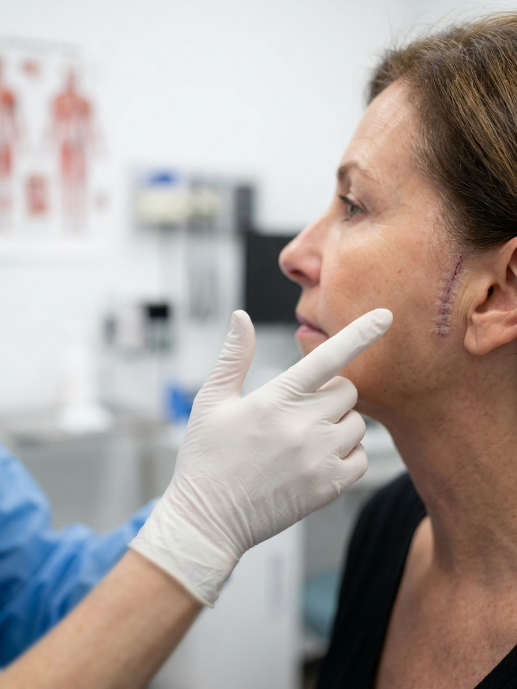
Not everyone requires a full surgical overhaul. The Mini Facelift, often referred to as a ‘weekend lift’ or ‘S-lift,’ is designed for younger patients—typically in their late 40s or early 50s—who are just beginning to notice sagging in the lower face and jowls. This technique utilizes smaller incisions, usually hidden around the ear, and involves less extensive tissue dissection.
Benefits and Limitations of the Mini Lift
The primary benefit of the Mini Facelift is the reduced downtime and lower risk of complications. However, it is important to note that this technique does not address the neck or the midface as effectively as a full facelift. It is a targeted procedure for those who want to maintain their jawline definition before significant aging occurs. Prof. Dr. Selçuk İnanlı often recommends this for patients who have good skin elasticity but need a subtle ‘refresh.’
4. MACS Lift (Minimal Access Cranial Suspension)
The MACS Lift is a variation of the short-scar facelift. It stands for Minimal Access Cranial Suspension. In this technique, the surgeon uses permanent sutures to loop through the SMAS and anchor it to the deep temporal fascia (the sturdy tissue near the temples). This provides a vertical lift, which is more natural than the horizontal pull seen in older techniques.
Vertical Suspension and the Natural Look
The beauty of the MACS Lift is that it avoids long incisions behind the ear. It is highly effective for lifting the jowls and the corners of the mouth. Because the lift is vertical, it counters the effects of gravity directly. It is an excellent middle-ground option for patients who need more than a mini-lift but aren’t yet ready for a deep plane procedure.
5. The Midface Lift: Targeting the Cheeks
As we age, the fat pads in our cheeks (malar fat pads) begin to slide downward, leading to a hollowed look under the eyes and heavy folds around the mouth. A Midface Lift specifically targets this area. It can be performed through small incisions in the hairline or inside the mouth, often with the help of an endoscope.
Restoring the ‘Triangle of Youth’
A youthful face is often described as an inverted triangle, with the base at the cheeks and the point at the chin. Aging flips this triangle. The Midface Lift restores the volume to the upper cheeks, smoothing out the lower eyelids and lifting the upper lip area. This procedure is frequently combined with Eyelid Aesthetics (blepharoplasty) to provide a complete rejuvenation of the central face.
6. The Neck Lift: Completing the Profile
A facelift often feels incomplete if the neck is not addressed. A Neck Lift, or lower rhytidectomy, focuses on the area from the jawline to the collarbone. It addresses ‘turkey neck,’ horizontal bands, and excess fat under the chin. There are two main components to a neck lift: Cervicoplasty (removing excess skin) and Platysmaplasty (tightening the neck muscles).
Platysmaplasty: Tightening the Bands
The platysma is a thin sheet of muscle in the neck. Over time, its edges can separate, creating vertical bands. During a Platysmaplasty, the surgeon sews these muscle edges together, much like a corset, to create a tight, youthful neck angle. In many cases, Prof. Dr. Selçuk İnanlı combines a facelift with a neck lift to ensure a seamless transition between the face and the neck, avoiding any aesthetic ‘disconnect.’
7. Endoscopic Facelift: The Scarless Approach
For patients concerned about visible scarring, the Endoscopic Facelift offers a solution. Using a tiny camera (endoscope) and specialized instruments, the surgeon can visualize and reposition the facial tissues through very small incisions hidden in the hair. This technique is best suited for lifting the brow and the midface.
Advantages of Endoscopy
Because the incisions are small, there is minimal risk of nerve damage and significantly less swelling. This is a highly technical procedure that requires a surgeon with extensive experience in Endoscopic Surgery. While it cannot remove large amounts of excess skin, it is unparalleled for structural lifting in patients with moderate laxity.
Combining Techniques for Optimal Results
Rarely does a single technique solve all of a patient’s concerns. The most successful outcomes often involve a combination of procedures. For example, a SMAS Facelift might be paired with Fat Grafting to restore lost volume, or a Deep Plane Lift might be combined with a Brow Lift to open up the eye area. Prof. Dr. Selçuk İnanlı creates a bespoke surgical plan for every patient, ensuring that every aspect of facial aging is addressed harmoniously.
The Role of Non-Surgical Adjuncts
Sometimes, surgical techniques are complemented by non-surgical treatments like Botox or Dermal Fillers. These can be used to fine-tune the results, addressing fine surface wrinkles that a lift cannot always eliminate. This holistic approach ensures that the patient looks rejuvenated from every angle.
The Importance of Surgeon Selection
When researching what are the different facelift techniques, the most critical factor is not the name of the procedure, but the hands of the surgeon. Prof. Dr. Selçuk İnanlı is a board-certified specialist with the European Academy of Facial Plastic Surgery (EAFPS). His background as an ENT specialist gives him a profound understanding of facial anatomy, ensuring that both the form and function of the face are preserved.
A senior surgeon knows how to handle the delicate nerves and blood vessels of the face, minimizing risks and maximizing the longevity of the results. Whether you are opting for a Deep Plane Facelift or a MACS Lift, choosing a surgeon with international experience and a philosophy that blends art with science is essential.
Preparing for Your Facelift Journey
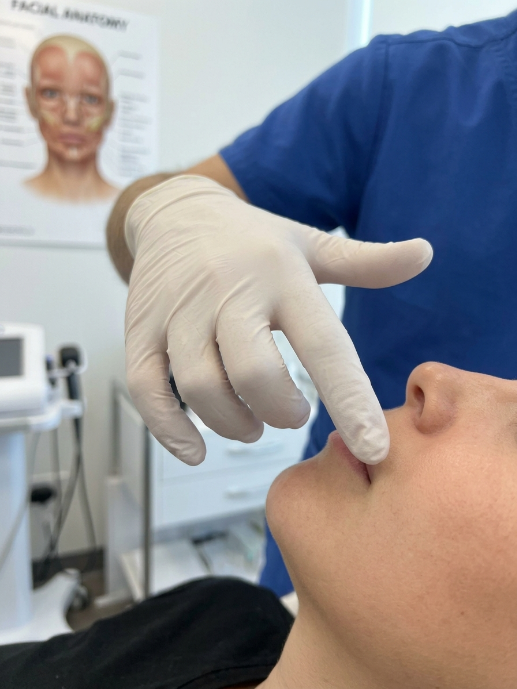
Preparation is key to a successful surgery. During your consultation, you will discuss your medical history, your aesthetic goals, and the specific things you should pay attention to when getting a facelift. It is vital to stop smoking at least several weeks before the procedure, as nicotine significantly impairs the healing process and increases the risk of skin necrosis.
Setting Realistic Expectations
A facelift can turn back the clock, but it cannot stop it. It is important to have realistic expectations about what surgery can achieve. A good candidate is someone in good health with a positive outlook and specific, achievable goals. During the consultation, digital imaging may be used to help you visualize the potential results of the various techniques discussed.
The Recovery Process: What to Expect
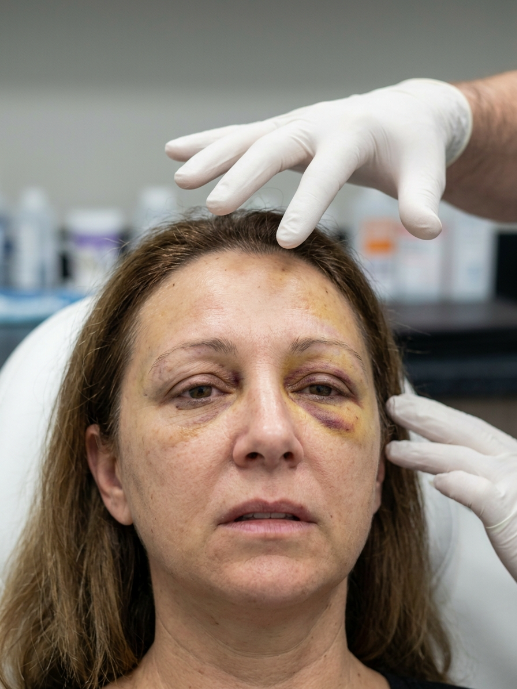
Recovery varies depending on the intensity of the technique used. A Mini Facelift may require only a week of social downtime, while a Deep Plane Facelift might require two to three weeks. Initially, patients will experience swelling, bruising, and a feeling of tightness. These are normal parts of the healing process.
Long-Term Care and Maintenance
To preserve the results of your facelift, it is essential to follow a strict skincare regimen and protect your skin from the sun. The longevity of a facelift depends on the technique—a Deep Plane Lift can last 10-15 years, while a Mini Lift may last 5-7 years. Regular follow-ups with your surgeon will help ensure that you continue to look your best as the years pass.
Why Istanbul for Your Facelift?
Istanbul has become a global hub for facial plastic surgery, and for good reason. Clinics like that of Prof. Dr. Selçuk İnanlı offer world-class surgical expertise combined with high-end patient care. For international patients, the experience is often seamless, with the clinic providing support from the initial consultation through to the final recovery stages.
Choosing to have your procedure in Istanbul means you are accessing some of the most experienced surgeons in the world, often at a more accessible price point than in the US or UK, without compromising on safety or quality. The Ministry of Health of the Republic of Turkey closely monitors these clinics, ensuring they meet international standards for health tourism.
Final Thoughts on Facelift Techniques
The world of facial plastic surgery is more versatile than ever. From the deep structural changes of the Deep Plane Facelift to the subtle refinements of the Mini Lift, there is a solution for every stage of aging. By understanding the different facelift techniques and working with a qualified expert like Prof. Dr. Selçuk İnanlı, you can achieve a refreshed, youthful appearance that feels entirely like you—only better.
Sıkça Sorulan Sorular
What is the primary difference between a Mini Facelift and a Full Facelift?
A Mini Facelift is a less invasive procedure that focuses primarily on the lower third of the face, specifically the jawline and jowls, using smaller incisions around the ears. It is ideal for younger patients with mild to moderate sagging. In contrast, a Full Facelift (often utilizing SMAS or Deep Plane techniques) addresses the midface, lower face, and usually the neck, providing a more comprehensive rejuvenation. While the Mini Facelift offers a quicker recovery, the Full Facelift provides more significant and longer-lasting structural changes for those with advanced signs of aging.
How long do the results of a Deep Plane Facelift typically last?
The Deep Plane Facelift is renowned for its longevity because it repositions the entire structural composite of the face rather than just pulling the skin. On average, the results of a Deep Plane Facelift can last between 10 to 15 years, depending on the patient’s lifestyle, genetics, and skin quality. Because the underlying ligaments are released and reset, the face continues to age from a much more youthful starting point, making it one of the most durable surgical options available in modern facial plastic surgery.
Is a Neck Lift always included in a Facelift procedure?
While a Neck Lift is not ‘always’ included, it is very frequently performed in conjunction with a facelift to ensure a harmonious result. Aging often affects the face and neck simultaneously, and performing a lift on the face without addressing a sagging or banded neck can create an unnatural aesthetic imbalance. During your consultation, Prof. Dr. Selçuk İnanlı will evaluate your neck laxity and determine if a combined approach, including platysmaplasty and cervicoplasty, is necessary to achieve your desired profile.
What is the ‘SMAS’ layer and why is it important in facelift surgery?
The SMAS (Superficial Musculoaponeurotic System) is a layer of tissue deep to the skin that connects the facial muscles. It is the most critical structure in modern facelift surgery because it acts as the foundation for the facial tissues. By tightening or repositioning the SMAS rather than just the skin, surgeons can achieve a more natural look that avoids the ‘pulled’ appearance of older surgical methods. Addressing the SMAS ensures that the tension is held by the sturdy muscle layer, which leads to longer-lasting results and better scar healing.
What is the typical recovery timeline for a modern facelift?
The recovery timeline depends on the specific technique used, but most patients can expect a ‘socially acceptable’ appearance within 10 to 14 days. During the first week, swelling and bruising are at their peak, and patients are advised to rest with their heads elevated. By the end of the second week, most sutures are removed, and makeup can often be used to hide any remaining bruising. While light activities can be resumed early, strenuous exercise should generally be avoided for at least 4 to 6 weeks to ensure optimal healing of the internal tissues.