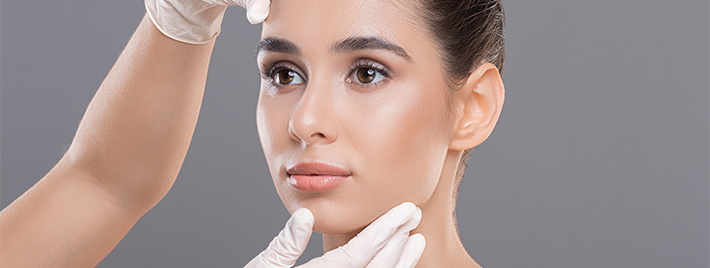
Face-lift surgeries
Comprehensive Guide to Face-lift Surgeries: Rejuvenation with Prof. Dr. Selçuk İnanlı
Understanding the Evolution of Face-lift Surgeries
The quest for eternal youth is as old as civilization itself, but only in recent decades have face-lift surgeries (technically known as rhytidectomy) evolved into the sophisticated, highly personalized procedures we see today. In the past, a facelift was often synonymous with a ‘pulled’ or ‘wind-tunnel’ look. However, modern techniques performed by specialists like Prof. Dr. Selçuk İnanlı focus on restoring the foundational structures of the face rather than merely stretching the skin. This shift from two-dimensional skin tightening to three-dimensional structural repositioning has revolutionized the field of facial plastic surgery.
A facelift is designed to address the visible signs of aging in the face and neck. As we age, the combination of gravity, sun exposure, and the natural loss of collagen and elastin leads to sagging skin, deepened folds around the mouth (nasolabial folds), and the appearance of jowls along the jawline. For many, these changes do not reflect their internal energy or vitality. This is where face-lift surgeries serve as a bridge, aligning one’s external appearance with their internal self-perception.
The Anatomy of Facial Aging
To appreciate the complexity of a facelift, one must understand the layers of the face. The skin is only the outermost layer. Beneath it lies the Superficial Musculoaponeurotic System (SMAS), a thin but strong layer of connective tissue and muscle that covers the deeper structures of the face. Aging affects every layer:
- The Bone: Bone resorption occurs over time, leading to a loss of structural support for the soft tissues.
- The Fat Pads: Facial fat tends to atrophy or migrate downward. For instance, the malar fat pads (cheeks) descend, contributing to jowls and hollow under-eyes.
- The SMAS Layer: This layer loses its tension, causing the midface to sag.
- The Skin: Becomes thinner and loses its ability to ‘snap back.’
By addressing these layers, a senior surgeon like Prof. Dr. Selçuk İnanlı can achieve a natural, long-lasting rejuvenation. His background as an ENT and Facial Plastic Surgery Specialist provides him with an intimate knowledge of facial anatomy, ensuring both aesthetic beauty and functional integrity.
Different Techniques in Face-lift Surgeries
Not every face ages in the same way, and therefore, no single surgical approach is suitable for everyone. Modern face-lift surgeries are categorized based on the depth of the dissection and the specific areas targeted.
The SMAS Facelift
The SMAS facelift remains a gold standard in the industry. During this procedure, the surgeon lifts and tightens the SMAS layer, which provides the actual lift for the lower face. Because the tension is placed on the deeper tissue rather than the skin, the results look natural and the scars heal better. This technique is excellent for patients with significant jowling and midface sagging.
Deep Plane Facelift
The Deep Plane Facelift is a more advanced variation where the surgeon goes beneath the SMAS layer to release the ligaments that tether the facial tissues. This allows for a completely tension-free repositioning of the entire midface and jawline. It is often considered the most effective way to address heavy nasolabial folds and significant midface descent. Many patients find they can look 10 years younger with a facelift of this caliber.
Mini Facelift
For younger patients or those with early signs of aging, a mini facelift might be the ideal option. This procedure involves shorter incisions, usually hidden around the ear, and focuses primarily on the lower face and jawline. It offers a quicker recovery time and is often referred to as a ‘weekend facelift.’ However, it does not address the neck or midface as comprehensively as a full facelift.
Midface Lift
A midface lift specifically targets the area between the lower eyelids and the mouth. It is often performed endoscopically. By lifting the cheek fat pads back to their youthful position, the surgeon can eliminate the ‘tired’ look associated with aging cheeks and deep tear troughs.
The Role of Prof. Dr. Selçuk İnanlı
Choosing the right surgeon is the most critical decision in your aesthetic journey. Prof. Dr. Selçuk İnanlı is not just a surgeon; he is a board-certified expert by the European Academy of Facial Plastic Surgery (EAFPS). His philosophy is that nasal and facial aesthetics are a blend of art and science.
With decades of experience since his residency at Marmara University and observership at Harvard University, Prof. Dr. İnanlı has mastered the nuances of the human face. He understands that a successful facelift is one that is invisible—where people notice you look refreshed and vibrant, but cannot tell you had ‘work done.’ His clinic in Istanbul serves as a hub for both local and international patients seeking world-class surgical care.
Preparing for Your Facelift
Preparation is key to a smooth surgery and a successful outcome. During your initial consultation, Prof. Dr. Selçuk İnanlı will conduct a thorough analysis of your facial structure, skin quality, and medical history.
Medical Evaluation and Lifestyle Adjustments
Patients must be in good physical health. This includes managing blood pressure and ensuring any chronic conditions are under control. One of the most vital aspects of preparation is smoking cessation. There are significant negative effects of smoking after facelift surgery, including delayed wound healing and an increased risk of skin necrosis. Nicotine constricts blood vessels, depriving the healing tissues of essential oxygen.
Setting Realistic Expectations
While a facelift can ‘turn back the clock,’ it does not stop the aging process. It is important to have a clear understanding of what the surgery can and cannot do. A facelift addresses the lower two-thirds of the face. If you have concerns about drooping eyebrows or heavy eyelids, Prof. Dr. İnanlı may suggest combining the facelift with a brow lift or blepharoplasty (eyelid surgery).
The Surgical Procedure: Step-by-Step
Face-lift surgeries are typically performed under general anesthesia or intravenous sedation. The procedure usually takes between three to five hours, depending on the complexity and whether other procedures are being performed simultaneously.
- Incisions: Incisions are strategically placed to be as inconspicuous as possible. They usually start in the hairline at the temples, continue around the ear, and end in the lower scalp. If the neck needs significant work, a small incision under the chin may also be used.
- Undermining: The surgeon gently separates the skin from the underlying fat and muscle.
- Structural Resculpting: This is the core of the surgery. Fat may be redistributed or added via facial fat injections. The SMAS layer is tightened with sutures to lift the facial structure.
- Skin Redraping: The skin is redraped over the new contours, and any excess skin is carefully trimmed away.
- Closing: The incisions are closed with fine sutures or skin clips. Drapes and bandages are applied to protect the area.
The Recovery Process: What to Expect
Recovery from face-lift surgeries requires patience. While the initial healing happens within a couple of weeks, the final results may take several months to fully manifest as the swelling completely subsides.
The First 48 Hours
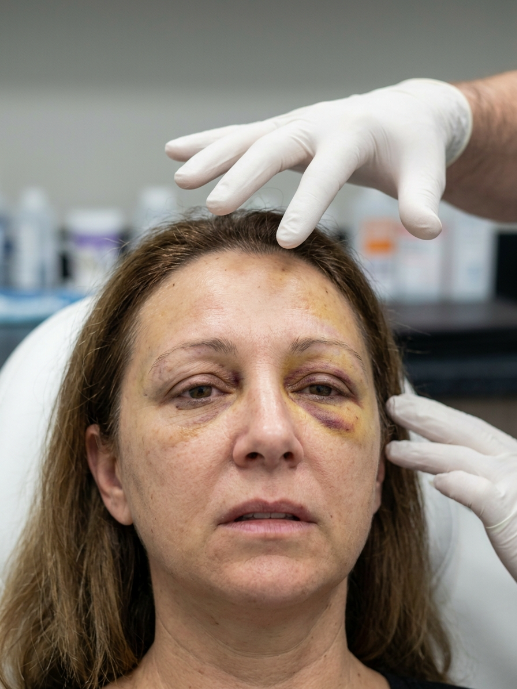
Immediately after surgery, your face will be wrapped in a supportive bandage. Some discomfort, swelling, and bruising are normal. You will be advised to keep your head elevated at all times, even while sleeping, to minimize swelling. Pain is usually well-managed with prescribed medications.
The First Week
Most patients return to the clinic for their first post-operative check-up within a few days. Sutures are typically removed in stages between day 5 and day 10. You should avoid any strenuous activity, bending over, or lifting heavy objects. Knowing what precautions should be taken during the recovery process after a facelift is essential for preventing complications like hematoma (blood collection under the skin).
Weeks Two to Four
By the end of the second week, much of the visible bruising will have faded, and many patients feel comfortable going out in public with a bit of camouflage makeup. You can usually return to non-strenuous work at this stage. However, the ‘tight’ sensation and some numbness around the ears may persist for several weeks.
Long-term Healing
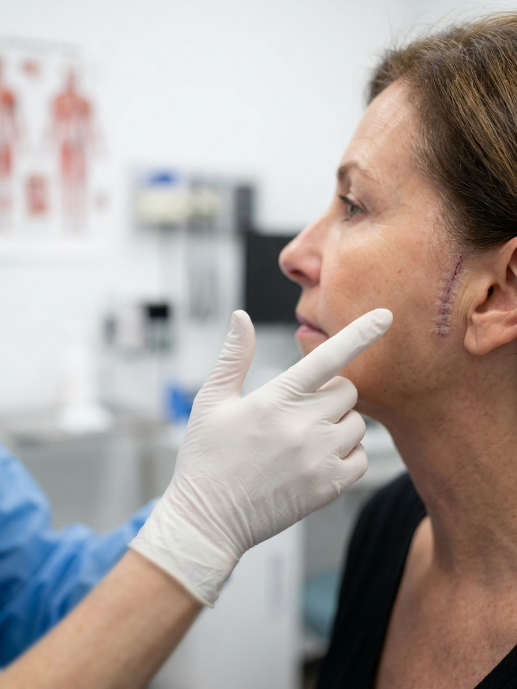
Over the next three to six months, the residual swelling disappears, and the scars begin to fade from red to a pale, thin line. It is crucial to protect your skin from the sun during this time, as UV exposure can cause permanent pigment changes in the scar tissue.
Complementary Procedures for Total Rejuvenation
A facelift is powerful, but it is often part of a larger plan for facial rejuvenation. Prof. Dr. Selçuk İnanlı often recommends complementary procedures to harmonize the results.
Eyelid Aesthetics (Blepharoplasty)
A facelift does not treat the eyes. If you have bags under your eyes or sagging upper lids, a blepharoplasty can make a dramatic difference. By removing excess fat and skin from the eyelids, the entire face looks more awake and youthful.
Fat Transfer and Fillers
As mentioned, aging involves a loss of volume. While a facelift repositions tissue, it doesn’t always restore lost volume. Fat injections (using the patient’s own fat) or dermal fillers can be used to ‘plump’ the lips, temples, or under-eye area, providing a softer, more youthful glow.
Neck Lift
In many cases, a facelift is performed in conjunction with a neck lift. This addresses ‘turkey neck’ or vertical bands in the neck (platysmal bands). Tightening the platysma muscle creates a sharp, clean jawline that is a hallmark of youth.
Why Choose Istanbul for Face-lift Surgeries?
Istanbul has become a global center for health tourism, particularly in the field of plastic surgery. The combination of highly skilled surgeons, state-of-the-art hospitals, and competitive pricing makes it an attractive destination.
Prof. Dr. Selçuk İnanlı provides services that meet international standards, backed by the Ministry of Health of the Republic of Turkey authorization for international health tourism. Patients traveling from abroad receive a comprehensive service package that ensures their safety and comfort from the moment they arrive in the city.
Risks and Safety in Face-lift Surgeries
Like any major surgery, a facelift carries certain risks. These can include infection, scarring, nerve injury (usually temporary), and anesthesia complications. However, in the hands of a board-certified specialist like Prof. Dr. Selçuk İnanlı, these risks are minimized.
His extensive training in Otorhinolaryngology (ENT) means he is an expert in the complex nerve networks of the face. Safety is prioritized through meticulous surgical technique, sterile environments, and rigorous post-operative follow-up. Patients are encouraged to follow all pre- and post-operative instructions to the letter to ensure the best possible outcome.
Maintaining Your Results
A facelift is a significant investment in yourself, and you want the results to last as long as possible. While the surgery ‘sets the clock back,’ the clock continues to tick. To maintain your new look:
* Sun Protection: Always wear high-SPF sunscreen and wide-brimmed hats.
* Skincare: Use medical-grade skincare products containing retinoids, antioxidants, and peptides.
* Healthy Lifestyle: A balanced diet, hydration, and avoiding smoking are essential.
* Non-surgical Maintenance: Periodic treatments with Botox or lasers can help maintain skin quality and prevent new wrinkles from forming.
By following these steps and maintaining a relationship with your surgeon, you can enjoy the benefits of your facelift for 10 to 15 years, or even longer.
The Psychological Impact of Facial Rejuvenation
The benefits of face-lift surgeries go far beyond the mirror. Many patients report a significant boost in self-confidence and a renewed sense of social and professional vigor. When you feel that your appearance accurately reflects your internal energy, it changes how you interact with the world.
Prof. Dr. Selçuk İnanlı understands this deeply. He views each surgery as a unique artistic project, tailored to the individual’s features and goals. His approach is not about creating a new face, but about revealing the best version of the face you already have. This psychological restoration is often the most rewarding part of the surgical journey for both the patient and the doctor.
In the modern era, aging is a choice. With the expertise of a world-class surgeon and the advanced techniques available today, you can reclaim your youthful appearance and face the future with confidence.
Sıkça Sorulan Sorular
What is the ideal age to undergo face-lift surgeries?
There is no single ‘perfect’ age for a facelift, as everyone ages at a different rate due to genetics, lifestyle, and environmental factors. Generally, most patients are between the ages of 45 and 65. However, younger patients in their late 30s or early 40s may opt for a mini-facelift to address early sagging, while older patients can still achieve excellent results as long as they are in good health. The decision is based more on the degree of skin laxity and structural descent rather than the number on a birth certificate.
Will there be visible scarring after a facelift?
A skilled surgeon like Prof. Dr. Selçuk İnanlı places incisions in the natural contours of the face and within the hairline to ensure they are as discreet as possible. Typically, incisions run along the front of the ear, around the earlobe, and into the hair behind the ear. Over time, these scars fade significantly, becoming nearly invisible pale lines that are easily hidden by hair or a bit of makeup. Proper post-operative care, including sun protection and scar gels, further helps in minimizing their appearance.
How long do the results of face-lift surgeries typically last?
While a facelift cannot stop the natural aging process, it typically ‘turns back the clock’ by about 10 years. Most patients enjoy their results for 10 to 15 years. The longevity of the procedure depends on your skin quality, bone structure, and how well you take care of your skin after the surgery. Maintaining a stable weight, avoiding smoking, and practicing strict sun protection are the most effective ways to prolong the youthful effects of your surgical rejuvenation.
Is the recovery from a facelift very painful?
Surprisingly, most patients describe the recovery from a facelift as more of a ‘discomfort’ or ‘tightness’ rather than intense pain. During the first few days, there may be some soreness and a feeling of pressure, which is easily managed with oral pain medication prescribed by your surgeon. The most challenging part of recovery for many is the swelling and bruising, which peaks at around 48 to 72 hours and then gradually subsides over the following two weeks.
Can I combine a facelift with other cosmetic procedures?
Yes, combining procedures is very common and often recommended to achieve a harmonious and balanced rejuvenation. Since a facelift primarily targets the lower two-thirds of the face, many patients choose to add blepharoplasty (eyelid surgery) to address tired-looking eyes or a forehead lift to correct drooping brows. Additionally, non-surgical treatments like fat transfer or laser skin resurfacing can be performed simultaneously to restore lost volume and improve skin texture, providing a comprehensive ‘total face’ transformation.