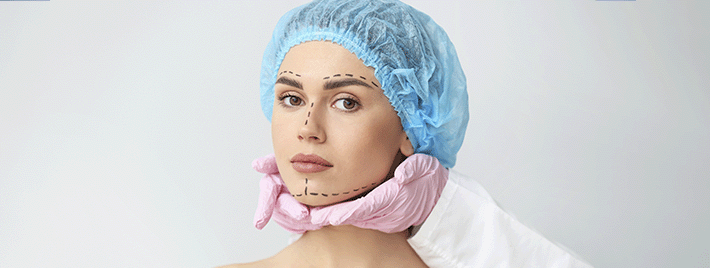
Negative Effects of Smoking After Facelift Surgery
Negative Effects of Smoking After Facelift Surgery: A Comprehensive Guide to Recovery and Risks
Introduction: The Conflict Between Tobacco and Aesthetic Excellence
Undergoing a facelift is a significant investment in your appearance, confidence, and long-term well-being. It is a sophisticated surgical procedure designed to reverse the visible signs of aging by tightening underlying tissues, removing excess fat, and redraping the skin of the face and neck. However, for the results of facelift surgeries to be truly successful, the body must be in an optimal state for healing. One of the single greatest obstacles to this success is smoking.
Tobacco use, whether through traditional cigarettes, vaping, or nicotine replacement therapies, introduces a cocktail of chemicals into the bloodstream that directly counteracts the surgical goals. Prof. Dr. Selçuk İnanlı, a leading expert in facial plastic surgery, emphasizes that patient safety and aesthetic precision are compromised when nicotine is present in the system. To achieve the best possible outcome, patients must understand the physiological battle that occurs when they choose to smoke during the critical recovery window.
The Physiology of Smoking and Surgical Healing
To understand why smoking is so detrimental, one must look at how the body heals. After a facelift, the skin and underlying tissues (often the SMAS layer) are manipulated. These tissues rely on a delicate network of tiny blood vessels, known as capillaries, to deliver oxygen and essential nutrients. Smoking disrupts this process through several distinct mechanisms.
Nicotine and Vasoconstriction
Nicotine is a potent vasoconstrictor. This means it causes the muscles within the walls of the blood vessels to contract, narrowing the space through which blood can flow. In the context of a facelift, where skin flaps have been lifted and moved, the blood supply is already temporarily reduced. Adding nicotine to the mix further chokes off this supply, leading to ischemia—a condition where tissues do not receive enough blood to remain healthy. This is why surgeons insist on knowing about a patient’s smoking history before getting a facelift.
Carbon Monoxide and Oxygen Transport
Cigarette smoke contains carbon monoxide, which has a much higher affinity for hemoglobin than oxygen does. When carbon monoxide enters the blood, it displaces oxygen, effectively reducing the oxygen-carrying capacity of the blood. Healing tissues require high levels of oxygen to produce collagen and repair cellular damage. When oxygen levels drop, the healing process slows down significantly, increasing the window of vulnerability for the patient.
Increased Blood Viscosity and Clotting Risks
Smoking increases the number of red blood cells and makes platelets more likely to stick together. This results in thicker, more viscous blood that is prone to forming clots. In a post-operative environment, micro-clots can block the tiny vessels supplying the newly repositioned facial skin, leading to localized tissue death and poor surgical outcomes.
The Nightmare Scenario: Skin Necrosis
The most feared complication associated with smoking after a facelift is skin necrosis. This occurs when the blood supply to a specific area of the skin is so severely restricted that the tissue dies. In a facelift, necrosis typically appears around the ears or along the incision lines where the skin is thinnest and the blood supply is most precarious.
Skin necrosis often begins as a dark or purplish discoloration. If the blood flow is not restored (which is difficult post-smoking), the skin eventually turns black and sloughs off. This leaves behind an open wound that requires extensive care and often results in significant, permanent scarring. In severe cases, a secondary reconstructive surgery may be needed to repair the area, but the aesthetic result will never be as clean as the original intended facelift. This is one of the most vital things you should know about facelift surgery before committing to the procedure.
Delayed Wound Healing and Increased Infection Risk
Even if full-blown necrosis does not occur, smokers almost always experience delayed wound healing. A non-smoker’s incisions typically close and begin the maturation process within a predictable timeframe. For a smoker, the lack of oxygen and nutrients means the body takes much longer to knit the tissues back together.
The Role of White Blood Cells
Oxygen is not just a building block; it is a weapon. White blood cells (neutrophils and macrophages) require oxygen to kill bacteria. When a smoker’s tissues are hypoxic (oxygen-starved), the immune response is weakened. This creates a perfect environment for bacteria to colonize the incision sites. A post-operative infection can be catastrophic, leading to abscesses, systemic illness, and the breakdown of the surgical repair.
Suture Breakdown (Dehiscence)
Because the skin is weak and slow to heal, the tension placed on the incisions can cause them to pull apart—a condition known as dehiscence. When sutures fail because the tissue is too fragile to hold them, the resulting gap must heal by “secondary intention,” which always results in a wider, thicker, and more noticeable scar.
The Impact on Scar Quality and Aesthetics
The goal of a facelift by a master surgeon like Prof. Dr. Selçuk İnanlı is to hide incisions within the natural contours of the ear and hairline, making them virtually invisible. Smoking ruins this precision.
When the body heals under the stress of nicotine, it produces lower-quality collagen. The scars that form in smokers are often:
* Hypertrophic: Raised and thick.
* Atrophic: Sunken and thin.
* Discolored: Remaining red or dark for much longer than usual.
Furthermore, the long-term aesthetic benefits are diminished. Smoking accelerates the breakdown of elastin and collagen throughout the face. Even if the surgery is technically successful, a patient who continues to smoke will see their skin sag and wrinkle much faster than a non-smoker, effectively shortening the “lifespan” of the facelift results.
Anesthesia and Respiratory Complications
The risks of smoking are not limited to the skin; they extend to the operating table itself. Smokers have more sensitive airways and often produce more mucus. During and after general anesthesia, this can lead to:
* Laryngospasm: A sudden constriction of the vocal cords that makes breathing difficult.
* Pneumonia: Increased risk of lung infections post-surgery.
* Decreased Lung Function: Difficulty maintaining proper oxygen saturation during the procedure.
Surgeons and anesthesiologists must take extra precautions with smokers, which adds an unnecessary layer of risk to an elective aesthetic procedure.
Protecting Your Investment: The “Quit Window”
To mitigate these risks, there is a strict protocol regarding tobacco. Most facial plastic surgeons require patients to stop smoking at least four to six weeks before surgery and continue to abstain for at least four to six weeks after surgery. This is not a suggestion; it is a clinical necessity for a safe recovery process after a facelift.
Why the Timeline Matters
* Pre-Op: Stopping weeks before allows the blood’s carbon monoxide levels to normalize and the blood vessels to regain their natural elasticity.
* Post-Op: The first few weeks are the “golden period” for revascularization. This is when the lifted skin flaps establish new blood vessel connections. Nicotine during this time is essentially a poison to those new connections.
What About Vaping and Patches?
Many patients mistakenly believe that switching to vaping or using nicotine patches is a safe alternative. It is not. The primary culprit in tissue death is nicotine itself, not just the smoke. Whether it is inhaled, chewed, or absorbed through a patch, nicotine causes vasoconstriction and threatens the surgical outcome. Total nicotine cessation is the only way to ensure safety.
Psychological and Lifestyle Preparation
Preparing for a facelift involves more than just physical readiness; it requires a mental commitment to a healthy lifestyle. Prof. Dr. Selçuk İnanlı encourages patients to view their surgery as a “fresh start.” Quitting smoking is the best gift you can give your skin.
Beyond the surgical risks, smoking contributes to:
* Perioral Wrinkles: The “smoker’s lines” around the mouth.
* Dull Complexion: A grayish, sallow skin tone due to chronic oxygen deprivation.
* Hollowed Cheeks: Accelerated fat loss in the face.
By quitting, you are not only ensuring a safer surgery but also enhancing the natural radiance that the facelift is designed to highlight.
Summary of Risks for the Smoking Patient
If you are a smoker considering a facelift, you must weigh the desire for rejuvenation against the very real possibility of permanent disfigurement. The negative effects include:
- Tissue Death: Potential for black, necrotic skin that requires debridement.
- Wide Scars: Incisions that pull apart and heal poorly.
- Infection: High risk of bacterial complications.
- Anesthesia Danger: Increased risk of respiratory failure or pneumonia.
- Short-lived Results: Rapid return of sagging skin and wrinkles.
Choosing a surgeon like Prof. Dr. Selçuk İnanlı ensures you are in the hands of a professional who prioritizes your safety. However, the patient’s responsibility in the recovery phase is equally critical. Following the no-smoking rule is the most important step you can take to protect your face and your health.
Abstaining from nicotine is a small price to pay for a lifetime of looking and feeling younger. The transformation provided by a facelift is a work of art, and like all art, it requires the right canvas—a healthy, oxygenated, and smoke-free body.
Sıkça Sorulan Sorular
How long exactly must I wait to smoke after my facelift surgery?
Most surgeons, including Prof. Dr. Selçuk İnanlı, strictly advise waiting a minimum of 4 to 6 weeks after a facelift before resuming any form of smoking or nicotine use. This timeframe is critical because the first month is when the skin flaps are establishing new blood vessel connections. Nicotine causes these vessels to constrict, which can lead to tissue death (necrosis) or severe scarring. Resuming smoking too early can permanently ruin the aesthetic results of your surgery.
Are e-cigarettes or vaping safer than traditional cigarettes after surgery?
No, e-cigarettes and vaping are not safer alternatives in the context of surgical recovery. While they may lack some of the tars found in combustible tobacco, they still contain nicotine. Nicotine is the primary chemical responsible for vasoconstriction (the narrowing of blood vessels), which starves healing tissues of oxygen. To ensure a safe recovery and avoid complications like skin loss, you must avoid all nicotine products, including vapes, patches, and gums.
What should I do if I accidentally smoked a cigarette during my recovery?
If you have smoked after your surgery, the most important step is to stop immediately and inform your surgeon. Do not hide this information, as your doctor needs to monitor your incision sites more closely for signs of reduced blood flow or infection. Your surgeon may recommend specific treatments or topical agents to help improve circulation, but the best course of action is to re-commit to total cessation to prevent further damage to the healing tissues.
Can second-hand smoke affect my facelift results?
Yes, second-hand smoke can be harmful during your recovery. Inhaling second-hand smoke still introduces carbon monoxide and other toxins into your bloodstream, which can reduce the amount of oxygen available to your healing facial tissues. While it is not as dangerous as primary smoking, it is highly recommended to stay in a smoke-free environment for at least the first few weeks following your procedure to give your body the best possible chance to heal cleanly.
Why does smoking cause such bad scarring in facelift patients?
Smoking leads to poor scar quality because it deprives the skin of the nutrients and oxygen required for healthy collagen production. When blood flow is restricted by nicotine, the edges of the incision heal more slowly and are more likely to pull apart (dehiscence). This forced the body to fill the gap with lower-quality scar tissue, resulting in scars that are thicker, wider, and more discolored than those of a non-smoker. For a procedure meant to be ‘invisible,’ smoking makes the surgical marks much more obvious.