What precautions should be taken during the recovery process after a facelift?
What Precautions Should Be Taken During the Recovery Process After a Facelift?
A facelift, or rhytidectomy, is a transformative surgical procedure designed to reverse the signs of aging by tightening the underlying muscles, redistributing fat, and redraping the skin of the face and neck. While the surgical skill of a specialist like Prof. Dr. Selçuk İnanlı is the foundation of a successful result, the recovery phase is equally critical. Understanding what precautions should be taken during the recovery process after a facelift is essential for any patient who wishes to protect their investment and ensure a safe, aesthetically pleasing outcome. The healing journey is not merely about waiting for time to pass; it is an active process that requires diligence, patience, and strict adherence to medical protocols.
The Significance of the Post-Operative Phase
The recovery period following facelift surgery is the bridge between the operating room and the final rejuvenation. During this time, the body’s natural inflammatory response is in full swing. Tissues are reconnecting, blood vessels are re-establishing flow, and the skin is settling into its new position. If a patient ignores the necessary precautions, they risk complications such as hematoma, infection, delayed wound healing, or unsatisfactory scarring. By following a structured recovery plan, patients can significantly reduce these risks and accelerate the timeline for showing off their refreshed appearance.
Immediate Care: The First 48 Hours
The first two days after a facelift are often the most demanding. Patients typically wake up with a bulky dressing around their head and neck to minimize swelling and provide support. In some cases, small drainage tubes may be placed behind the ears to prevent the accumulation of blood or fluid under the skin.
Managing Discomfort and Medication
Pain after a facelift is usually described as a feeling of tightness or soreness rather than sharp pain. It is vital to take prescribed analgesics exactly as directed. Patients should avoid over-the-counter medications like aspirin or ibuprofen unless specifically cleared by the surgeon, as these can increase the risk of bleeding. If you have questions about the preparation, you might want to review what should be considered when getting a facelift to understand the full scope of the surgical journey.
The Importance of Head Elevation
One of the most important precautions is keeping the head elevated at all times, even while sleeping. Using two or three pillows or sleeping in a recliner helps gravity assist in lymphatic drainage, which significantly reduces the intensity of edema (swelling) and ecchymosis (bruising). Keeping the head above the level of the heart prevents excessive blood pressure in the facial capillaries, lowering the chance of a hematoma.
Precautions for the First Week of Recovery
As the initial shock to the tissues subsides, the focus shifts to incision care and monitoring for potential issues. Most patients will have their first post-operative follow-up within the first week to have dressings and potentially drains removed.
Incision Care and Hygiene
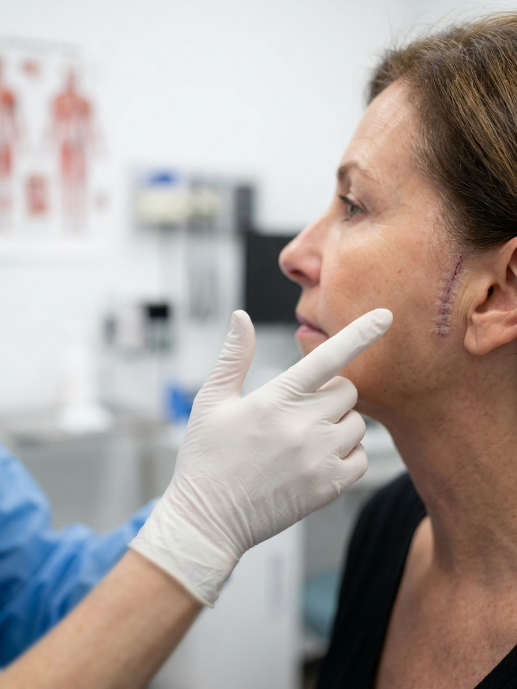
Keeping the surgical sites clean is paramount. Prof. Dr. Selçuk İnanlı provides specific instructions on how to gently wash the face and hair. Usually, patients are allowed to shower after 48 hours, but they must avoid hot water and high-pressure sprays directly on the incisions. Using a gentle, fragrance-free cleanser and patting the skin dry with a clean towel is the standard approach. Applying antibiotic ointments or specialized scar creams as prescribed will keep the incisions moist and facilitate faster epithelialization.
Monitoring for Complications
While complications are rare when the surgery is performed by an experienced professional, patients must remain vigilant. Signs that require immediate medical attention include:
- Sudden, asymmetric swelling on one side of the face.
- Redness or warmth around the incisions that spreads.
- A fever higher than 38°C (101.5°F).
- Shortness of breath or chest pain.
Activity Restrictions and Physical Limitations
One of the most difficult aspects for active patients is the restriction on physical movement. However, these precautions are non-negotiable for a safe recovery.
Avoiding Strenuous Exercise
For at least three to four weeks, patients must avoid any activity that raises their heart rate or blood pressure. This includes heavy lifting, running, aerobics, and even vigorous household chores. Increased blood pressure can cause fragile, healing blood vessels to burst, leading to internal bleeding. Light walking around the house is encouraged starting from the first day to promote circulation and prevent deep vein thrombosis (DVT), but anything more intense must be postponed.
Facial Mimics and Jaw Movement
To ensure the internal sutures remain intact and the skin heals without tension, patients should limit excessive facial expressions. Wide yawning, laughing, or shouting can pull on the incisions. Additionally, a diet of soft foods is recommended for the first few days to reduce the strain on the jaw and the facial muscles near the ears.
Lifestyle Adjustments for Optimal Healing
Your daily habits play a massive role in how quickly and how well you heal. A facelift is an opportunity to adopt a healthier lifestyle that will maintain the results for years to come.
The Critical Role of Smoking Cessation
If there is one precaution that stands above the rest, it is the total avoidance of nicotine. Smoking constricts blood vessels and reduces the oxygen-carrying capacity of the blood. This is devastating for a facelift patient because the skin flaps require a rich blood supply to survive. Patients who smoke are at a much higher risk of skin necrosis (tissue death) and permanent scarring. For more detailed information on this risk, read about the negative effects of smoking after facelift surgery.
Nutritional Support and Hydration
The body requires extra energy and nutrients to repair tissues. A diet high in protein, Vitamin C, and Zinc supports collagen production and wound strength. Reducing salt intake is also a vital precaution, as sodium causes the body to retain water, which can worsen facial swelling and prolong the recovery period. Staying hydrated with plenty of water helps flush out toxins and keeps the skin supple.
Protecting Your Skin from the Elements
Newly healed skin is extremely sensitive to external factors, particularly sunlight and temperature extremes.
Sun Protection Strategies
UV radiation is the primary enemy of healing incisions. Sun exposure can lead to hyperpigmentation, making scars appear dark and permanent. For the first six months, patients should strictly avoid direct sun on the face. When going outside, a broad-spectrum SPF 50 sunscreen, a wide-brimmed hat, and large sunglasses are essential. Even on cloudy days, UV rays can penetrate and damage the delicate tissues.
Avoiding Heat and Steam
Saunas, steam rooms, and hot tubs should be avoided for at least six weeks. Excessive heat causes blood vessels to dilate, which can re-trigger swelling and cause discomfort in the areas where the skin was lifted. Similarly, using a hairdryer on a high heat setting near the ears is discouraged, as the skin may have temporary numbness and the patient might not feel a burn occurring.
The Timeline of Aesthetic Maturation
It is important to manage expectations regarding when the final results will appear. A facelift is not an “instant” fix; it is a process of gradual refinement.
Weeks 2 to 4: The “Social” Recovery
By the end of the second week, most of the visible bruising has faded, and the worst of the swelling has subsided. Many patients feel comfortable returning to work and social activities at this stage, often using camouflage makeup to hide any lingering redness. However, the face may still feel “tight” or “wooden,” which is a normal part of the nerves regenerating.
Months 1 to 6: Final Settling
During this period, the residual, microscopic swelling disappears. The scars begin to fade from pink to a thin, white line that is easily hidden within the hairline or natural ear contours. This is the time when patients truly begin to see the benefits and look 10 years younger with a facelift. Continued use of high-quality skincare and maintaining a stable weight will help prolong these effects.
Psychological Precautions: Managing the “Post-Op Blues”
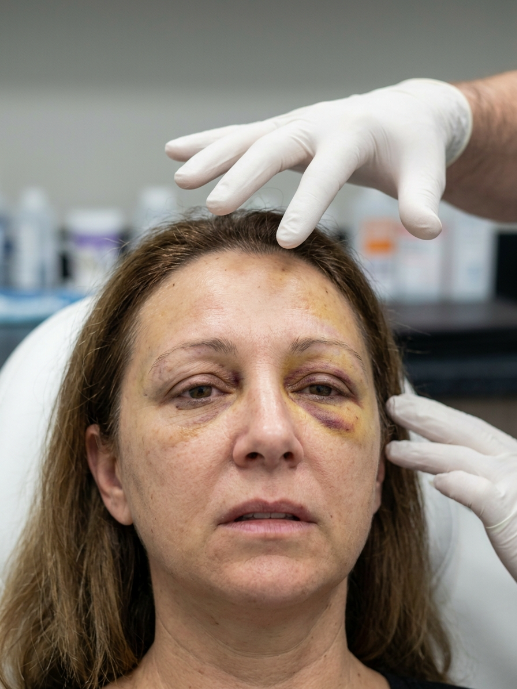
It is common for patients to experience a temporary emotional dip a few days after surgery. Looking in the mirror and seeing a swollen, bruised version of oneself can be jarring. It is important to remember that this is a temporary phase. Surrounding yourself with a supportive environment and staying in close communication with your surgical team can help navigate these emotions. Focus on the long-term goal and give your body the grace it needs to heal.
Why Expert Guidance Matters
Choosing a surgeon who provides comprehensive post-operative support is just as important as the surgery itself. Prof. Dr. Selçuk İnanlı, an ENT and Facial Plastic Surgery specialist certified by the European Academy of Facial Plastic Surgery (EAFPS), emphasizes a personalized recovery protocol for every patient. This includes scheduled follow-ups, specific product recommendations, and a 24/7 line of communication for concerns.
In conclusion, the recovery process after a facelift is a delicate time that demands respect. By prioritizing head elevation, avoiding nicotine, protecting against the sun, and limiting physical exertion, you are ensuring that the artistry of your surgeon is preserved in the best possible way. A successful facelift is a partnership between the doctor’s skill and the patient’s commitment to self-care. When both are aligned, the result is a natural, youthful appearance that restores not just the face, but also the patient’s self-confidence.
Sıkça Sorulan Sorular
How long do I need to take off from work after a facelift?
Most patients require approximately 10 to 14 days of downtime before returning to a typical office job. By this time, the majority of bruising can be covered with makeup, and the initial swelling has subsided enough to be inconspicuous to others. However, if your job involves physical labor or heavy lifting, you may need at least 3 to 4 weeks off to avoid complications related to increased blood pressure.
What is the best sleeping position during facelift recovery?
The best position is sleeping on your back with your head elevated at a 30 to 45-degree angle. This is typically achieved by using a wedge pillow or several standard pillows. This position is vital for the first 2 to 3 weeks as it minimizes swelling and prevents accidental pressure on the incisions that could occur if you were to sleep on your side or stomach.
When can I start exercising again after my procedure?
Light walking is encouraged immediately after surgery to promote blood flow. However, strenuous activities, including heavy lifting, cardio, and yoga, should be avoided for at least 4 weeks. Gradually reintroducing exercise is key; starting with light stretching and slowly building intensity ensures that you do not cause a spike in blood pressure that could lead to bleeding or increased edema.
How should I care for my incisions to minimize scarring?
Incision care involves keeping the area clean and dry. You should gently clean the sites with a mild, unscented soap as directed by your surgeon. Avoid picking at scabs, as this can lead to thicker scars. Once the incisions have fully closed, usually after two weeks, your surgeon may recommend silicone-based scar gels or sheets and will emphasize the absolute necessity of sun protection to prevent the scars from darkening.
Is it normal to feel numbness in my face after a facelift?
Yes, temporary numbness or a ‘tingling’ sensation is a very common part of the healing process. This occurs because small sensory nerves are disrupted during the lifting of the skin. Most patients regain full sensation within 3 to 6 months as the nerves regenerate. During this time, it is important to be careful with hot items like hairdryers or coffee cups near your face, as you may not feel the heat and could accidentally burn yourself.