Facelift
The Ultimate Guide to Facelift Surgery: Techniques, Recovery, and Rejuvenation with Prof. Dr. Selçuk İnanlı
Introduction to Facial Rejuvenation and the Modern Facelift
The quest for eternal youth and facial harmony has been a constant throughout human history, but never has it been as scientifically advanced and accessible as it is today. A Facelift, medically known as a Rhytidectomy, is a sophisticated surgical procedure designed to improve visible signs of aging in the face and neck. As we age, the cumulative effects of gravity, sun exposure, and lifestyle choices lead to the breakdown of collagen and elastin, resulting in sagging skin, deep creases, and the loss of youthful facial contours.
In the hands of an expert like Prof. Dr. Selçuk İnanlı, a Facelift is not merely about stretching the skin; it is a meticulous restructuring of the underlying tissues to restore a natural, vibrant appearance. With his extensive background as an ENT and Facial Plastic Surgery Specialist and his certification by the European Academy of Facial Plastic Surgery (EAFPS), Prof. İnanlı combines surgical precision with an artistic eye. Patients from around the globe travel to Istanbul to achieve a more youthful appearance through a Facelift procedure that respects the unique anatomy of each individual.
This guide will explore the intricacies of facial aging, the various surgical techniques employed in modern practice, the recovery journey, and how to decide if this life-changing procedure is right for you. By understanding the science behind the surgery, you can make an informed decision and embark on a path toward renewed self-confidence.
The Biological Process of Facial Aging
To understand why a Facelift is effective, one must first understand how the face ages. Aging is a multi-dimensional process that affects every layer of the facial structure, from the skin down to the bone. Understanding these changes is crucial for developing a surgical plan that addresses the root causes of aesthetic decline rather than just the symptoms.
Skin Elasticity and Collagen Depletion
The most visible sign of aging occurs in the dermis. Collagen provides structural support, while elastin allows the skin to snap back into place. Starting in our late 20s, the body’s production of these proteins slows down. Over time, the skin becomes thinner and less resilient. External factors, particularly UV radiation and smoking, accelerate this process by creating free radicals that damage cellular structures. This leads to the development of fine lines, wrinkles, and eventually, the sagging skin that characterizes the aging face.
Fat Redistribution and Volume Loss
Youthful faces are characterized by well-distributed fat pads in the cheeks and around the eyes. As we age, these fat pads undergo atrophy (loss of volume) and ptosis (sagging). The malar fat pad, which gives the cheeks their fullness, slides downward, contributing to the formation of nasolabial folds (smile lines) and jowls along the jawline. This shift transforms the youthful “triangle of beauty” (wide at the top, narrow at the bottom) into an aged “inverted triangle” or rectangle.
Muscle Laxity and the SMAS Layer
Beneath the fat lies the SMAS (Superficial Musculoaponeurotic System). This is a thin, tough layer of connective tissue and muscle that covers the deeper structures of the face. In youth, the SMAS is tight and holds the facial tissues in their proper position. As it weakens, the entire midface and lower face begin to descend. Modern surgery focuses heavily on manipulating this layer because skin-only lifts often result in a “wind-blown” or unnatural look. By tightening the SMAS, surgeons can achieve a lift that lasts longer and looks more natural.
Bone Resorption
Finally, the facial skeleton itself changes. There is a gradual loss of bone mass in the jaw, cheekbones, and eye sockets. This reduction in the structural framework means there is less support for the overlying soft tissues, further exacerbating the appearance of sagging and hollows.
Defining the Facelift: More Than a Skin Procedure
A modern Rhytidectomy is designed to address these complex changes comprehensively. It is a highly individualized procedure. For some, the focus may be on the neck; for others, the midface requires the most attention. Before proceeding, it is essential to understand the different facelift techniques available today.
The Evolution of the Facelift
The earliest facelifts in the early 20th century were simple skin excisions. Surgeons would remove a small amount of skin near the ears and pull the rest tight. These results were often short-lived and looked artificial. The breakthrough came in the 1970s with the description of the SMAS. This allowed surgeons to lift the deeper foundations of the face, providing a more stable and natural-looking result. Today, techniques like the Deep Plane Facelift have further refined the process by releasing the retaining ligaments of the face, allowing for vertical repositioning of tissues without any tension on the skin.
Detailed Analysis of Facelift Techniques
Choosing the right technique is the most critical part of the surgical plan. Prof. Dr. Selçuk İnanlı evaluates the patient’s skin quality, degree of laxity, and bone structure to recommend the most effective approach.
1. The SMAS Facelift
The SMAS Facelift remains the gold standard for many patients. In this procedure, the surgeon makes an incision that typically begins in the hairline at the temples, continues around the ear, and ends in the lower scalp. The skin is elevated, and the underlying SMAS layer is tightened through either imbrication (folding and suturing) or plication (gathering). This technique is excellent for correcting jowls, tightening the jawline, and smoothing the neck. It provides a significant rejuvenation that can last 10 to 15 years.
2. The Deep Plane Facelift
The Deep Plane Facelift is a more advanced technique that goes beneath the SMAS layer. Instead of separating the skin from the muscle, the surgeon moves them as a single unit. By releasing the ligaments that tether the tissues to the bone, the entire midface complex can be lifted vertically. This is particularly effective for patients with heavy nasolabial folds and significant cheek sagging. It results in a very natural look because there is absolutely no “pulling” on the skin surface; the lift comes entirely from the deep structures.
3. The Mini Facelift
For younger patients or those with mild to moderate sagging, a Mini Facelift may be appropriate. This procedure uses shorter incisions and focuses primarily on the lower face and jawline. It is less invasive than a full lift, with a quicker recovery time, but it does not address the neck or the midface as thoroughly. Patients often seek to look 10 years younger with a facelift by addressing these specific areas early before aging becomes too advanced.
4. The Midface Lift
A Midface Lift focuses on the area between the lower eyelids and the mouth. It addresses the sagging of the cheeks and the deepening of the nasolabial folds. This can often be performed endoscopically, using small incisions hidden in the hairline or inside the mouth. It is frequently combined with Blepharoplasty (eyelid surgery) to rejuvenate the entire central portion of the face.
5. The Neck Lift (Lower Rhytidectomy)
In many cases, a Facelift is incomplete without addressing the neck. A Neck Lift removes excess skin (the “turkey wattle”) and tightens the platysma muscles. Liposuction may also be used to remove excess fat under the chin. This creates a sharp, youthful angle between the jaw and the neck, which is one of the most powerful markers of youth.
Who is an Ideal Candidate for a Facelift?
Determining candidacy involves more than just looking in the mirror. A successful outcome requires physical health, realistic expectations, and specific anatomical needs.
* Skin Elasticity: While the surgery removes excess skin, the quality of the remaining skin affects the result. Skin that still has some natural suppleness will heal better and maintain the lift longer.
* Strong Bone Structure: A well-defined jawline and prominent cheekbones provide the necessary framework for the lifted tissues.
* General Health: Patients must be in good overall health. Conditions such as uncontrolled high blood pressure or diabetes can increase the risk of complications. Because safety is a priority, a thorough medical screening is performed before any surgery.
* Non-Smokers: Smoking significantly impairs blood flow to the skin and can cause severe healing problems, including skin necrosis. Patients are required to stop smoking several weeks before and after surgery.
* Realistic Expectations: A Facelift can turn back the clock, but it cannot make a 60-year-old look 20. It improves the existing features rather than creating a completely new face.
The Consultation: Mapping the Path to Rejuvenation
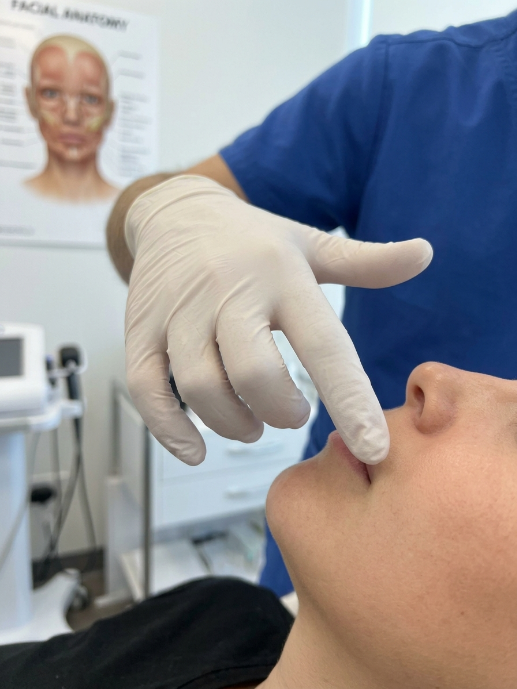
The journey begins with a comprehensive consultation with Prof. Dr. Selçuk İnanlı. During this meeting, the patient’s medical history is reviewed, and a detailed facial analysis is conducted. This is not just a physical exam; it is a collaborative process where the patient expresses their concerns and the surgeon explains what can realistically be achieved.
Prof. İnanlı utilizes his expertise to assess the “Golden Ratio” and facial symmetry. He may suggest combining the Facelift with other procedures, such as Rhinoplasty or Fat Injections, to achieve a balanced and harmonious result. This holistic approach ensures that the rejuvenated face looks natural and in proportion with the patient’s other features.
The Surgical Procedure: Step-by-Step
On the day of surgery, the patient is prepared in a state-of-the-art facility. The procedure typically takes between 3 to 6 hours, depending on the complexity and whether combined procedures are being performed.
- Anesthesia: Most facelifts are performed under general anesthesia or deep intravenous sedation to ensure patient comfort and safety.
- Incisions: Incisions are strategically placed to be as inconspicuous as possible. They usually follow the natural contours of the ear and extend into the hairline.
- Undermining and Lifting: The surgeon carefully lifts the skin and accesses the SMAS or deep plane layers. These structures are then repositioned and secured with permanent sutures.
- Fat Redistribution: If necessary, fat may be redistributed or added via Fat Grafting to restore lost volume in the cheeks or under the eyes.
- Skin Closure: The excess skin is trimmed away, and the remaining skin is draped gently over the new contours. The incisions are closed with fine sutures or staples, ensuring no tension is placed on the skin edges to prevent wide scarring.
- Bandaging: A soft dressing is applied to the face to minimize swelling and protect the incisions.
The Recovery Journey: What to Expect
Recovery is a gradual process that requires patience and adherence to the surgeon’s instructions. Prof. İnanlı provides comprehensive protocols for the post-operative recovery of facelift surgery to ensure optimal healing.
The First 48 Hours
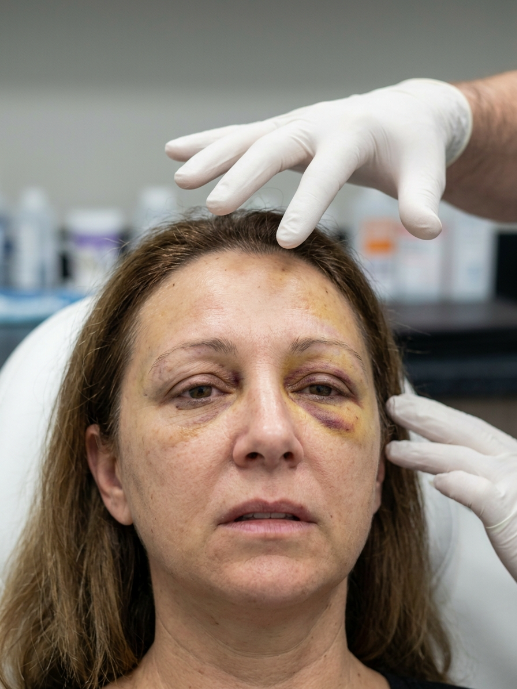
The first two days are the most critical. Patients may experience some discomfort, which is managed with prescribed medication. Swelling and bruising are normal and usually peak at 48 hours. It is important to keep the head elevated, even while sleeping, to help reduce edema.
The First Week
By the end of the first week, most dressings are removed. Patients can usually shower and gently wash their hair. While bruising may still be visible, it begins to fade. Most patients feel well enough to move around the house but should avoid any strenuous activity.
Weeks Two and Three
Sutures are typically removed during this period. Much of the swelling subsides, and patients begin to see the preliminary results of their lift. Most people feel comfortable returning to work and social activities after 10 to 14 days, using makeup to conceal any lingering bruises.
Long-Term Healing
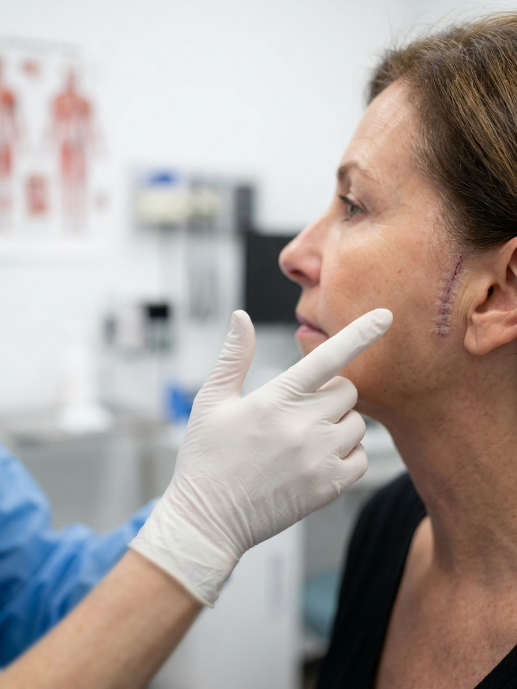
While the face may look great after a month, internal healing continues for several months. Residual swelling, especially around the ears, may take 3 to 6 months to fully resolve. During this time, it is vital to protect the skin from sun exposure to ensure the scars fade into thin, nearly invisible lines.
Combining Procedures for Total Rejuvenation
A Facelift addresses the lower two-thirds of the face, but aging often affects the entire head and neck. To achieve the most comprehensive result, many patients choose to combine their lift with other surgeries.
Blepharoplasty (Eyelid Surgery)
Sagging upper lids and bags under the eyes can make a person look tired regardless of how well-rested they are. Blepharoplasty removes excess skin and fat from the eyelids, opening up the eyes and complementing the refreshed look of a facelift.
Brow Lift (Forehead Lift)
A heavy brow can contribute to a sad or angry appearance. A Brow Lift raises the eyebrows to a more youthful position and smooths the forehead, brightening the entire upper face.
Fat Grafting and Dermal Fillers
Since aging involves volume loss, replacing that volume is key. Using the patient’s own fat (harvested via liposuction) to fill in hollow temples or flat cheeks provides a long-lasting, natural-looking volume boost that surgery alone cannot achieve.
Risks and Safety Considerations
Every surgical procedure carries some risk, but in the hands of a board-certified specialist, complications are rare. Potential risks include hematoma (collection of blood under the skin), infection, nerve injury (usually temporary), and scarring issues. Choosing a surgeon like Prof. Dr. Selçuk İnanlı, who has international board certification and decades of experience, is the best way to minimize these risks. His meticulous technique and emphasis on patient safety ensure that every precaution is taken before, during, and after the operation.
Maintaining Aesthetic Longevity After Surgery
A Facelift effectively “resets” the clock, but it does not stop it. To maintain your results for as long as possible, a proactive approach to skincare and health is necessary.
* Sun Protection: UV rays are the primary enemy of collagen. Daily use of a high-SPF sunscreen is non-negotiable.
* Skincare Routine: Using medical-grade products containing retinoids, vitamin C, and hyaluronic acid can improve skin texture and maintain elasticity.
* Healthy Lifestyle: A balanced diet, adequate hydration, and avoiding smoking will help your body maintain the health of its tissues.
* Non-Surgical Touch-ups: Periodic treatments with Botox or light fillers can help manage minor lines as they appear, extending the life of your surgical result.
Investing in a Facelift is an investment in yourself. It is about more than just looking younger; it is about matching your outward appearance with the energy and vitality you feel inside. With the expertise of Prof. Dr. Selçuk İnanlı and the world-class medical facilities in Istanbul, achieving a natural, sophisticated rejuvenation is a reality for patients seeking the very best in facial plastic surgery.
Frequently Asked Questions About Facelift Surgery
How long does the result of a facelift typically last?
While a facelift cannot stop the biological process of aging, its effects are long-lasting. Most patients enjoy the results of a full SMAS or Deep Plane facelift for 10 to 15 years. The surgery effectively “sets back the clock,” meaning that even as you continue to age, you will always look younger than you would have without the procedure. Factors such as genetics, skin quality, and lifestyle choices like sun protection and smoking cessation play a significant role in maintaining the longevity of the results.
Will I have visible scars after my facelift?
Modern facelift techniques are designed to make incisions as inconspicuous as possible. Prof. Dr. Selçuk İnanlı places incisions along the natural creases of the ear and within the hairline. As the incisions heal, they typically fade into thin, pale lines that are very difficult to detect, even with short hair. Meticulous suturing techniques ensure that there is no tension on the skin, which is the primary cause of wide or raised scars. Over time, most patients find that their scars are virtually invisible to the naked eye.
What is the difference between a Mini Facelift and a Full Facelift?
A Mini Facelift is a less invasive procedure that primarily targets the lower face and jawline using shorter incisions. It is ideal for younger patients with early signs of jowling. A Full Facelift, on the other hand, addresses the midface, lower face, and often the neck. It involves more extensive repositioning of the underlying SMAS layer and provides a more comprehensive rejuvenation. During your consultation, the best option will be determined based on your specific anatomical needs and aesthetic goals.
At what age should I consider getting a facelift?
There is no “perfect” age for a facelift, as people age at different rates. Most candidates are between the ages of 45 and 65, but patients in their 70s and 80s can also achieve excellent results if they are in good health. Some younger patients in their late 30s or early 40s may opt for a Mini Facelift to address early sagging. The best time to consider the procedure is when non-surgical treatments like fillers and Botox are no longer providing the desired level of correction for sagging skin and deep folds.
Is the recovery process very painful?
Surprisingly, most patients report that a facelift is not a particularly painful procedure. Rather than sharp pain, patients usually describe a feeling of tightness, numbness, and mild discomfort in the days following surgery. This is easily managed with prescribed pain medication. The numbness is a normal part of the healing process and typically resolves over several weeks or months. Most patients find that the most challenging part of recovery is the social downtime required while waiting for swelling and bruising to subside.
Sıkça Sorulan Sorular
How long does the result of a facelift typically last?
While a facelift cannot stop the biological process of aging, its effects are long-lasting. Most patients enjoy the results of a full SMAS or Deep Plane facelift for 10 to 15 years. The surgery effectively “sets back the clock,” meaning that even as you continue to age, you will always look younger than you would have without the procedure. Factors such as genetics, skin quality, and lifestyle choices like sun protection and smoking cessation play a significant role in maintaining the longevity of the results.
Will I have visible scars after my facelift?
Modern facelift techniques are designed to make incisions as inconspicuous as possible. Prof. Dr. Selçuk İnanlı places incisions along the natural creases of the ear and within the hairline. As the incisions heal, they typically fade into thin, pale lines that are very difficult to detect, even with short hair. Meticulous suturing techniques ensure that there is no tension on the skin, which is the primary cause of wide or raised scars. Over time, most patients find that their scars are virtually invisible to the naked eye.
What is the difference between a Mini Facelift and a Full Facelift?
A Mini Facelift is a less invasive procedure that primarily targets the lower face and jawline using shorter incisions. It is ideal for younger patients with early signs of jowling. A Full Facelift, on the other hand, addresses the midface, lower face, and often the neck. It involves more extensive repositioning of the underlying SMAS layer and provides a more comprehensive rejuvenation. During your consultation, the best option will be determined based on your specific anatomical needs and aesthetic goals.
At what age should I consider getting a facelift?
There is no “perfect” age for a facelift, as people age at different rates. Most candidates are between the ages of 45 and 65, but patients in their 70s and 80s can also achieve excellent results if they are in good health. Some younger patients in their late 30s or early 40s may opt for a Mini Facelift to address early sagging. The best time to consider the procedure is when non-surgical treatments like fillers and Botox are no longer providing the desired level of correction for sagging skin and deep folds.
Is the recovery process very painful?
Surprisingly, most patients report that a facelift is not a particularly painful procedure. Rather than sharp pain, patients usually describe a feeling of tightness, numbness, and mild discomfort in the days following surgery. This is easily managed with prescribed pain medication. The numbness is a normal part of the healing process and typically resolves over several weeks or months. Most patients find that the most challenging part of recovery is the social downtime required while waiting for swelling and bruising to subside.