What You Need to Know About Face Lift Surgery
Facelift refers to operations that prevent the signs of aging and provide you with a more aesthetic facial appearance.
With increasing interest and popularity, and thanks to developing technology and innovations, face-lift can be applied more effectively and easier now. Of course, a medical specialist and a qualified team are essential. In this regard, it is important to give detailed information about the types of this surgery, its complications, healing process, permanence, and suitability for patients. Having the necessary knowledge about facelift procedures, which can be applied with and without surgery, will help you both clarify your expectations and feel better in the pre-during-post processes.
But first, it would be more helpful to answer more basic questions such as what a facelift is and who is it suitable for. However, it is not quite right to give an exact age limit or range for facelift operations. Because signs of aging and having a more tired-looking face may lead people to apply these applications. After weight loss operations, face-lift is also preferred. After admission to the hospital, the requests are listened to, the necessary tests/examinations are performed, and as a result of these, it is sufficient to decide whether the face is suitable for the operation.
What you Need to Know Before Facelift Surgery
Before facelift surgery, first, the patient is prepared for the procedure as it should be in every operation. As a result of the examination, a special planning is made for the patient. Comprehensive information about face lift types is provided. What will be done in this operation process that reduces the effects of aging, what the stages of the procedure are, how long both the operation and recovery period will last, and what advantages will be given to the patient in the ongoing process are explained. It is very important and even essential to inform the patient in order to be prepared for the process psychologically.
What you need to know after facelift surgery:
Right after the facelift surgery, the recovery phase begins. The surgery takes approximately 2 to 6 hours. The patient is usually discharged from the hospital the day after the procedure. It takes about a month to observe noticeable changes after the operation. Of course, all this may vary depending on the patient’s condition. Other prominent factors after the facelift application:
- Not to expose your face to intense sun rays shortly after the operation is recommended.
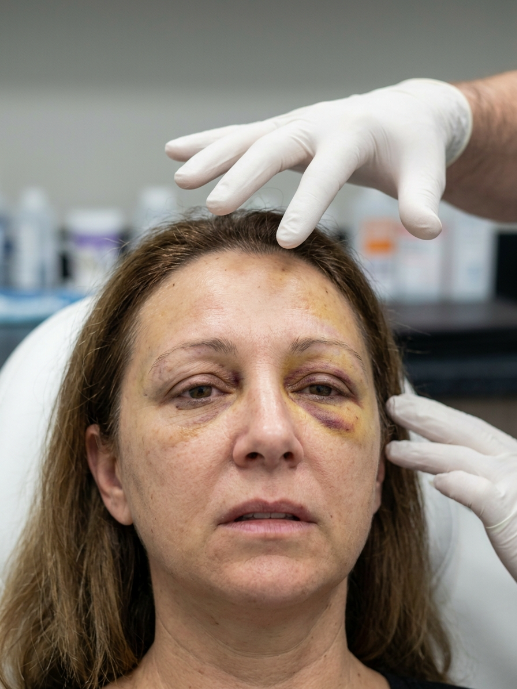
- It is normal to have regional bruising and swelling at first. During this period, wearing a neck brace that helps prevent physical harm is asked to the patient.
- The results of facelift surgeries are long lasting. However, the person’s physical structure and living conditions also have an impact on permanence.
- It is important to avoid a stressful lifestyle and not to consume cigarettes and alcohol.
- You shouldn’t neglect self-care requirements after the surgery. That will be advantageous especially in the mid-and long-term.
- It is also recommended not to do strenuous physical activities for the first few weeks and to use high factor protective creams when you go out in the sun.
With the face lift operation, which is a delicate application, you can prevent the signs of aging and have a more aesthetic face appearance.
If you consider having rhinoplasty surgery, contact us right away to get a free consultancy service from Prof. Dr. Selçuk İnanlı.
What You Need to Know About Face Lift Surgery: A Comprehensive Guide by Prof. Dr. Selçuk İnanlı
Facial aging is a multi-dimensional process that affects the skin, fat compartments, and underlying muscular structures. While non-surgical treatments like fillers and Botox offer temporary improvements, facelift surgery (technically known as rhytidectomy) remains the gold standard for achieving significant, long-lasting rejuvenation. Understanding the nuances of this procedure is essential for anyone considering a surgical path to a more youthful appearance. In this guide, we explore everything you need to know about facelift surgery, from the modern techniques used by specialists like Prof. Dr. Selçuk İnanlı to the intricate details of the recovery process.
The Philosophy of Facial Rejuvenation
For an ENT and Facial Plastic Surgery Specialist, aesthetics is not merely about pulling skin tight; it is a blend of science and art. As Prof. Dr. Selçuk İnanlı describes it, nasal and facial aesthetics are a physician’s philosophy of art coming to life on living tissues. The goal of a modern facelift is to restore the facial structures to their positions from ten or fifteen years ago, avoiding the “operated” or “wind-tunnel” look that was common in decades past.
Today, surgeons focus on the SMAS (Superficial Muscular Aponeurotic System). By repositioning this deep layer of tissue, the surgeon can provide a foundation for the skin to rest upon naturally, ensuring that the results are both durable and aesthetically pleasing. Before deciding on the procedure, it is vital to understand what should be considered when getting a facelift to ensure your expectations align with surgical possibilities.
Understanding the Aging Face
To appreciate why a facelift is effective, one must understand how the face ages. Aging is characterized by three primary factors:
- Skin Laxity: Loss of collagen and elastin leads to thinning skin and wrinkles.
- Volume Loss: Subcutaneous fat diminishes, particularly in the cheeks and temples, leading to a hollowed appearance.
- Gravitational Descent: The fat pads and muscles of the face shift downward, resulting in jowls, deep nasolabial folds, and a sagging neck.
When these changes become prominent, many patients find that they can look 10 years younger with a facelift. The surgery addresses the structural descent that non-surgical options simply cannot reach.
The Role of Genetics and Lifestyle
While aging is inevitable, its pace is dictated by genetics and lifestyle choices. Sun exposure, stress, and nutrition play significant roles. However, one of the most critical factors in both aging and surgical outcome is smoking. Nicotine constricts blood vessels, significantly hindering the healing process. Patients must be aware of the negative effects of smoking after facelift surgery, as it can lead to skin necrosis and poor scarring.
Different Facelift Techniques
Not every face requires the same approach. Depending on the patient’s age, skin quality, and specific areas of concern, a surgeon may choose from several different facelift techniques.
The SMAS Facelift
The SMAS facelift is the most common modern technique. The surgeon lifts and tightens the SMAS layer, which is the fibrous tissue that connects the facial muscles to the skin. By tightening this layer, the surgeon can lift the jowls and cheeks without putting tension on the skin itself, which minimizes the risk of wide scars and a “pulled” look.
Deep Plane Facelift
The Deep Plane Facelift goes a step further than the SMAS technique. It involves releasing the ligaments that tether the deep tissues, allowing for a more significant vertical lift of the midface and jawline. This is often preferred for older patients with significant tissue descent, as it provides the most comprehensive rejuvenation of the lower two-thirds of the face.
Mini Facelift
A Mini Facelift is often suitable for younger patients in their 40s or early 50s who have mild sagging in the lower face and jawline. The incisions are shorter, usually limited to the area around the ears, and the recovery time is significantly faster. It is an excellent option for “maintenance” before significant aging occurs.
Midface Lift
While a traditional facelift focuses on the jawline and neck, a midface lift targets the area from the lower eyelids to the mouth. This procedure is designed to lift the cheeks and reduce the depth of the nasolabial folds. It is often performed endoscopically to minimize visible scarring.
The Consultation Process with Prof. Dr. Selçuk İnanlı
Choosing a surgeon is the most critical step in your journey. Prof. Dr. Selçuk İnanlı, an ENT Specialist certified by the European Academy of Facial Plastic Surgery (EAFPS), emphasizes a comprehensive approach. During the consultation, the following are evaluated:
* Bone Structure: A strong jawline and cheekbones provide a better foundation for a lift.
* Skin Elasticity: Patients with some remaining skin elasticity often see the most natural results.
* Medical History: Conditions like hypertension must be managed before surgery to prevent post-operative bleeding (hematoma).
* Psychological Readiness: Understanding that a facelift improves appearance but does not change one’s fundamental identity is crucial.
The Surgical Procedure: Step-by-Step
Facelift surgery is typically performed under general anesthesia or intravenous sedation and can take anywhere from three to six hours, depending on the complexity and whether it is combined with other procedures like blepharoplasty (eyelid surgery) or a neck lift.
1. The Incision
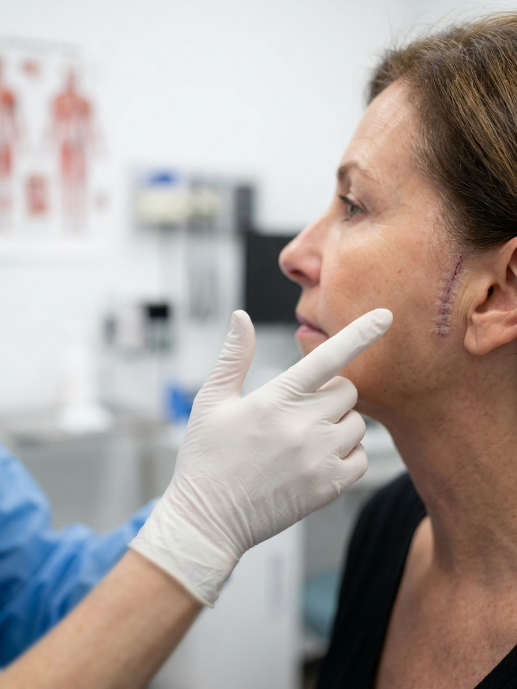
Incisions are strategically placed to be as inconspicuous as possible. A typical incision starts in the hairline at the temples, continues around the ear, and ends in the lower scalp. If a neck lift is also being performed, a small incision may be made under the chin.
2. Sculpting and Distributing
The surgeon may redistribute fat from the neck and jowls or perform fat grafting to restore volume to the cheeks. The underlying muscle and connective tissue (SMAS) are then lifted and secured with sutures.
3. Skin Redraping
The skin is redraped over the new, lifted contours, and any excess skin is carefully trimmed away. The incisions are closed with fine sutures or skin adhesives, which are designed to leave minimal scarring.
Recovery: What to Expect
The recovery period is a vital phase where the patient’s adherence to post-operative instructions dictates the final outcome.
The First 48 Hours
Immediately after surgery, the face is wrapped in a soft dressing to minimize swelling and bruising. Some discomfort is normal and can be managed with prescribed pain medication. It is common to feel a sense of tightness around the jaw and neck.
The First Week
Most patients return to the clinic within the first week to have their dressings and some sutures removed. Swelling usually peaks at day three or four and then begins to subside. Patients are advised to keep their heads elevated, even while sleeping, to encourage lymphatic drainage.
Weeks Two to Four
By the end of the second week, most of the visible bruising has faded, and patients often feel comfortable appearing in public with a bit of makeup. However, internal healing continues. Strenuous exercise and heavy lifting must be avoided for at least four to six weeks to prevent fluctuations in blood pressure that could cause swelling.
Long-Term Care and Results
A facelift does not stop the clock, but it does reset it. Most patients find that they look significantly younger for ten years or more. To maintain the results, a rigorous skincare routine involving high-SPF sunscreen, antioxidants, and medical-grade moisturizers is essential. Regular non-invasive treatments like Botox or Dermal Fillers can also help extend the longevity of the surgical result.
Combining Procedures for Total Rejuvenation
Often, a facelift alone is not enough to achieve a patient’s goals. Because the face ages as a whole unit, Prof. Dr. Selçuk İnanlı often recommends combining a facelift with other surgeries to maintain facial harmony:
* Eyelid Aesthetics (Blepharoplasty): To remove bags under the eyes and drooping upper lids.
* Brow Lift: To address a heavy forehead and sagging eyebrows.
* Neck Lift: To specifically target “turkey neck” or vertical bands in the neck area.
* Rhinoplasty: Sometimes, the nose lengthens or droops with age; a subtle nasal tip lift can complement a facelift beautifully.
Risks and Safety Considerations
As with any major surgery, a facelift carries certain risks. These include infection, scarring, and nerve injury. However, when performed by a board-certified surgeon in an accredited facility, the complication rate is very low. The most common complication is a hematoma (a collection of blood under the skin), which is why controlling blood pressure and avoiding blood-thinning medications before surgery is paramount.
Choosing a surgeon with international experience and certification, such as a member of the European Academy of Facial Plastic Surgery, ensures that the latest safety protocols and surgical techniques are utilized. Prof. Dr. Selçuk İnanlı brings decades of academic and clinical expertise to every operation, prioritizing patient safety and natural-looking outcomes.
Final Thoughts on Face Lift Surgery
A facelift is a transformative journey that requires careful planning, a skilled surgeon, and realistic expectations. By addressing the deep structures of the face, this procedure provides a level of rejuvenation that no cream or needle can match. Whether you are looking to sharpen your jawline, lift your cheeks, or simply feel that your outer appearance matches your inner vitality, understanding the surgical process is the first step toward a more confident version of yourself. With the right approach, you can achieve a refreshed look that honors your natural features while erasing the prominent signs of time.
Sıkça Sorulan Sorular
What is the ideal age to have a facelift surgery?
There is no single ‘perfect’ age for a facelift, as the rate of aging varies significantly between individuals based on genetics, lifestyle, and environmental factors. Generally, most patients undergo the procedure between the ages of 45 and 65. However, younger patients may opt for a mini-facelift to address early signs of jowling, while older patients may require more comprehensive deep-plane techniques. The best time for a facelift is when non-surgical treatments like fillers no longer provide the desired lift and structural sagging becomes a primary concern.
Will a facelift leave visible scars on my face?
A primary goal of a skilled facial plastic surgeon is to ensure that incisions are as hidden as possible. In a standard facelift, incisions are placed within the hairline at the temples and continue around the natural curves of the ear (into the tragus and behind the earlobe). Over time, these fine lines typically fade and become nearly invisible to the naked eye. Proper post-operative care, including sun protection and avoiding smoking, is essential to ensure the scars heal properly and remain inconspicuous.
How long do the results of a facelift typically last?
While a facelift cannot stop the natural aging process, it typically ‘turns back the clock’ by about 10 to 15 years. The longevity of the results depends heavily on the technique used; structural lifts like the SMAS or Deep Plane facelift tend to last much longer than skin-only lifts. Patients can extend their results by maintaining a stable weight, following a medical-grade skincare routine, protecting their skin from UV damage, and avoiding tobacco products.
What is the difference between a facelift and a neck lift?
A facelift primarily targets the lower two-thirds of the face, including the cheeks and the jawline (jowls). A neck lift specifically addresses the area below the jawline, removing excess skin (‘turkey neck’) and tightening the platysma muscles to eliminate vertical bands. In most cases, these two procedures are performed together because aging in the face and neck usually happens simultaneously; treating one without the other can often lead to an unbalanced or unnatural appearance.
Is the recovery from facelift surgery very painful?
Most patients are surprised to find that the recovery from a facelift involves more ‘discomfort’ and ‘tightness’ than actual sharp pain. The first few days are characterized by a feeling of pressure and swelling, which is easily managed with prescribed oral pain medications. Most patients stop taking pain relievers within 3 to 5 days. The most challenging part of recovery is usually the social downtime, as patients typically wait 10 to 14 days for bruising and swelling to subside enough to return to work and social activities.