When does swelling subside after rhinoplasty?
When Does Swelling Subside After Rhinoplasty? A Comprehensive Guide to Recovery
Understanding the Timeline: When Does Swelling Subside After Rhinoplasty?
One of the most frequent questions patients ask during their post-operative journey is: When does swelling subside after rhinoplasty? While the desire for immediate results is natural, rhinoplasty is a complex surgical procedure that requires patience. The nose is a delicate structure composed of bone, cartilage, and soft tissue, all of which react to surgical intervention with inflammation. Understanding the physiological stages of healing is essential for managing expectations and ensuring a smooth recovery process.
In the hands of an experienced specialist like Prof. Dr. Selçuk İnanlı, the surgical technique is optimized to minimize trauma. However, post-operative edema (swelling) is an inevitable part of the body’s natural defense mechanism. Generally, about 90% of the swelling dissipates within the first three months, but the final refinement of the nasal tip can take up to a year or even 18 months in some cases. This article provides an exhaustive look into the factors affecting this timeline and how you can support your body during the healing phase.
Why Does Swelling Occur After a Nose Job?
To understand when does swelling subside after rhinoplasty, one must first understand why it happens. During a nose job, the surgeon may need to reshape the nasal bones, trim or graft cartilage, and reposition the skin. These actions disrupt the local blood vessels and the lymphatic drainage system.
Edema is essentially a collection of fluid in the interstitial spaces of the tissue. Because the skin of the nose is tightly draped over the underlying framework, even a small amount of fluid can significantly alter the appearance of the nose. Furthermore, gravity plays a role; since the nose is a prominent feature in the center of the face, fluid tends to settle there, especially if the patient does not follow proper elevation protocols.
The Role of Lymphatic Drainage
The lymphatic system is responsible for clearing excess fluid from tissues. Surgery temporarily damages these micro-channels. Until the body regenerates these pathways or finds alternative routes for fluid disposal, the nose will remain swollen. This is particularly true for the nasal tip, which has the most complex lymphatic network and the thickest skin, making it the last area to reach its final shape.
The Week-by-Week Recovery Breakdown
Healing is not a linear process, but it does follow a predictable pattern. Here is what you can expect in the months following your procedure.
Week 1: The Cast and Splint Phase
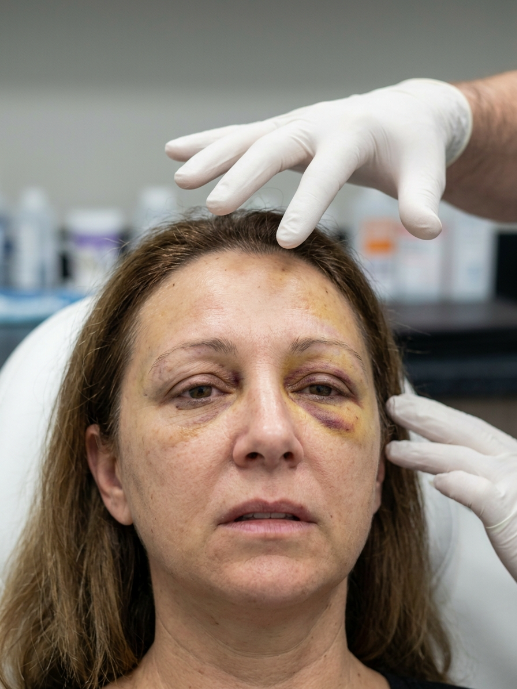
The first week is characterized by the most significant visible swelling and bruising. During this time, your nose will be protected by a nasal cast or splint. You may also have internal silicone splints to support the septum. While the cast is on, you won’t be able to see the full extent of the swelling, but you will likely feel a sense of pressure.
It is crucial during this week to follow the rhinoplasty recovery process to prevent swelling and bruising by keeping your head elevated at all times. Most patients find that the peak of inflammation occurs on day 3 or 4 before beginning to recede.
Week 2 to 4: Returning to Social Life
Once the cast is removed (usually around day 7 to 10), the nose will look quite swollen and perhaps “upturned” or wider than expected. This is not the final result. By the end of the first month, the “surgical look” begins to fade. Most of the bruising will have disappeared, and you will likely feel comfortable returning to work or school. However, the nose will still feel firm to the touch, and the internal tissues are still very much in the early stages of repair.
Months 2 to 6: The Refinement Stage
This is the period where the most dramatic changes occur. As the major edema subsides, the definition of the nasal bridge and the nostrils begins to emerge. If you had a revision rhinoplasty, this stage may take slightly longer because the tissues have already undergone previous trauma and may have more scar tissue. By the end of month six, you will have a very good idea of your new nasal profile, though the tip may still feel slightly numb or stiff.
One Year and Beyond: The Final Reveal
When people ask, “When does swelling subside after rhinoplasty?” they are usually waiting for the final, crisp definition of the nasal tip. This final 5-10% of swelling is the most persistent. It can take a full year for the skin to fully contract over the new framework and for the lymphatic channels to be completely restored. In patients with thick skin, this process can extend to 18 months.
Surgical Techniques and Their Impact on Edema
The method your surgeon chooses significantly impacts the amount of post-operative swelling you will experience.
Piezo Rhinoplasty: A Gentler Approach
One of the most significant advancements in nasal surgery is the use of ultrasonic tools. Piezo rhinoplasty allows the surgeon to reshape the nasal bones without damaging the surrounding soft tissues, muscles, or blood vessels. Because there is less trauma to the vascular structures, patients often report significantly less bruising and a faster resolution of initial swelling compared to traditional “hammer and chisel” methods.
Open vs. Closed Rhinoplasty
In an open rhinoplasty, a small incision is made across the columella (the tissue between the nostrils), allowing the surgeon to lift the skin and have a direct view of the nasal structures. While this provides maximum precision, it also disrupts more lymphatic vessels, leading to more prolonged swelling in the tip. A closed rhinoplasty involves incisions made entirely inside the nostrils. This typically results in less external swelling, but it may not be suitable for complex structural changes.
Patient Factors: Skin Type and Anatomy
Every individual heals at a different rate. Two of the most critical factors are skin thickness and the sebaceous (oil) gland activity of the skin.
* Thin Skin: Patients with thin skin usually see their final results much faster. The skin settles quickly over the bone and cartilage. However, thin skin is less forgiving of even minor internal irregularities.
* Thick Skin: Patients with thick or oily skin often experience more prolonged swelling. Thick skin is heavier and takes much longer to contract and conform to the new nasal shape. It acts like a heavy sponge that retains fluid for a longer duration.
If you are wondering when does swelling subside after rhinoplasty specifically for your case, your surgeon will evaluate your skin type during the consultation to provide a tailored timeline.
Practical Strategies for Reducing Swelling
While you cannot skip the biological stages of healing, you can certainly optimize the environment for your body to recover efficiently. Here are the most effective strategies recommended by Prof. Dr. Selçuk İnanlı.
Sleeping Positions and Head Elevation
Gravity is your enemy in the first few weeks. Sleeping with your head elevated on two or three pillows (at a 30-45 degree angle) prevents fluid from pooling in your facial tissues. This should be maintained for at least the first two weeks. Avoiding sleeping on your side is also important, as this can cause asymmetrical swelling.
Cold Compresses and Temperature Control
Applying cold compresses to the cheeks and around the eyes (never directly on the nose) during the first 48-72 hours can significantly constrict blood vessels and limit the initial inflammatory response. Additionally, avoid very hot showers, saunas, or steam rooms for the first month, as heat causes vasodilation, which can worsen edema.
Dietary Adjustments: Sodium and Alcohol
What you eat plays a massive role in fluid retention. Sodium (salt) causes the body to hold onto water. Reducing your salt intake before and after surgery can help minimize facial puffiness. Similarly, alcohol is a vasodilator and can increase swelling and the risk of bleeding; it should be avoided for at least two weeks post-op.
Avoiding Strenuous Activity
Increasing your heart rate increases blood flow to the face. For the first 2-3 weeks, avoid heavy lifting, intense cardio, or any activity that requires bending over. Most surgeons recommend waiting at least 4-6 weeks before returning to high-impact sports.
The Psychological Journey of Rhinoplasty Recovery
It is common for patients to experience a “post-op emotional rollercoaster.” Because the nose is so central to your identity, seeing a swollen, unfamiliar version of yourself in the mirror can be jarring. This is often referred to as the “waiting game.”
It is important to remember that the nose you see at week two is not the nose you will have at month six. Patience is the most valuable tool in your recovery kit. Staying in close contact with your surgical team and attending all follow-up appointments will help provide the reassurance needed during this transitional phase.
Choosing the Right Surgeon for Optimal Healing
The expertise of your surgeon is the foundation of a successful rhinoplasty. A surgeon who understands the intricate anatomy of the nose and utilizes modern, tissue-sparing techniques can significantly reduce the trauma inflicted during surgery.
Prof. Dr. Selçuk İnanlı, with his extensive background as an ENT specialist and facial plastic surgeon, focuses on both the aesthetic and functional aspects of the nose. By prioritizing structural integrity and using advanced tools like Piezo technology, he ensures that the answer to “when does swelling subside after rhinoplasty” is as favorable as possible for every patient. A well-performed surgery leads to a more predictable and comfortable recovery, allowing the true beauty of the results to shine through sooner.
Sıkça Sorulan Sorular
Is it normal for my swelling to be asymmetrical during the first few months?
Yes, asymmetrical swelling is perfectly normal and very common during the rhinoplasty recovery process. The two sides of the nose rarely heal at the exact same rate. Factors such as the way you sleep, the specific maneuvers performed on one side of the nose versus the other, and even individual variations in lymphatic drainage can cause one side to look more swollen or ‘crooked’ temporarily. This usually balances out as the months progress and the deeper tissues heal.
How does smoking affect the timeline of swelling subsidence?
Smoking has a significantly negative impact on the healing process. Nicotine is a vasoconstrictor, meaning it narrows the blood vessels and reduces the delivery of oxygen and essential nutrients to the surgical site. This not only increases the risk of complications like skin necrosis or infection but also significantly prolongs the duration of swelling. In many cases, smokers experience much more persistent edema and may never achieve the same level of crisp definition in the nasal tip as non-smokers.
Can I use over-the-counter supplements like Arnica or Bromelain to help?
Many surgeons recommend natural supplements like Arnica Montana or Bromelain (an enzyme found in pineapple) to help reduce bruising and inflammation. Arnica is often used topically or orally to minimize discoloration, while Bromelain is known for its anti-inflammatory properties. However, it is essential to consult with your surgeon before taking any supplements, as some can interfere with anesthesia or increase the risk of bleeding if taken too close to the surgery date.
Will the tip of my nose always feel hard while it is swollen?
A firm or ‘hard’ feeling in the nasal tip is a hallmark of the first few months of recovery. This is caused by a combination of internal sutures, the presence of surgical edema, and the formation of temporary scar tissue as the area heals. As the swelling subsides over the course of a year, the tip will gradually soften and regain its natural flexibility. If the tip remains excessively hard or immobile after 18 months, it is usually due to the structural support (cartilage grafts) used to ensure long-term stability.
Does the season in which I have surgery affect the swelling?
While you can have rhinoplasty at any time of year, environmental factors can influence your comfort. Extreme heat in the summer can cause blood vessels to dilate, which might slightly increase the feeling of ‘stuffiness’ or swelling in the early weeks. Conversely, cold winter air can be drying to the nasal passages. Regardless of the season, the most important factor is avoiding direct sun exposure on the nose for several months, as UV rays can cause permanent discoloration of the healing skin and worsen inflammation.