What is Hyaluronic Acid? What are the Advantages of Dermal Fillers Practices?
Hyaluronic acid is a natural substance consisting of sugar and protein found in the human body, especially in the skin, connective tissues, and eye fluid.
It plays a vital role in retaining moisture and keeping the skin moist, plump, and youthful. As we age, the amount of production decreases in the body, which causes the skin to lose elasticity, wrinkles, and fine lines. Due to its use in many areas, the query of what is hyaluronic acid on the internet is made by many people.
In the field of aesthetics and dermatology, hyaluronic acid skin benefits begin with removing your signs of aging. They are injectable substances used in dermal fillers to give you volume and fullness in different parts of your face such as lips, cheeks, and under the eyes. Apart from this article, you can get detailed information on the subject by making an appointment with Prof. Dr Selçuk İnanlı.
What are the Types of Hyaluronic Acid?
Hyaluronic acid has become popular with its use as a filler. There are 2 types of types. The first is micro-molecular hyaluronic acid. These species consist of low-weight micro molecules. In this way, they can go down to the epidermis level of your skin and reach under the skin. It carries out the repair of any damage under the skin. It also makes it possible to moisturize your skin from the inside under the tissue and stimulates its natural production.
Macromolecular hyaluronic acid consists of high-weight molecules. They mostly do not penetrate under your skin. This allows it to play a role in repairing damage on the surface of the skin. It is also responsible for skin moisturization and elasticity. Both types have separate and important tasks and are at the forefront of anti-aging activities in your body.
What are the Benefits of Hyaluronic Acid?
Hyaluronic acid, often abbreviated as HA, occurs naturally in your body and offers you a wide range of benefits, especially in the context of skincare, joint health, and wound healing. HA is renowned for its exceptional water retention ability. It can hold up to 1,000 times its weight in water, making it a very good moisturizer. When applied topically or used in skin care products such as dermal fillers, hyaluronic acid makes your skin look much plumper, supple, and younger than it actually is.
When used as a filler, hyaluronic acid also helps to reduce the appearance of fine lines and wrinkles with its moisture-retaining properties. By keeping your skin moisturized, it minimizes the visibility of these problems and creates smoother and younger-looking skin. It also contributes to the preservation of skin elasticity. It helps your skin maintain its ability to stretch and shrink without sagging, which is extremely important for you to achieve a firm and youthful appearance.
One of the most important benefits is that it plays a role in wound repair and tissue regeneration in your skin. Its natural presence in your body increases its benefit in tissue healing and reducing scars. It promotes a much healthier healing process and improves the appearance of your damaged areas. In terms of joint health, it acts as a lubricant and cushion for your joints. Here it is found in the synovial fluid, which helps to reduce friction between surfaces and ensures smooth movements. It can also help with joint pain and arthritis if you have it, thanks to its supplements.
It is also a component of the vitreous body, the clear, gel-like substance inside your eye. It helps your eye to keep its shape and plays a role in keeping it healthy. In some eye surgeries and treatments, hyaluronic acid is used to provide hydration and support. Hyaluronic acid has some of these properties as a filler.
Hyaluronic Acid in Dermal Filler Practices
In dermal filler procedures, the process begins with a consultation with a specialist who will evaluate your facial structure, skin condition, and expectations. In this way, the areas where you can benefit from this procedure are also determined. The main advantages are the items listed below:
- Giving a younger appearance.
- Providing elasticity in the skin.
- Ease in joint movements.
- Strengthening eye health.
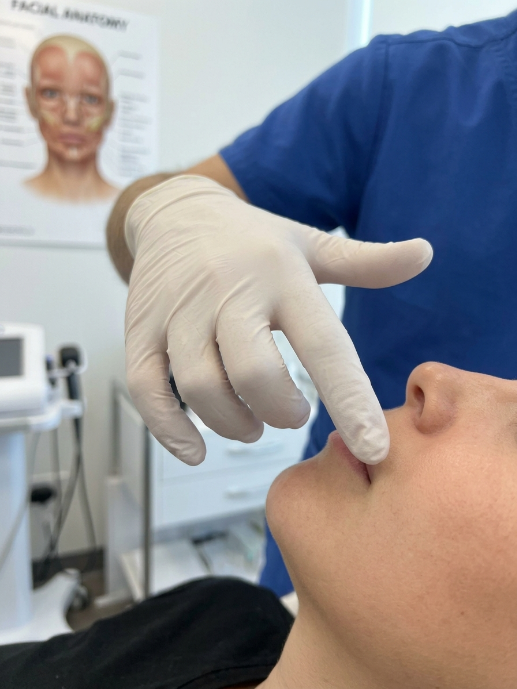
Just before the procedure, the treatment area is cleaned and local anesthesia is applied to minimize any discomfort you may feel during the injection. The filler hyaluronic acid is injected into targeted areas beneath your skin surface, using a fine needle. Your specialist carefully applies the filler to achieve the desired volume and contour.
Hyaluronic acid fillers give immediate results as they plump your skin and smooth wrinkles. The procedure can be personalized to your needs, allowing your specialist to adjust the amount of filler and injection technique to achieve a natural, harmonious appearance.
Following your treatment, temporary redness, swelling or bruising may occur at the injection site, but these effects usually disappear within a few days. To achieve the best results and minimize the possible side effects of hyaluronic acid, it is usually advisable to avoid strenuous exercise, excessive sun exposure, and certain medications for a short period of time.
One of the most curious things about the procedure is the duration of action. Since your body gradually breaks down and absorbs this substance, hyaluronic acid filling permanence may not be very long-lasting. Depending on the specific product used and individual factors, the results usually last between 6 months and 1.5 years. Periodic touch-up treatments can be performed to maintain the desired appearance.
Conclusion
Today, those who have hyaluronic acid fillers are quite satisfied with the results. This satisfaction may also apply to you depending on the clinic you choose. One of the most popular applications is hyaluronic acid lip filler. If you want to have younger and more supple skin, you can also try this application. You can contact Prof. Dr Selçuk İnanlı for more detailed information about hyaluronic acid filler prices and the procedure. Please reach us via our contact details.
What is Hyaluronic Acid? What are the Advantages of Dermal Fillers Practices?
Introduction to Modern Facial Aesthetics
In the ever-evolving landscape of cosmetic medicine, the quest for youthful, vibrant skin has led to the development of revolutionary treatments that bridge the gap between simple skincare and invasive surgery. At the heart of this revolution lies a single, powerful molecule: Hyaluronic Acid (HA). Once a secret known only to dermatologists and biochemists, HA has become a household name, celebrated for its unparalleled ability to hydrate, volumize, and rejuvenate the human face.
For patients seeking to address the signs of aging—such as fine lines, deep wrinkles, and loss of facial volume—without the downtime associated with surgery, dermal fillers offer a highly effective solution. Under the expert guidance of a specialist like Prof. Dr. Selçuk İnanlı, an ENT and Facial Plastic Surgery Specialist, these treatments are not merely injections but a sophisticated form of facial sculpting. Understanding what is Hyaluronic Acid and the multifaceted advantages of dermal fillers practices is the first step toward making an informed decision about your aesthetic journey.
What is Hyaluronic Acid?
Hyaluronic Acid is a naturally occurring glycosaminoglycan found throughout the body’s connective, epithelial, and neural tissues. It is a vital component of the extracellular matrix, acting as a structural scaffold that holds cells together. However, its most famous characteristic is its extraordinary capacity to retain moisture. A single molecule of Hyaluronic Acid can hold up to 1,000 times its weight in water, making it the body’s primary internal moisturizer.
The Biological Role of HA
In our skin, Hyaluronic Acid performs several critical functions:
- Hydration: By attracting and binding water molecules, it keeps the skin plump and dewy.
- Elasticity: It works alongside collagen and elastin to maintain the skin’s firmness and resilience.
- Healing: It plays a significant role in tissue repair, helping the skin recover from environmental damage and inflammation.
As we age, the natural production of Hyaluronic Acid in our body decreases. This depletion, combined with the loss of fat and bone density, leads to the visible signs of aging: the skin becomes thinner, drier, and begins to sag, resulting in the formation of folds and hollows. Modern science has allowed us to synthesize this acid into a biocompatible gel form, which is what we use in which dermal fillers are used in clinical settings today.
Synthetic vs. Natural Hyaluronic Acid
The Hyaluronic Acid used in dermal fillers is produced through bio-fermentation. It is cross-linked—a chemical process that links the molecules together—to prevent the body from breaking it down too quickly. This ensures that the filler remains in the tissue for several months, providing long-lasting volume and contour.
What are Dermal Fillers?
Dermal fillers are injectable substances used to restore lost volume, smooth out wrinkles, and enhance facial contours. While there are various types of fillers—including calcium hydroxylapatite and poly-L-lactic acid—Hyaluronic Acid fillers are the gold standard due to their safety profile and natural-looking results.
When injected into specific layers of the skin or deeper tissues, the filler acts as a cushion, supporting structures that have weakened over time. Because HA is a substance the body already recognizes, the risk of allergic reaction is exceptionally low. This makes it a preferred choice for procedures like midface filler applications, where restoring the ‘apple’ of the cheeks can dramatically rejuvenate the entire face.
The Advantages of Dermal Fillers Practices
The popularity of dermal fillers is not accidental. They offer a range of benefits that appeal to both patients and practitioners. Here, we explore the primary advantages of these practices in detail.
1. Non-Surgical and Minimally Invasive
One of the most significant advantages is that dermal fillers do not require general anesthesia, incisions, or stitches. The procedure is performed in a clinical setting, often taking less than 30 minutes. For patients who are not ready for a full surgical facelift, fillers provide a “liquid lift” effect that can take years off one’s appearance with minimal discomfort.
2. Immediate and Natural-Looking Results
Unlike some treatments that take weeks to show effects, the results of Hyaluronic Acid fillers are visible almost immediately. Once the gel is injected, it provides instant volume. Furthermore, because HA mimics the body’s own substances, the results look and feel natural. The skin appears hydrated and the contours look soft, avoiding the “frozen” or overdone look often feared by patients.
3. No Downtime
In our fast-paced world, the ability to return to daily activities immediately is a major plus. Most patients can go back to work or social engagements right after their appointment. While some minor swelling or bruising may occur at the injection site, these are temporary and can usually be camouflaged with makeup. Following specific skincare recommendations after fillers can further speed up the recovery process.
4. Reversibility and Adjustability
A unique advantage of Hyaluronic Acid-based fillers is that they are reversible. If a patient is unhappy with the result or if a complication occurs, an enzyme called hyaluronidase can be injected to dissolve the filler almost instantly. This provides a safety net that other permanent fillers or surgical procedures cannot offer.
5. Stimulation of Collagen Production
Research suggests that the mechanical stretching of the skin caused by the filler, combined with the presence of Hyaluronic Acid, can stimulate the body’s natural production of collagen. This means that even after the filler has been absorbed by the body, the skin may remain in better condition than it was before the treatment.
Common Areas for Dermal Filler Applications
Prof. Dr. Selçuk İnanlı utilizes fillers to address various aesthetic concerns across the face. The versatility of HA allows for precise adjustments in multiple areas:
Lip Enhancement
Lip fillers are perhaps the most well-known application. They can be used to add volume, define the vermillion border, and correct asymmetry. The goal is to achieve a balanced, hydrated look that complements the patient’s facial proportions.
Nasolabial Folds and Marionette Lines
The lines running from the nose to the corners of the mouth (nasolabial folds) and from the mouth to the chin (marionette lines) can be softened significantly with dermal fillers, removing the tired or sad expression they often create.
Cheek and Midface Volumization
Loss of volume in the midface is a hallmark of aging. By injecting filler into the malar area, surgeons can lift the lower face and reduce the appearance of under-eye hollows.
Jawline and Chin Contouring
For those seeking a more defined profile, fillers can be used to sharpen the jawline and project the chin, creating a more harmonious balance between the face and neck.
Non-Surgical Rhinoplasty
Often called a “liquid nose job,” this technique involves using fillers to smooth out bumps on the nasal bridge or lift a drooping nasal tip. While it cannot reduce the size of the nose, it can improve the appearance of its shape significantly. This is a delicate procedure that should only be performed by an expert in nasal anatomy, such as an ENT specialist.
The Difference Between Botox and Dermal Fillers
It is common for patients to confuse these two treatments, but they work in very different ways. Understanding the differences between Botox and dermal fillers is crucial for setting realistic expectations:
* Botox (Botulinum Toxin): Works by temporarily relaxing the muscles that cause wrinkles. It is best for “dynamic wrinkles”—those that appear when you move your face, such as crow’s feet or forehead lines.
* Dermal Fillers: Work by physically filling in wrinkles and restoring volume. They are best for “static wrinkles”—lines that are visible even when the face is at rest—and for contouring the facial structure.
In many cases, a combination of both (often called a Full Face Rejuvenation) provides the most comprehensive result.
Safety and Professional Expertise
While dermal fillers are widely available, they are medical procedures that carry risks if performed incorrectly. Complications such as vascular occlusion (injecting into a blood vessel), infection, or nodules can occur.
Choosing a highly qualified surgeon like Prof. Dr. Selçuk İnanlı ensures that the procedure is performed with a deep understanding of facial anatomy. As an ENT Specialist certified by the European Academy of Facial Plastic Surgery (EAFPS), Prof. Dr. İnanlı combines surgical precision with an artistic eye. This expertise is vital for ensuring that the filler is placed in the correct anatomical plane to achieve both safety and beauty.
What to Expect During the Procedure
If you decide to proceed with dermal fillers, the process is straightforward:
- Consultation: A thorough analysis of your facial structure and a discussion of your goals.
- Preparation: The skin is cleaned, and a topical numbing cream may be applied to ensure comfort.
- Injection: Using a fine needle or a blunt-tipped cannula, the filler is precisely placed into the target areas.
- Massage and Evaluation: The surgeon may gently massage the area to ensure the gel is evenly distributed.
- Post-Care: You will receive instructions on how to care for your skin in the following days, such as avoiding strenuous exercise and extreme heat for 24-48 hours.
Long-Term Maintenance
Hyaluronic Acid fillers are not permanent. Depending on the type of filler used and the area treated, results typically last between 6 to 18 months. The body gradually breaks down the HA and absorbs it. To maintain the desired look, periodic “touch-up” treatments are recommended. Many patients find that over time, they require less filler or longer intervals between sessions due to the cumulative benefits of collagen stimulation.
The Philosophy of Natural Beauty
In the hands of a master surgeon, dermal fillers are a tool for enhancement, not transformation. The philosophy of Prof. Dr. Selçuk İnanlı emphasizes the “Golden Ratio” and facial harmony. The goal is never to change who you are, but to restore the youthful version of yourself that has been obscured by time. By strategically replacing lost volume and smoothing out shadows, fillers can help you look refreshed, well-rested, and confident.
Whether you are looking to enhance your lips, define your jawline, or simply refresh your overall appearance, Hyaluronic Acid-based dermal fillers represent one of the safest and most effective options in modern aesthetic medicine. Their ability to provide immediate, reversible, and natural results makes them an indispensable part of a comprehensive facial rejuvenation strategy.
As you consider these treatments, remember that the most important factor is the skill and experience of your practitioner. A specialist who understands the intricate balance of facial tissues will not only provide a safer experience but will also ensure that the results are a true reflection of your inner vitality.
Sıkça Sorulan Sorular
How long do the results of Hyaluronic Acid fillers actually last?
The longevity of Hyaluronic Acid fillers depends on several factors, including the density of the product used, the area of the face treated, and the patient’s individual metabolism. Generally, fillers in highly mobile areas like the lips may last between 6 to 9 months, while fillers used for cheek or jawline contouring can last up to 12 to 18 months. Over time, the body naturally and safely absorbs the Hyaluronic Acid, at which point a follow-up treatment is required to maintain the results.
Are dermal filler injections painful?
Most patients find the procedure very tolerable. Modern dermal fillers often contain lidocaine, a local anesthetic, which numbs the area from the inside as the injection is performed. Additionally, a topical numbing cream is usually applied to the skin beforehand. Practitioners may also use a cannula—a thin, blunt-tipped tube—instead of a needle, which significantly reduces discomfort, swelling, and the risk of bruising during the process.
Can I have dermal fillers if I have had a facelift or other facial surgeries?
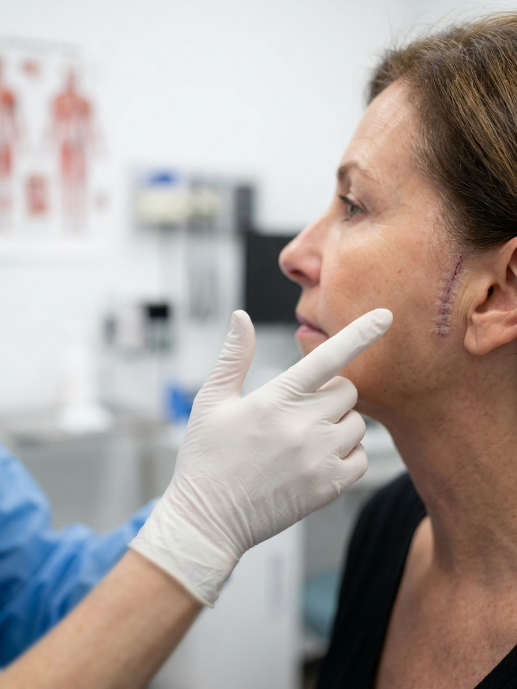
Yes, dermal fillers are often used as a complementary treatment following surgical procedures like a facelift or rhinoplasty. While surgery addresses skin sagging and structural shifts, it does not restore lost skin volume or improve skin hydration. Using fillers after surgery can help ‘fine-tune’ the results, addressing minor asymmetries or fine lines that surgery alone cannot fix. It is essential to wait until you are fully healed from surgery before undergoing filler injections.
What happens if I don’t like the results of my filler treatment?
One of the greatest safety features of Hyaluronic Acid fillers is that they are completely reversible. If a patient is dissatisfied with the aesthetic outcome or if there is an over-correction, an enzyme called hyaluronidase can be injected into the area. This enzyme specifically targets and breaks down the Hyaluronic Acid molecules, dissolving the filler within 24 to 48 hours. This provides peace of mind for patients who are trying fillers for the first time.
Who is an ideal candidate for dermal filler practices?
An ideal candidate is any adult in good general health who has realistic expectations about the outcome of the procedure. Fillers are excellent for those noticing early to moderate signs of aging, such as deepening folds around the mouth, hollows under the eyes, or a loss of definition in the lips and cheeks. It is also a great option for younger patients looking to enhance specific facial features like the chin or jawline. A consultation with a specialist like Prof. Dr. Selçuk İnanlı is necessary to determine if fillers are the right solution for your specific anatomical needs.