After Otoplasty
After Otoplasty: A Comprehensive Guide to Recovery, Results, and Long-Term Care
Understanding the Transformation After Otoplasty
Undergoing otoplasty, commonly referred to as ear pinning or ear reshaping surgery, is a life-changing decision for many individuals. Whether it is performed to correct prominent ears, address asymmetry, or reshape the earlobe, the period after otoplasty is just as critical as the surgery itself. Achieving the perfect aesthetic result requires a combination of surgical precision—such as that provided by Prof. Dr. Selçuk İnanlı—and diligent patient compliance during the healing phase.
The ears are delicate structures composed primarily of cartilage and thin skin. Because cartilage has a limited blood supply compared to other tissues, the healing process follows a specific timeline that patients must respect. This guide provides an exhaustive look into what happens after otoplasty, offering professional insights into managing recovery, ensuring comfort, and protecting your investment in your appearance.
The Immediate Post-Operative Period: The First 24 Hours
Immediately after otoplasty, patients are usually moved to a recovery room where they are monitored as the anesthesia wears off. Most ear surgeries are performed under local anesthesia with sedation or general anesthesia, depending on the patient’s age and the complexity of the case.
Protective Bandaging
The most noticeable feature immediately after surgery is a large, bulky compression dressing wrapped around the head. This dressing serves several vital functions:
- It holds the ears in their new position while the internal permanent sutures begin to stabilize the tissue.
- It minimizes post-operative edema (swelling) by applying gentle, even pressure.
- It protects the surgical site from accidental trauma or contact during the initial hours of healing.
Patients may feel a sensation of heaviness or mild throbbing. This is perfectly normal. Prof. Dr. Selçuk İnanlı emphasizes that the first night is the most important for preventing complications like a hematoma (a collection of blood under the skin), which is why the compression wrap must remain undisturbed. For more information on the procedure itself, you can read about what is otoplasty and how is it done to better understand the surgical groundwork.
Managing Pain and Discomfort
Pain levels after otoplasty are typically described as mild to moderate. Most patients experience a dull ache or a feeling of tightness rather than sharp pain.
Medication Protocols
Your surgeon will prescribe a regimen of analgesics (painkillers) and sometimes antibiotics to prevent infection. It is crucial to take these medications exactly as directed. Avoid aspirin or non-steroidal anti-inflammatory drugs (NSAIDs) like ibuprofen unless specifically cleared by your doctor, as these can increase the risk of bleeding.
The Sensation of Numbness
It is common for the ears to feel numb or “wooden” for several weeks. This occurs because the small sensory nerves in the skin are temporarily disrupted during the incision process. As the nerves regenerate, you might feel occasional tingles or “zaps.” This is a positive sign of healing. To learn more about the patient experience, explore the frequently asked questions about otoplasty.
The First Week: Navigating the Critical Recovery Window
The first seven days after otoplasty represent the most active phase of tissue repair. During this time, the body is busy forming new collagen and stabilizing the hemostasis of the surgical site.
The First Follow-Up Appointment
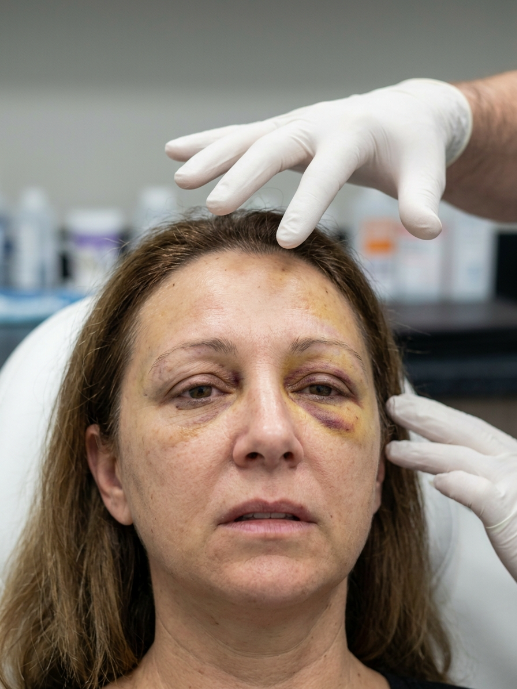
Usually, 2 to 5 days after the procedure, you will return to the clinic. Prof. Dr. Selçuk İnanlı or his clinical team will remove the heavy bandages. This is often an emotional moment for patients as they get their first glimpse of their new ear profile. While the ears will be swollen and perhaps slightly bruised, the change in position is immediately evident.
Transitioning to the Headband
Once the bulky dressing is removed, it is replaced by a lighter elastic headband (similar to a tennis headband). This must be worn 24/7 for the remainder of the first week. The headband prevents the ears from “springing” forward and protects them from being folded or pulled while you move during the day or sleep at night.
Activity Restrictions and Lifestyle Adjustments
To ensure the best outcome after otoplasty, certain lifestyle changes are mandatory during the first month.
Sleeping Positions
You must sleep with your head elevated on two or three pillows for at least two weeks. This elevation uses gravity to reduce swelling and arterial pressure in the head. Furthermore, you must sleep strictly on your back. Sleeping on your side can put undue pressure on the healing cartilage and may even displace the internal sutures, leading to a loss of the surgical correction.
Personal Hygiene and Showering
Showering is generally permitted after the first bandage removal, but you must be extremely gentle. Use lukewarm water and avoid letting a high-pressure stream hit the ears directly. Pat the area dry with a clean towel; never rub. If you have incisions behind the ears, your surgeon may recommend applying a thin layer of antibiotic ointment to keep the area supple.
Clothing Choices
During the first two weeks, wear button-down or zip-up shirts. Avoid t-shirts or sweaters that must be pulled over the head, as these can easily snag the ears and cause pain or injury.
Weeks 2 to 6: The Path to Normalcy
As you move into the second week after otoplasty, the acute symptoms begin to fade, and you can start reintroducing daily activities.
Returning to Work and School
Most adults return to work within 7 to 10 days. Children can usually return to school after a week, provided they are instructed not to engage in rough play. It is important to inform teachers or supervisors that the ears are still healing to avoid accidental bumps in crowded hallways. If you are wondering about the timing of the surgery for a child, see when should the otoplasty be carried out for expert advice.
Exercise and Physical Strain
Light walking is encouraged to promote circulation, but heavy lifting, cardio, and any activity that increases blood pressure should be avoided for at least 3 to 4 weeks. Increased blood pressure can cause the ears to swell or lead to late-stage bleeding. Contact sports (like wrestling, football, or basketball) must be avoided for at least 2 to 3 months, as the cartilage takes a long time to regain its full structural strength.
Long-Term Healing: 3 to 6 Months and Beyond
While the initial recovery is fast, the final results of an otoplasty take time to settle.
Residual Swelling
Minor swelling, especially in the upper folds of the ear, can persist for several months. This is often so subtle that only the patient and the surgeon notice it. By the six-month mark, the ears will have reached their final shape and softness.
Scar Management
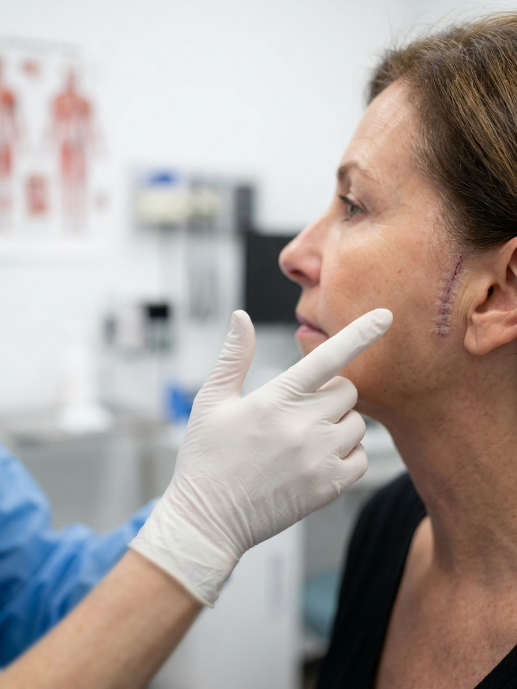
In most otoplasty techniques, the incisions are placed in the post-auricular sulcus (the natural crease behind the ear). This makes the resulting scars virtually invisible to others. Over the first year, the scar will transition from pink to a thin, white line. Prof. Dr. Selçuk İnanlı utilizes advanced suturing techniques to ensure that tension is minimized, which is the key to preventing hypertrophic scars or keloids.
Pediatric Considerations: Healing in Children
Otoplasty is very common in children, often performed between the ages of 5 and 14. Children are remarkably resilient, but their recovery requires strict parental supervision.
Psychological Impact
The transformation after otoplasty for a child often leads to an immediate boost in self-esteem. Many children who were previously teased for “bat ears” or “Dumbo ears” find a new sense of confidence. However, parents must ensure the child wears their headband as instructed, especially at night, as children are more likely to toss and turn in their sleep. For a deeper look into the surgical solutions available, visit the otoplasty ear correction surgery page.
Potential Complications to Monitor
While otoplasty is a safe and standardized procedure, patients should be aware of signs that require medical attention:
- Asymmetry: While perfect symmetry is impossible in nature, significant differences between the two ears may require a minor revision.
- Suture Spit: Occasionally, the body may try to reject an internal permanent suture. This appears as a small bump or a tiny thread poking through the skin behind the ear.
- Infection: Symptoms include increasing pain, redness, warmth, or discharge from the incision site.
- Chondritis: A rare inflammation of the cartilage that requires prompt antibiotic treatment.
The Philosophy of Prof. Dr. Selçuk İnanlı
As a specialist certified by the European Academy of Facial Plastic Surgery (EAFPS), Prof. Dr. Selçuk İnanlı views otoplasty not just as a mechanical task of pinning ears back, but as an artistic endeavor. The goal is to create a natural-looking ear that does not appear “operated on.” This involves careful attention to the helical rim, the antihelical fold, and the concha. A successful outcome is one where the ears are in harmony with the rest of the facial features, providing a balanced and aesthetic appearance from every angle.
Final Thoughts on the Journey
The journey after otoplasty is a transition from self-consciousness to self-assurance. By following the post-operative instructions provided by your surgical team, you ensure that the delicate work performed during surgery is preserved. Remember that patience is the most important tool in your recovery kit. The initial weeks of wearing a headband and sleeping upright are a small price to pay for a lifetime of confidence.
If you are considering this procedure for yourself or your child, choosing a surgeon with international board certification and decades of experience, such as Prof. Dr. Selçuk İnanlı, is the first step toward a successful transformation. The art of facial plastic surgery lies in the details, and the recovery period is where those details are solidified into a permanent, beautiful result.
Sıkça Sorulan Sorular
How long do I need to wear a headband after otoplasty?
The headband protocol is divided into two phases. For the first week after your initial bandages are removed, you must wear a soft, elastic headband 24 hours a day. This ensures the ears remain in their new position and are protected from accidental movement. After the first week, you will typically be instructed to wear the headband only at night for an additional 3 to 6 weeks. This nighttime wear is crucial to prevent the ears from being folded forward or traumatized while you sleep, which could compromise the internal sutures and the final aesthetic result.
When can I see the final results of my ear surgery?
While the change in the position of the ears is visible immediately after the bandages are removed (usually within the first week), the final results take time to fully settle. Initial swelling and bruising will subside significantly within the first 2 to 3 weeks. However, subtle residual edema, especially in the intricate folds of the ear cartilage, can persist for 3 to 6 months. The tissues continue to soften and the scars mature for up to a year. Most patients find that their ears look completely natural and ‘settled’ by the six-month mark.
Is the recovery after otoplasty very painful?
Most patients find the recovery after otoplasty much more manageable than they expected. During the first few days, you may experience a dull ache, throbbing, or a feeling of pressure, which is easily controlled with prescribed pain medications. It is also common to experience temporary numbness in the ears, which can last for several weeks. Severe or sharp pain is rare and should be reported to your surgeon immediately, as it could indicate a complication like a hematoma or an overly tight bandage. Generally, discomfort significantly decreases after the first 48 to 72 hours.
Will there be visible scars after the procedure?
One of the primary goals of a skilled surgeon like Prof. Dr. Selçuk İnanlı is to ensure that surgical evidence is hidden. In the vast majority of otoplasty cases, the incisions are made on the back surface of the ear, within the natural skin crease where the ear meets the head (the post-auricular sulcus). This placement ensures that once the incisions heal, the resulting scars are virtually invisible to others. With proper aftercare and sun protection during the first year, these scars typically fade into thin, faint lines that are very difficult to detect even upon close inspection.
When can my child return to sports after otoplasty?
Safety is the priority when returning to physical activities. Children can usually resume light activities and return to school within 7 days. However, more strenuous exercise should be avoided for at least 3 weeks. For contact sports like soccer, basketball, or martial arts—where the ears are at risk of being hit or pulled—it is mandatory to wait at least 2 to 3 months. Even after this period, some surgeons recommend wearing a protective headband during sports for the first few months to provide an extra layer of security while the cartilage continues to strengthen.