 01
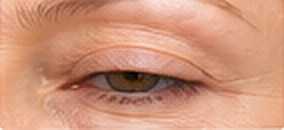
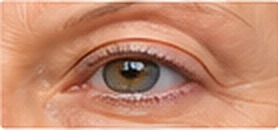
Upper Eyelid Skin Excess
Redundant skin that can create heaviness and a tired appearance.
BLEPHAROPLASTY
Individual surgical planning for the upper and lower eyelids, with attention to eye-surface health, eyelid support and natural expression.
Blepharoplasty considers the skin, fat compartments and support structures of the eyelids in relation to each person’s anatomy. The aim is to respect both natural expression and protective eyelid function.
UNDERSTANDING THE EYELIDS AND PERIORBITAL REGION
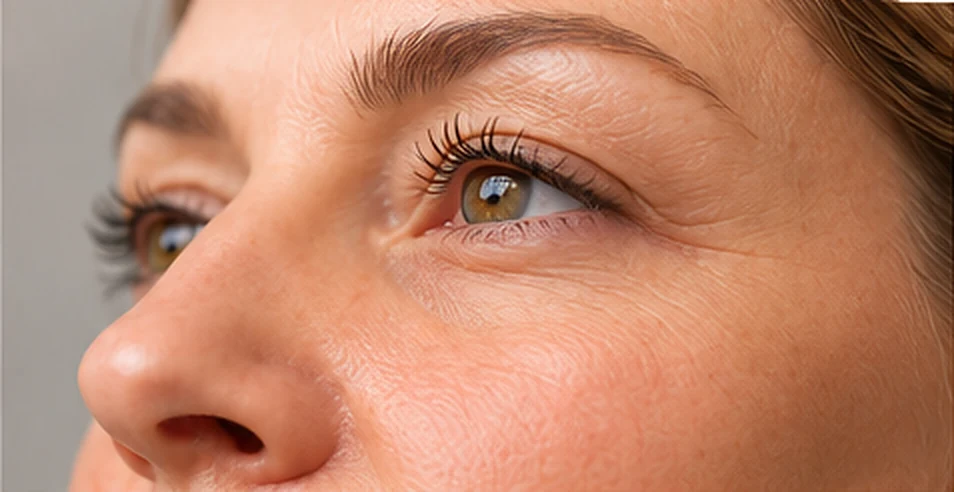
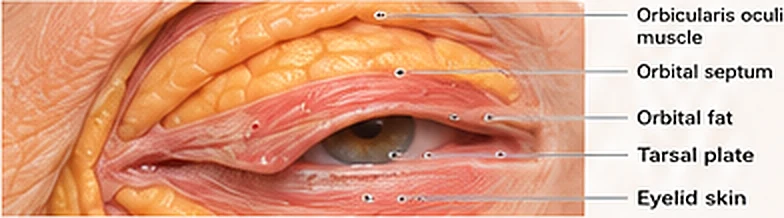
The eyelids consist of delicate skin, orbicularis muscle, orbital septum, fat compartments and structural support. Brow position and tear-film health matter to surgical decisions.
A clear understanding of the eyelid layers and their function is essential for a safe and natural result.
WHAT CAN BLEPHAROPLASTY ADDRESS?
Upper-lid skin excess, fat prominence, lower-lid bags and the lid–cheek junction may be evaluated. Not every periorbital concern is corrected by eyelid surgery.
01Redundant skin that can create heaviness and a tired appearance.
 02
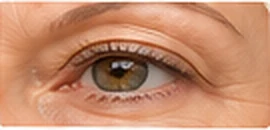
Protrusion of orbital fat that can cause a fuller upper eyelid.
 03
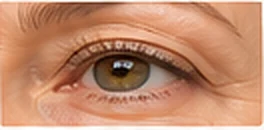
Prominent fat and soft tissue that create under-eye bulging.
 04
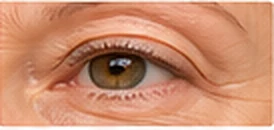
A less defined transition between the eyelid and cheek.
 05
Brow position can influence upper eyelid appearance.
 06
Prior eyelid or periocular treatments may affect surgical planning.

IS BLEPHAROPLASTY RIGHT FOR YOU?
Suitability depends on examination, lid position and laxity, ocular surface health, previous procedures, general health and realistic expectations.
WHAT IS ASSESSED BEFORE BLEPHAROPLASTY?
Assessment includes upper-lid skin, brow position, levator function where indicated, lower-lid support, canthal position, dry-eye symptoms and surgical history.
Upper-lid skin, muscle function (levator) and lid position.
Brow height and its effect on upper eyelid appearance.
Lower-lid tone, fat compartments and structural support.
Ocular surface health and dry-eye symptoms.
Past eyelid or periocular surgeries and their impact.
General health, medications and individual healing capacity.
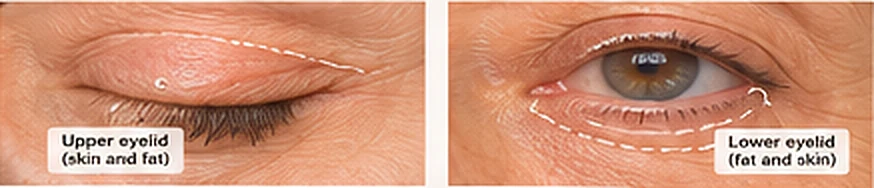
UPPER AND LOWER EYELID SURGERY
Upper and lower eyelid procedures address different anatomical issues; treating both is not always necessary.
EYELID ANATOMY, SUPPORT AND FUNCTION
Orbicularis muscle, orbital septum, tarsal support, canthal attachments and fat compartments contribute to eye protection and lid position.

HOW I PLAN BLEPHAROPLASTY
Planning follows six individual assessment steps rather than a fixed surgical recipe.
Your concerns, eye symptoms and medical history.
Detailed analysis of eyelid anatomy and eyelid function.
Brow position, lower-lid tone and canthal support.
Conservative and precise removal or repositioning of skin and fat.
Selection of the most appropriate technique (upper, lower or both).
Aftercare and regular follow-up visits.

NATURAL EXPRESSION AND SURGICAL APPROACH
The aim is a natural expression while protecting lid closure and support. Excessive skin or fat removal can impair function; no aesthetic outcome can be guaranteed.
WHAT TO EXPECT AFTER BLEPHAROPLASTY
Swelling, bruising, temporary tightness and ocular surface sensitivity may occur. Recovery depends on the procedure and the individual.
Mild swelling and bruising are common.
Many patients resume light activities within a few days.
Regular follow-up visits to monitor healing and results.
FREQUENTLY ASKED QUESTIONS
Surgery planned around the skin, fat and support structures of the upper or lower eyelids.
Upper-lid surgery focuses on upper-lid concerns; lower-lid surgery more often considers bags, support and the lid–cheek junction.
No. The cause of the appearance and the quality of eyelid support determine what may be appropriate.
The aim is to preserve natural expression and lid function, but individual appearance can change.
Yes. Tear-film and ocular surface concerns are important in planning and recovery.
They may be considered together when indicated, but both are not required for everyone.
Bruising and swelling are common early changes; the course varies by individual and procedure.
Brow position and eyelid skin excess are distinct concerns that may be assessed separately or together.

ABOUT BLEPHAROPLASTY
Share your questions about blepharoplasty, and let’s discuss the most appropriate approach for you.
PATIENT ENQUIRY FORM
You can send us your questions or share your concerns. Our team will get back to you as soon as possible.