Prominent Ears
Ears that project noticeably from the head may be assessed for changes in cartilage shape or ear position.
OTOPLASTY / EAR PINNING
Individual surgical planning for prominent ears, ear symmetry and natural facial balance.
Otoplasty is a procedure designed to address selected concerns about the shape, position or projection of the external ears. Surgical planning considers ear cartilage, the relationship between the ear and the head, and the natural differences between the two sides. The aim is to create a balanced appearance without making the ears look overcorrected.

EAR SHAPE & PROJECTION
The appearance of the ears is influenced by cartilage folds, the depth of the conchal bowl, ear size and the angle between the ear and the head. Prominence may arise from one anatomical feature or a combination of factors. Each ear is therefore assessed individually rather than treated according to a single standard shape.
Most people have some degree of difference between their right and left ears. The purpose of assessment is to understand which differences are important to the individual and which are part of natural facial anatomy.
AREAS OF CONCERN
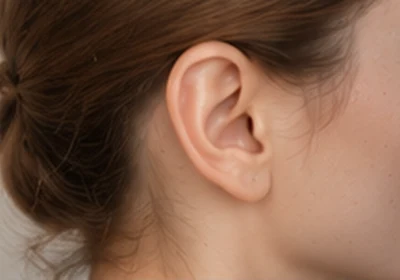
The concerns that may be considered depend on cartilage anatomy, ear position and individual expectations. Assessment may focus on one or more of the following areas.
Ears that project noticeably from the head may be assessed for changes in cartilage shape or ear position.
An underdeveloped natural fold of the upper ear can contribute to a prominent appearance.
The depth or position of the conchal bowl may influence how far the ear projects.
Differences in ear shape or projection may be considered when planning a balanced result.
The position of each ear is evaluated in relation to the side of the head and the overall facial proportions.
Previous otoplasty or other ear procedures may affect cartilage support, scarring and surgical planning.
INDIVIDUAL ASSESSMENT
Otoplasty may be considered by people who are concerned about prominent ears or selected differences in external ear shape. Suitability depends on cartilage anatomy, skin and tissue characteristics, general health and realistic expectations. For children and adolescents, developmental stage, understanding and family involvement also form part of the discussion. A consultation helps clarify whether surgery is appropriate and what degree of change may be reasonable.

SURGICAL ASSESSMENT
Planning begins with a detailed examination of the external ears and their relationship to the face and head.
The degree and pattern of prominence are assessed separately on each side.
The antihelical fold, conchal bowl and other cartilage structures are examined.
Natural differences in size, shape and position are documented.
Skin characteristics and previous scarring may influence the surgical approach.
Age, ear development and individual readiness are considered, particularly for younger patients.
Medical history, medication use and factors affecting healing are reviewed.
ANATOMY-LED SURGERY
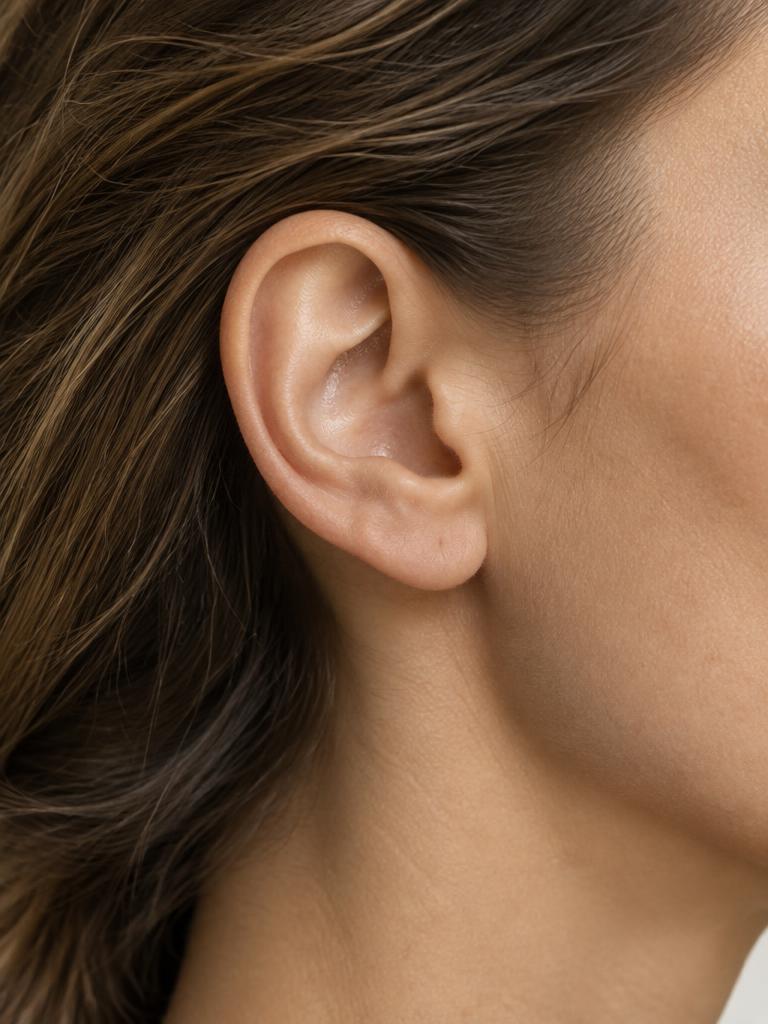
The external ear has a complex three-dimensional structure. Its appearance depends on the shape and flexibility of cartilage as well as the supporting soft tissues. Otoplasty planning may involve reshaping or repositioning selected cartilage structures according to the individual anatomy. The surgical approach is determined after examination; no single technique is appropriate for every ear.
The goal is not to press the ears as close to the head as possible. A natural-looking result should preserve the characteristic contours of the ear and a proportionate relationship with the face.
A PERSONALISED APPROACH
Each surgical plan is guided by anatomy, proportion and the individual concerns discussed during consultation.
We begin by discussing which aspects of ear shape or prominence matter most to you.
Each ear is assessed for projection, cartilage structure and natural asymmetry.
We discuss what may reasonably change and which differences may remain.
The technique is chosen according to cartilage anatomy and tissue characteristics.
The intended correction is considered in relation to the head and overall facial proportions.
Postoperative care, limitations and follow-up are explained before surgery.

SURGICAL PHILOSOPHY
My approach to otoplasty is guided by the anatomy of each ear and the overall balance of the face. I aim to avoid an overly flattened or artificial appearance. Because ears naturally differ from one another, complete symmetry cannot be promised. Careful planning focuses on a proportionate correction that respects individual anatomy.
AFTER SURGERY
Recovery varies according to the surgical approach, tissue characteristics and individual healing. The postoperative plan is explained in detail before the procedure.
A postoperative dressing or protective headband may be recommended for a period determined by the surgical plan. Follow the instructions provided for your case.
Swelling, bruising, temporary tenderness or altered sensation may occur. These changes generally evolve as healing progresses.
Instructions about sleeping position, physical activity, contact sports and follow-up visits are individualised. Final contour assessment takes time as swelling settles.
FREQUENTLY ASKED QUESTIONS
Otoplasty is surgery that addresses selected concerns about the position, projection or shape of the external ears. The approach depends on individual anatomy.
It may reduce prominence when the concern is related to ear cartilage shape or position. The degree of correction is discussed after examination.
Perfect symmetry is not a realistic promise. Planning considers existing differences and aims for natural overall balance.
Otoplasty may be considered for selected children, depending on ear development, individual readiness and a careful discussion with the family.
Incision placement depends on the chosen technique and ear anatomy. Potential scars and their visibility are explained during consultation.
Discomfort and tenderness can occur after surgery. Their intensity and duration vary, and postoperative care is tailored to the individual.
Recovery is individual. Swelling, dressing requirements, activity restrictions and follow-up are discussed in relation to the planned procedure.
Revision may be considered in selected cases. Previous cartilage changes and scarring require careful examination before a recommendation is made.

YOUR CONSULTATION
An individual consultation is the starting point for understanding your ear anatomy, discussing realistic options and deciding whether surgery is appropriate. All assessments and surgical plans are personalised.