 01
Neck Skin Laxity
Loose, less elastic skin in the neck.
NECK LIFT
Individual surgical planning for the jawline, cervicomental angle, skin, platysma and deeper neck anatomy.
Neck lift surgery addresses selected age-related changes in the neck based on individual anatomy. Skin laxity, submental fullness and platysmal bands are distinct concerns and do not always require the same approach.
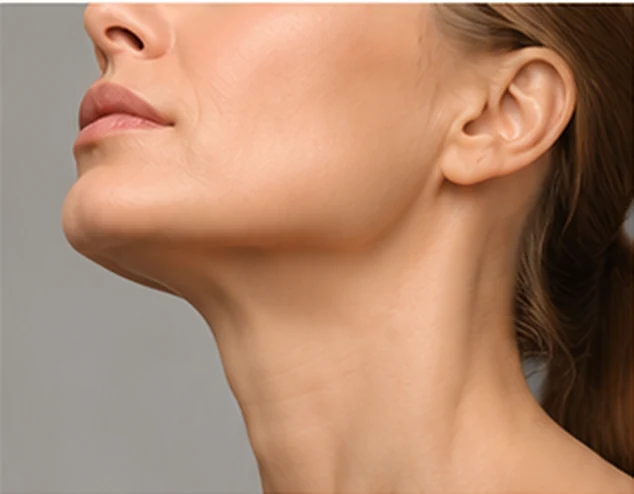
UNDERSTANDING NECK AGING AND ANATOMY
Neck appearance depends on skin elasticity, superficial fat, platysma, chin structure and deeper tissues. The layers should be evaluated together.
With time, skin and soft tissues lose elasticity, the platysma can become more prominent and fat distribution may change, all of which can affect neck contour.
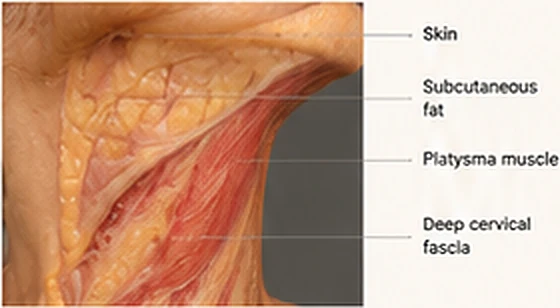
WHAT CAN A NECK LIFT ADDRESS?
Skin laxity, platysmal bands, submental fullness, jawline definition and cervicomental contour can be assessed individually.
01Loose, less elastic skin in the neck.
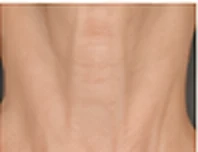 02
Visible vertical muscle bands (platysma).
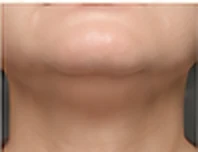 03
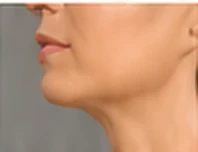
Excess soft tissue beneath the chin.
 04
A less defined chin–neck angle.
 05
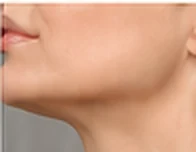
A clearer and more refined jawline contour.
 06
Assessment after prior surgery or treatments.

IS A NECK LIFT RIGHT FOR YOU?
Suitability depends on anatomy, tissue quality, platysma, previous treatment and general health. Not all submental fullness requires a neck lift.
WHAT IS ASSESSED BEFORE NECK LIFT SURGERY?
Assessment includes skin elasticity, platysmal bands, submental fat, chin and neck proportions, previous procedures and healing factors.
Skin quality, thickness and degree of laxity.
Prominence and behavior of the platysma muscle.
Amount and pattern of soft tissue beneath the chin.
The angle between the chin and neck.
Any prior neck or facial procedures and their implications.
General health, medications and individual healing response.
THE RELATIONSHIP BETWEEN NECK AND JAWLINE
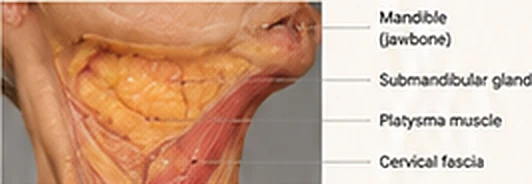
The lower face, jawline and neck form a related anatomical unit; the main concern should guide the extent of surgery.
NECK ANATOMY: SKIN, PLATYSMA AND DEEPER STRUCTURES
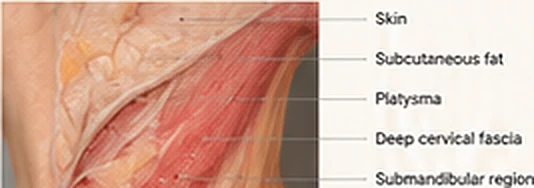
Skin, superficial fat, platysma and deeper neck structures are assessed separately, with attention to safety and individual variation.
HOW I PLAN NECK LIFT SURGERY
A six-stage planning process addresses the specific anatomical problem rather than prescribing one technique for everyone.
How the neck and lower face have changed over time.
Skin, fat, platysma or a combination of these.
The jawline, chin and neck considered together.
Tissue quality and any previous treatment.
Selection of the most appropriate technique for the specific concern.
Aftercare and regular follow-up visits.

NATURAL NECK CONTOUR AND SURGICAL APPROACH
The goal is proportionate neck contour in harmony with the face, not an excessively tight appearance. Results cannot be guaranteed.
WHAT TO EXPECT AFTER NECK LIFT SURGERY
Swelling, bruising, tightness and temporary altered sensation can occur. Follow-up and recovery depend on the scope of surgery.
Mild swelling and bruising are common.
Many patients resume light activities within a few days.
Regular follow-up visits to monitor healing and progress.
FREQUENTLY ASKED QUESTIONS
An individual surgical approach to selected changes of the neck skin, platysma and supporting structures.
Liposuction targets fat in selected cases; neck lifting may address skin and muscular support as well.
Visible bands are assessed in relation to the platysma, skin and neck anatomy.
They may be planned together when indicated; not every patient needs both.
No. Anatomy, tissue characteristics and health are more relevant than age alone.
No. Their anatomical targets and surgical scope may differ.
Early swelling and bruising can occur; timing varies with the procedure and the patient.
Surgery does not stop natural aging, and long-term appearance varies by individual.

ABOUT NECK LIFT
Share your questions about neck lift surgery, and let’s discuss the most appropriate approach for you.
PATIENT ENQUIRY FORM
You can send us your questions or share your concerns. Our team will get back to you as soon as possible.