Cheek Tissue Descent
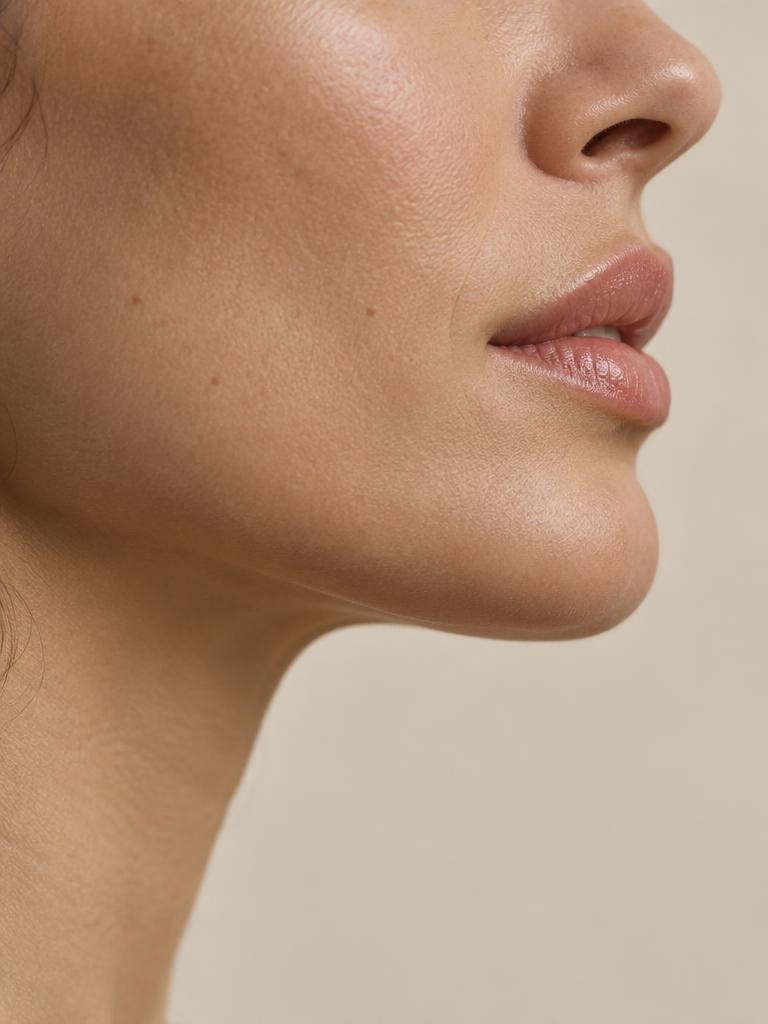
Age-related descent of cheek soft tissues may change the contour and support of the central face.
MID FACELIFT
Individual surgical planning for cheek descent, midface contour and facial balance.
A mid facelift is designed to address age-related changes in the central face, particularly the position and support of the cheek tissues. Planning considers the relationship between the cheeks, lower eyelids and surrounding facial structures, with the aim of improving midface contour while preserving individual facial character.
THE CENTRAL FACE
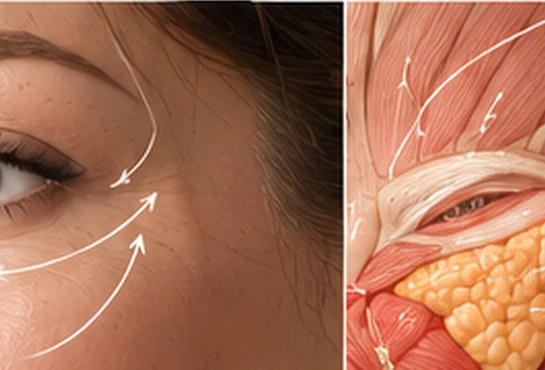
Ageing of the midface involves changes in the position, volume distribution and support of the cheek soft tissues. These changes may influence cheek contour and the transition between the lower eyelid and cheek. The pattern varies between individuals, so assessment focuses on anatomy rather than assuming that every patient requires the same type of lifting.
Cheek descent and changes around the lower eyelid may affect one another visually. Evaluation considers the entire lower eyelid–cheek relationship while distinguishing tissue descent from volume loss or eyelid-specific concerns.
AREAS OF CONCERN
The concerns addressed by mid facelift surgery vary between patients. Depending on anatomy and the pattern of ageing, assessment may focus on one or more of the following areas.
Age-related descent of cheek soft tissues may change the contour and support of the central face.
Changes in tissue position and volume distribution may contribute to a flatter cheek appearance.
The relationship between the lower eyelid and upper cheek is assessed when planning midface support.
Changes around the cheek and central face may alter facial balance and soft-tissue transitions.
Natural differences between the two sides of the midface are evaluated during planning.
Previous surgery, fillers, threads or energy-based treatments may influence anatomy and tissue planes.
CANDIDACY
Mid facelift surgery may be considered when descent or altered support of the cheek tissues contributes significantly to the appearance of the central face. Candidacy depends on tissue position, facial proportions, skin quality, lower eyelid anatomy, previous procedures, general health and individual goals.
Volume loss, lower eyelid changes and tissue descent can create different appearances and may coexist. A mid facelift is not interchangeable with a full facelift, lower eyelid surgery or non-surgical volume treatment. The appropriate approach follows the anatomical findings.
BEFORE SURGICAL PLANNING
The position and degree of descent of the midface soft tissues are evaluated.
The lower eyelid and its relationship to the cheek are assessed separately and together.
The cheeks are evaluated in relation to the eyes, temples, lower face and overall facial balance.
Changes in cheek fullness and volume distribution are distinguished from tissue descent.
Prior surgery, fillers, threads and energy-based treatments are reviewed because they may affect planning.
Medical history, medications, smoking status and factors affecting anaesthesia, bleeding or wound healing are assessed.

AN ANATOMICAL APPROACH
Mid facelift planning is guided by the location and degree of cheek tissue descent rather than a standard amount of elevation. The objective is to support the central face in a way that remains proportionate to the lower eyelids, jawline and overall facial structure.
A mid facelift primarily addresses the central cheek region. Jowling, jawline changes and neck laxity may require a different assessment and should not be presented as automatic targets of mid facelift surgery.
SURGICAL PLANNING
The surgical plan is built around the distribution of midface ageing, the position of cheek tissues and the relationship to the lower eyelids and surrounding facial regions.
Cheek contour, tissue descent and soft-tissue support are assessed.
The anatomical transition between the lower eyelid and cheek is evaluated.
Volume distribution, tissue characteristics and skin quality are considered.
The central face is assessed in relation to the upper and lower face.
The extent, direction and method of repositioning are selected according to individual anatomy.
The final plan integrates cheek support, facial balance and preservation of natural expression.
SURGICAL PHILOSOPHY
The objective of mid facelift surgery is not to create exaggerated cheek fullness or an artificially pulled appearance. Planning is directed toward improving tissue support and central facial contour while respecting the patient's proportions, expression and individual identity.
A natural-looking result depends on careful assessment of the cheek tissues, appropriate patient selection and restraint in the degree and direction of repositioning.
RECOVERY & HEALING
Recovery after mid facelift surgery is gradual. Swelling, bruising, tightness, temporary changes in sensation and asymmetry related to swelling may occur during the early postoperative period. Cheek contour continues to evolve as swelling resolves and the tissues settle. The pace of recovery varies according to the surgical approach and individual healing response.
Swelling and bruising generally become less noticeable as early healing progresses.
The midface continues to settle as swelling decreases and tissues adapt.
Postoperative follow-up is important to monitor healing, lower eyelid position, symmetry and the evolution of the surgical result.
FREQUENTLY ASKED QUESTIONS
A mid facelift focuses on the central face, particularly the position and support of cheek tissues. Whether it is appropriate depends on the pattern of ageing and individual anatomy.
A mid facelift primarily addresses the cheek and central face. A full facelift is planned for broader age-related changes involving the lower face, jawline and, when indicated, the neck. The two procedures are not interchangeable.
It may improve this transition when cheek tissue descent contributes to the appearance. Lower eyelid anatomy and other causes must also be assessed because a mid facelift does not address every lower eyelid concern.
A mid facelift is not primarily designed to treat jowls or neck laxity. Those concerns require separate evaluation of the lower face and neck.
No. Midface flattening may reflect changes in tissue position, volume distribution or both. Assessment is needed to distinguish these factors before choosing a treatment.
Previous fillers, threads or surgery do not automatically exclude a mid facelift, but they should be reviewed because they may affect anatomy, tissue planes and planning.
Recovery is gradual and varies between patients and surgical approaches. Swelling, bruising and tightness may occur early, while cheek contour continues to settle over time. Individual guidance is discussed during consultation.
Mid facelift surgery can reposition and support tissues, but it does not stop natural ageing. The appearance continues to evolve according to ageing, tissue quality and other individual factors.
RELATED PROCEDURES

TAKE THE FIRST STEP
Arrange a consultation to discuss the changes you have noticed in your cheeks and central face, and whether mid facelift surgery may be appropriate for your anatomy and goals.