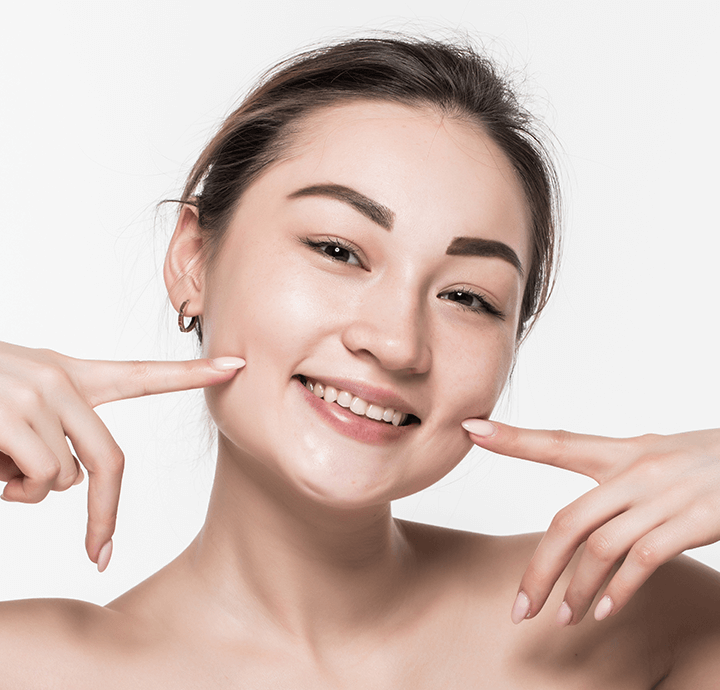
Bichectomy
Bichectomy: The Ultimate Guide to Achieving a Defined Facial Contour with Buccal Fat Removal
Understanding Bichectomy: The Science of Facial Contouring
Bichectomy, commonly known as buccal fat removal, has emerged as one of the most sought-after cosmetic procedures for individuals desiring a more chiseled, mature, and defined facial appearance. The procedure targets the buccal fat pads, which are naturally occurring masses of fat located in the hollow of the cheek. While these pads provide volume during childhood—contributing to the ‘baby face’ look—they often persist into adulthood, creating a round or ‘chipmunk’ cheek appearance that can obscure the underlying bone structure.
In the hands of an expert like Prof. Dr. Selçuk İnanlı, a bichectomy is not merely the removal of tissue; it is a precise anatomical refinement. By strategically reducing the volume of the buccal fat, a surgeon can enhance the shadows beneath the cheekbones, effectively highlighting the zygomatic arch and the jawline. This procedure is particularly popular among those who feel that despite a healthy weight and exercise, their face remains disproportionately round or lacks definition.
The Anatomy of the Buccal Fat Pad
The buccal fat pad (also known as Bichat’s fat pad) is a deep-seated fat mass located between the buccinator muscle and the more superficial muscles of the face. Unlike subcutaneous fat, which can fluctuate significantly with weight gain or loss, the buccal fat pad is relatively resistant to diet and exercise. This is why many individuals find that their facial roundness persists even after significant weight loss.
The pad consists of a main body and several extensions (buccal, temporal, and pterygoid). In a standard bichectomy, the surgeon focuses on the buccal extension to achieve the desired slimming effect. Understanding this anatomy is critical, as the area is also home to the parotid duct (Stensen’s duct) and branches of the facial nerve. Choosing a surgeon with deep knowledge of ENT and Facial Plastic Surgery is essential to ensure these vital structures are protected.
Why Choose Bichectomy? Aesthetic and Psychological Benefits
The primary motivation for undergoing a buccal fat removal is to transition from a soft, rounded facial profile to a more structured and ‘V-shaped’ appearance. The aesthetic goal is often referred to as the Hollywood Cheek, a look characterized by high cheekbones and hollowed-out mid-face contours.
Beyond the physical changes, the psychological impact of a bichectomy can be profound. Many patients report an increase in self-confidence after the procedure. In an era dominated by social media and high-definition photography, having a defined facial structure can alleviate insecurities related to a ‘full’ face. By creating a better balance between the mid-face and the lower face, bichectomy helps achieve a more harmonious and photogenic appearance.
The Role of the Golden Ratio
In facial plastic surgery, the Golden Ratio serves as a guide for ideal proportions. A face that is too wide in the lower third can appear unbalanced. By performing a bichectomy, Prof. Dr. Selçuk İnanlı works to bring the face closer to these ideal proportions, ensuring that the results look natural and complement the patient’s unique ethnic features. This is particularly important when considering advantage of buccal liposuction and its ability to refine the lower facial third without external scarring.
Are You a Candidate for Bichectomy?
Not everyone is an ideal candidate for this procedure. Because the face naturally loses fat as we age, removing too much fat in a patient who already has lean facial features can lead to a ‘gaunt’ or prematurely aged appearance in later years. Therefore, patient selection is the most critical step in the consultation process.
Ideal candidates typically include:
* Individuals with a naturally round, ‘full’ face despite being at a healthy weight.
* Patients who desire a more defined jawline and cheekbone structure.
* Individuals with realistic expectations about the surgical outcome.
* Non-smokers or those willing to quit during the recovery period to ensure optimal healing.
Who should avoid bichectomy?
* Patients with naturally thin or narrow faces, as the procedure could lead to a hollowed-out look over time.
* Individuals with significant skin laxity, where a facelift might be more appropriate.
* Those with certain medical conditions that impair healing.
The Consultation Process with Prof. Dr. Selçuk İnanlı
A successful bichectomy begins with a comprehensive consultation. During this meeting, Prof. Dr. Selçuk İnanlı evaluates the patient’s facial anatomy, skin quality, and bone structure. High-resolution photography and digital imaging may be used to simulate the potential results, allowing the patient to visualize the changes.
It is also during this time that the surgeon determines if the bichectomy should be performed as a standalone procedure or in combination with other surgeries. For instance, some patients may benefit from a combination of bichectomy and chin augmentation or rhinoplasty to achieve total facial harmony. The goal is always to create a result that is balanced, symmetrical, and sustainable for the long term.
The Surgical Procedure: Step-by-Step
One of the most appealing aspects of bichectomy is that it is a relatively quick, minimally invasive procedure with no external scarring. The entire operation typically takes between 30 to 45 minutes.
1. Anesthesia
In most cases, bichectomy is performed under local anesthesia with sedation, meaning the patient is awake but relaxed and feels no pain. However, if it is being combined with other procedures like a facelift, general anesthesia may be used.
2. The Incision
The surgeon makes a small incision (approximately 1-2 cm) on the inside of the cheek, near the upper second molar. This intraoral approach ensures that there are absolutely no visible scars on the face.
3. Locating and Removing the Fat Pad
Through this incision, the surgeon gently identifies the buccal fat pad. Using specialized instruments, a specific amount of fat is teased out and removed. The amount removed is tailored specifically to the patient’s facial structure to avoid over-hollowing.
4. Suturing
The incisions are closed with dissolvable sutures. Because the mouth heals very quickly, these sutures typically disappear within a week, and the patient does not need to return for suture removal.
Recovery and Aftercare: What to Expect
The recovery period following a bichectomy is generally straightforward, but following post-operative instructions is vital for a smooth process. Most patients can return to work or light activities within 2 to 3 days.
Immediate Post-Op Period
Immediately after the surgery, there will be some swelling, which is perfectly normal. In fact, for the first few days, your cheeks may look even fuller than they did before the surgery. This is due to the body’s inflammatory response. Applying cold compresses can help manage this initial edema.
Dietary Restrictions
Since the incisions are inside the mouth, maintaining excellent oral hygiene is paramount. Patients are usually advised to follow a liquid or soft-food diet for the first few days to avoid irritating the surgical site. Rinsing with a prescribed antiseptic mouthwash after every meal is required to prevent infection.
Long-Term Healing
While the initial swelling subsides within a week or two, the final results of a bichectomy are not immediate. It takes time for the skin and underlying tissues to settle into the new, slimmer contour. Most patients begin to see the ‘real’ results around the 4 to 6-week mark, with the final outcome becoming fully apparent after 3 to 4 months. To understand the nuances of the healing timeline, patients often ask is cheek fat removal a difficult procedure?, and the answer lies in the precision of the aftercare.
Potential Risks and Complications
While bichectomy is considered a safe procedure when performed by a board-certified facial plastic surgeon, like any surgery, it carries potential risks. These include:
* Infection: Minimized by strict oral hygiene and antibiotics.
* Asymmetry: If unequal amounts of fat are removed from each side.
* Injury to the Salivary Duct: The parotid duct is very close to the fat pad; an inexperienced surgeon could cause damage.
* Nerve Damage: Temporary or, in rare cases, permanent weakness in certain facial muscles.
* Over-resection: Removing too much fat, leading to a prematurely aged appearance.
Choosing a surgeon with the credentials of Prof. Dr. Selçuk İnanlı, who is certified by the European Academy of Facial Plastic Surgery (EAFPS), significantly mitigates these risks.
Combining Bichectomy with Other Procedures
For many patients, bichectomy is just one piece of the puzzle. To achieve a comprehensive facial rejuvenation or enhancement, it is often combined with other treatments:
Bichectomy and Jawline Fillers
While bichectomy creates a hollow in the mid-face, dermal fillers can be used to sharpen the jawline or add volume to the chin, creating a dramatic ‘model-like’ appearance.
Bichectomy and Rhinoplasty
A round face can sometimes make the nose appear smaller or out of proportion. By slimming the cheeks, the nose can be brought into better focus. Conversely, many patients undergoing rhinoplasty choose to add a bichectomy to further refine their overall facial profile.
Bichectomy and Liposuction
In some cases, the fullness in the face is not just due to the buccal fat pad but also subcutaneous fat under the chin or along the jawline. In these instances, combining bichectomy with submental liposuction (double chin removal) provides a much more comprehensive slimming effect.
Managing Expectations: The Natural Look
The hallmark of a great bichectomy is that no one can tell you had surgery. The result should look like you have simply lost weight or have naturally ‘good’ bone structure. Prof. Dr. Selçuk İnanlı emphasizes a conservative approach. It is always better to remove a moderate amount of fat to maintain a youthful suppleness than to remove too much and create a skeletal look.
Patients should also be aware of what to avoided after cheek fat removal, such as strenuous exercise for the first week and hot, spicy foods that could irritate the intraoral incisions.
The Aging Face and Bichectomy
A common concern among patients is whether removing buccal fat will cause them to look older faster. It is true that facial fat is a ‘currency of youth.’ As we age, we naturally lose volume in the mid-face. However, if the procedure is performed on the right candidate (someone with excessive buccal fat) and done conservatively, it should not accelerate the appearance of aging. In fact, by defining the cheekbones, it can sometimes provide a more ‘lifted’ look that persists even as the face matures.
Why Istanbul for Your Bichectomy?
Istanbul has become a global hub for Health Tourism, offering world-class surgical expertise at competitive prices. Surgeons like Prof. Dr. Selçuk İnanlı provide a level of care that meets and exceeds international standards. With the added benefit of recovering in a city that bridges two continents, many international patients find that traveling to Turkey for their bichectomy is a seamless and rewarding experience.
The clinic of Prof. Dr. Selçuk İnanlı, located in the prestigious Fulya district of Istanbul, is equipped with the latest technology and adheres to the highest safety protocols. Patients from around the world choose this clinic not just for the aesthetic results, but for the peace of mind that comes with being treated by a professor with decades of academic and clinical experience.
Conclusion: A More Defined You
Bichectomy is a powerful tool in the arsenal of facial plastic surgery. By subtly altering the distribution of fat in the mid-face, it can transform a patient’s appearance, boosting their confidence and highlighting their natural beauty. Whether you are looking to lose the ‘baby face’ or simply want to enhance your cheekbone definition, a bichectomy offers a permanent, scar-free solution.
If you are considering this procedure, the next step is a professional evaluation. Every face is unique, and your surgical plan should be as well. By focusing on harmony, proportion, and the long-term health of the facial tissues, Prof. Dr. Selçuk İnanlı ensures that every patient achieves a look that is both beautiful and uniquely theirs.
Sıkça Sorulan Sorular
Is bichectomy a permanent procedure?
Yes, bichectomy is a permanent procedure because the buccal fat pads do not grow back once they are surgically removed. Unlike other areas of the body where fat cells can shrink or expand with weight fluctuations, the buccal fat pad is a distinct anatomical structure. While your face will still age naturally and you may experience changes in skin elasticity or subcutaneous fat over time, the specific reduction in mid-face volume achieved through bichectomy will remain constant for the rest of your life.
Will I have visible scars after buccal fat removal?
One of the greatest advantages of a bichectomy is that there are absolutely no visible external scars. The entire procedure is performed through small incisions made on the inside of the mouth, specifically on the inner lining of the cheeks. These incisions are closed with dissolvable sutures that vanish within a few days. Because the oral mucosa heals very rapidly and the approach is internal, no one will be able to tell that you have undergone surgery, only that your face looks more contoured and defined.
How long does the swelling last after a bichectomy?
The swelling after a bichectomy typically follows a specific timeline. For the first 3 to 5 days, swelling is at its peak, and your face may actually look rounder than it did before the operation. Most of this visible swelling subsides within 7 to 10 days, allowing you to return to your social and professional life. However, minor internal swelling persists for several weeks. You will begin to see the initial contouring effects at one month, but the final, refined result usually takes 3 to 4 months to fully manifest as the tissues settle.
Does bichectomy cause the skin to sag as I get older?
When performed correctly on a suitable candidate, bichectomy does not cause the skin to sag. The buccal fat pad is located deep beneath the muscles and does not provide primary support for the skin. However, if the procedure is performed on someone with very thin skin or someone who is not a good candidate due to existing low facial volume, it could potentially lead to a hollowed look later in life. This is why it is essential to consult with an experienced surgeon like Prof. Dr. Selçuk İnanlı, who assesses your skin quality and facial structure to ensure the procedure will age gracefully.
What is the difference between bichectomy and facial liposuction?
Bichectomy and facial liposuction target different types of fat and different layers of the face. Bichectomy specifically removes the deep-seated buccal fat pad through an internal incision, focusing on the hollow of the cheek. Facial liposuction, on the other hand, targets subcutaneous fat (the fat just under the skin) and is typically used for the jawline, neck, or ‘double chin’ area. While liposuction uses a cannula to suck out fat, bichectomy involves the surgical excision of a specific fat mass. Often, the two are combined to achieve a total facial slimming effect.