Eyelid Surgery
Eyelid surgery is a popular procedure
chosen for both aesthetic and medical reasons. On one hand, it improves the
quality of vision, while on the other, it promises a more aesthetic look for
the eye area. Eyelid aesthetics is a safe and effective method that can be
completed quickly and applied to people of different age groups, often
performed to eliminate sagging skin around the eyes and under-eye bags.
What is Eyelid Surgery?
Eyelid surgery serves the purpose of
correcting both the upper and lower eyelids to make them more aesthetic and to
enhance functional vision capacity. It is a good option for those with
naturally drooping eyelids or those who wish to eliminate sagging due to aging.
It is important to emphasize that the procedure is not performed solely for
aesthetic purposes; it also has a dimension that enhances the quality of life,
such as improving vision.
What are the Types of Eyelid Operation?
There are two types of eyelid surgery, and
the appropriate method is determined according to the patient's needs:
1. Upper eyelid surgery
2.Lower eyelid surgery
1) Upper Eyelid Surgery
Upper Eyelid application refers to the
surgical correction of the upper part of the eye. It is often preferred in
cases of sagging and eyelid drooping. Sagging skin is primarily caused by
factors like the natural aging process and muscle weakening. Ptosis, commonly
referred to as eyelid drooping, occurs when the eyelid descends below the
usual, accepted position. This condition can have adverse effects on an
individual's eyesight and result in aesthetic concerns. Fortunately, surgical
procedures for both upper and lower eyelids provide remedies for these issues.
2)Lower Eyelid Surgery
Lower eyelid surgery refers to surgical
intervention in the lower eye area and is performed to eliminate under-eye bags
and correct sagging of the under-eye skin. The baggy appearance of the lower
eye area, caused by factors such as aging, genetic predisposition, and
accumulation of under-eye fluid, is corrected with this surgery. Sagging of the
skin on the lower eyelid can also make a person appear older or tired,
prompting individuals to seek correction.
Both upper and lower eyelid surgeries should
be performed by specialist doctors. These surgical procedures are customised to
suit each person, with various methods employed based on the individual's
distinct requirements, desired outcomes, and unique body structure.
How is Suitability for Eyelid Surgery
Assessed?
Whether one is an ideal candidate for
eyelid surgery is determined by a specialist doctor following an examination.
The physician examines the patient, assesses their overall health, and conveys
the necessity and potential risks of the medical procedure.
Procedure Stages of Eyelid Surgery
Eyelid surgery, like many medical
procedures, consists of three stages: pre-surgery evaluation, the surgery
phase, and post-operative care.
1)Pre-Assessment and Examination
Before the medical operation, the doctor
reviews the patient's medical history, checks their medication usage, and
conducts an examination. During this phase, called consultation, the patient's
expectations and psychological condition are also evaluated. Anesthesia
tolerance and preferences are discussed. Answers to questions like why the
patient wants eyelid surgery, what they hope to achieve from it, and whether
they are physically and psychologically ready for this process are obtained.
Once all conditions are met, the surgery day is determined.
2)Surgical Process
In eyelid surgery, following the evaluation
and data from the consultation, local anesthesia is administered to the
patient. This way, the patient does not experience any pain or discomfort.
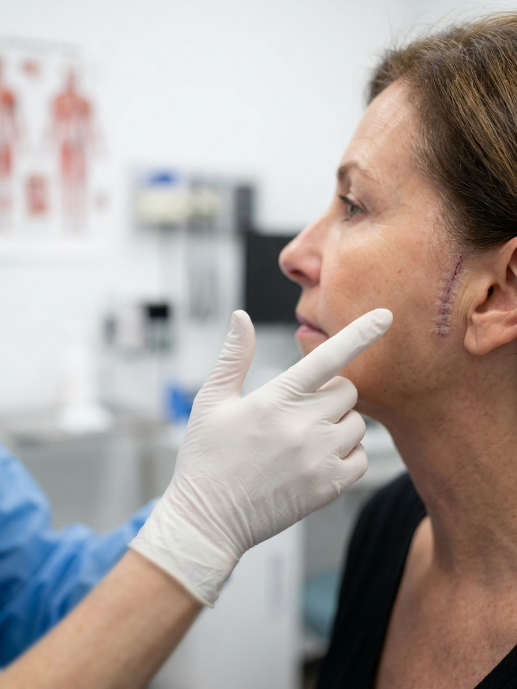
Corrections are then made to the upper and/or lower eyelids. Excess skin, fat
tissue, or redundant skin in the relevant areas can be removed. The procedure
is completed by placing minor stitches. In most cases, post-surgery stitches
are positioned to remain inconspicuous, ensuring they do not raise any
aesthetic concerns.
3)Postoperative Care
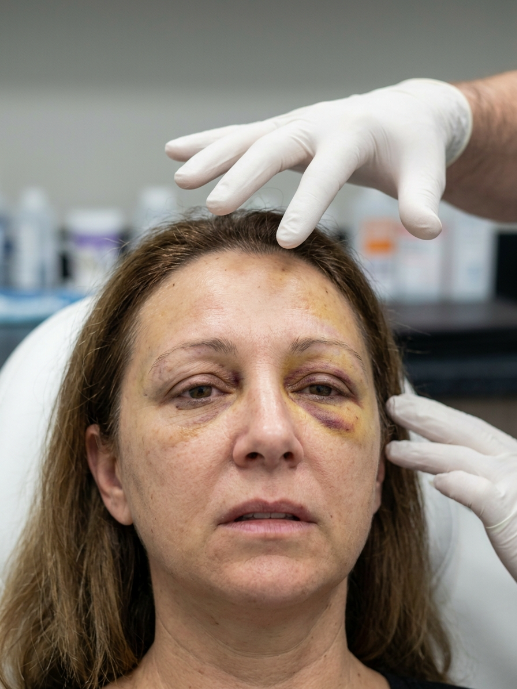
After a successful surgery, patients may
experience postoperative side effects. Sensitivity, pain, swelling, and
bruising may occur. The doctor provides the patient with aftercare
instructions, and healthcare professionals monitor the recovery process. Some
important points that patients should pay attention to after eyelid surgery
include:
- Medications like antibiotics
and pain relievers should be used as recommended. - To safeguard your eyes, it is
advisable to wear sunglasses when in outdoor or brightly lit settings. - Intense physical activity
should be avoided in the initial phase. - The eye area should be kept
hygienic and clean, and situations carrying the risk of infection should be
avoided. - If any concerns or
complications arise, contact the doctor.
Advantages of Eyelid Surgery
Eyelid surgery is requested by many
individuals of different age groups. It has both physical and psychological
advantages, which are significant. It offers many benefits, from improving
visual function to achieving a more attractive eye area. By reducing sagging
and wrinkles around the eyes, a younger and more energetic appearance can be
achieved.
Upper eyelid surgery helps the eyes provide
better vision. Feeling more beautiful contributes to a person's social
adaptation and boosts self-confidence. If you have the desire or intention to
undergo eyelid surgery for both aesthetic and health reasons, you can choose
Pr. Dr. Selçuk İnanlı.
Selçuk İnanlı Clinic, one of the most
preferred institutions for those who want eyelid surgery in Turkey, is with you
throughout all stages, from consultation to the postoperative phase. You can
contact us for detailed information.