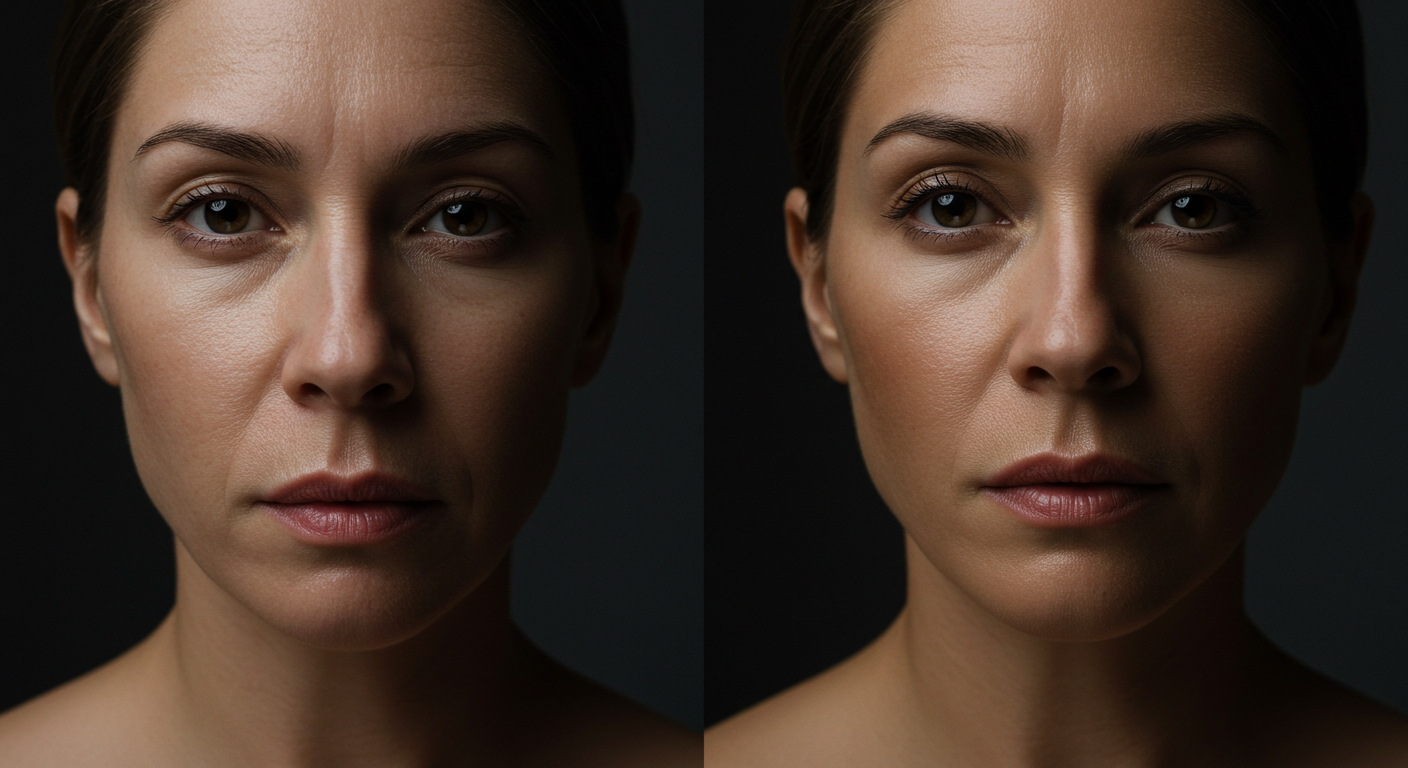
Face Lift Procedures
Face lift, also known as rhytidectomy, is
one of the aesthetic topics frequently researched by individuals desiring to
reduce or diminish the effects of aging. As skin types and expectations vary
among individuals, it's crucial to grasp the available facial rejuvenation
procedures for both women and men, the methods employed in medical procedures,
and the outcomes they produce. Being informed about the process helps create
realistic expectations and achieve successful results.
What is Facial Rejuvenation?
Facelift, which is also regarded as one of
the facial rejuvenation procedures, is carried out to target the indications of
aging in the facial and neck regions. During the procedure, both the skin and
the underlying tissues are tightened, and any excess tissue resulting from the
tightening is removed. The primary areas targeted are typically the neck and
forehead. The aims include correcting a sagging facial appearance, reducing
wrinkles, and achieving a more defined facial contour, ultimately giving the patient
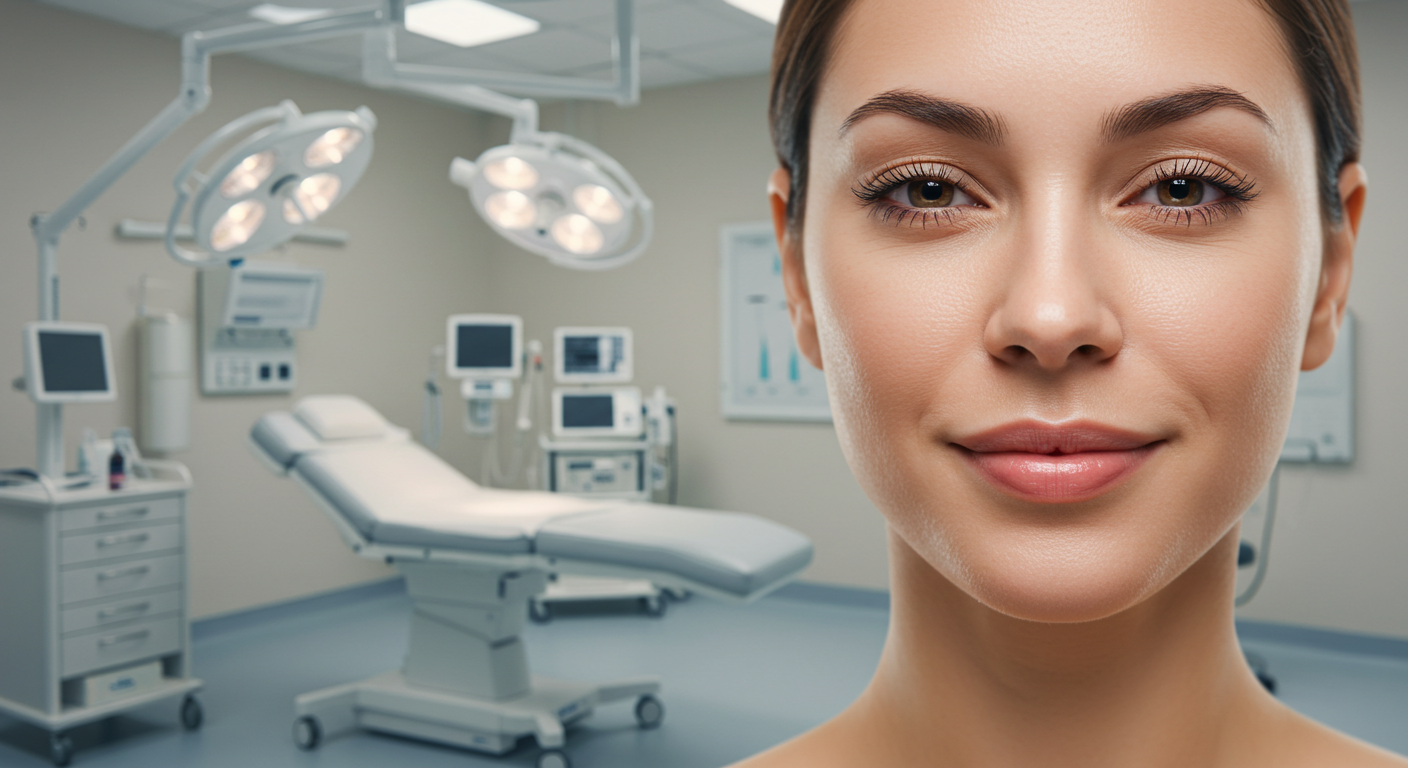
a younger, vibrant, and energetic appearance. The procedure should be conducted
in a sterile environment with hygienic conditions, and the patient should be
well-informed about the entire process before the application.
Which Facial Areas Can Be Treated?
Facial rejuvenation can be applied to
various areas. Both the patient's requests and the physician's evaluation play
a key role in determining the treatment area. The main application areas
include:
• Around the eyes
• Jawline
• Forehead region
• Neck
• Cheeks
Each area of the face has its unique
anatomical characteristics, and therefore, a specific technique is used for
each area.
What Are the Reasons for Facial
Tightening?
The primary reason is to reduce the effects
of aging. Patients' desires, dissatisfactions, and expectations can vary. A
single-area or multi-area tightening procedure may be suitable, which becomes
clear after the examination. The objectives of facial rejuvenation treatment
become more evident during consultation. However, the general aim, as explained
above, is to reverse the effects of aging, including sagging and loosening of
the skin. Young individuals with a genetically looser skin structure may also consider
this procedure. The treatment is determined and applied according to these
reasons.
• Reducing wrinkles
• Tightening facial skin
• Achieving a younger appearance
• Eliminating self-confidence issues
related to facial dissatisfaction
Pre-operation Before Facial Rejuvenation
Before facial rejuvenation, there may be
certain requirements that patients need to fulfill. These become clear after
the consultation and can vary from patient to patient. In general, the
following steps are included:
• Limiting or discontinuing smoking and
alcohol use.
• Informing the doctor about regularly used
medications.
• Ensuring post-operative care conditions
are met.
• The patient must be physically and
mentally prepared for the cosmetic operation.
The doctor examines the patient before
surgery, evaluates test and examination results, explains all stages of the
surgery and aftercare process to the patient in detail. If everything is in
order, operation dates are determined.
Facelift Surgery
Facelift surgery should be carefully
planned and performed by a specialist physician. Ear, nose, and throat (ENT)
specialists or plastic surgeons can carry out this procedure; however,
competence and skill should be sought in the physician's preference. When the
patient's test results and medical condition are suitable in the preoperative
process, the individual is scheduled for surgery at an appropriate date.
The areas of the patient's face to be
lifted are determined, and the type of anesthesia is planned. Once the
suitability for anesthesia is determined, the procedure can be performed with
either local or general anesthesia. The patient's anesthesia preference is
determined by the physician's and anesthetist's evaluation.
The physician determines the sites for
incisions, usually making small cuts behind the hairline or behind the ear to
ensure that the stitches are inconspicuous and do not present an aesthetic
issue.
Work is done on the subcutaneous muscles
and connective tissues; muscles are tightened, excess fat is removed, and
tissues are extracted. Subsequently, the skin is lifted and tightened. Excess
skin is removed and the incisions are closed with sutures. Initially, suture
marks are prominent but will become invisible over time with proper care.
Facelift procedures may also be integrated
with an array of medical and aesthetic surgical techniques. Consequently, if a
comprehensive strategy is devised, the surgeon can proficiently execute
treatments like blepharoplasty, more commonly referred to as eyelid
rejuvenation, and a cervico-facial lift during the very same session.
Following the procedure, the patient's face
might be kept wrapped in bandages or dressings for a few days. The healing
process differs from person to person, but it can typically be described as
lasting for a few weeks. It's commonplace to experience swelling and bruising
in the early days. The results become increasingly apparent over time.
Facelift Post-Operative Recovery Process
The post-operative period is crucial both
for experiencing a comfortable aftercare experience and for completing the
recovery process without leaving any visible scar. Patients must adhere to
specific instructions. During the process, initially prominent swelling and
bruising will diminish and eventually disappear.
Facelift recovery process can vary from
person to person. Typically, swelling and bruising decrease in 7-14 days.
Complete recovery may take several months. It is recommended that the patient
consumes plenty of water to accelerate the resolution of edema and swelling.
The special solutions recommended by the physician should be applied regularly
to the incision sites.
There is a potential risk of infection due
to the incisions, so antibiotics might be prescribed. It's important to adhere
to the antibiotic treatment consistently and at the correct dosage, avoiding
early discontinuation. Patients should avoid activities that may cause
irritation and should control facial expressions to avoid straining the
stitches.
If you're looking to undergo a comfortable
facelift procedure, attain pleasing results, and gather comprehensive
information about the process, you can get in touch with Prof. Dr. Selçuk
İnanlı. The clinic brings years of experience and expertise to facelift surgery.
Contact now!