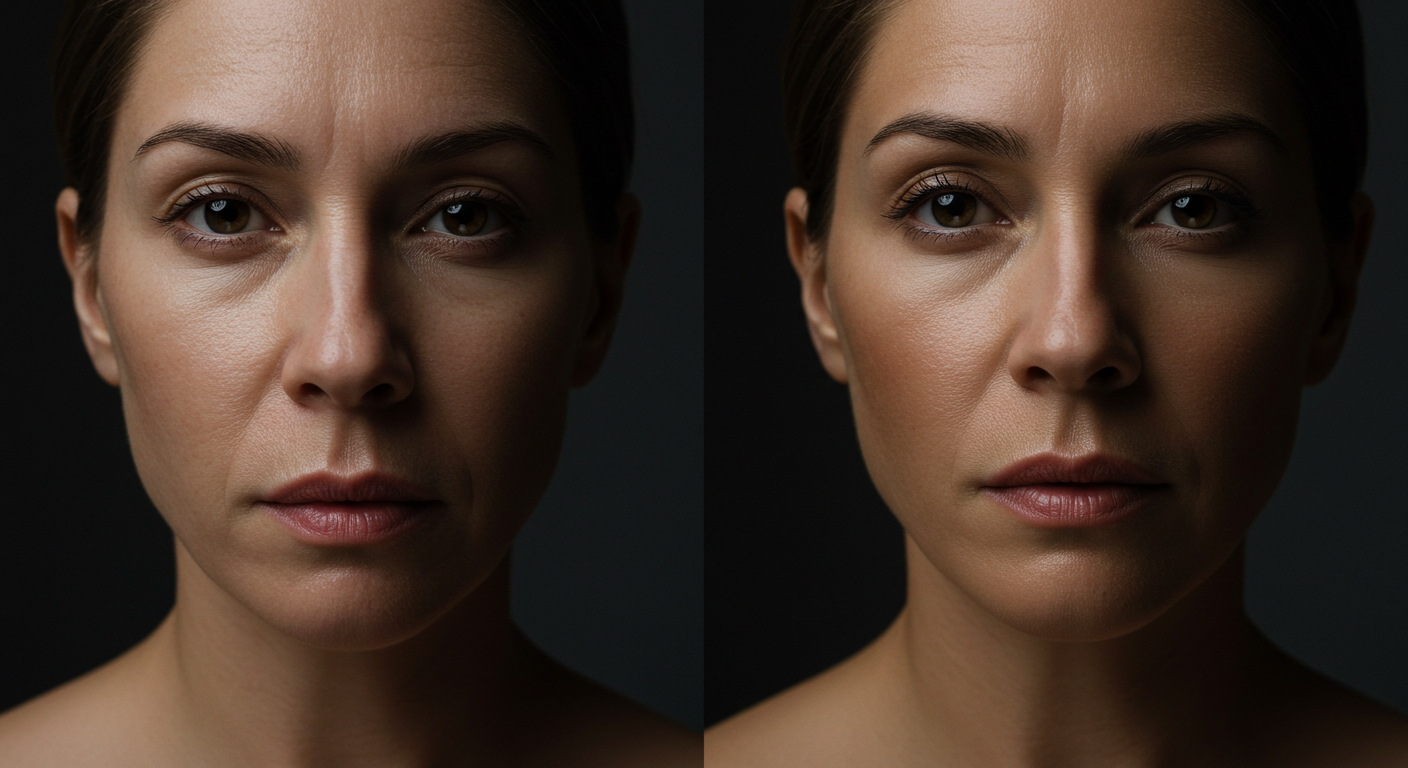
Facial Fat Injections
Facial fat injections, also known as facial
fat transfer, is one of the facial rejuvenation procedures and uses minimally
invasive approach. Fat cells are harvested from a donor area of the body, and
then transferred to specific areas of the face that have experienced facial
volume loss.
Facial rejuvenation method is the process
of harvesting and transferring fat cells from the patient's own body to the
desired areas of the face, creating a fuller and more youthful appearance.
Among the various options available, facial
fat transfer has gained popularity due to its natural and long-lasting results.
When comparing facial fat transfer before and after pictures, the remarkable
transformation and improvement in facial volume and contour can be seen.
What is Facial Fat Transfer?
Facial fat transfer, also called fat
grafting, is a cosmetic procedure that involves the transfer of fat from one
area of the body to the face, resulting in a natural and youthful appearance. The
collected fat is typically taken from areas such as the abdomen, thighs, or
buttocks, and is then injected into specific regions of the face to enhance
volume, fill wrinkles, and restore a youthful contour.
Facial fat transfer falls under the
category of filler treatments. These are substances that are injected into the
skin to add volume and reduce the appearance of wrinkles or sagging. While
traditional fillers often use synthetic materials, facial fat transfer utilizes
the patient's own fat cells, making it a natural and safe alternative.
Methods Used in Facial Fat Injections
There are different methods employed in
facial fat injections. One common technique is the Coleman technique, which
involves using small syringes and cannulas to extract and inject the fat cells.
Another method is the micro-lipoinjection technique, where fat is harvested
using smaller cannulas for more precise placement.
By using small amounts of fat grafting, specialist
can restore volume to the mid face and other areas of the face, providing
natural and long-lasting results. While this fat transfer procedure is
generally safe, there might be side effects associated with it, including
swelling and bruising at the injection sites.
The use of local anaesthetic helps to
minimize discomfort during the fat transfer treatment. Unlike dermal fillers,
which are temporary, fat transfer to the face offers a more permanent solution
for facial rejuvenation. Moreover, since the fat cells come from the patient's
own body, there is no risk of rejection. It is important to note that
significant amounts of weight fluctuations after the procedure can affect the
longevity of the results. Overall, facial fat injections offer a safe and
effective way to address facial volume loss and achieve natural-looking
results.
Procedure Steps
Before the application, the patient and the
doctor discuss the desired outcome and areas to be treated. The surgeon then
marks the target areas on the face. Local anesthesia or sedation may be
administered for the patient's comfort. The fat is harvested using a gentle
liposuction technique. It is then carefully processed to separate the fat cells
from other substances. The purified fat is then injected into the predetermined
areas of the face using small, blunt-tipped cannulas. The surgeon ensures
proper placement and symmetry to achieve natural-looking results.
Reasons for Opting for Facial Fat
Injections
There are several reasons why individuals
choose facial fat injections as a facial rejuvenation option. Firstly, it
offers natural-looking results as the fat is derived from the patient's own
body. This reduces the risk of adverse reactions or rejection. Secondly, facial
fat transfer can address multiple concerns simultaneously, including volume
loss, wrinkles, and hollow areas. Lastly, the longevity of the results makes it
a cost-effective and sustainable option in the long run.
The Longevity of Facial Fat Grafting
One of the advantages of facial fat
transfer is its long-lasting results compared to traditional fillers. Since the
injected fat cells are living tissues, they can establish a blood supply and
survive in the new location. While some of the transferred fat may be
reabsorbed by the body initially, the remaining fat cells typically stay in place
permanently, providing lasting volume and rejuvenation. Even after 5 years of
undergoing facial fat transfer, patients can still enjoy the long-lasting
benefits and enhanced facial aesthetics provided by the procedure.
Who are Suitable Candidates for Facial
Fat Grafting?
Facial fat transfer is great for people who
have enough fat in other parts of their body. The best candidates are usually
in good health, have reasonable expectations, and understand what the procedure
can and can't do. During an interview with the doctor, they'll look into your
medical history, facial structure, and skin condition to figure out if it's the
right thing for you.
Recovery Period
After the procedure, patients may
experience mild swelling, bruising, and discomfort in the treated areas. To
ensure a comfortable recovery and promote optimal healing, the specialist may
prescribe pain medication and offer detailed post-operative instructions. These
instructions aim to minimize any potential discomfort and guide you towards a
smooth healing process.
It is important to follow these
instructions, which may include avoiding strenuous activities, protecting the
face from sun exposure, and applying cold compresses to reduce swelling. The
facial fat grafting recovery time varies for each individual, but most patients
can resume their regular activities within 1 to 2 weeks, with gradual
improvement in the appearance of the treated areas over several months.
Post-Treatment Care for Facial Fat
Transfer
To ensure optimal results and minimize
complications, patients should follow specific post-treatment care
instructions. This may include keeping the head elevated while sleeping,
avoiding pressure on the treated areas, using prescribed topical creams or ointments,
and attending follow-up appointments as scheduled. It is essential to
communicate any concerns or unusual symptoms to the surgeon promptly.
Facial fat transfer is a safe and effective
option for facial rejuvenation, offering natural-looking and long-lasting
results. As mentioned earlier, this procedure utilizes the patient's own fat
cells to provide volume restoration, reduce wrinkles, and achieve overall
facial rejuvenation. It is crucial to have a good understanding of the process,
recovery period, and post-treatment care to ensure a successful outcome and a
satisfying experience.
You can consult with Prof. Dr. Selcuk Inanli
to learn about the basics, details, and other wonders that are on your mind.
Feel free to contact us now for further information.