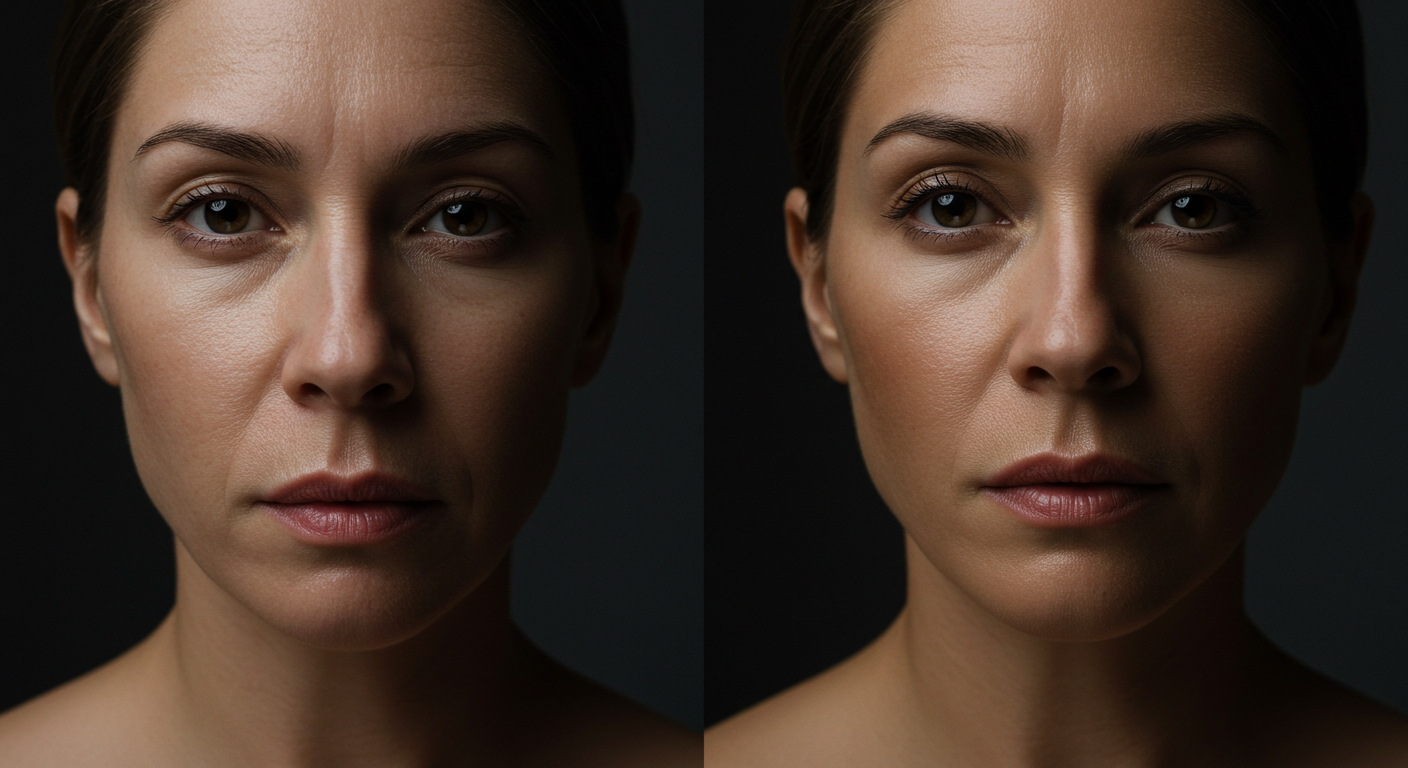
Getting Flu After Nose Surgery: Process After Rhinoplasty
Nose surgery is a delicate surgical
procedure. If you are considering having this procedure, you may be wondering
about some related topics. You may be thinking about what happens if I get flu
after rhinoplasty.
You are interested in rhinoplasty to give your nose a new
look and perhaps to breathe comfortably. In your research on nasal operations,
you will see how important the recovery period is. One of the biggest concerns
of individuals in the process is getting flu or cold. In order to avoid this,
rhinoplasty applications are mostly preferred in the summer months.
Flu After Nose Surgery: Risk Factors
If you have just had a nose job operation, you know that
such a relatively mild disease can be more challenging for you than for others
around you. You may have discharge and bleeding immediately after the
operation. Having the flu may cause minor difficulties in your surgical area.
However, you do not need to be afraid of the flu. A successful rhinoplasty can
easily be completed with a healthy recovery period. So you only need to be
cautious and act with a little care. Prof. Dr. Selçuk İnanlı gives detailed
information about the whole rhinoplasty process to his patients in such
situations.
Your risk of getting flu after your nose surgery is related
to the temporary weakening of your immune system after surgical
intervention. You need to understand the
risk factors and take appropriate precautions. During the healing period, you
should also consider the possibility of airborne germs during the wound-healing
process in your operation area.
What Are The First Days After Rhinoplasty?
The first days after rhinoplasty are very important. Many
people are researching on the web for " How long does it take for my nose
to go back to normal after surgery?". Since you will be especially
sensitive in the first hours and days, you will be relieved to know how the
process progresses.
The post-operative recovery process may vary depending on
the general health status of the patient, the technique applied by the surgeon,
the complexity of the operation, and the personal recovery rate. When your
surgery is finished, a splint is worn to support and shape your nose. Its
function is to help your bone and cartilage tissues heal in the desired
position.
Swelling and bruising may occur in your operation area. This
is one of the natural consequences of surgical intervention. Do not worry about
these side effects because you will see that they will disappear on their own
after a while. You will also not live with splints or tampons for a long time.
You will get rid of them on the date determined by your specialist.
What Happens A Few Months After Nose Surgery?
When you pass your first month after nose surgery, the swelling
and bruises on your face almost completely disappear. However, this process may
continue until your operation area is completely healed. At this time, you may
be allowed to start light exercises. While doing these, you should avoid
hitting your nose.
On the other hand, colds and flu may still be a threat that
will make your life difficult during this period. Therefore, you must remain
careful. You should not stay too close to someone with a cold or flu, and if
you are in the winter months, you should not stay outside too long and get
cold. Your rhinoplasty specialist will give you a detailed list of what not to
do after nose surgery.
Suggestions to Reduce the Risk of Influenza
While you are recovering from your rhinoplasty surgery, you
can reduce your risk of catching the flu or a similar illness. Following the
advice below can make your life more comfortable:
·
Wash your hands frequently.
·
Using a mask.
·
Isolation.
·
Receiving fewer visitors.
·
Taking nutrition and vitamin supplements.
·
Following expert instructions.
Perhaps the most important behavior that you should make a
habit in this process is to wash your hands frequently. In this way, you can
greatly reduce the risk of transmission of flu viruses and other germs. In
addition, if you cannot avoid crowds of people due to your work, using a mask
will also protect you significantly.
Flu After Nose Surgery: The Recovery Process
If you still have the flu despite taking all precautions,
you do not need to worry too much. First of all, contact your specialist as
soon as you notice this situation. Your specialist will evaluate the symptoms
and guide you. If necessary, you can start medication. From this point on, pay
more attention to your diet than ever before. Do not smoke or drink alcohol,
take a break, or limit your intake.
In this case, your recovery may take a little longer, but
with the right treatment and care, your risk of complications can be reduced.
The most important thing is to ensure that the illness does not last long. You
should therefore rest well and not over-exert yourself. If you have work, you
can postpone it a little and avoid spending long periods of time outdoors. In
this process, it is recommended to get a report from your job.
As a result, there is a possibility of getting flu after
nose surgery, but when you take appropriate precautions and follow the
recommendations of your specialist, you will minimize this risk. In case you
catch the disease, it is possible to overcome it without interrupting your
recovery. By paying attention to hygiene rules before and after rhinoplasty
surgery, you can have a healthy recovery process.
Conclusion
Although nose surgeries may seem like a complicated
application from the outside, they are performed comfortably and safely with
today's technology. Rhinoplasty candidates should choose and trust the right
specialist and then focus only on their treatment and recovery process.
Prof. Dr. Selçuk İnanlı is one of the most successful
rhinoplasty specialists in our country. He continues to work with a patient
satisfaction-oriented approach. Please contact us for more detailed information
about the procedure and Turkey rhinoplasty prices.