Mentoplasty
Mentoplasty, also known as chin augmentation, is a surgical
procedure that involves placing an implant or performing bone reduction on the
chin to enhance its appearance.
Similar to other cosmetic procedures, the primary goal of chin
surgery is to create proportionality in the individual's facial features and
boost their self-confidence. These operations are generally performed on the
lower jawline and around the chin. In cases where individuals have a very small
chin, their own body tissues can be used for augmentation. Alternatively, the
bone can be moved forward.
In addition, interventions can be done to improve the
patient's chewing function and achieve harmony between the upper and lower
jaws. The scope and complexity of the surgery can vary from case to case. The
existing appearance in this area also plays a role in the perceived size of the
nose from the outside.
What are the Types of Mentoplasty?
Different application methods can be considered based on
evaluations conducted by specialists when individuals seek chin augmentation
surgery. The two most commonly used types of chin surgery are augmentation and
reduction. Chin augmentation surgery is primarily performed to enlarge an
underdeveloped chin and is usually achieved by placing an implant onto the
bone. The procedure, which can last between 1 to 3 hours on average, involves
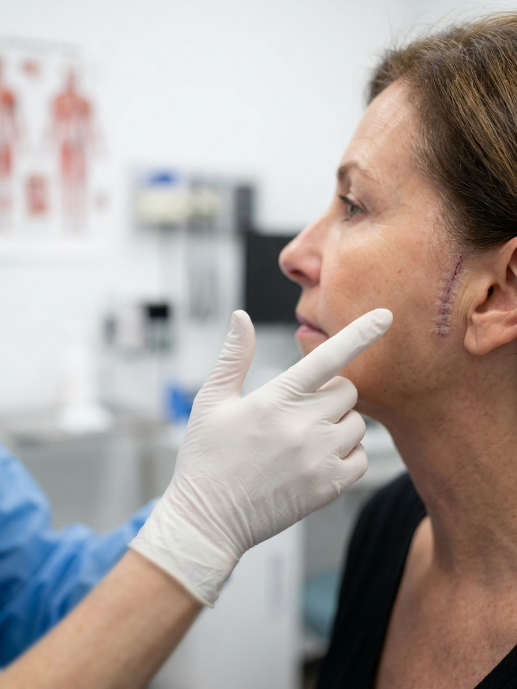
making an incision either inside the mouth or underneath the chin skin. After
the procedure, the area is closed with stitches. General or local anesthesia is
chosen for the comfort of the patients.
In chin reduction surgery, the protruding appearance of the
chin is reshaped by shaving off the excess bone. Again, it is performed through
a small incision made either inside the mouth or underneath the chin skin. The
excess bone tissue is removed, and the area is shaped according to the desired
outcome and closed with stitches. In both methods, patients are generally
discharged after the procedure and do not require hospitalization.
Who Can Get Chin Augmentation?
Chin augmentation has become a highly personalized procedure
in modern times. It can be highly beneficial for individuals who have realistic
expectations about themselves. The following characteristics make individuals
suitable candidates for this procedure:
•
Good overall health.
•
Realistic expectations.
•
Non-smokers.
•
Dissatisfied with the appearance of their chin.
•
Have a short or protruding chin.
Additionally, individuals considering this surgery can
benefit from reviewing before and after photos of previous operations. This can
help them make informed decisions, mentally prepare themselves, and avoid
difficulties during the recovery period. The consultation between the patient
and the specialist conducted prior to the procedure serves these purposes. In
addition to the listed characteristics, the individual's medical history,
medications, and herbal supplements are also considered.
The success of chin augmentation and the level of comfort
during the operation are directly proportional to a successful pre-examination.
The specialist plans the treatment by asking the candidate about their
expectations and lifestyle. It is important for the individual to express their
desires openly during this process.
How is Chin Augmentation Performed?
Chin augmentation surgery begins with administering
anesthesia to the patient. Depending on the case, options can include sedation,
local anesthesia, or general anesthesia. The specialist informs the individual
about their own opinion as well. Depending on the chosen method, different
incisions are made. These can be made inside the mouth or under the chin. If an
implant is to be placed, it is positioned in front of the chin, within the soft
tissues. It should be noted that the type of implant used is determined based
on the patient's needs and anatomy. In some cases, the goal is to reduce chin
projection, in which case a shaving procedure is performed through an incision.
After all, when procedures are completed, the area is closed with stitches.
Recovery Period after Mentoplasty
After mentoplasty, patients are prescribed painkillers and
antibiotics to manage potential pain and sensitivity. The tightness felt in the
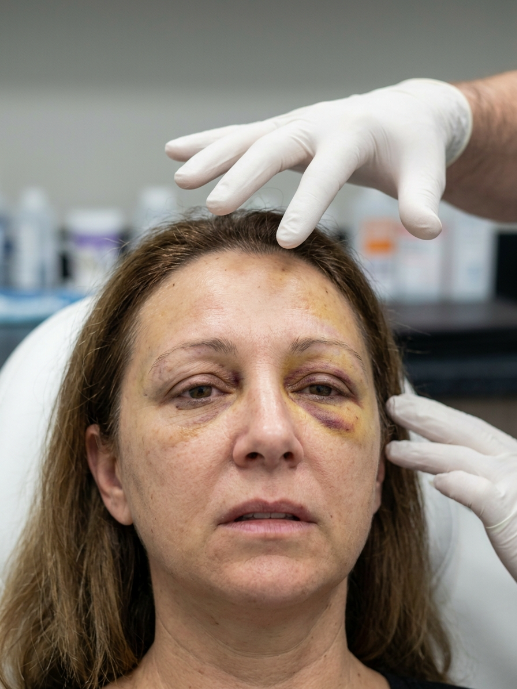
chin will subside within a few weeks. Some swelling and bruising are normal
during this time. The surgical area should remain bandaged for a few days. If
non-absorbable sutures are used, they should be removed after one week.
Mentoplasty has a relatively comfortable recovery period compared to other
surgical procedures, and individuals may experience difficulty chewing for a
few days and need to consume soft and liquid foods.
Patients can usually go back to their daily activities
within approximately 2 weeks. Until that time, it is important to avoid
strenuous exercise and protect the face from impacts. Following the
instructions of the specialist diligently is considered the key to success in
Mentoplasty, as in most surgical procedures. The cost of chin augmentation
varies depending on factors such as the individual's needs, the type of
surgery, and the experience of the specialist.
A successful Mentoplasty surgery can completely enhance the
profile and contour of the chin. It can create a stronger and more defined
chin, which is highly desired by both male and female patients. Additionally,
chin augmentation performed by an experienced specialist provides long-lasting
results. After the chin is shaped or enhanced, patients can enjoy the benefits
of the surgery for years to come. If you are a candidate, don't hesitate to
schedule an appointment with Prof. Dr. Selçuk İnanlı. You can reach us for more
detailed information about the procedure through our contact information.