Septoplasty Recovery Period: Can I Breathe Through My Nose?
If you are considering septoplasty
surgery, you may be wondering whether you will be able to breathe through your
nose during the recovery process. Learn the answer and relax.
You may have a tampon in your nose for a few days after your
septoplasty surgery. This may require you to breathe through your mouth only
during this time. Tampons are softer and easier to remove than before.
Self-melting versions are also used.
If you are a potential candidate, it is natural to be
curious about the septoplasty recovery process. Recovery from septoplasty may
not be as difficult and long as you think. In this context, you need to plan
your treatment with the right specialist. You can contact Prof. Dr. Selçuk
İnanlı, who performs the best nose surgeries in Turkey and ask him the
questions you have in mind.
What is a Septum?
After answering the question of what is septoplasty, it is
also useful to understand what the septum is before moving on to concerns about
the healing period. The structure located on the inside of your nose and
separating it into two parts is called the septum. Anatomically, it consists of
cartilage and bone. Under normal conditions, the septum is expected to divide
your nose equally into two and therefore you should be able to breathe
comfortably through both nostrils. However, if there is congenital or
accident/trauma-related curvature, a diagnosis of deviated septum can be made.
Cartilage curvature surgery, septoplasty, or septum
deviation, is a surgical procedure that is widely practiced today. Many women
and men in our country need septum correction, mostly due to genetic factors. With
the help of advances and advancing technology in this field, septoplasty is
performed in a very comfortable and safe way.
Curiosities About the Period After Septoplasty Surgery
If you are considering septoplasty, in addition to the
question "Can I breathe through my nose?", you may also have concerns
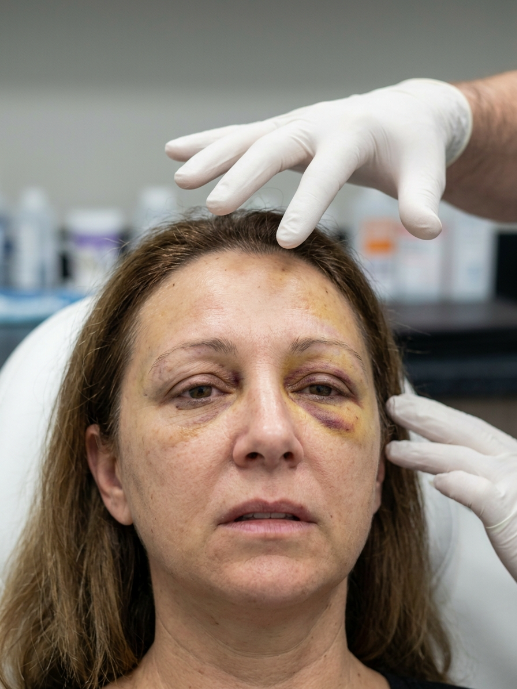
such as "Will my face swell?", "Will there be bruising around my
eyes?", "Will there be a scar?". While nasal breathing is
possible a few days after the operation, the answer to other questions depends
on the scope of the surgery. If it is a relatively simple deviated septum, you
do not need to worry about these.
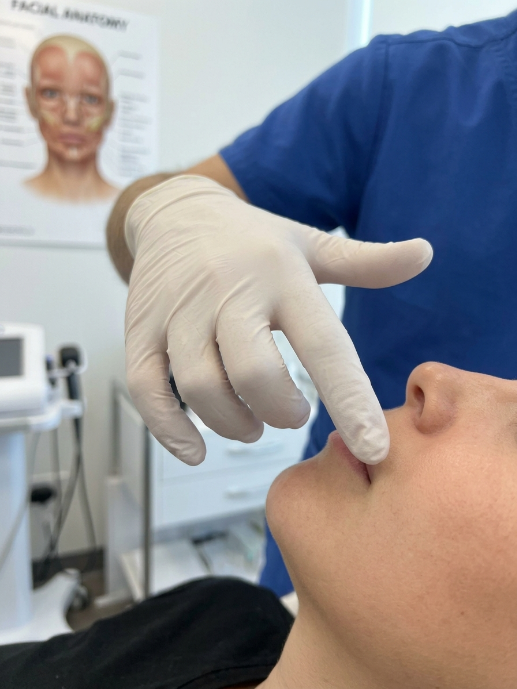
Your specialist reaches the septum under the mucosa through
an incision in your nose. It corrects the curvatures detected here and, if
necessary, rasps the bony protrusions. Since no intervention will be made on
the external structure of your nose, you will not experience swelling or
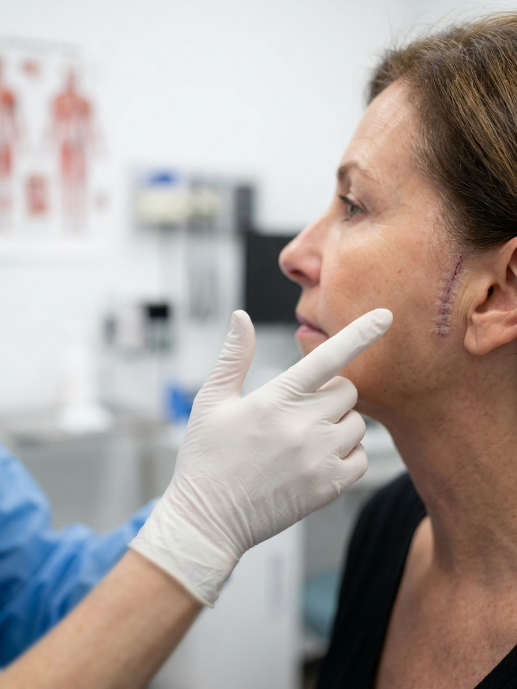
bruising in this area. In some rare cases, an external incision can be made in
advanced deviations, but this is performed in a way that is not noticeable.
What to Expect After Septum Deviation?
After undergoing septoplasty surgery to correct a deviated
septum, you mostly experience a transformative journey marked by notable
changes in your nasal function and overall well-being. Deviated septum surgery
before and after period is different. It's characterized by a noticeable
improvement in breathing, as the surgery aims to straighten the nasal septum
and alleviate obstruction.
The recovery from septoplasty is a gradual process, with
individuals navigating a day-by-day journey toward improved nasal health. The
early days post-surgery may involve discomfort, congestion, and mild pain, but
as time progresses, these symptoms tend to subside. The septoplasty recovery
time varies for each person, but a general trajectory involves an initial
period of rest and limited activity, followed by a gradual return to normal
routines.
The septoplasty healing process involves monitoring for
potential complications, such as signs of infection after septoplasty. You must
be vigilant about any unusual symptoms and promptly seek medical attention if
infection is suspected. A thorough understanding of the expected deviated
septum surgery before and after effects can aid in distinguishing normal
postoperative discomfort from potential issues.
Considerations for Comfort After Septoplasty
In the days after surgery, you should be mindful of
potential challenges like nasal congestion and breathing problems, common
consequences of the procedure. To promote healing and protect the delicate
nasal tissue, it's advisable to avoid strenuous activities and contact sports
during the initial recovery phase. The need to blow your nose should be
approached with caution to prevent excessive bleeding, as the surgery involves
adjusting cartilage and bone in the nasal passage.
Maintaining a cautious approach against diseases such as flu
and physical activities will help the nasal passages to heal and the septum to
straighten correctly. You should also take into account the effect of the
general anesthesia used during surgery and avoid activities that may pose a risk
in the first hours. In this context, it is also important to have someone to
accompany you.
Additional Measures You Can Take for Comfortable Breathing
Protecting the operated side of your nose becomes crucial
for preventing inadvertent trauma. Additionally, being aware of potential
indicators of complications, such as a sinus infection, is essential for
preserving the overall quality of life post-surgery. If necessary, prescribed
pain medication can help you to manage discomfort and promote a smoother recovery.
A notable aspect of the recovery process is the impact on
the sense of smell. Patience is key as this may take time to fully return.
Overall, mindful postoperative care and adherence to guidelines contribute
significantly to a more comfortable and successful recovery after septoplasty. For
detailed information about Septoplasty Turkey costs and the procedure, you can
contact and have a consultation with Prof. Dr. Selçuk İnanlı.