What are the Causes of Postoperative Nosebleeds?
Postoperative nosebleeds are one of the issues that
rhinoplasty candidates are curious about the procedure and the healing process.
You will find the answer to the question of why nosebleeds occur in the rest of
this article.
Nosebleed is also known as epistaxis in medical terminology.
You will encounter nosebleeds mostly in the first days after rhinoplasty.
Sometimes it is in the form of leakage and usually does not occur to the extent
that it negatively affects your life. You should remember that this situation
you encounter during your convalescence is normal.
In addition, of course, the duration and severity of
bleeding after your surgery is important. In addition, other symptoms such as
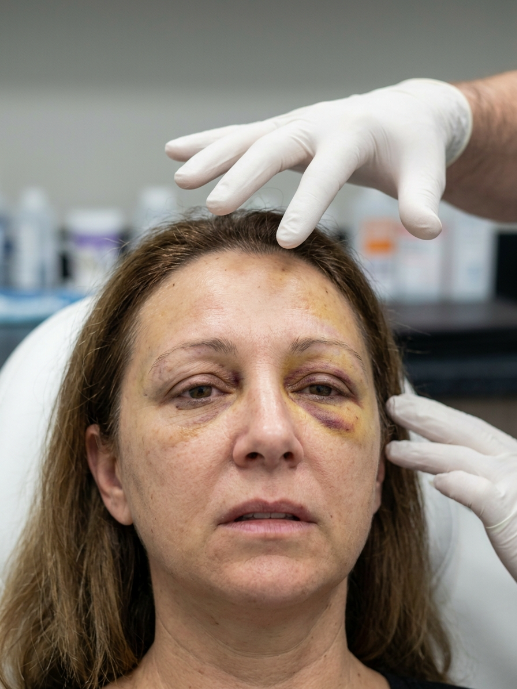
swelling and bruising on your face after the operation may cause you to worry
more about bleeding. If you have a consultation with an expert in the field
such as Prof. Dr. Selçuk İnanlı, you will have a good understanding of the
causes. Thus, there will be no question marks in your mind before and after
rhinoplasty.
Why is a Nosebleed Seen After Rhinoplasty?
You may want to learn the reasons why you experience
nosebleeds after rhinoplasty. Rhinoplasty is also known as rhinoplasty surgery.
It is a surgery performed to change your nasal structure, correct the septum,
or relieve nasal congestion. During the operation, incisions are made in your
intranasal and external tissues. These incisions can also affect the blood
vessels. This can simply cause nosebleeds. The main causes of bleeding are as
follows:
·
Bleeding from incisions made during surgery.
·
Use of blood thinners.
·
Increased intranasal pressure after surgery.
·
Impacts from outside.
Bleeding from incisions made during rhinoplasty surgery is
one of the most common complications of surgery. These bleedings are usually
mild and stop spontaneously. However, in some cases, the intervention of your
specialist may be required to stop the bleeding.
What are the Types of Nosebleeds?
Nosebleeds are a common condition that affects people of all
ages. Nosebleeds can have many causes and can range from mild to severe.
Nosebleeds are divided into two main categories, anterior and posterior
bleeding.
Anterior nosebleeds are caused by capillaries in the front
part of your nostrils. This type of bleeding is usually mild and stops on its
own. To stop this kind of bleeding, applying tampons or ice to your nostrils
can help.
Posterior nosebleeds are caused by veins behind the nasal
septum. This type of bleeding is usually more severe and may not stop on its
own. Specialist intervention may be needed to stop posterior nosebleeds.
Nosebleeds can also be classified as mild, moderate, and
severe. Mild nosebleeds are small amounts of blood coming from the nose. Such
leaks usually stop spontaneously. Moderate nosebleeds refer to a larger amount
of blood coming from your nose. The bleeding usually stops spontaneously within
a few minutes. Severe nosebleeds are characterized by a very large amount of
blood. Such bleeding usually does not stop spontaneously and requires a
doctor’s consultation.
Things to Do to Prevent Nosebleeds After Rhinoplasty
You should take the precautions recommended by your
specialist to prevent nosebleeds after rhinoplasty. Picking or wiping your nose
during the first 24 hours after surgery can irritate the blood vessels inside
and cause bleeding. Therefore, you should avoid such actions during this
period.
If you need to use intranasal tampons or bandages, you
should follow your doctor’s instructions. These tampons or bandages help prevent
nosebleeds. Make sure you follow your doctor’s instructions. Your specialist
may also prescribe some medicines to help prevent bleeding after your
operation. It is very important that you use these medicines according to the
instructions.
When is Bleeding After Rhinoplasty a Concern?
After undergoing rhinoplasty, it is very important to be
careful about postoperative bleeding. While some bleeding immediately after the
procedure is considered normal, excessive or prolonged bleeding requires
attention. Your specialist will usually give instructions for managing
bleeding, such as using gauze or applying light pressure.
Mild bleeding at the procedure site may continue for the
first 24 hours following your operation. You should limit your physical activities
during this period. You should avoid strenuous exercise during these few days
to minimize the risk of bleeding.
Excessive bleeding may be due to insufficient clot
formation, infection, or problems with the surgical site. In emergency cases
where bleeding becomes excessive or uncontrollable, urgent medical intervention
is required. In such cases, you should definitely contact your specialist who
performed the rhinoplasty surgery.
On the other hand, it is important to attend all scheduled
follow-up appointments with your specialist in order to have a detailed
evaluation of your recovery process and to address your concerns. Even if you
are not experiencing problems, regular examinations contribute to a
comprehensive evaluation of your postoperative progress.
Conclusion
The nosebleed itself and its causes can also vary from case
to case. Specific instructions from your specialist should always take
precedence. If you have any doubts or concerns about bleeding in the
postoperative period, do not hesitate to reach out to your healthcare provider
for guidance.
You can plan your treatment by making an appointment with
Prof. Dr. Selçuk İnanlı, one of the best rhinoplasty specialists in Turkey. You
can also get detailed information about Istanbul rhinoplasty costs and the
procedure. Have the appearance you desire in a quality and safe way. Please
reach us using our contact details.
Comprehensive Analysis of the Causes of Postoperative Nosebleeds
Understanding the Complexity of Postoperative Nosebleeds
Nasal surgery, whether performed for aesthetic reasons like rhinoplasty or functional reasons like septoplasty, involves delicate manipulations of the nasal mucosa, cartilage, and bone. While modern surgical techniques have significantly reduced risks, a postoperative nosebleed (clinically known as epistaxis) remains one of the most common concerns for patients during the recovery phase. Understanding what are the causes of postoperative nosebleeds is essential for both patient peace of mind and the successful navigation of the healing journey.
Postoperative bleeding can range from minor “spotting” or serosanguinous discharge, which is entirely normal, to brisk arterial bleeding that requires medical intervention. The nasal cavity is one of the most vascularized areas of the human body, supplied by branches of both the internal and external carotid arteries. When these vessels are disturbed during surgery, the body’s natural clotting mechanism (hemostasis) must take over. Any factor that disrupts this process or puts mechanical stress on the healing tissues can lead to a bleed.
In this exhaustive guide, we will explore the multifaceted causes of bleeding following nasal procedures, the physiological mechanisms behind them, and how patients can work with their surgeon, such as Prof. Dr. Selçuk İnanlı, to ensure a safe and stable recovery.
Immediate Surgical Factors and Vascular Trauma
The most direct answer to what are the causes of postoperative nosebleeds lies in the surgical procedure itself. During a septoplasty treatment procedure or a complex rhinoplasty, the surgeon must elevate the mucoperichondrial flaps. This process involves separating the soft tissue from the underlying bone and cartilage, which inevitably ruptures small capillaries and larger vessels.
Vascular Anatomy and Hemostasis
The nose is primarily supplied by the sphenopalatine artery, the ethmoidal arteries, and the labial artery. A specific area on the anterior septum called Kiesselbach’s plexus is particularly prone to bleeding because it is the meeting point of several major vessels. If a vessel is not fully cauterized during surgery, or if a clot that formed during the operation becomes dislodged shortly after, a primary hemorrhage occurs. Surgeons often use electrocautery or bipolar forceps to seal these vessels, but the highly pressurized environment of the nasal vasculature means that even a perfectly executed surgery carries a baseline risk of bleeding.
The Role of Surgical Technique
Advanced techniques, such as Piezo rhinoplasty, use ultrasonic vibrations to reshape bone without damaging the surrounding soft tissues and blood vessels. This often results in less postoperative bleeding compared to traditional “hammer and chisel” methods. However, regardless of the tool used, the internal lining of the nose remains sensitive. If the mucosal edges are not properly aligned or if there is excessive tension on the sutures, the risk of a postoperative nosebleed after nose surgery increases significantly.
Physiological and Systemic Causes
Beyond the physical trauma of surgery, the patient’s internal physiology plays a massive role in whether they experience bleeding. The body must maintain a delicate balance between coagulation (forming clots) and fibrinolysis (breaking them down).
Hypertension (High Blood Pressure)
One of the leading systemic causes of postoperative epistaxis is hypertension. When a patient’s blood pressure rises—whether due to chronic conditions, pain, or anxiety—the force of blood pushing against the newly sealed vessels in the nose can “blow out” the healing clots. This is why surgeons emphasize blood pressure control both before and after the operation. Even a temporary spike in pressure, known as rebound hypertension as anesthesia wears off, can trigger a sudden bleed.
Coagulopathy and Blood-Thinning Agents
Patients are routinely instructed to stop taking medications that interfere with blood clotting at least two weeks before surgery. This includes aspirin, ibuprofen, naproxen, and certain supplements like vitamin E, garlic, ginger, and ginkgo biloba. These substances inhibit platelet aggregation. If a patient inadvertently consumes these during the rhinoplasty recovery process, their blood will not clot effectively, leading to persistent oozing or a major bleed. In some cases, undiagnosed underlying bleeding disorders, such as von Willebrand disease, can be the culprit.
Environmental Factors and Mucosal Dryness
The environment in which a patient recovers is a frequently overlooked factor when discussing what are the causes of postoperative nosebleeds. The nasal mucosa needs a moist environment to heal properly.
The Impact of Dry Air and Climate
If the air in the recovery room is too dry—common in winter months due to indoor heating or in arid climates—the blood and mucus inside the nose will form hard, brittle crusts. As the patient breathes, these crusts can pull on the underlying delicate healing tissue. When a crust eventually falls off or is moved, it can tear the underlying vessels, causing a secondary bleed. This is why the use of saline nasal sprays and humidifiers is a standard part of the what to watch after nasal surgery protocol.
Temperature Fluctuations
Heat causes vasodilation, which is the widening of blood vessels. Taking hot showers, sitting in a sauna, or even being in a very warm room can increase blood flow to the face and nose. This increased volume and pressure can overwhelm the surgical site. Patients are generally advised to keep their environment cool and avoid direct sun exposure for several weeks to prevent this specific cause of bleeding.
Mechanical Stress and Patient Behavior
Perhaps the most preventable causes of postoperative nosebleeds are those related to physical activity and mechanical stress. The first 10 to 14 days post-surgery are the most critical for vessel stability.
Sneezing and Nose Blowing
The pressure generated by a sneeze or the act of blowing one’s nose is immense. This pressure is directed exactly where the surgical wounds are located. Blowing the nose can immediately dislodge a protective clot or tear a suture line. Patients are taught to sneeze with their mouth open to redirect the pressure away from the nasal cavity. Failure to follow these behavioral instructions is a leading cause of emergency room visits for post-rhinoplasty bleeding.
Physical Strain and the Valsalva Maneuver
Lifting heavy objects, bending over, or even straining during a bowel movement (the Valsalva maneuver) causes a sudden increase in intracranial and facial venous pressure. This “backup” of pressure can cause fragile capillaries in the nasal lining to burst. Surgeons often recommend stool softeners and strictly forbid heavy lifting (usually anything over 5kg) for the first two to three weeks.
Accidental Trauma and Sleeping Positions
During sleep, a patient might accidentally roll onto their face or bump their nose. Even a minor bump that wouldn’t cause a bleed in a healthy nose can be catastrophic during the early stages of healing. Keeping the head elevated with two or three pillows is not just for reducing swelling; it also helps lower the venous pressure in the head, reducing the likelihood of a bleed.
Anatomical Complications and Healing Anomalies
In some instances, the cause of bleeding is related to how the tissue itself is reacting to the surgery or an underlying anatomical issue.
Septal Perforation
A septal perforation is a hole in the wall between the nostrils. While sometimes a complication of surgery, it can also be a pre-existing condition. The edges of a perforation are notoriously difficult to heal because the blood supply is compromised, and the airflow becomes turbulent. This turbulence dries out the edges, leading to chronic crusting and frequent nosebleeds. If a perforation occurs or is manipulated during surgery, it can be a persistent source of postoperative bleeding.
Granulation Tissue and Infection
As the body heals, it sometimes produces granulation tissue, which is a type of highly vascularized tissue that fills in gaps. If this tissue grows too aggressively (sometimes called “proud flesh”), it can bleed at the slightest touch. Furthermore, a localized infection can inflame the nasal lining, making the tissues friable and prone to hemorrhaging. While rare due to the use of prophylactic antibiotics, infection remains a significant clinical cause of late-onset postoperative bleeding.
When to Seek Medical Attention
While knowing what are the causes of postoperative nosebleeds helps in prevention, patients must also know when the situation has transitioned from a normal recovery symptom to a medical emergency.
- Continuous Flow: If blood is dripping steadily and does not stop after 15 minutes of firm pressure on the soft part of the nose while leaning forward.
- Posterior Bleeding: If the patient feels a large amount of blood draining down the back of the throat, this may indicate a posterior bleed, which cannot be managed with simple pressure.
- Frequency: Repeated bleeds that stop and start throughout the day.
- Systemic Symptoms: Feeling faint, dizzy, or having a rapid heart rate due to blood loss.
Professional Management by Prof. Dr. Selçuk İnanlı
Managing the risks of postoperative nosebleeds begins in the consultation room. Prof. Dr. Selçuk İnanlı, an ENT specialist certified by the European Academy of Facial Plastic Surgery, takes a comprehensive approach to patient safety. By meticulously reviewing a patient’s medical history, optimizing blood pressure, and utilizing advanced surgical techniques, the risk of bleeding is minimized.
During the surgery, the use of internal splints (Doyle splints) or specialized packing can provide mechanical support to the vessels. In the postoperative phase, a clear, step-by-step recovery plan is provided to ensure the patient knows exactly how to handle their activity levels and environmental conditions. This expert oversight is the most effective way to prevent the complications associated with nasal surgery.
In summary, the answer to what are the causes of postoperative nosebleeds is a blend of surgical trauma, patient physiology, environmental triggers, and behavioral choices. By respecting the delicacy of the nasal tissues and following professional guidance, patients can achieve the aesthetic and functional results they desire without the setback of significant bleeding. Healing is a process that requires patience, and protecting the nose during the first few weeks is the best investment a patient can make in their long-term outcome.
Sıkça Sorulan Sorular
Is it normal to have some blood in my nasal discharge after surgery?
Yes, it is entirely normal to experience some degree of oozing or blood-tinged discharge for the first 24 to 72 hours following nasal surgery. This is often referred to as ‘serosanguinous’ fluid. Most surgeons provide a ‘mustache dressing’ or a small piece of gauze taped under the nose to catch this drainage. As long as the fluid is not bright red, flowing rapidly, or causing you to swallow blood constantly, it is usually part of the standard inflammatory response and the body’s way of clearing residual surgical fluids.
How can I prevent a nosebleed while sleeping after my procedure?
The most effective way to prevent nighttime nosebleeds is to sleep with your head elevated at a 30 to 45-degree angle using several pillows or a recliner chair. This position reduces the venous blood pressure in your head and nose, which decreases the likelihood of vessels bursting. Additionally, using a cool-mist humidifier next to your bed prevents the nasal passages from drying out and forming the brittle crusts that often trigger bleeding when they shift during the night.
Why did my nose start bleeding a week after my surgery?
Bleeding that occurs 5 to 10 days after surgery is often caused by the detachment of surgical crusts or the dissolving of internal sutures. As the healing tissue underneath begins to mature, the old scabs fall off. If a scab is attached to a small blood vessel that hasn’t fully sealed, it can cause a ‘secondary’ bleed. Other causes for late-onset bleeding include a sudden rise in blood pressure, accidental trauma to the nose, or an undiagnosed localized infection that has made the nasal lining more fragile.
What should I do immediately if my nose starts bleeding heavily?
If you experience a heavy bleed, stay calm, as anxiety raises blood pressure and worsens the bleeding. Sit up straight and lean your head slightly forward (never lean back, as this causes blood to drain into the stomach or lungs). Pinch the soft part of your nose firmly for a full 15 minutes without letting go. You can also place a cold compress or ice pack on the bridge of your nose or the back of your neck to encourage vasoconstriction. If the bleeding does not stop after 15 minutes of continuous pressure, you must contact your surgeon or visit the nearest emergency room.
Can my diet or medications cause postoperative nosebleeds?
Absolutely. Medications and supplements that act as blood thinners are a major cause of postoperative bleeding. You must avoid aspirin, NSAIDs like ibuprofen, and herbal supplements such as green tea extract, omega-3 fatty acids, and vitamin E for the duration recommended by your surgeon. Additionally, very hot foods and beverages can cause blood vessels to dilate (vasodilation), potentially triggering a bleed. It is best to stick to room-temperature or cool foods and avoid anything that requires excessive chewing or causes facial straining during the initial recovery period.