What Are The Differences Between Rhinoplasty And Septoplasty?
Rhinoplasty and septoplasty are surgical nose operations. The main difference between these two operations is that they are both done for different purposes. While septoplasty is an operation in the nose related to air ducts, rhinoplasty is a surgical operation to improve the appearance of the nose. These two operations can be performed together for the same person in a single session, and these operations are calledseptorhinoplasty . Sometimes these two nose surgery operations may overlap; for example, if a patient requesting rhinoplasty also has a structural disorder such as a deviated septum in her/his nose, a future septum problem may be corrected in advance when performing rhinoplasty. In such cases, two methods of operation can be performed together.
Rhinoplasty is a surgical operation method that enables patients who are dissatisfied with the appearance of their nose to improve their nose shape and size. These surgeries are performed to correct or improve the patient’s nose appearance for aesthetic reasons. The nose is reshaped in accordance with the face proportions. Rhinoplasty can improve the size, width, or excess size of the nose by reshaping the nasal arches, the saggy or very wide tip of the nose, and the large, wide nostrils. At the same time, in the case of fractures and bad injuries in the nose can be made the same again with rhinoplasty. During the operation, the bone and cartilage in the nose are usually removed, or they are filed and reshaped. Rhinoplasty allows the nose to look more balanced, aesthetically beautiful, and compatible with other parts of the face.
Septoplasty is a surgical operation to correct the deformations and to open-air passage ducts in the inner structure of the nose. The purpose of these operations is to improve breathing and to eliminate symptoms caused by deviation. Septoplasty is usually performed to correct existing defects in the septum, which consists of cartilage and bone dividing the nostrils in two. Breathing through the nose becomes difficult if the septum is bent enough to cover one or both nostrils. This can cause bleeding, headaches, sleep apnea, and chronic sinusitis that are frequently seen in the nose. The nasal airways are healed by repositioning the septum with septoplasty. Septoplasty is planned according to the needs of each patient, and different techniques can be used in the operation depending on the requirement. Since Septum is located inside the nose, the appearance of the nose will generally not change.
If you are worried about which operation you should have for the solution of the problem in your nose, you can consult the opinion of a surgeon who is expert in this field; you can make a common right decision by relying on its knowledge and experience. If you are not satisfied with the appearance of your nose and have difficulty breathing through the nose, if there is a deformation in the nose structure below, the elements of the rhinoplasty and septoplasty operations can be combined and your nose can be corrected both functionally and aesthetically with a common operation, septorhinoplasty. In septoplasty operations, the outer structure of the nose is left unattended. However, if the patient is not already satisfied with the aesthetic appearance of the nose, the patient will want to evaluate an appropriate opportunity to make aesthetic corrections at the time of septoplasty. Aesthetic improvement will be achieved while the nose functions are corrected.
Septoplasty and rhinoplastyare surgical operations that change the structure of the nose. The nose bones and cartilage are repositioned in both operations, depending on the condition of the patient’s discomfort and complaints. Rhinoplasty is a more extensive operation with a longer healing process as the external structure of the nose is changed. Both operations are performed under general anesthesia. Since the targets of these two operations are different, the changes they make in the nose are different. The effects of rhinoplasty will be obvious to the eye as it is external, but the changes will not be apparent from the outside as septoplasty improves the inner structure of the nose.
As a result of your doctor’s consultation, your expectations and nose structure are examined, and the correct procedure is decided for you. If you consider having rhinoplasty surgery, contact us right away to get a free consultancy service from Prof. Dr. Selçuk İnanlı.
What Are The Differences Between Rhinoplasty And Septoplasty? A Comprehensive Guide
Understanding Nasal Surgery: Rhinoplasty vs. Septoplasty
When it comes to the complex world of nasal surgery, two terms often dominate the conversation: rhinoplasty and septoplasty. While both procedures involve the nose, they serve fundamentally different purposes, address different anatomical structures, and are driven by distinct patient goals. For individuals struggling with breathing issues or dissatisfaction with their facial appearance, understanding What Are The Differences Between Rhinoplasty And Septoplasty? is the first step toward a successful transformation.
At the clinic of Prof. Dr. Selçuk İnanlı, a world-class ENT and Facial Plastic Surgery specialist in Şişli, Istanbul, we emphasize that the nose is not just a feature of beauty but a critical organ for respiratory health. Whether you are seeking to correct a deviated septum or refine the bridge of your nose, choosing the right procedure—or a combination of both—requires expert diagnosis and a philosophy that blends medical science with artistic precision.
What is Rhinoplasty?
Rhinoplasty, commonly referred to as a “nose job,” is a surgical procedure designed to change the shape, size, or proportions of the nose. While many associate it purely with aesthetics, it can also be performed for functional reasons, such as correcting structural defects caused by trauma or birth defects.
Aesthetic Goals of Rhinoplasty
Most patients seek rhinoplasty to improve their facial harmony. The procedure can address several concerns:
* Nasal Bridge: Removing a hump or narrowing a wide bridge.
* Nasal Tip: Refining a bulbous, drooping, or excessively upturned tip.
* Nostrils: Reducing the size of wide or flared nostrils.
* Symmetry: Correcting an asymmetrical nose to align with the Golden Ratio.
Functional Rhinoplasty
In some cases, the external structure of the nose collapses or is narrow enough to impede airflow. Functional rhinoplasty involves strengthening the nasal valves or reconstructing the nasal framework to ensure the patient can breathe properly while also achieving a desired look.
Techniques in Rhinoplasty
Modern surgery has evolved to offer various techniques tailored to the patient’s anatomy. Prof. Dr. Selçuk İnanlı utilizes advanced methods such as Piezo Rhinoplasty, which uses ultrasonic vibrations to shape the nasal bones without damaging soft tissues, leading to less bruising and a faster recovery. Other methods include Open Rhinoplasty, providing maximum visibility for complex reconstructions, and Closed Rhinoplasty, where incisions are hidden inside the nostrils.
What is Septoplasty?
Unlike rhinoplasty, what is septoplasty is defined strictly by its functional intent. It is a corrective surgical procedure to straighten the nasal septum—the wall of bone and cartilage that divides your nostrils.
The Role of the Nasal Septum
A healthy septum is straight, allowing air to flow equally through both sides of the nose. However, many people have a deviated septum, where the wall is crooked or off-center. This can be a result of a congenital condition or an injury.
Symptoms Addressed by Septoplasty
When the septum is severely deviated, it can block one side of the nose and reduce airflow, leading to:
* Chronic nasal congestion.
* Difficulty breathing through the nose.
* Recurrent sinus infections (sinusitis).
* Frequent nosebleeds.
* Snoring and sleep apnea.
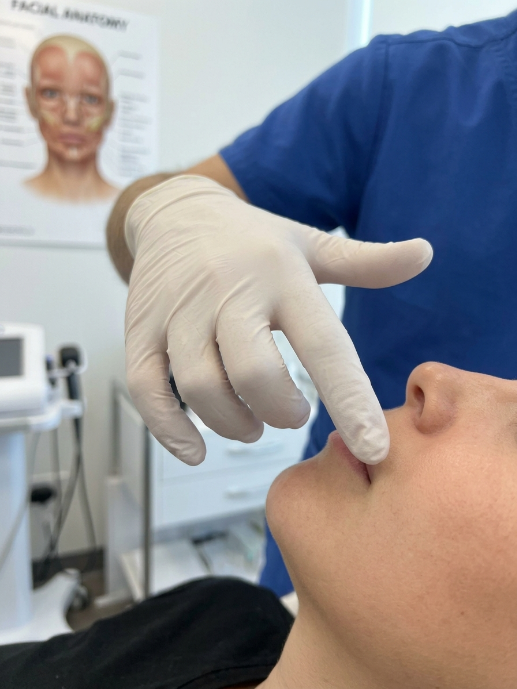
During a septoplasty, the surgeon works entirely inside the nose. The goal is to reposition, trim, or replace the cartilage and bone to open up the airway. Because the surgery is internal, it does not change the external appearance of the nose.
What Are The Differences Between Rhinoplasty And Septoplasty?
To answer the question of What Are The Differences Between Rhinoplasty And Septoplasty?, we must look at several key categories: purpose, surgical area, medical necessity, and insurance.
1. Primary Purpose and Intent
The most significant difference lies in the “Why.”
* Rhinoplasty is primarily about form. It focuses on the external appearance and how the nose fits the rest of the face. It is often elective and cosmetic.
* Septoplasty is entirely about function. It focuses on the internal structure to improve breathing. It is a medical necessity.
2. Surgical Focus and Anatomy
* Rhinoplasty involves the skin, the nasal bones, and the upper and lower lateral cartilages. The surgeon may break bones or add grafts to change the silhouette.
* Septoplasty focuses exclusively on the septum. It does not involve the bridge, the tip, or the nostrils unless those parts are also contributing to a breathing obstruction.
3. External Changes
* After a rhinoplasty, your friends and family will notice a change in your look. The nose may be smaller, straighter, or more refined.
* After a septoplasty, there are no visible external changes. Your nose will look exactly the same as it did before, but you will feel a dramatic difference in your ability to breathe.
4. Insurance and Medical Coverage
* Because septoplasty is a medical procedure to treat a health condition, it is frequently covered by health insurance providers.
* Rhinoplasty, being cosmetic in most cases, is typically an out-of-pocket expense for the patient. However, if the rhinoplasty is part of a reconstructive effort after a major trauma, partial coverage may apply.
The Combined Approach: Septorhinoplasty
Many patients discover that they need both procedures. This combined operation is called septoplasty and rhinoplasty (or septorhinoplasty).
Why Combine Them?
It is often more efficient to address both issues in a single surgery. If a patient wants to change the shape of their nose but also has a deviated septum, performing them together ensures that the new aesthetic shape is supported by a strong, straight internal structure. Furthermore, the cartilage removed during a septoplasty can often be used as a graft to help reshape the nose during the rhinoplasty portion of the surgery.
Benefits of Septorhinoplasty
* Single Recovery Period: Instead of recovering from two separate surgeries, the patient only goes through the healing process once.
* Balanced Results: The surgeon can ensure that the functional improvements and aesthetic refinements complement each other perfectly.
* Cost-Effective: Combining procedures can reduce hospital and anesthesia fees compared to having two separate operations.
Recovery: What to Expect
When comparing the recovery processes, rhinoplasty is generally more intensive due to the involvement of the nasal bones and external skin.
Rhinoplasty Recovery
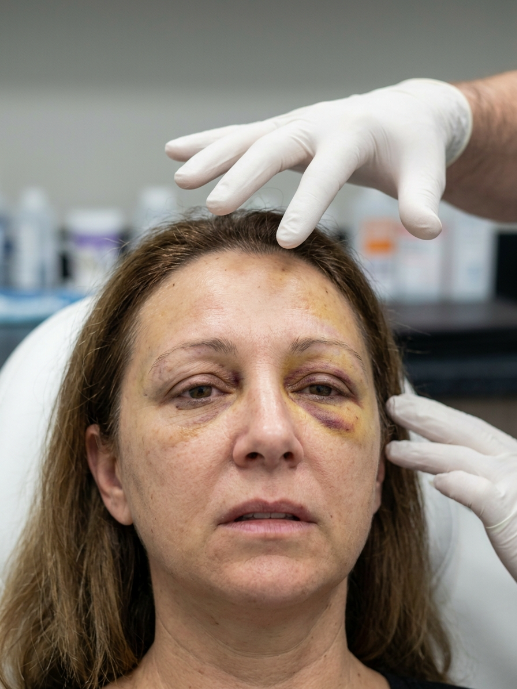
Patients often experience swelling and bruising around the eyes. A splint is usually placed on the bridge of the nose for about a week. Understanding when swelling subsides after rhinoplasty is crucial for patient expectations, as the final shape may not be fully visible for 6 to 12 months. Most patients return to desk work within 10 days but must avoid strenuous exercise for several weeks.
Septoplasty Recovery
Recovery from septoplasty is typically faster and involves less visible bruising. Since the work is internal, there are no external scars or black eyes. Patients may feel “stuffy” for a few days due to internal swelling or the presence of nasal packing/splints. Most people return to their normal routine within a week, though they must avoid blowing their nose forcefully during the initial healing phase.
Choosing the Right Surgeon in Istanbul
Whether you need a functional fix or an aesthetic enhancement, the success of the procedure depends heavily on the surgeon’s expertise. In the field of nasal surgery, an ENT Specialist (Otorhinolaryngologist) with a sub-specialization in Facial Plastic Surgery is often the ideal choice.
Which doctor performs rhinoplasty? While both plastic surgeons and ENT specialists perform these surgeries, an ENT like Prof. Dr. Selçuk İnanlı brings a deep understanding of the internal nasal airway. This ensures that while the nose is being made beautiful, the breathing function is never compromised. As a board-certified member of the European Academy of Facial Plastic Surgery (EAFPS), Prof. Dr. İnanlı provides patients with international standards of care in the heart of Istanbul.
Advanced Considerations: Revision and Complications
In some instances, a previous surgery may not have yielded the desired results, leading to the need for Revision Rhinoplasty. This is a much more complex procedure that requires correcting scar tissue and often using rib cartilage or ear cartilage to rebuild the nasal structure. Similarly, untreated issues like a septal perforation (a hole in the septum) may require specialized surgical techniques to close the defect and restore nasal humidity and airflow.
The Importance of a Detailed Consultation
If you are unsure which procedure is right for you, a physical examination is mandatory. During a consultation with Prof. Dr. Selçuk İnanlı, we use high-resolution imaging and internal nasal endoscopy to evaluate the septum, the turbinates, and the external nasal valves.
We ask our patients to consider the following:
- Are you unhappy with the way your nose looks in photos?
- Do you have a persistent feeling of one nostril being blocked?
- Have you suffered a nasal injury in the past?
- Do you experience dry mouth or headaches due to mouth breathing?
By answering these questions, we can determine if the primary issue is structural (septoplasty), aesthetic (rhinoplasty), or both.
Final Thoughts on Nasal Harmony
The nose is a masterpiece of biology and aesthetics. It serves as the gateway for the air we breathe and the focal point of our facial identity. Understanding What Are The Differences Between Rhinoplasty And Septoplasty? empowers patients to make informed decisions about their health and self-confidence.
In the hands of a skilled specialist like Prof. Dr. Selçuk İnanlı, nasal surgery becomes a life-changing experience. Whether through the precision of Piezo technology or the complex reconstruction of the nasal septum, our goal is to help you breathe better and feel more beautiful. If you are in Istanbul or traveling from abroad for health tourism, our clinic offers the highest level of care, backed by decades of academic and surgical excellence.
Sıkça Sorulan Sorular
Can septoplasty fix the shape of my crooked nose?
A standard septoplasty is designed only to straighten the internal wall (septum) to improve breathing and does not change the external appearance of the nose. If your nose appears crooked on the outside, it usually means the nasal bones or external cartilages are also deviated. In such cases, a septorhinoplasty is required to straighten both the internal airway and the external aesthetic structure simultaneously.
How long should I wait to see the final results of a rhinoplasty compared to a septoplasty?
The functional benefits of a septoplasty, such as improved breathing, are often felt within 1 to 2 weeks once the internal swelling and splints are removed. However, rhinoplasty results take much longer to stabilize. While the initial shape is visible after the cast is removed (about 7-10 days), residual edema, especially at the nasal tip, can take up to a full year to completely resolve and reveal the final refined appearance.
Is the recovery from septoplasty more painful than rhinoplasty?
Generally, neither procedure is described as highly painful, but they involve different types of discomfort. Septoplasty recovery involves a feeling of intense congestion and pressure, similar to a severe cold, because of the internal work. Rhinoplasty involves external swelling and potential bruising around the eyes, which can feel tender. Most patients manage the discomfort easily with prescribed mild pain relievers and cold compresses.
Will my insurance cover a combined septorhinoplasty?
Insurance companies typically distinguish between the functional and cosmetic portions of a surgery. They may cover the costs associated with the septoplasty (the part that fixes your breathing) and any related hospital fees. However, the rhinoplasty portion (the part that changes the shape of your nose) is considered elective and is usually the patient’s financial responsibility. It is important to get a detailed medical report and check with your provider beforehand.
Can a deviated septum return after a septoplasty surgery?
While septoplasty is intended to be a permanent correction, the cartilage in the nose has ‘memory’ and can occasionally shift slightly during the healing process. In rare cases, if the nose suffers a new injury or if the initial deviation was exceptionally complex, a minor recurrence or the need for a touch-up might occur. Choosing a highly experienced surgeon like Prof. Dr. Selçuk İnanlı significantly minimizes the risk of needing a revision.