What happens if nasal deviation is left untreated?
What Happens if Nasal Deviation is Left Untreated? Long-term Risks and Health Impacts
Understanding Nasal Deviation: More Than Just a Crooked Nose
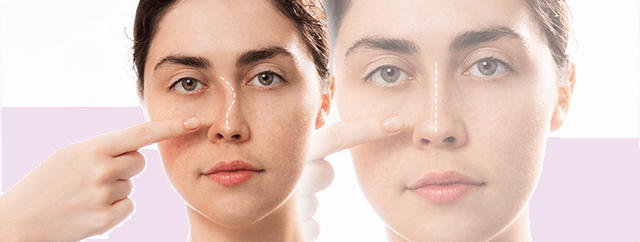
When we speak of nasal deviation, or a deviated septum, the conversation often leans toward aesthetics. However, the nasal septum—the thin wall of cartilage and bone that divides your nostrils—is the structural backbone of your respiratory system. When this wall is displaced, it doesn’t just affect the symmetry of the face; it fundamentally alters the way air enters your body. Many patients wonder, what happens if nasal deviation is left untreated? The answer is a complex chain reaction that impacts the heart, lungs, sleep quality, and even cognitive function.
A deviated septum can be congenital (present at birth) or the result of a physical injury. Regardless of its origin, a significant deviation creates a mechanical obstruction. To understand the gravity of this condition, one must look past the external appearance and into the internal physiology of nasal airflow. If you are struggling with chronic breathing issues, it is essential to understand what is a deviated septum and how it dictates your overall health trajectory.
The Physiological Consequences of Airflow Obstruction
The human body is designed for nasal breathing. The nose acts as a sophisticated filtration, humidification, and temperature-control system. When a deviation is left untreated, the body is forced to rely on mouth breathing, which bypasses these critical functions. This transition is not merely a change in habit; it is a physiological compromise that leads to several long-term health risks.
Chronic Nasal Congestion and the “Good Side” Myth
Patients with nasal deviation often report that one side of their nose is always blocked. Over time, the body attempts to compensate for this imbalance. The side of the nose that is *not* blocked by the septum often develops compensatory turbinate hypertrophy. The turbinates (small structures inside the nose that help warm and moisten air) on the “clear” side swell to regulate the excessive airflow. This leads to a paradoxical situation where eventually both sides of the nose feel congested. This cycle makes nasal congestion treatment much more difficult if the underlying structural deviation is ignored.
The Impact on the Sinus Cavities
Untreated deviation disrupts the natural drainage of the paranasal sinuses. When the septum leans heavily to one side, it can block the narrow passages (ostia) that allow mucus to drain. This stagnation creates a breeding ground for bacteria, leading to chronic sinusitis. Patients with untreated deviations often find themselves in a cycle of recurring infections, facial pain, and pressure that antibiotics can only temporarily alleviate. Without correcting the structural cause, the infection will almost certainly return.
The Cardiovascular and Respiratory Strain
One of the most dangerous answers to the question of what happens if nasal deviation is left untreated lies in the cardiovascular system. Chronic oxygen deprivation, even in mild forms, places a significant burden on the heart and lungs.
Sleep Apnea and Snoring
Nasal deviation is a primary contributor to obstructive sleep apnea (OSA) and chronic snoring. When the airway is narrowed, the soft tissues in the throat are more likely to vibrate (snoring) or collapse entirely (apnea) during sleep. These pauses in breathing trigger a “fight or flight” response in the brain, causing a spike in blood pressure and heart rate to wake the body up for air.
Left untreated, this nightly stress can lead to:
* Hypertension (High blood pressure)
* Atrial Fibrillation
* Increased risk of stroke
* Pulmonary hypertension
Reduced Exercise Tolerance
For athletes or active individuals, an untreated deviated septum acts like a governor on an engine. It limits the volume of oxygen the body can take in during high-intensity activities. This leads to early fatigue, a higher heart rate during exercise, and a decreased VO2 max. Many patients only realize how much their performance was hindered after they undergo a successful septoplasty or functional rhinoplasty.
The Decline in Quality of Life: Cognitive and Physical Fatigue
If you aren’t breathing well, you aren’t sleeping well. And if you aren’t sleeping well, your brain cannot function at its peak. The disadvantages of living with nasal deviation extend far into the psychological and cognitive realms.
Chronic Fatigue and Brain Fog
Poor oxygen saturation during the night means the brain rarely enters the deep, restorative stages of sleep (REM and slow-wave sleep). Patients often wake up feeling unrefreshed, regardless of how many hours they spent in bed. This results in daytime somnolence, irritability, and a lack of focus often described as “brain fog.” Over years, this chronic fatigue can impact career performance and personal relationships.
Headaches and Facial Pain
A deviated septum can cause contact point headaches. This occurs when the deviated cartilage physically touches the sensitive lining of the outer nasal wall. This constant pressure triggers the trigeminal nerve, leading to chronic migraines or localized facial pain that is often misdiagnosed as tension headaches or dental issues.
The Effect on Dental Health and Facial Structure
Chronic mouth breathing caused by an untreated deviation has a surprising impact on oral health. Saliva is the mouth’s natural defense against bacteria. When the mouth is constantly open to facilitate breathing, the oral cavity becomes dry. This leads to:
* Increased tooth decay and cavities.
* Gum disease (gingivitis).
* Bad breath (halitosis).
In younger patients, untreated nasal deviation can even lead to changes in facial development, often called “adenoid face,” characterized by a long, narrow face, a receding chin, and a high-arched palate.
Why Treatment Should Not Be Delayed
Many patients delay surgery because they fear the recovery process or believe they can “live with it.” However, the risks of untreated nasal deviation accumulate over time. The cartilage in the nose continues to change with age, often making the deviation more pronounced and the symptoms more severe as the tissues lose their elasticity.
Septoplasty: The Gold Standard for Correction
Septoplasty is a functional surgical procedure designed to straighten the septum. Unlike rhinoplasty, which may focus on the external appearance, septoplasty is performed entirely through the nostrils to remove or reposition the obstructing bone and cartilage. For those seeking a comprehensive solution that addresses both breathing and appearance, septoplasty and rhinoplasty can be combined in a single operation.
Choosing the Right Surgeon: Prof. Dr. Selçuk İnanlı
When dealing with the complex internal structures of the nose, the expertise of the surgeon is paramount. Prof. Dr. Selçuk İnanlı, a certified specialist by the European Academy of Facial Plastic Surgery (EAFPS), brings decades of experience to functional and aesthetic nasal surgeries. His approach focuses on the philosophy that a beautiful nose must first be a functional one. By using advanced techniques like Piezo Rhinoplasty, he ensures that the structural integrity of the nose is preserved while maximizing the airway.
Long-term Outlook After Treatment
The transformation following the correction of a deviated septum is often life-changing. Patients report an immediate “opening” of the airway, followed by improved sleep, higher energy levels, and a significant reduction in sinus-related issues. Understanding Septoplasty treatment and its recovery can help demystify the process and encourage patients to take the step toward better health.
Leaving nasal deviation untreated is a gamble with your long-term cardiovascular health and daily vitality. While the body is resilient and finds ways to adapt, these adaptations—such as mouth breathing and turbinate swelling—eventually take their toll. Modern surgical techniques have made the correction of this condition safer and more effective than ever before, offering a permanent solution to a problem that affects every breath you take.
Sıkça Sorulan Sorular
Can a deviated septum get worse as I get older?
Yes, nasal deviation can indeed become more problematic with age. As we grow older, the supporting structures of the nose, including the cartilage and skin, lose their elasticity and may begin to sag or weaken. This can cause a previously manageable deviation to become more obstructive. Furthermore, the nasal valves can become more prone to collapse, exacerbating the feeling of congestion. Addressing the issue earlier in life can prevent the cumulative damage caused by chronic mouth breathing and sleep deprivation.
Is it possible for a deviated septum to cause weight gain?
There is an indirect but significant link between nasal deviation and weight gain. An untreated deviated septum often leads to poor sleep quality and obstructive sleep apnea. Sleep deprivation disrupts the hormones that regulate appetite, specifically increasing ghrelin (the hunger hormone) and decreasing leptin (the fullness hormone). Additionally, the chronic fatigue resulting from poor breathing often leads to a sedentary lifestyle, making it harder to maintain a healthy weight. Correcting the deviation can restore energy levels and help regulate metabolic health.
Can I treat a deviated septum without surgery?
Non-surgical treatments such as nasal sprays, antihistamines, and internal nasal dilators can help manage the symptoms of a deviated septum, but they cannot correct the underlying structural deformity. These options are often used to reduce swelling in the nasal lining (mucosa), which may provide temporary relief. However, since the deviation is a mechanical blockage of bone and cartilage, surgery (septoplasty) is the only permanent way to straighten the septum and provide a long-term cure for the obstruction.
How does untreated nasal deviation affect my heart health?
Untreated nasal deviation can lead to chronic nighttime hypoxia (low oxygen levels), especially if it contributes to sleep apnea. When oxygen levels drop during sleep, the heart must work harder to pump blood, leading to increased strain on the cardiovascular system. Over time, this can lead to serious conditions such as chronic hypertension, enlargement of the heart (cardiomegaly), and an increased risk of heart attack. Restoring proper nasal airflow is a critical component of cardiovascular preventative care.
Will my voice change after treating my nasal deviation?
In many cases, patients with severe nasal deviation have a ‘nasal’ or muffled quality to their voice because the nose acts as a resonance chamber. When the airway is opened and the deviation is corrected, the voice often sounds clearer and more resonant. While it doesn’t fundamentally change the vocal cords, it improves the overall tone and projection of speech. This is particularly beneficial for singers, public speakers, and professionals who rely heavily on their voice.