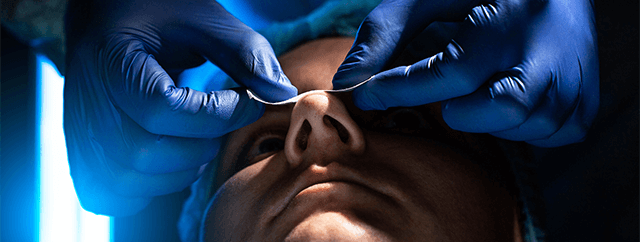
What is Open Nose Surgery and How is It Performed?
Open nose surgery is a type of surgical procedure that aims to improve the function and/or appearance of the nose. The procedure is called “open” because the surgeon makes an incision on the skin between the nostrils, allowing them to lift the skin and access the underlying structures of the nose.
What is the Open Rhinoplasty Procedure?
Open rhinoplasty is a cosmetic surgery procedure performed to improve the aesthetic appearance or function of the nose. It is performed to address aesthetic issues such as the shape, size, slope, width, and tip of the nose. It may also be preferred to improve functional disorders such as deviation of the nasal septum or nasal obstruction.
Open nose surgery is performed under general anesthesia. The specialist makes an incision in the skin between the nostrils, then exposes the cartilage and bone structure of the nose. Afterward, the nose is shaped or reconstructed. Incisions are made and repositioned as necessary in the nasal cartilages and bones. Then, the size and shape of the nostrils are adjusted. The open rhinoplasty procedure allows doctors to perform detailed surgery as it makes accurate control and adjustment more possible.
There may be some complications associated with open rhinoplasty, such as infection and bleeding. Therefore, it is important to discuss the risks and benefits with your doctor before surgery. Discussing the risks and benefits with your doctor before surgery is important Turkey, you can contact us and schedule a free consultation.
How is Open Nose Surgery Performed?
Open nose surgery is performed to reshape or repair the nose. The procedure is completed in an average of 2-4 hours with the realization of several stages.
The patient is given general anesthesia to ensure comfort during the procedure. The specialist makes a small incision along the columella, the strip of skin that separates the nostrils. This incision is usually inconspicuous and leaves minimal scarring. The doctor then lifts the skin and soft tissue of the nose to access the underlying structures. The doctor reshapes the nose by removing or adding bone or cartilage as needed. They may use grafts from other parts of the body or synthetic materials to enlarge the nose. After the reshaping is complete, the doctor closes the incision with stitches.
The patient rests in the hospital or clinic where the procedure took place until they are awake and stable enough to go home. During this period, the patient is monitored for possible complications. Resting and avoiding strenuous activities few weeks while the nose is healing is important.
It is important to remember that open nose surgery is a procedure that should only be performed by a skilled and experienced specialist doctor. Recovery time and results may vary depending on the extent of the surgery and the patient’s individual recovery process.
What is the Difference Between Open & Closed Rhinoplasty?
Open and closed rhinoplasty are two techniques used in nasal surgery to reshape or repair the nose. In closed rhinoplasty, all incisions are made inside the nostrils. This means that no external incisions are made on the nose. The surgeon accesses the underlying structures of the nose through these internal incisions, and they reshape the nose using specialized instruments.
In open rhinoplasty, a small incision is made across the columella, the strip of skin that separates the nostrils. This allows the surgeon to lift the skin and soft tissue of the nose, providing direct access to the underlying structures of the nose. This technique is sometimes also called external rhinoplasty.
Both techniques have advantages and disadvantages, and the choice between them depends on the specific needs and goals of the patient, as well as the surgeon’s experience and preferences. Closed rhinoplasty is typically less invasive, with a shorter recovery time and less scarring. However, open rhinoplasty provides better visibility and control during surgery, which can be particularly helpful for more complex procedures.
What are the Advantages of Open Nose Surgery?
Open rhinoplasty is a surgical procedure for nose reshaping or repair. This technique uses an incision outside the nose to provide direct access to the nasal structure. The following advantages indicate that open nose surgery may be more suitable than other techniques:
► Better Visibility: Because the nasal skin is lifted during open nose surgery, the surgeon is more likely to provide a better view of the nasal structure and make more accurate decisions in the nose shaping process.
► More Control: Open nose surgery provides access to the entire nose, so the surgeon can better see and manipulate the entire nasal structure.
► More Flexibility: Open rhinoplasty may be more appropriate in more complex cases of the nasal structure, such as revision rhinoplasty or serious nasal injuries.
► Better Breathing: Open nose surgery can be used to correct breathing problems by opening the airways of the nose at the same time as reshaping the nasal structure.
Open nose surgery is the most preferred and ideal option for nose reshaping or repair. To experience a successful rhinoplasty procedure, you can contact Prof.Dr. Selçuk İnanlı and his well-equipped medical team achieve the best possible results. Schedule your consultation now and unlock the full potential of your nose with the advantages of open rhinoplasty.
What is Open Nose Surgery and How is It Performed? Comprehensive Guide
Understanding Open Nose Surgery: The Gold Standard of Modern Rhinoplasty
When patients consider nasal aesthetics, the terminology can often feel overwhelming. Open Nose Surgery, scientifically known as Open Rhinoplasty, is one of the two primary techniques used to reshape the nose. Unlike the closed technique, where all incisions are made inside the nostrils, the open approach involves a small, strategic incision across the columella—the narrow strip of tissue separating the nostrils. This single external incision allows the surgeon to gently lift the skin envelope, providing an unobstructed view of the underlying nasal framework.
For a world-class specialist like Prof. Dr. Selçuk İnanlı, the open technique is often the preferred choice for complex structural corrections. Nasal aesthetics is not merely a medical procedure; it is a philosophy of art coming to life on living tissues. The open approach offers the precision required to achieve the Golden Ratio while ensuring that the functional aspects of the nose, such as breathing, are preserved or improved. To understand the full scope of these procedures, one should first explore What is Rhinoplasty Nose Surgery to grasp the foundational concepts of nasal reshaping.
Why Open Nose Surgery is Preferred for Complex Cases
The primary advantage of open nose surgery is visibility. In surgical terms, visibility equals control. When the skin is lifted, the surgeon can see the lower lateral cartilages, the nasal septum, and the nasal bridge in their natural, undistorted positions. This is crucial for addressing asymmetries that are difficult to correct through the limited access of a closed procedure.
Complex cases, such as a severely deviated septum, a previous nasal trauma, or a congenital deformity, almost always require the open technique. Furthermore, for patients seeking Revision Rhinoplasty—surgery to correct the results of a previous, unsatisfactory operation—the open approach is mandatory. It allows the surgeon to identify internal scarring, missing cartilage, or structural weaknesses that were not addressed in the first surgery.
Step-by-Step: How Open Nose Surgery is Performed
The process of open nose surgery is a meticulous sequence of events designed to balance form and function. While every patient’s anatomy is unique, the general surgical roadmap remains consistent under the expertise of a senior surgeon like Prof. Dr. Selçuk İnanlı.
1. Anesthesia and Preparation
Open rhinoplasty is performed under general anesthesia to ensure the patient is completely comfortable and the airway is protected. Before the first incision, the surgeon may inject a local anesthetic combined with a vasoconstrictor to minimize bleeding and provide a clearer surgical field. The nose is then thoroughly cleaned and draped in a sterile environment.
2. The Trans-Columellar Incision
The hallmark of the open technique is the inverted-V incision made across the columella. This is joined by incisions inside the nostrils (marginal incisions). By connecting these, the surgeon can carefully separate the skin and soft tissues from the underlying cartilage and bone. While patients often worry about a visible scar, when performed by a skilled specialist, the columellar scar typically fades into near-invisibility within a few months.
3. Reshaping the Nasal Tip
Once the framework is exposed, the surgeon focuses on the nasal tip. This is often the most challenging part of the surgery. Using fine sutures and cartilage grafts, the surgeon can refine a bulbous tip, lift a drooping tip, or narrow a wide nasal base. The structural integrity of the tip is reinforced to prevent it from dropping over time, a common issue in less precise surgeries.
4. Correcting the Nasal Bridge (Dorsum)
If the patient has a nasal hump, the bone and cartilage are carefully shaved or repositioned. In modern surgery, many specialists utilize Piezo Rhinoplasty (ultrasonic surgery) to shape the bones. This technology uses ultrasonic vibrations to cut bone precisely without damaging the surrounding soft tissues, significantly reducing post-operative bruising and swelling.
5. Functional Corrections (Septoplasty)
Open surgery provides the best access to the septum. If the patient suffers from breathing difficulties due to a deviated septum, the surgeon can straighten the cartilage and bone during the same session. This combined approach ensures that the nose looks beautiful and functions perfectly.
6. Closing the Incisions and Splinting
After the desired shape is achieved, the skin is redraped over the new framework. The columellar incision is closed with hair-thin sutures. A protective nasal splint is applied to the bridge to maintain the new shape, and internal supports (silicone splints) may be used if the septum was treated. Unlike old-fashioned packing, modern silicone splints allow the patient to breathe through their nose immediately after surgery.
The Role of Cartilage Grafting in Open Rhinoplasty
One of the most critical components of open nose surgery is the use of autologous cartilage grafts. These are pieces of the patient’s own cartilage used to build up, support, or reshape the nose. The first choice for grafting is usually the septal cartilage. However, in revision cases where the septum has already been used, the surgeon may need to harvest cartilage from the ear (concha) or the rib (costal cartilage).
Using the open technique allows for the precise placement of these grafts. For instance, spreader grafts can be placed to widen the internal nasal valve and improve breathing, while strut grafts provide lasting support to the tip. This structural approach ensures that the results of the surgery are not just temporary but last a lifetime.
Recovery and the Healing Process: What to Expect
Recovery from open nose surgery is a journey of patience. While the surgery itself takes a few hours, the body needs time to adapt to its new structure. Understanding When does swelling subside after rhinoplasty is essential for managing expectations.
The First Week: Initial Healing
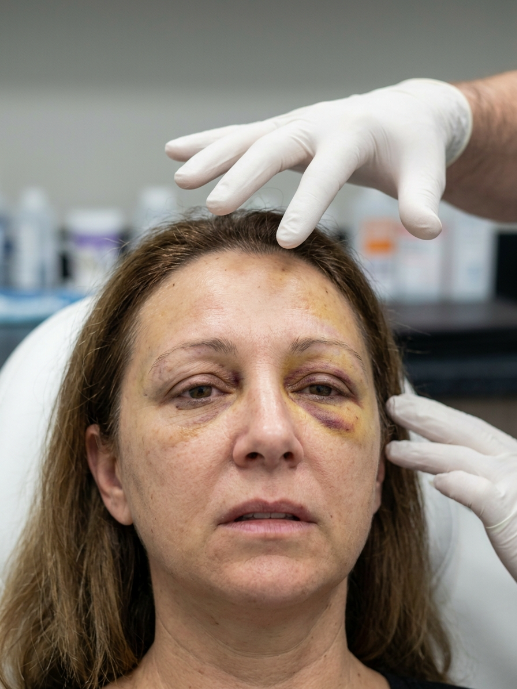
The first 7 days are the most critical. Patients will wear a splint and may experience some swelling around the eyes. Pain is usually minimal and managed with mild analgesics. It is vital to keep the head elevated and avoid any strenuous activity. At the end of the first week, the splint and columellar sutures are removed.
Months 1 to 3: Resolving Edema
Most of the visible swelling disappears within the first month, allowing the patient to return to social and professional life. However, the nose may still feel “stiff” or numb. During this period, the fine details of the surgery begin to emerge, but the final shape is still masked by minor edema.
The One-Year Mark: Final Results
The final refinement of the nasal tip can take up to a full year, especially in patients with thick skin. The tissues must fully contract and settle over the new cartilage framework. Regular follow-up appointments with your surgeon are necessary to monitor this progress and ensure the healing is proceeding as planned.
Comparing Open and Closed Techniques
While this article focuses on the open technique, it is helpful to understand why a surgeon might choose one over the other. The Closed Technique is excellent for minor adjustments to the bridge or for patients who require very little tip work. It has the advantage of no external scar and a slightly faster initial recovery.
However, the Open Technique remains superior for:
- Revision surgeries.
- Complex tip refinements.
- Correcting severe asymmetries.
- Ethnic rhinoplasty (where structural support is often needed).
- Post-traumatic reconstructions.
As a specialist certified by the European Academy of Facial Plastic Surgery (EAFPS), Prof. Dr. Selçuk İnanlı evaluates each patient’s unique anatomy to determine which technique will yield the most natural and harmonious result.
Risks and Safety Considerations
Like any surgical procedure, open nose surgery carries some risks, including infection, bleeding, or an adverse reaction to anesthesia. Specific to rhinoplasty, there is a small possibility of septal perforation or dissatisfaction with the aesthetic outcome. Choosing a board-certified surgeon with extensive experience in ENT (Ear, Nose, and Throat) and Facial Plastic Surgery significantly minimizes these risks.
Safety is paramount. In our clinic, we adhere to international standards and provide services backed by the Health Türkiye guarantee. Every step, from the initial consultation to the final follow-up, is designed to ensure the patient’s well-being and satisfaction.
Preparing for Your Surgery
Successful surgery starts long before you enter the operating room. During your consultation, a detailed nasal analysis is performed. This includes high-resolution photography and, often, digital imaging to simulate potential outcomes. Patients are advised to:
- Stop smoking at least 3 weeks before surgery, as nicotine impairs blood flow and slows healing.
- Avoid blood-thinning medications like aspirin or certain herbal supplements.
- Arrange for a friend or family member to assist them during the first 24 hours of recovery.
By following these guidelines and trusting in the expertise of a senior surgeon, you can approach your Open Nose Surgery with confidence, knowing that you are on the path to a more beautiful, functional, and self-assured version of yourself.
Sıkça Sorulan Sorular
Does open nose surgery leave a permanent, visible scar on the face?
While open nose surgery involves a small incision across the columella (the tissue between the nostrils), the scar is strategically placed in an inverted-V shape to follow the natural contours of the nose. When closed with meticulous suturing techniques by an expert surgeon, this scar typically becomes nearly invisible within a few months. Most patients find that after the initial redness fades, even they have difficulty locating the incision site.
How long does the actual open rhinoplasty procedure take to perform?
The duration of the surgery depends entirely on the complexity of the case. A primary open rhinoplasty usually takes between 2.5 to 3.5 hours. However, if the procedure involves a complex revision, rib cartilage grafting, or extensive functional repair of the septum, it may take 4 to 5 hours. Prof. Dr. Selçuk İnanlı prioritizes precision and structural integrity over speed to ensure the best possible long-term outcome.
Is the recovery process more painful for open surgery compared to closed surgery?
Contrary to popular belief, rhinoplasty is generally not a painful procedure. Most patients report a feeling of pressure or ‘stuffiness’ rather than sharp pain. While open surgery involves slightly more manipulation of the skin envelope, which can lead to a bit more swelling initially, the pain levels are virtually the same as the closed technique. Any discomfort is easily managed with standard prescribed pain relievers during the first few days.
When can I return to exercise and sports after open nose surgery?
Patients can usually begin light walking within a few days of surgery to promote circulation. However, strenuous activities, heavy lifting, and intense cardio should be avoided for at least 3 to 4 weeks to prevent spikes in blood pressure that could cause bleeding or increased swelling. Contact sports or activities where the nose might be bumped must be avoided for at least 3 months, as the nasal bones and cartilages need time to fully stabilize.
Can open nose surgery fix both aesthetic concerns and breathing problems at the same time?
Yes, this is one of the primary reasons the open technique is used. It allows the surgeon to perform a ‘functional rhinoplasty’ or septorhinoplasty. By having a full view of the internal structures, the surgeon can straighten a deviated septum, reduce enlarged turbinates, and reinforce the nasal valves with grafts while simultaneously reshaping the exterior of the nose. This ensures that the patient not only looks better but also breathes significantly better.