
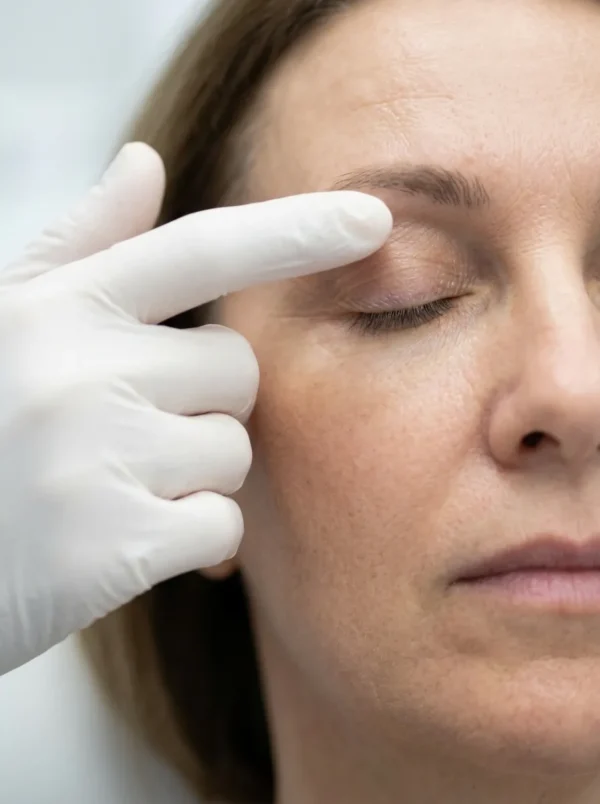


Eyelid Aesthetics
- Açıklama
- Değerlendirmeler (0)
Açıklama
Eyelid Aesthetics: A Comprehensive Guide to Blepharoplasty and Eye Rejuvenation
Understanding the Impact of Eyelid Aesthetics on Facial Harmony
Understanding the Impact of Eyelid Aesthetics on Facial Harmony Get an expert opinion.
Your initial assessment is free.
Eyes are often described as the most expressive feature of the human face. They convey emotions, health, and vitality. However, the skin around the eyes is the thinnest and most delicate on the entire body, making it susceptible to the earliest signs of aging. Eyelid Aesthetics, medically known as Blepharoplasty, is a specialized surgical procedure designed to correct these signs of aging, such as sagging skin, excess fat deposits, and fine lines that create a perpetually tired or aged appearance.
As we age, the muscles supporting the eyelids weaken, and the skin begins to stretch. Consequently, excess fat may gather above and below your eyelids, causing sagging eyebrows, droopy upper lids, and bags under your eyes. Beyond the aesthetic concerns, severely sagging skin around the eyes can reduce your peripheral vision (side vision), especially in the upper and outer parts of your visual field. Therefore, what is blepharoplasty is a question that encompasses both cosmetic enhancement and functional restoration.
In the hands of an expert like Prof. Dr. Selçuk İnanlı, eyelid surgery is not just about removing skin; it is about sculpting the periorbital region to restore a youthful, energetic, and natural look. This procedure is frequently sought by both men and women who wish to align their outward appearance with their internal energy levels.
The Anatomy of the Aging Eye
The Anatomy of the Aging Eye Get an expert opinion.
Your initial assessment is free.
To appreciate the necessity of Eyelid Aesthetics, one must understand the anatomical changes that occur over time. The eye area consists of several layers: the skin, the orbicularis oculi muscle, the orbital septum, and the underlying fat pads.
The Upper Eyelid
The Upper Eyelid Get an expert opinion.
Your initial assessment is free.
In the upper lid, the primary issue is often dermatochalasis, which refers to the presence of loose and redundant skin. This skin can hang down over the eyelashes, making it difficult to apply makeup or, in severe cases, obstructing the visual axis. Additionally, the medial fat pad (near the nose) can become prominent, creating a bulge that makes the eye look heavy.
The Lower Eyelid
The Lower Eyelid Get an expert opinion.
Your initial assessment is free.
The lower eyelid is more complex. Aging here manifests as “bags” or “dark circles.” These bags are usually caused by the herniation of orbital fat. The orbital septum, which acts as a retaining wall for the fat, weakens with age, allowing the fat to protrude forward. This protrusion creates a shadow in the “tear trough” area, contributing to the appearance of dark circles. Addressing these issues requires a sophisticated approach that might involve fat repositioning rather than simple removal to avoid a hollowed-out, “skeletonized” look.
Upper Eyelid Aesthetics: The Lift You Need
Upper Eyelid Aesthetics: The Lift You Need Get an expert opinion.
Your initial assessment is free.
Upper Blepharoplasty is focused on removing excess skin and muscle from the upper lids. The goal is to create a well-defined crease and a more open, alert eye.
The Procedure Steps
The Procedure Steps Get an expert opinion.
Your initial assessment is free.
- Marking: The surgeon carefully marks the excess skin while the patient is awake to ensure that enough skin remains to allow for proper eye closure.
- Incision: The incision is placed within the natural fold of the eyelid, making it virtually invisible once healed.
- Excision: Excess skin, a thin strip of muscle, and sometimes fat are removed.
- Closure: The incision is closed with very fine sutures.
This procedure is highly effective for patients who feel their eyes look “hooded.” It can be performed under local anesthesia with sedation, and the recovery is generally swift. For those considering the broader context of facial aging, it is often beneficial to look into facelift surgery to ensure the entire face ages harmoniously with the refreshed eye area.
Lower Eyelid Aesthetics: Eliminating Bags and Dark Circles
Lower Blepharoplasty is more of a contouring procedure. It addresses the puffiness and the deep grooves that form between the lower lid and the cheek.
Transconjunctival vs. Transcutaneous Approach
There are two primary methods for lower lid surgery. The transconjunctival approach involves an incision inside the eyelid, leaving no visible scar. This is ideal for younger patients who have fat bags but good skin elasticity. The transcutaneous approach involves an incision just below the lash line, allowing the surgeon to remove excess skin and tighten the underlying muscles.
In modern Eyelid Aesthetics, the trend has shifted toward fat repositioning. Instead of removing the fat, the surgeon moves it into the tear trough to smooth the transition between the eye and the cheek. This prevents the sunken look that was common in older surgical techniques.
Preparing for Eyelid Surgery: What to Know
Before undergoing any surgical intervention, a thorough consultation is paramount. Prof. Dr. Selçuk İnanlı emphasizes the importance of a personalized surgical plan. During the consultation, your medical history—including eye conditions like dry eye, glaucoma, or allergies—will be reviewed.
Patients are advised to stop smoking several weeks before the procedure, as nicotine impairs blood flow and slows the healing process. Certain medications, such as aspirin or ibuprofen, should be avoided as they increase the risk of bleeding. Understanding the things to know before eyelid surgery helps manage expectations and ensures the safest possible outcome.
The Surgical Experience and Anesthesia
Eyelid Aesthetics can be performed under various types of anesthesia depending on the complexity of the case and the patient’s preference.
* Local Anesthesia with Sedation: Most upper blepharoplasties and some lower blepharoplasties are done this way. The patient is relaxed and the area is numb, but they are not fully unconscious.
* General Anesthesia: Typically reserved for cases where eyelid surgery is combined with more extensive procedures like a rhinoplasty or a full facelift.
The duration of the surgery ranges from 45 minutes to 2 hours. Because it is an outpatient procedure, patients can usually return home the same day.
The Recovery Path: Day-by-Day
Post-operative care is crucial for achieving the best results. Immediately after the surgery, patients may experience blurred vision due to the lubricating ointment applied to the eyes. Swelling and bruising are normal and typically peak within the first 48 to 72 hours.
Week 1
Patients are encouraged to use cold compresses frequently during the first two days to minimize swelling. Sleeping with the head elevated is also essential. Most patients can return to light activities and work within 7 to 10 days, although some bruising may still be visible. To ensure a smooth transition, patients should follow specific protocols to speed your recovery after eyelid surgery.
Week 2 and Beyond
By the second week, most of the swelling has subsided. The incisions may appear slightly pink, but they will gradually fade over several months. Sun protection is vital during this time, as the healing skin is sensitive to UV rays, which can cause permanent hyperpigmentation of the scars.
Combining Eyelid Aesthetics with Other Procedures
Rarely does the eye area age in total isolation. Often, sagging eyelids are accompanied by a drooping brow or a loss of volume in the mid-face. To achieve a truly rejuvenated look, Prof. Dr. Selçuk İnanlı may recommend combining blepharoplasty with other treatments:
* Brow Lift: If the eyebrows have descended, an upper blepharoplasty alone may not be sufficient. A brow lift raises the forehead tissues, opening up the eye area even further.
* Fat Injections: Adding fat to the temples or cheeks can restore the volume lost during the aging process, complementing the surgical results of the eyelids.
* Laser Resurfacing: While surgery removes skin, it doesn’t change the texture. Laser treatments can address fine “crepey” wrinkles and improve skin quality around the eyes.
* Botox and Fillers: These non-surgical options can be used to refine the results, especially for crow’s feet or deep forehead lines.
Functional Blepharoplasty: Beyond Beauty
While most people seek Eyelid Aesthetics for cosmetic reasons, there is a significant functional component for many patients. When the upper eyelid skin hangs over the pupil, it can cause eye strain and headaches as the patient constantly uses their forehead muscles to lift the lids.
In these cases, the surgery is considered medically necessary. A visual field test is often performed to document the extent of the obstruction. Improving the visual field significantly enhances the patient’s quality of life, making daily tasks like reading and driving much safer and more comfortable.
Risks and Safety Considerations
Like any surgery, Eyelid Aesthetics carries some risks. These include infection, bleeding, dry eyes, and temporary difficulty closing the eyes completely. However, when performed by a board-certified specialist with extensive experience in facial plastic surgery, these risks are minimized.
Prof. Dr. Selçuk İnanlı utilizes advanced techniques to ensure that the natural shape of the eye is preserved. One of the biggest fears patients have is looking “different” or “surprised.” The hallmark of a successful blepharoplasty is that people notice you look better, but they cannot tell you had surgery.
The Role of Technology in Eyelid Aesthetics
Modern surgery has benefited greatly from technological advancements. The use of Radiofrequency (RF) or CO2 Lasers for incisions can reduce bleeding and swelling during the procedure. Additionally, endoscopic techniques allow for smaller incisions and more precise tissue manipulation.
In the clinic of Prof. Dr. Selçuk İnanlı, the latest surgical tools are used to ensure the highest standards of safety and aesthetic precision. This commitment to excellence is what differentiates a standard procedure from a world-class aesthetic transformation.
Long-Term Results and Maintenance
The results of an upper blepharoplasty can last for 10 to 15 years, and for many, the results of a lower blepharoplasty are permanent. While the surgery “turns back the clock,” it does not stop the clock. The skin will continue to age naturally.
To maintain the results, patients are advised to:
- Protect from the Sun: Wear sunglasses and apply SPF around the eyes.
- Stay Hydrated: Proper skin hydration maintains elasticity.
- Skincare: Use medical-grade eye creams containing retinol or peptides.
- Healthy Lifestyle: Avoid smoking and maintain a balanced diet rich in antioxidants.
Why Choose Prof. Dr. Selçuk İnanlı for Your Eyelid Aesthetics?
Choosing a surgeon is the most critical decision in your aesthetic journey. Prof. Dr. Selçuk İnanlı is not only a highly skilled Ear, Nose, and Throat (ENT) specialist but also a renowned expert in Facial Plastic Surgery. His deep understanding of facial anatomy, combined with an artistic eye, allows him to deliver results that are both functional and beautiful.
His credentials with the European Academy of Facial Plastic Surgery (EAFPS) and his years of academic and clinical experience provide patients with the peace of mind that they are in the best possible hands. Whether you are seeking to improve your vision or simply want to look as young as you feel, his approach to Eyelid Aesthetics is tailored to meet your unique needs.
The Psychological Impact of Rejuvenation
The benefits of eyelid surgery extend far beyond the physical. Many patients report a significant boost in self-confidence and a more positive outlook on life. Looking in the mirror and seeing a refreshed, vibrant version of yourself can influence how you interact with others and how you perceive yourself in professional and social settings.
In an era where digital presence and face-to-face interactions are equally important, the eyes remain the focal point of communication. Investing in Eyelid Aesthetics is an investment in your personal and professional well-being. By addressing the signs of fatigue and aging, you allow your true personality to shine through without the distraction of sagging skin or under-eye bags.
As you consider this life-enhancing procedure, remember that the goal is not to achieve perfection but to achieve a better, more refreshed version of yourself. With the right surgeon, the right technique, and realistic expectations, Eyelid Aesthetics can provide one of the most rewarding transformations in the field of cosmetic surgery.
Sıkça Sorulan Sorular
What is the ideal age for undergoing eyelid aesthetics?
There is no single ‘ideal’ age for blepharoplasty, as the rate of aging varies significantly between individuals due to genetics and lifestyle. Most patients are over the age of 35; however, if baggy eyelids or droopy lids are a hereditary trait, younger patients may also seek the procedure. The best time is when the sagging skin or fat bags begin to bother you or interfere with your vision.
Will there be visible scarring after the surgery?
One of the primary advantages of eyelid aesthetics is that the scars are extremely well-hidden. For upper eyelid surgery, the incision is made within the natural crease of the lid. For lower eyelid surgery, the incision is either inside the lid (transconjunctival) or just below the lash line. Over time, these fine lines fade and become nearly impossible to detect with the naked eye.
How long do the results of eyelid surgery typically last?
Upper blepharoplasty results generally last between 10 to 15 years, as the forehead and brow will continue to age and may eventually cause new skin laxity. Lower blepharoplasty results are often considered permanent, as the fat pads removed or repositioned typically do not return. Maintaining a healthy lifestyle and protecting the skin from sun damage will help prolong the rejuvenated appearance.
Is the eyelid aesthetic procedure painful?
Most patients are surprised by how little pain is involved in eyelid surgery. During the procedure, anesthesia ensures you feel nothing. Post-operatively, you may feel a sense of tightness or mild discomfort, which is easily managed with standard over-the-counter pain relievers. Most patients describe the sensation as ‘uncomfortable’ due to swelling rather than ‘painful’ in a traditional sense.
Can I have eyelid surgery at the same time as a facelift or rhinoplasty?
Yes, it is very common to combine eyelid aesthetics with other facial procedures. Combining surgeries like a facelift, brow lift, or rhinoplasty allows for a more comprehensive rejuvenation and has the added benefit of a single recovery period and one-time anesthesia. During your consultation, Prof. Dr. Selçuk İnanlı will discuss whether a combined approach is suitable for your aesthetic goals.




Değerlendirmeler
Henüz değerlendirme yapılmadı.