
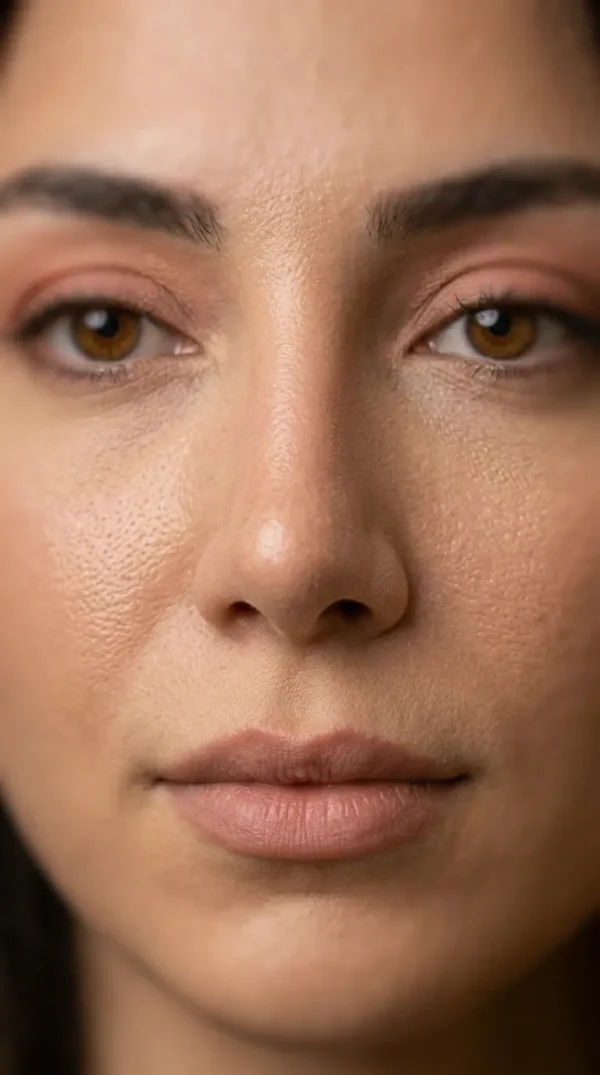


Female Nose Aesthetics
- Açıklama
- Değerlendirmeler (0)
Açıklama
Female Nose Aesthetics: The Definitive Guide to Rhinoplasty for Women
The Art and Science of Female Nose Aesthetics
The Art and Science of Female Nose Aesthetics Get an expert opinion.
Your initial assessment is free.
Female Nose Aesthetics, commonly referred to as female rhinoplasty, is one of the most sophisticated and transformative procedures in the field of facial plastic surgery. Unlike male rhinoplasty, which often aims for a more rugged and strong profile, the female counterpart focuses on creating a delicate balance between elegance, softness, and structural integrity. The nose, being the central feature of the human face, dictates the harmony of other facial elements such as the eyes, cheekbones, and chin.
For many women, the decision to undergo a rhinoplasty is not merely about vanity; it is about aligning their physical appearance with their internal sense of self. Whether correcting a dorsal hump, refining a bulbous nasal tip, or narrowing a wide nasal bridge, the ultimate goal is to achieve a result that looks natural and unoperated. Prof. Dr. Selçuk İnanlı, a world-renowned specialist in Otorhinolaryngology and Facial Plastic Surgery, emphasizes that the most successful female nose aesthetics are those that enhance the patient’s existing beauty rather than creating a generic, “cookie-cutter” look.
In this comprehensive guide, we will explore the nuances of female nasal anatomy, the advanced surgical techniques utilized today, and why choosing an experienced surgeon is the most critical step in your aesthetic journey.
Understanding the Unique Characteristics of the Female Nose
Understanding the Unique Characteristics of the Female Nose Get an expert opinion.
Your initial assessment is free.
When we discuss Female Nose Aesthetics, we must first recognize the anatomical differences that distinguish the female face from the male face. These differences are not just skin deep; they involve the underlying bone structure, cartilage strength, and skin thickness.
The Nasolabial Angle
The Nasolabial Angle Get an expert opinion.
Your initial assessment is free.
One of the most defining features of a feminine nose is the nasolabial angle—the angle between the upper lip and the base of the nose. In women, this angle is typically more obtuse than in men. While a male nose usually features an angle of 90 to 95 degrees, an aesthetically pleasing female nose often falls between 95 and 110 degrees. This slight upward rotation of the nasal tip provides a youthful and refined appearance, though it must be executed carefully to avoid a “pig-like” look where the nostrils are overly visible.
Nasal Bridge and Width
Nasal Bridge and Width Get an expert opinion.
Your initial assessment is free.
Female noses generally have a thinner and more delicate nasal bridge. Many women seek surgery to remove a dorsal hump, which can make the face appear harsh or masculine in profile. A slight supra-tip break—a subtle dip just before the tip—is often a desired trait in female rhinoplasty, as it adds a touch of softness to the profile. Furthermore, the width of the nose should ideally match the distance between the inner corners of the eyes, maintaining the principles of facial symmetry.
Skin Thickness and Cartilage
Skin Thickness and Cartilage Get an expert opinion.
Your initial assessment is free.
Women often have thinner skin over the nasal framework compared to men. While thin skin allows for high-definition refinement of the underlying cartilage, it also means that any surgical irregularities will be more visible. This is why the precision of a surgeon like Prof. Dr. Selçuk İnanlı is paramount. Conversely, patients with thicker skin may require more structural support to ensure that the refinements made to the cartilage are visible through the soft tissue.
The Role of the Golden Ratio in Female Rhinoplasty
The Role of the Golden Ratio in Female Rhinoplasty Get an expert opinion.
Your initial assessment is free.
In the pursuit of beauty, science and art often converge through the Golden Ratio. This mathematical concept, historically used by artists like Leonardo da Vinci, is applied in modern plastic surgery to determine the ideal proportions of the face.
In Female Nose Aesthetics, the Golden Ratio helps the surgeon calculate the perfect length, height, and width of the nose in relation to the forehead and chin. A nose that is too small can make the chin look recessed, while a nose that is too large can overshadow the eyes. By utilizing these proportions, Prof. Dr. Selçuk İnanlı ensures that the results are not only beautiful in isolation but harmonious with the entire facial structure. This personalized approach prevents the “surgical” look and instead promotes a refreshed, naturally attractive appearance.
Advanced Surgical Techniques: Piezo and Micrometric Rhinoplasty
Gone are the days of the “hammer and chisel” approach to nose surgery. Modern Female Nose Aesthetics utilizes advanced technology to minimize trauma and maximize precision.
Piezo Rhinoplasty (Ultrasonic Rhinoplasty)
One of the most significant breakthroughs in the field is Piezo Rhinoplasty. This technique uses ultrasonic vibrations to precisely shape the nasal bones without damaging the surrounding soft tissues, blood vessels, or nerves. Because it is so gentle, patients experience significantly less bruising and swelling compared to traditional methods. For female patients, who often have more delicate bone structures, Piezo technology allows for the creation of smooth, elegant nasal lines with a much faster recovery time.
Micrometric Rhinoplasty
Building upon the precision of ultrasonic tools, Micrometric Rhinoplasty involves the use of specialized instruments to make minute adjustments to the nasal framework. This level of detail is essential for refining the nasal tip and ensuring that the internal valves of the nose remain open for optimal breathing. As an expert in both aesthetics and function, Prof. Dr. Selçuk İnanlı integrates these techniques to ensure his patients look better and breathe better.
Functional Considerations: Breathing is as Important as Beauty
While the primary motivation for many women is aesthetic, the functional aspect of the nose cannot be ignored. A beautiful nose is of little value if it does not function correctly. Many female patients also suffer from a deviated septum, enlarged turbinates, or nasal valve collapse, which can cause chronic congestion and sleep issues.
During a Female Nose Aesthetics procedure, Prof. Dr. Selçuk İnanlı often performs a septoplasty alongside the cosmetic refinements. This dual approach ensures that the structural integrity of the nose is maintained or improved. By correcting internal obstructions, the surgeon provides the patient with a better quality of life, proving that health and beauty are inextricably linked.
The Consultation: Planning Your Transformation
The most critical phase of any rhinoplasty is the pre-operative consultation. This is where the surgeon and patient align their expectations. Prof. Dr. Selçuk İnanlı uses a combination of physical examination and advanced imaging to analyze the patient’s facial anatomy.
During the consultation, several factors are discussed:
- Expectations: What does the patient hope to achieve? Is it a minor refinement or a major reconstruction?
- Medical History: Any previous surgeries, allergies, or breathing difficulties are noted.
- 3D Simulation: Digital imaging allows the patient to see a potential outcome, helping to bridge the gap between imagination and reality.
- Skin Quality: Assessing the thickness and elasticity of the skin to determine the best surgical approach.
The Recovery Process: Day-by-Day Expectations
Recovery from Female Nose Aesthetics is a journey that requires patience. While the surgery itself typically takes 2 to 4 hours under general anesthesia, the healing process unfolds over several months.
The First Week
Immediately after surgery, a thermoplastic splint is placed on the nose to protect the new structure. Patients may experience some congestion, similar to a heavy cold. Bruising around the eyes is common but subsides quickly, especially when Piezo technology is used. Most patients can return to light desk work within 7 to 10 days.
The First Month
By the end of the first month, the majority of the visible swelling has dissipated. The nose begins to take its new shape, though the tip may still feel firm or slightly numb. It is crucial to avoid strenuous exercise and protect the nose from any accidental impact during this time.
Long-Term Healing
The final results of a female rhinoplasty can take up to a full year (or longer for thick-skinned patients) to fully manifest. The skin needs time to shrink-wrap over the new cartilage framework. Regular follow-up appointments with Prof. Dr. Selçuk İnanlı ensure that the healing is progressing as planned.
Revision Rhinoplasty: When the First Surgery Isn’t Enough
Unfortunately, not every primary rhinoplasty results in a satisfied patient. Sometimes, the nose may collapse over time, or the aesthetic goals were not met. In these cases, Revision Rhinoplasty is necessary. This is a much more complex procedure that often requires grafting cartilage from the ear or rib to rebuild the nasal structure.
Female patients seeking revision surgery often deal with issues like a “pinched” tip or an over-resected bridge. Prof. Dr. Selçuk İnanlı is a specialist in these challenging cases, restoring both the form and function of the nose for those who have had unsuccessful experiences elsewhere.
Psychological Impact and Self-Confidence
The impact of Female Nose Aesthetics extends far beyond the physical. Studies have shown that patients who are satisfied with their rhinoplasty results often experience a significant boost in self-esteem and social confidence. The nose is a feature that cannot be hidden; when a woman feels that her nose is out of proportion, it can lead to self-consciousness in photos and face-to-face interactions. By bringing the nose into harmony with the rest of the face, the surgery allows the patient’s other features—like their eyes and smile—to truly shine.
Why Istanbul and Prof. Dr. Selçuk İnanlı?
Istanbul has become the global capital for rhinoplasty, and for good reason. The city hosts some of the world’s most talented surgeons who combine medical expertise with an artistic eye. Prof. Dr. Selçuk İnanlı stands at the forefront of this field. With decades of experience, a background in Otorhinolaryngology, and a deep passion for facial aesthetics, he has helped thousands of women achieve their dream look.
His clinic in Fulya, Şişli, offers a luxury experience combined with the highest standards of medical care. From the initial consultation to the final follow-up, patients are treated with the utmost professionalism and empathy. Choosing a surgeon who is a member of prestigious organizations like the European Academy of Facial Plastic Surgery (EAFPS) ensures that you are in the safest hands possible.
Final Considerations for Your Aesthetic Journey
Embarking on the path to Female Nose Aesthetics is a life-changing decision. It requires careful research, a clear understanding of the procedure, and, most importantly, a surgeon you can trust. Remember that the goal is not perfection, but a balanced, healthy, and beautiful version of yourself.
By focusing on both the aesthetic and functional aspects of the nose, and utilizing the latest technologies like Piezo and Micrometric tools, Prof. Dr. Selçuk İnanlı provides results that are as durable as they are beautiful. Whether you are looking to correct a lifelong insecurity or simply want to refine your facial harmony, female rhinoplasty offers a path to renewed confidence and a more vibrant appearance.
Sıkça Sorulan Sorular
What is the ideal age for a woman to have a rhinoplasty?
The ideal age for female nose aesthetics is generally after the nasal bones and cartilage have fully developed, which usually occurs around age 16 or 17. However, it is equally important that the patient is emotionally mature enough to handle the surgery and the recovery process. While there is no upper age limit for rhinoplasty, older patients should be in good overall health and have realistic expectations about skin elasticity and healing times.
Is female rhinoplasty a painful procedure?
Contrary to popular belief, rhinoplasty is not typically a painful surgery. Most patients describe the feeling as a sense of pressure or congestion, similar to a sinus infection, rather than sharp pain. Any discomfort in the first few days can be easily managed with prescribed pain medication. The use of Piezo (ultrasonic) technology further reduces trauma to the tissues, which significantly minimizes post-operative soreness and bruising.
How long does it take for the swelling to completely go away?
While about 70-80% of the swelling disappears within the first month, the remaining 20-30% takes time to resolve. The nasal tip is usually the last area to settle. In most cases, it takes a full 12 months to see the final, refined result of a female rhinoplasty. Patients with thicker skin may find that it takes up to 18 months or even two years for the skin to fully adapt to the new underlying structure.
Will there be visible scars after the surgery?
In an ‘open’ rhinoplasty, a tiny incision is made across the columella (the narrow strip of tissue between the nostrils). When closed with precision by an expert surgeon like Prof. Dr. Selçuk İnanlı, this scar becomes virtually invisible once healed. In a ‘closed’ rhinoplasty, all incisions are made inside the nostrils, resulting in no external scarring at all. The choice between techniques depends on the complexity of the changes required.
When can I return to my exercise routine after nose aesthetics?
Patients can usually begin light walking within a few days of surgery to promote circulation. However, strenuous activities, heavy lifting, and high-impact cardio should be avoided for at least 4 to 6 weeks. It is vital to prevent any increase in blood pressure that could lead to bleeding or increased swelling. Additionally, contact sports should be avoided for at least six months to protect the nose from accidental trauma during the healing phase.



Değerlendirmeler
Henüz değerlendirme yapılmadı.