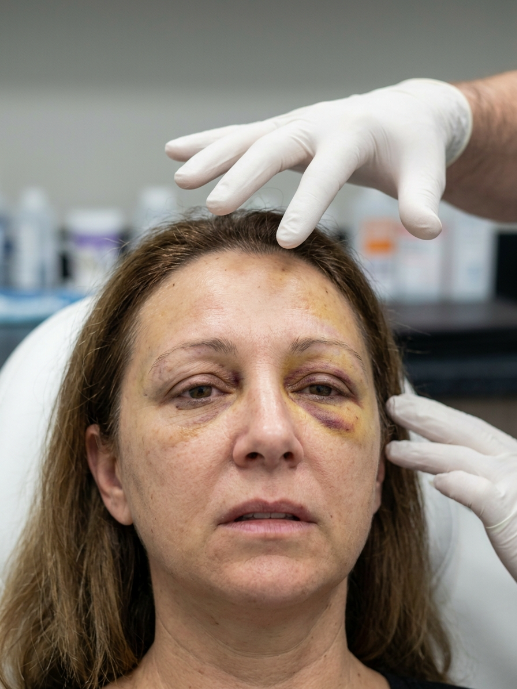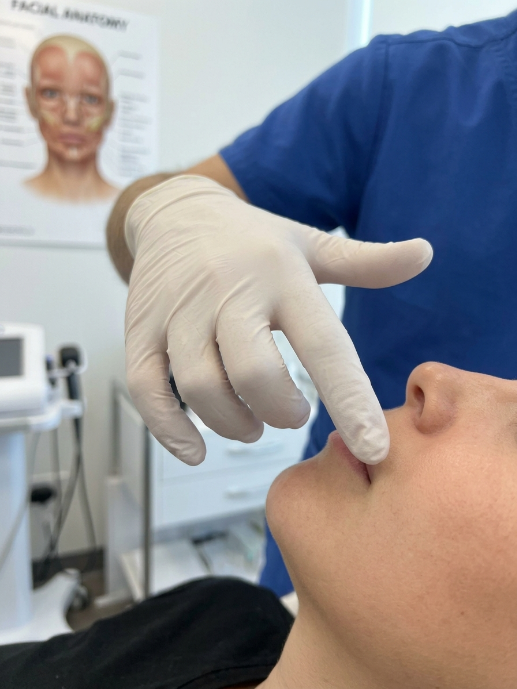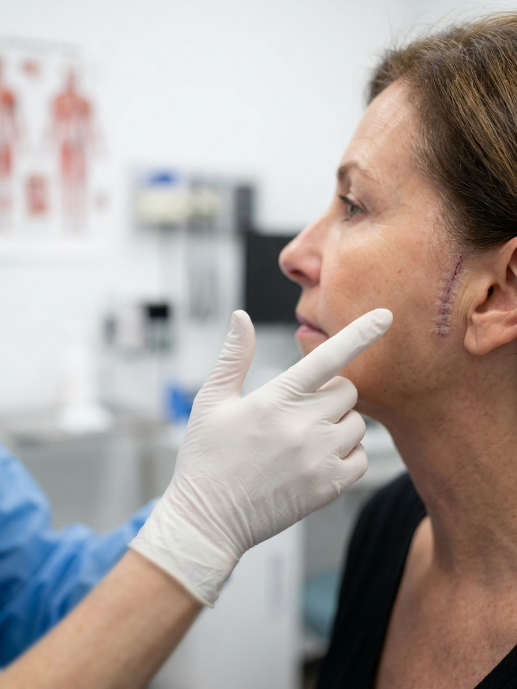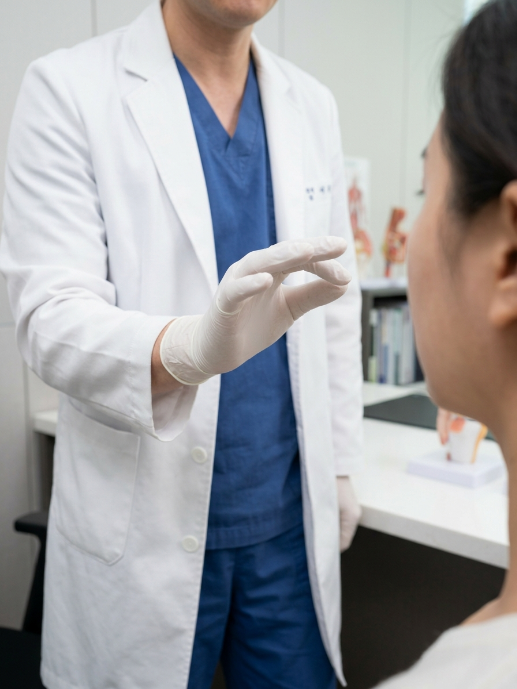
Is cheek fat removal a difficult procedure?
Is Cheek Fat Removal a Difficult Procedure? A Comprehensive Guide to Bichectomy
The quest for a defined, chiseled facial structure has led many individuals to explore the world of facial plastic surgery. Among the most popular procedures today is cheek fat removal, medically known as Bichectomy. This surgery aims to reduce the fullness of the lower cheeks, creating a more angular and contoured appearance. However, a common question persists among prospective patients: Is cheek fat removal a difficult procedure? To answer this comprehensively, we must look at the surgery from the perspective of both the surgeon and the patient, while considering the anatomical complexities involved.
Understanding the Basics of Cheek Fat Removal
Cheek fat removal or Bichectomy targets a specific localized fat deposit known as the Buccal Fat Pad. Unlike the fat found just beneath the skin (subcutaneous fat), which can often be reduced through diet and exercise, the buccal fat pad is a deep-seated structure located in the hollow area beneath the cheekbones. Its size is largely determined by genetics rather than overall body weight, which is why even lean individuals may have “baby faces” or round cheeks.
When we ask if the procedure is difficult, we are essentially looking at the surgical technique and the recovery process. For a board-certified specialist like Prof. Dr. Selçuk İnanlı, who is a certified expert by the European Academy of Facial Plastic Surgery (EAFPS), the procedure is considered a routine and straightforward intervention. However, the apparent simplicity of the surgery belies the precision required to navigate delicate facial structures.
The Anatomy of the Buccal Fat Pad
The Buccal Fat Pad is located between the buccinator muscle and the more superficial masseter muscle. It serves several functions in infancy, such as aiding in the sucking reflex, but in adulthood, it primarily acts as a gliding pad for the muscles of mastication. Because it is encapsulated and distinct from other facial fat, it can be removed surgically without affecting the surrounding tissues—provided the surgeon has an intimate knowledge of facial anatomy.
The Surgical Perspective: Is it Technically Challenging?
From a technical standpoint, bichectomy is a minor surgical procedure. It is typically performed under local anesthesia with sedation or general anesthesia, depending on the patient’s preference and whether other procedures, such as rhinoplasty or a facelift, are being performed simultaneously.
Step-by-Step Procedure
- The Incision: The surgeon makes a small incision (usually about 1 to 2 cm) on the inside of the mouth, specifically in the cheek lining near the upper molars. This ensures that there are no external scars.
- Locating the Fat Pad: By applying gentle pressure to the outside of the cheek, the surgeon prompts the buccal fat pad to protrude through the incision.
- Extraction: The surgeon carefully teases out the desired amount of fat. It is crucial not to remove too much, as this can lead to a “gaunt” or prematurely aged look later in life.
- Suturing: Once the fat is removed, the incision is closed with dissolving stitches.
While the steps seem simple, the proximity of the parotid duct (which carries saliva) and the facial nerves makes this a high-stakes area. A surgeon must be incredibly precise to avoid complications. This is why choosing a specialist with extensive experience in facial aesthetics is paramount.
The Patient Perspective: Is it a Difficult Experience?
For the patient, the procedure is generally considered “easy” compared to more invasive surgeries like a full facelift. The surgery itself takes only 30 to 45 minutes. Most patients can return home the same day and describe the discomfort as similar to a minor dental procedure.
Pain and Discomfort
During the surgery, you will not feel any pain due to the anesthesia. Post-operatively, there may be some soreness and a feeling of tightness in the cheeks. This is usually managed effectively with standard over-the-counter pain medication. Because the incisions are inside the mouth, there is no need to worry about wound care on the skin surface, though oral hygiene becomes critical.
Recovery and Downtime
One aspect that might make the procedure feel “difficult” for some is the swelling. Immediately after surgery, your cheeks will likely look fuller than they did before. This can be discouraging, but it is a normal part of the inflammatory response. Most of the visible swelling subsides within one to two weeks, but the final, chiseled results may not be fully apparent for several months as the tissues settle.
To ensure a smooth recovery, patients must follow specific guidelines. Knowing what to avoid after cheek fat removal, such as spicy foods, strenuous exercise, and smoking, is essential for preventing infection and ensuring the best aesthetic outcome.
Who is a Suitable Candidate for Bichectomy?
Determining if the procedure is “difficult” often depends on whether the patient was a good candidate to begin with. Not everyone with round cheeks should undergo cheek fat removal.
Ideal Candidates
* Individuals with a “baby face” despite being at a healthy weight.
* Those with a prominent “chipmunk cheek” appearance.
* Patients with realistic expectations who desire a more V-shaped or contoured face.
* Individuals who do not smoke and are in good overall health.
Who Should Avoid It?
* Naturally Thin Faces: If your face is already narrow, removing buccal fat can make you look sickly or aged.
* Older Patients: As we age, we naturally lose facial volume. Removing too much fat in your 20s or 30s can lead to excessive hollowness in your 50s.
* Individuals with Significant Weight Fluctuations: It is best to be at a stable weight before considering any facial contouring surgery.
Risks and Potential Complications
No surgery is without risk. While bichectomy is safe in the hands of an expert, potential complications can add a layer of difficulty to the overall experience. These include:
* Asymmetry: Removing unequal amounts of fat from each side.
* Infection: Since the incision is in the mouth, bacteria can pose a threat if oral hygiene is neglected.
* Nerve Damage: Injury to the branches of the facial nerve, which could lead to temporary or, in rare cases, permanent muscle weakness.
* Salivary Duct Injury: Damage to the parotid duct.
* Over-resection: Removing too much fat, leading to a sunken appearance.
Choosing a surgeon like Prof. Dr. Selçuk İnanlı, who has a background in Otorhinolaryngology (ENT) and specialized certification in Facial Plastic Surgery, minimizes these risks significantly. A surgeon who understands the deep anatomy of the head and neck is better equipped to avoid these vital structures.
Comparing Bichectomy with Other Procedures
Sometimes, patients confuse cheek fat removal with other contouring methods. It is important to understand the main advantage of buccal liposuction (which is actually a misnomer, as it’s an excision, not traditional suction) compared to other treatments.
Bichectomy vs. Facial Liposuction
Facial liposuction targets the subcutaneous fat under the skin, often in the jawline or neck area. Bichectomy targets the deep buccal fat pad. For many patients, a combination of both is the best way to achieve a truly defined lower face.
Bichectomy vs. Dermal Fillers
While it may seem counterintuitive, sometimes adding volume to the cheekbones with dermal fillers can make the lower cheeks look thinner by comparison. This is part of the “liquid facelift” approach. However, for those with truly excessive buccal fat, surgery is the only permanent solution.
The Role of the Surgeon’s Expertise
The perceived “difficulty” of a procedure is often a reflection of the surgeon’s skill. Prof. Dr. Selçuk İnanlı brings decades of experience to the operating table. Born in 1966 and graduated from Istanbul University Çapa Faculty of Medicine, his academic and clinical journey has been focused on the intersection of function and beauty.
As a specialist certified by the European Academy of Facial Plastic Surgery, he approaches cheek fat removal not just as a fat reduction task, but as an artistic endeavor to balance the facial proportions. His philosophy is that “Nasal aesthetics is the physician’s philosophy of art coming to life on living tissues,” and this same philosophy applies to the cheeks and the rest of the face.
Pre-Operative Planning: Setting the Stage for Success
A successful and “easy” procedure starts long before the first incision. During your consultation, the surgeon will perform a detailed facial analysis. This includes evaluating the thickness of your skin, the strength of your underlying bone structure, and the volume of the fat pads.
Patients are often asked to stop taking blood-thinning medications, herbal supplements, and to quit smoking at least two weeks before surgery. These steps are crucial to reduce the risk of hematoma (blood collection) and to ensure that the internal incisions heal quickly.
Detailed Post-Operative Care
To ensure the procedure remains “easy” during the recovery phase, you must be diligent about post-op care:
- Diet: A liquid or soft-food diet is usually required for the first few days to avoid irritating the incisions. Think smoothies, soups, and yogurt.
- Oral Hygiene: You will likely be prescribed a special antimicrobial mouthwash. Rinsing after every meal is vital to keep the surgical site clean.
- Sleeping Position: Keeping your head elevated for the first week helps significantly reduce swelling.
- Ice Packs: Applying cold compresses to the outside of the cheeks for the first 48 hours can minimize bruising and inflammation.
Long-Term Results and Aging
The results of cheek fat removal are permanent. Once the fat cells are removed, they do not grow back. However, it is important to remember that the face will continue to age. Natural fat loss occurs in other areas of the face over time. This is why a conservative approach is always preferred. A skilled surgeon will remove just enough fat to provide definition while leaving enough to maintain a youthful appearance as the patient enters their 40s and 50s.
Combining Bichectomy with Other Surgeries
Many patients choose to combine cheek fat removal with other procedures to achieve a total facial transformation. Common combinations include:
* Rhinoplasty: Balancing the nose with the cheeks can create a more harmonious profile.
* Chin Augmentation: Strengthening the chin alongside thinning the cheeks enhances the jawline significantly.
* Facelift: For older patients, removing some buccal fat during a facelift can help refine the lower face and jawline.
The Psychological Impact of Facial Contouring
Beyond the physical changes, the psychological benefits of a successful bichectomy can be profound. Many patients report increased self-confidence and a feeling that their outward appearance finally matches their internal sense of self. When the face appears less “heavy” or “round,” individuals often feel they look more mature, professional, and athletic.
Why Choose Istanbul for Your Procedure?
Istanbul has become a global hub for Health Tourism, and for good reason. Clinics like that of Prof. Dr. Selçuk İnanlı offer international standards of care, backed by the Ministry of Health of the Republic of Turkey. Patients traveling from abroad receive comprehensive services, from initial consultation to post-operative follow-ups, often at a more accessible price point than in Western Europe or the US, without compromising on surgical quality.
In conclusion, while cheek fat removal is a surgical procedure that requires a high level of anatomical knowledge and surgical precision, it is not a “difficult” procedure for the patient when performed by a qualified specialist. The recovery is manageable, the results are permanent, and the impact on facial aesthetics can be transformative. By choosing an experienced surgeon and following all pre- and post-operative instructions, you can achieve the defined, contoured look you desire with minimal stress and maximum safety.
Sıkça Sorulan Sorular
Is cheek fat removal (bichectomy) painful during or after the surgery?
The procedure itself is entirely painless because it is performed under either local anesthesia with sedation or general anesthesia. You will not feel any incisions or the extraction of the fat pad. After the surgery, most patients describe the sensation as a dull ache or tightness in the cheeks, similar to the feeling after a dental filling. This discomfort is typically mild and can be easily managed with standard pain relief medication prescribed by your surgeon. Most patients find they can return to their normal activities within a few days.
How long does it take to see the final results of the procedure?
While the surgery is quick, the results are not instantaneous. In the first few days, your cheeks may actually look fuller due to post-operative swelling. Most of this swelling will subside within 7 to 14 days, at which point you will start to see the new contours of your face. However, it takes time for the skin and internal tissues to fully adhere to the new shape. The final, chiseled result of a bichectomy is usually visible between 3 to 6 months after the procedure.
Are the results of buccal fat removal permanent?
Yes, the results of cheek fat removal are permanent. The buccal fat pads are distinct anatomical structures, and once the fat cells are surgically removed, they do not regenerate or grow back. Even if you gain a moderate amount of weight in the future, the area where the fat was removed will stay more contoured than it would have otherwise. However, it is always recommended to maintain a stable weight to ensure the overall harmony of your facial features remains consistent over time.
Will I have visible scars after the cheek fat removal surgery?
One of the greatest advantages of a bichectomy is that it leaves no visible external scars. The surgeon performs the entire procedure through small incisions made on the inside of the mouth, specifically in the lining of the cheeks near the upper molars. Because the incisions are internal, there are no marks on the skin of your face. The internal stitches used are typically absorbable, meaning they will dissolve on their own and do not even need to be manually removed by the doctor.
Can bichectomy make me look older as I age?
This is a common concern and highlights the importance of choosing an expert surgeon. We naturally lose facial fat as we age, which can lead to a more hollowed look. If a surgeon removes too much buccal fat in a patient who already has a thin face or a certain bone structure, it could potentially lead to a gaunt appearance later in life. However, when performed conservatively on the right candidate, bichectomy provides a balanced contour that ages gracefully. A skilled surgeon like Prof. Dr. Selçuk İnanlı carefully evaluates your facial structure to ensure that enough volume is preserved for long-term facial health.