Why Should You Have Piezo Rhinoplasty
WHY SHOULD YOU HAVE PIEZO RHINOPLASTY?
Rhinoplasty is one of the most commonly performed plastic surgeries in the world. The first modern rhinoplasty was performed in the USA in 1887. Although it has been more than a century since this first operation, much has remained the same about the operation. Despite advances in understanding the structure and function of the nose, ethnic nasal differences, social and psychological aspects of rhinoplasty, and long-term outcomes, classic rhinoplasty surgery is performed with the same method. Piezo rhinoplasty allows to shape the bone with the help of ultrasonic oscillations to precisely shape the nasal bones during the rhinoplasty procedure. Piezo rhinoplasty surgery, which has revolutionized rhinoplasty operations, is an innovative technology that enables precise work in the nasal and facial bones. Piezoelectric instruments use ultrasonic vibrations to shape the bone and do not damage soft tissues such as cartilage and skin. Thanks to ultrasonic vibrations, it is possible to change the appearance of the nasal bone while maintaining the surrounding soft tissue. It also provides improved precision. Asymmetrical and structural defects of the nose are corrected precisely with the piezo rhinoplasty method. It carefully transforms and changes the nasal cartilage during surgery to ensure adequate support of the nasal skin. Ultrasonic rhinoplasty is slightly different from traditional rhinoplasty, the device can only be used in open rhinoplasty procedures. When shaping the nasal bones, if the shape and width need to be changed, small precision instruments that allow intervention without damaging other nasal soft tissues are used with ultrasound technology. Piezo rhinoplasty is different because the nasal bones can be shaped by the sensitivity of an artist. The risk of error that may occur as a result of the operation is lower with this method. Unlike traditional devices, piezo technology allows the bone to be shaped without the risk of accidentally damaging soft tissues. It is a technology that can be adapted to many different uses. A series of special microchips adjusted according to the needs of rhinoplasty surgery, one of the most performed aesthetic operations in the world, have been produced for this method, used in dentistry for many years. The piezo rhinoplasty method has many advantages compared to classic rhinoplasty surgeries such as extremely precise shaping of the nasal bone, soft tissue protection, less edema and bruising, rapid healing, less postoperative pain, effortless and reliable operation. Ultrasonic rhinoplasty is a new motorized device that uses sound waves to contour the nose. The nose is reshaped, and the humps are removed. Unlike the old rhinoplasty methods, ultrasonic rhinoplasty only affects the bones and does not cause additional damage to other tissues. Less trauma is observed in the nose, and consequently bruising and swelling are less common. This method also means that there are fewer complications related to tissue and bone healing. Piezo rhinoplasty is generally performed as an open procedure. High success is achieved in targeted nose changes after the operation. The bone is precisely shaped, positioned and corrected during the procedure. Traditional instruments are replaced by piezoelectric instruments. The purpose in these operations is the same as in classic rhinoplasty; only the methods, techniques and instruments used make the difference. With piezo rhinoplasty, the removal of the nasal hump and reshaping of the nose can be performed without any errors. The entire operation can be carried out under control, with high precision and within the full field of vision. The patients heal rapidly, and a more precise result is obtained. Its new form allows the exact bone, which is desired to be controlled, to be seen and bone weakness to be closely monitored. Since piezo only affects the bones, and the procedure is carried out knowing that the soft tissues, skin or mucous membranes in the operation site will not be damaged, it offers a comfortable and reliable operation.If you consider having rhinoplasty surgery, contact us right away to get a free consultancy service from Prof. Dr. Selçuk İnanlı.
Why Should You Get Piezo Rhinoplasty? The Ultimate Guide to Ultrasonic Precision
The Evolution of Nasal Surgery: Why Should You Get Piezo Rhinoplasty?
For decades, the field of nasal aesthetics was dominated by traditional methods that relied on manual tools like hammers and chisels. While these techniques achieved results, they often came at the cost of significant trauma to the surrounding soft tissues, leading to extensive bruising, swelling, and a prolonged recovery period. Today, a revolutionary advancement known as Piezo Rhinoplasty (or Ultrasonic Rhinoplasty) has transformed the patient experience.
If you are asking yourself, “Why should you get Piezo rhinoplasty?” the answer lies in the intersection of high-tech medical engineering and surgical artistry. This technique uses ultrasonic vibrations to reshape the nasal bones with micrometric precision, leaving blood vessels, nerves, and skin completely unharmed. Under the expertise of a senior surgeon like Prof. Dr. Selçuk İnanlı, this technology ensures that the “philosophy of art coming to life on living tissues” is achieved with the highest safety standards.
Understanding the Piezoelectric Technology
At its core, Piezo Rhinoplasty utilizes an ultrasonic device that vibrates at a specific frequency (25-30 kHz). This frequency is uniquely calibrated to act only on mineralized tissues—specifically, the nasal bones. Unlike traditional saws or rasps, the Piezo tool does not cut or tear soft tissue.
When a surgeon performs a traditional osteotomy (breaking the bone), the force applied can be unpredictable. With the Piezo Rhinoplasty method, the bone is essentially “sculpted” rather than broken. This allows for a level of detail that was previously impossible, enabling the correction of even the slightest asymmetries without compromising the structural integrity of the nose.
Top Reasons to Choose Piezo Rhinoplasty
1. Unmatched Precision and Predictability
One of the primary reasons patients seek this procedure is the micrometric accuracy it offers. In traditional surgery, bone fractures can occasionally radiate in unintended directions. Piezo technology allows the surgeon to draw lines on the bone and follow them exactly. This is particularly beneficial for patients with a wide nasal bridge or a significant nasal hump. By using specialized tips, the surgeon can gradually shave down the bone, ensuring the final shape matches the pre-operative plan perfectly.
2. Minimal Bruising and Swelling
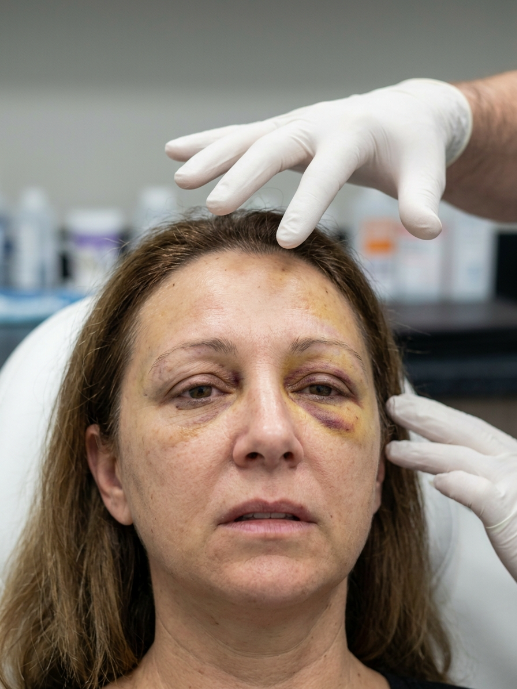
The “black eye” look often associated with a nose job is largely a result of damage to the small blood vessels surrounding the nasal bone. Because the ultrasonic waves do not affect these vessels, the incidence of post-operative bruising is dramatically reduced. Many patients undergoing rhinoplasty recovery with the Piezo technique report only slight yellowish discoloration rather than deep purple bruising, allowing them to return to social life much faster.
3. Faster Healing and Recovery
Because the surgical site undergoes less trauma, the body’s inflammatory response is less aggressive. This leads to a smoother transition during the first week of healing. While the internal structures still need time to stabilize, the external signs of surgery fade quickly. This makes it an ideal choice for busy professionals or international patients traveling to Istanbul for their procedure.
4. Reduced Risk of Revisions
Precision directly correlates with long-term satisfaction. By avoiding the jagged edges or bone irregularities that can sometimes occur with manual tools, the likelihood of needing a revision rhinoplasty is significantly lowered. The smooth surfaces created by the Piezo device prevent the formation of visible or palpable bone “steps” after the swelling subsides.
5. Improved Functional Outcomes
Piezo Rhinoplasty is not just for aesthetics; it is a powerful tool for functional nasal surgery. It can be used to correct a deviated septum with extreme care, ensuring that the patient’s breathing is optimized. Understanding the differences between rhinoplasty and septoplasty is crucial, but with Piezo technology, both can be performed simultaneously to achieve a nose that both looks beautiful and functions perfectly.
The Role of the Surgeon: Why Experience Matters
While the technology is advanced, it is merely a tool in the hands of the artist. Prof. Dr. Selçuk İnanlı, an ENT and Facial Plastic Surgery Specialist certified by the European Academy of Facial Plastic Surgery (EAFPS), emphasizes that the physician’s philosophy is what truly brings the art to life. With over 30 years of experience, including observations at Harvard University, Prof. Dr. İnanlı combines the technical advantages of Piezo with a deep understanding of facial harmony and the Golden Ratio.
The Consultation Process in Istanbul
Choosing to have surgery in Istanbul with a world-class specialist involves a comprehensive analysis. During your consultation, the following factors are evaluated:
* Skin Thickness: How your skin will drape over the new bone structure.
* Nasal Airway: Ensuring that any deviation or concha hypertrophy is addressed.
* Facial Proportions: Using the Golden Ratio to ensure the nose complements the chin, forehead, and eyes.
* Digital Imaging: Visualizing the potential outcomes of the ultrasonic sculpting.
Comparing Techniques: Traditional vs. Piezo
| Feature | Traditional Rhinoplasty | Piezo (Ultrasonic) Rhinoplasty |
| :— | :— | :— |
| Tool Used | Osteotome (Chisel) and Hammer | Ultrasonic Vibrating Scalpel |
| Bone Shaping | Breaking/Fracturing | Sculpting/Shaving |
| Soft Tissue Impact | High (Traumatic) | None (Atraumatic) |
| Bruising | Common and Extensive | Rare and Minimal |
| Precision | Manual/Tactile | Micrometric/Visual |
| Recovery Time | 10–14 Days for social return | 5–7 Days for social return |
Anatomy of the Procedure: What Happens Inside?
When Prof. Dr. Selçuk İnanlı performs a Piezo Rhinoplasty, the procedure typically follows these steps:
- Anesthesia: The patient is placed under general anesthesia for total comfort.
- Access: Usually performed via an open technique to provide full visibility of the nasal framework.
- Bone Sculpting: The Piezo device is used to narrow the nasal bridge, remove a hump, or straighten a crooked bone. The surgeon can see the bone reacting to the ultrasonic waves in real-time.
- Cartilage Refinement: While the Piezo handles the bone, traditional micro-tools or sutures are used to refine the nasal tip.
- Closing: Dissolvable stitches are used, and a light protective splint is applied.
Who is the Ideal Candidate for Piezo Rhinoplasty?
Most patients seeking primary or secondary nasal surgery are excellent candidates for this method. It is particularly effective for:
* Hump Reduction: Removing the bony prominence on the bridge.
* Bony Deviations: Straightening a nose that has been broken or is naturally crooked.
* Wide Nasal Bridge: Narrowing the bones to create a more refined profile.
* Revision Cases: Where the bone structure may be fragile or irregular from previous surgeries.
However, if a patient’s concerns are purely related to the nasal tip (which is made of cartilage, not bone), the Piezo device may play a smaller role, as it does not interact with non-mineralized tissues. In such cases, Prof. Dr. Selçuk İnanlı utilizes his extensive expertise in nasal tip aesthetics to achieve the desired result.
Post-Operative Care and Long-Term Results
Following the procedure, patients are given a specific protocol to ensure the best results. Because there is less internal bleeding, the risk of post-operative hematoma is significantly lower.
* First 48 Hours: Keep the head elevated and use cold compresses around the eyes (though often not needed with Piezo).
* Week 1: The external splint is removed. Most patients are shocked by how little bruising they have.
* Months 1-3: The majority of the swelling subsides, revealing the high-definition results of the ultrasonic sculpting.
* Year 1: The final shape is fully realized as the tissues completely settle.
Why Istanbul and Prof. Dr. Selçuk İnanlı?
Turkey has become the global hub for Health Tourism, approved by the Ministry of Health. Patients from across the globe choose Istanbul not just for the competitive pricing, but for the unparalleled surgical talent.
Prof. Dr. Selçuk İnanlı provides services at the Terrace Fulya Residence in Şişli, offering a boutique experience. His international certifications and membership in organizations like the European Academy of Facial Plastic Surgery (EAFPS) and the Facial Plastic Surgery Society (YPCD) provide patients with peace of mind. Every operation is treated as a unique piece of art, tailored to the individual’s ethnic background and personal desires.
If you are ready to transform your appearance with the most advanced technology available, Piezo Rhinoplasty offers a safe, precise, and gentle path to the nose you have always wanted. Contact our clinic today at +90 533 798 23 85 or via email at info@selcukinanli.com to schedule your comprehensive consultation.
Embrace the future of surgery where science meets art, and experience the difference that ultrasonic precision can make in your journey toward self-confidence.
Sıkça Sorulan Sorular
Is Piezo Rhinoplasty more expensive than traditional rhinoplasty?
Generally, Piezo Rhinoplasty may have a slightly higher cost due to the advanced ultrasonic equipment required and the specialized training the surgeon must undergo. However, most patients find the investment worthwhile because it reduces the risk of expensive revision surgeries and allows for a much faster return to work. When considering the total value, including the reduced recovery time and superior precision, Piezo is often the more cost-effective choice for long-term satisfaction.
Will I have any scars after an ultrasonic nose job?
The Piezo technique is most commonly performed using an ‘open’ approach, which involves a tiny incision on the columella (the tissue between the nostrils). When closed by an expert like Prof. Dr. Selçuk İnanlı, this incision heals remarkably well and becomes virtually invisible within a few months. The Piezo device itself does not create additional external scars; its work is entirely internal, focused on the bone structure.
Does Piezo Rhinoplasty hurt more than the old method?
Actually, many patients report less pain with Piezo Rhinoplasty. Because the technology is atraumatic to soft tissues, there is less inflammation and nerve irritation in the surrounding areas. While some discomfort and a feeling of pressure are normal in the first few days after any surgery, the absence of aggressive bone breaking significantly improves the overall comfort level during the immediate post-operative period.
Can Piezo be used for a revision rhinoplasty?
Yes, Piezo technology is exceptionally beneficial for revision cases. In secondary surgeries, the bone may be thinner, scarred, or irregular. The precision of ultrasonic vibrations allows the surgeon to carefully reshape these delicate structures without the risk of causing further fractures. It provides a level of control that is essential when working with the compromised anatomy of a previously operated nose.
How long do I need to stay in Istanbul for this surgery?
For international patients, we typically recommend a stay of 7 to 10 days. The surgery itself is a day procedure or requires a one-night stay in the hospital. Around the 6th or 7th day, your splint and any internal supports are removed by Prof. Dr. Selçuk İnanlı. After this check-up, most patients are cleared to fly home. The reduced bruising associated with the Piezo technique often means patients feel confident enough to explore the beauty of Istanbul just a few days after their procedure.