
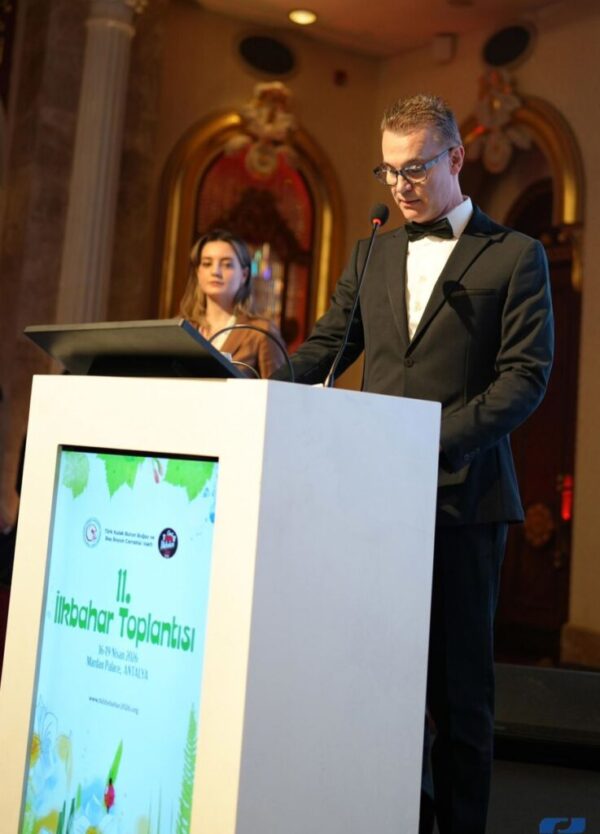


Facial Aesthetics Doctor
- Açıklama
- Değerlendirmeler (0)
Açıklama
Facial Aesthetics Doctor: Achieving Harmony with Prof. Dr. Selçuk İnanlı
The pursuit of beauty and self-confidence has led many individuals to seek the expertise of a Facial Aesthetics Doctor. This specialized field combines the precision of medical science with the nuanced eye of an artist. When we discuss facial aesthetics, we aren’t just talking about changing a single feature; we are talking about restoring harmony, balance, and functionality to the most visible part of the human identity. In Istanbul, Prof. Dr. Selçuk İnanlı stands out as a leading figure in this domain, blending decades of experience in Otolaryngology (ENT) with advanced training in Facial Plastic Surgery.
The Role of a Facial Aesthetics Doctor in Modern Medicine
The Role of a Facial Aesthetics Doctor in Modern Medicine Get an expert opinion.
Your initial assessment is free.
A Facial Aesthetics Doctor is a medical professional dedicated to enhancing the appearance of the face through surgical and non-surgical interventions. Unlike general plastic surgeons who work on the entire body, a facial aesthetics specialist focuses exclusively on the complex anatomy of the head and neck. This specialization is crucial because the face contains some of the most delicate structures in the body, including the sensory organs for sight, smell, and hearing, as well as the intricate network of nerves that control expression.
Choosing a doctor who understands both the aesthetic appeal and the functional integrity of the face is paramount. For instance, a surgeon performing a rhinoplasty must ensure that while the nose looks beautiful, the patient can still breathe perfectly. This dual focus is why many patients prefer an ENT-based facial plastic surgeon. You can learn more about things to consider when choosing a rhinoplasty doctor to understand the depth of this specialization.
Why an ENT Specialist is the Ideal Facial Aesthetics Doctor
Why an ENT Specialist is the Ideal Facial Aesthetics Doctor Get an expert opinion.
Your initial assessment is free.
The training of an Otolaryngologist provides a unique advantage in facial aesthetics. Because their primary training involves the internal structures of the nose, throat, and ears, they possess an intimate knowledge of facial anatomy that is difficult to replicate. Prof. Dr. Selçuk İnanlı, with his background as a Professor of ENT and Head and Neck Surgery, brings this internal perspective to every external enhancement.
When a doctor understands the underlying bone and cartilage structure, they can predict how changes to the skin and soft tissue will behave over time. This leads to more predictable, long-lasting, and natural-looking results. Whether it is a deviated septum causing breathing issues or a desire for a more refined nasal tip, the integration of health and beauty is the hallmark of a world-class facial aesthetics doctor.
Rhinoplasty: The Cornerstone of Facial Harmony
Rhinoplasty: The Cornerstone of Facial Harmony Get an expert opinion.
Your initial assessment is free.
Rhinoplasty, commonly known as a nose job, is perhaps the most transformative procedure a facial aesthetics doctor performs. Because the nose is the central feature of the face, even minor adjustments can significantly alter a person’s overall appearance.
Primary Rhinoplasty
Primary Rhinoplasty Get an expert opinion.
Your initial assessment is free.
For many patients, the goal of primary rhinoplasty is to correct a hump, refine a bulbous tip, or straighten a crooked bridge. A skilled Facial Aesthetics Doctor uses the Golden Ratio to determine the proportions that will best suit the patient’s unique facial structure. It is not about creating a “perfect” nose in isolation, but about creating a nose that belongs on that specific face.
Revision Rhinoplasty
Revision Rhinoplasty Get an expert opinion.
Your initial assessment is free.
One of the most challenging areas in facial surgery is Revision Rhinoplasty. This is performed when a previous surgery has failed to meet the patient’s aesthetic or functional goals. It requires a surgeon with immense skill, as they must navigate scar tissue and often reconstruct the nasal framework using cartilage grafts from the ribs or ears. Prof. Dr. Selçuk İnanlı is widely recognized for his expertise in these complex cases, helping patients regain both their appearance and their ability to breathe properly.
Piezo Rhinoplasty: The Ultrasonic Revolution
Piezo Rhinoplasty: The Ultrasonic Revolution Get an expert opinion.
Your initial assessment is free.
Modern facial aesthetics have been revolutionized by Piezo Technology. Unlike traditional methods that use hammers and chisels to break nasal bones, Piezo uses ultrasonic vibrations to precisely cut bone without damaging the surrounding soft tissue, skin, or blood vessels. This results in significantly less bruising, minimal swelling, and a much faster recovery time for the patient. As a forward-thinking facial aesthetics doctor, Prof. Dr. İnanlı utilizes these advanced tools to provide the highest level of care.
Facelift Procedures: Reversing the Clock with Precision
As we age, the effects of gravity, sun exposure, and genetics become apparent in the form of sagging skin, jowls, and deep wrinkles. A Facelift (Rhytidectomy) is the gold standard for facial rejuvenation. However, the modern approach to a facelift is far different from the “pulled” look of decades past.
Deep Plane Facelift
Today’s premier facial aesthetics doctors often utilize the Deep Plane Facelift technique. Instead of just pulling the skin tight, the surgeon repositions the underlying muscle and fat layers (the SMAS layer). This addresses the root cause of aging and provides a result that looks entirely natural. The goal is for the patient to look like a refreshed, younger version of themselves, not like someone who has had “work done.”
Mini-Facelift and Neck Lift
For patients with less advanced aging, a Mini-Facelift or a targeted Neck Lift may be appropriate. These procedures involve smaller incisions and focus on the lower third of the face and the jawline. Understanding the post-operative recovery of facelift surgery is essential for anyone considering these life-changing procedures.
Eyelid Surgery (Blepharoplasty): Restoring a Youthful Gaze
The eyes are often the first place to show signs of aging. Droopy upper lids can make a person look tired or even interfere with vision, while bags under the eyes can create a perpetually exhausted appearance. Blepharoplasty is a precise procedure that removes excess skin and fat, tightening the area around the eyes.
Upper Blepharoplasty
This procedure focuses on the upper eyelids. By removing a small crescent of skin, the Facial Aesthetics Doctor can “open up” the eyes, making the patient look more alert and vibrant. The incision is hidden in the natural crease of the eyelid, making it virtually invisible once healed.
Lower Blepharoplasty
Lower eyelid surgery addresses puffiness and dark circles. Often, this involves repositioning fat rather than just removing it, to avoid a “hollowed-out” look. When performed by an expert like Prof. Dr. Selçuk İnanlı, the results are subtle yet profoundly effective in rejuvenating the entire face.
Otoplasty and Ear Reconstruction
While the nose and eyes are central, the ears also play a significant role in facial symmetry. Otoplasty, or ear pinning surgery, is commonly performed on both children and adults to correct prominent or “bat” ears. This procedure can have a massive impact on a person’s self-esteem, especially for children who may face bullying. For more information, you can read about Otoplasty in Istanbul.
Beyond simple pinning, a facial aesthetics doctor also handles complex ear reconstructions and repairs of torn earlobes caused by heavy earrings or trauma. The goal is always to create a natural shape and position that blends seamlessly with the rest of the head.
Non-Surgical Enhancements: The Power of Fillers and Botox
Not every aesthetic concern requires surgery. Many patients visit a Facial Aesthetics Doctor for minimally invasive treatments that offer immediate results with zero downtime. These treatments are excellent for maintenance or for those who are not yet ready for a surgical commitment.
Dermal Fillers
Hyaluronic acid fillers are used to restore lost volume in the cheeks, lips, and under-eye hollows. They can also be used for “liquid rhinoplasty” to temporarily smooth out a nasal hump. The key to successful fillers is a conservative approach; the best results are those that enhance the patient’s features without looking overfilled.
Botox and Neurotoxins
Botox is used to relax the muscles that cause dynamic wrinkles, such as crow’s feet, forehead lines, and frown lines. When administered by a doctor with a deep understanding of facial musculature, Botox can provide a smooth, youthful appearance while still allowing for natural expression. If you have more specific queries, you can explore the frequently asked questions about facial aesthetics.
Bichectomy (Cheek Fat Removal)
For patients desiring a more contoured, “snatched” look, Bichectomy involves the removal of the buccal fat pads in the cheeks. This creates a more defined jawline and highlights the cheekbones, providing a more athletic and chiseled facial structure.
The Consultation Process: Building Trust and Setting Expectations
The most critical part of any aesthetic journey is the initial consultation. This is where the Facial Aesthetics Doctor and the patient align their visions. During a consultation with Prof. Dr. Selçuk İnanlı, several key steps occur:
- Medical History Review: Ensuring the patient is a safe candidate for surgery.
- Physical Examination: Assessing skin quality, bone structure, and functional health (such as nasal airflow).
- Digital Imaging: Using 3D simulation tools to show the patient potential outcomes. This helps in managing expectations and ensures both parties are on the same page.
- Customized Treatment Planning: No two faces are the same, and therefore no two surgical plans should be identical.
Innovation in Facial Surgery: Piezo and Beyond
The field of facial aesthetics is constantly evolving. From the use of Platelet-Rich Plasma (PRP) to speed up healing to the development of long-lasting bio-stimulatory fillers, staying at the forefront of technology is a requirement for a top-tier doctor.
Prof. Dr. Selçuk İnanlı’s commitment to education—having served as an observer at Harvard University and being a board-certified member of the European Academy of Facial Plastic Surgery (EAFPS)—ensures that his patients benefit from the latest global standards in surgical safety and aesthetic trends.
The Importance of the Recovery Phase
Surgery is only half of the process; the recovery phase is where the final result is determined. A dedicated Facial Aesthetics Doctor provides a comprehensive post-operative plan. This includes instructions on wound care, activity restrictions, and follow-up appointments to monitor healing. Patients are encouraged to avoid smoking and excessive sun exposure, as these can significantly hinder the body’s ability to heal and maintain the surgical results.
Anatomy, Artistry, and the Patient’s Psychology
Facial aesthetics is a deeply personal field. A change in one’s appearance often leads to a change in how they interact with the world. A great Facial Aesthetics Doctor recognizes the psychological weight of their work. They act not just as surgeons, but as confidants who help patients navigate the emotional journey of transformation.
Whether it is correcting a congenital deformity, repairing the damage of an accident, or simply turning back the clock on aging, the work of Prof. Dr. Selçuk İnanlı is defined by a respect for the individual’s natural beauty. By focusing on balance rather than exaggeration, he ensures that every patient leaves the clinic feeling like the best version of themselves.
In the heart of Istanbul, at the Terrace Fulya Residence, patients from around the world seek out this unique blend of Turkish hospitality and world-class surgical expertise. The face is our most important tool for communication; entrusting it to a specialized Facial Aesthetics Doctor is the first step toward a more confident and harmonious future.
Sıkça Sorulan Sorular
What qualifications should a facial aesthetics doctor have?
A qualified facial aesthetics doctor should ideally have a background in Otolaryngology (ENT) or Plastic Surgery, with specific board certifications in Facial Plastic Surgery. For example, Prof. Dr. Selçuk İnanlı is a member of the European Academy of Facial Plastic Surgery (EAFPS) and has passed their rigorous board exams. It is also important to look for a doctor who has significant experience in the specific procedure you are seeking, such as rhinoplasty or facelift, and who stays updated with modern techniques like Piezo surgery.
Why is an ENT specialist often preferred for rhinoplasty?
ENT (Ear, Nose, and Throat) specialists are preferred because they possess a deep understanding of the internal anatomy and respiratory functions of the nose. A successful rhinoplasty must improve or maintain breathing while enhancing the external appearance. An ENT-based facial aesthetics doctor can address functional issues like a deviated septum or turbinate hypertrophy simultaneously with aesthetic changes, ensuring a comprehensive result that prioritizes both health and beauty.
How long does it take to see the final results after facial surgery?
The timeline for final results varies by procedure. For non-surgical treatments like fillers, results are immediate. For surgeries like blepharoplasty, the initial swelling subsides in 2 weeks, with final results visible in 2-3 months. However, for rhinoplasty, while the cast is removed after one week, the nose continues to refine for up to a year as minor swelling in the tip disappears. Patience is key, and following the doctor’s post-operative instructions is vital for the best outcome.
Are non-surgical facial aesthetic treatments permanent?
Most non-surgical treatments are temporary. Botox typically lasts between 4 to 6 months, while hyaluronic acid fillers can last from 6 to 18 months depending on the area treated and the patient’s metabolism. These treatments require periodic maintenance to sustain the results. In contrast, surgical procedures like a facelift or rhinoplasty provide permanent structural changes, although they cannot stop the natural aging process entirely.
What is the ‘Golden Ratio’ in facial aesthetics?
The Golden Ratio (Phi) is a mathematical ratio (approximately 1.618) that is found in nature and is often associated with perceived beauty and balance. In facial aesthetics, doctors use this ratio as a guideline to assess the proportions between different facial features, such as the width of the eyes relative to the nose or the position of the lips. A skilled facial aesthetics doctor uses these principles to ensure that any enhancement looks natural and creates a symmetrical, pleasing appearance.



Değerlendirmeler
Henüz değerlendirme yapılmadı.