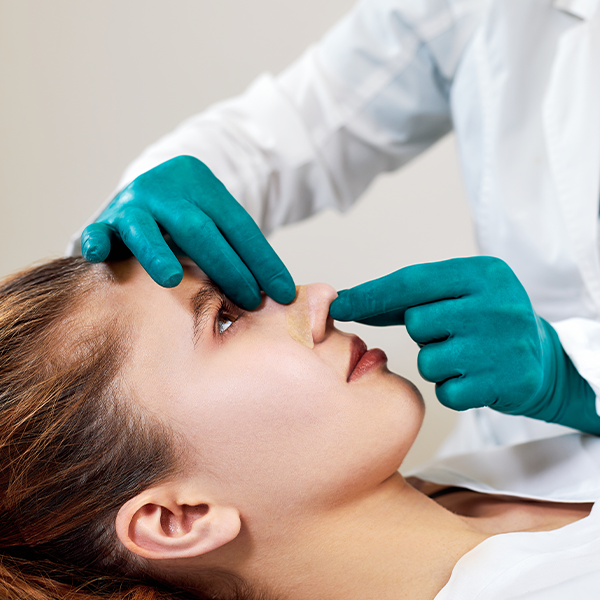
When does swelling subside after rhinoplasty (nose surgery)?
When Does Swelling Subside After Rhinoplasty? A Comprehensive Recovery Guide
Understanding the Rhinoplasty Recovery Timeline
Undergoing a rhinoplasty (nose surgery) is a transformative journey that combines surgical precision with artistic vision. However, for many patients, the immediate post-operative period can be a test of patience. The most common question asked by patients of Prof. Dr. Selçuk İnanlı is: when does swelling subside after rhinoplasty? To provide a truly exhaustive answer, we must first understand that healing is a physiological process that occurs in distinct stages, influenced by the body’s inflammatory response and the specific surgical techniques employed.
In the first few days following surgery, the body initiates an acute inflammatory phase. This is characterized by the accumulation of fluid in the soft tissues of the nose and surrounding facial areas, such as the cheeks and lower eyelids. While this initial peak can be visually striking, it is a completely normal part of the healing trajectory. Most patients find that the most significant portion of this acute edema resolves within the first few weeks, but the subtle, residual swelling—particularly at the nasal tip—can persist for a year or longer.
The First Week: The Acute Phase
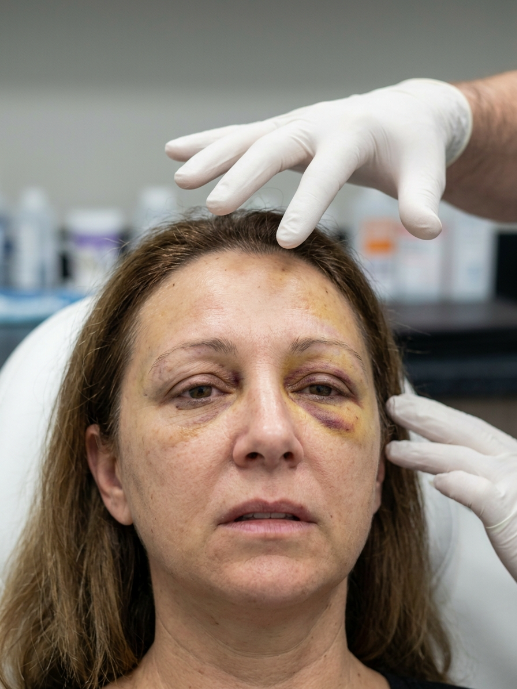
During the first 7 days, your nose will be protected by a medical splint and internal supports. This is the period of maximum post-operative edema. You may experience bruising around the eyes, which is often more concerning to patients than the swelling itself. During this phase, it is crucial to follow the specific protocols provided by your surgeon. If you are curious about the early stages, you can read more about prevent swelling and bruising to better prepare for this initial week.
Weeks 2 to 6: Visible Improvements
By the end of the second week, the splint is typically removed. While the nose will still appear “puffy,” the most dramatic swelling has usually begun to dissipate. Between weeks two and six, approximately 60% to 70% of the swelling will subside. Patients often feel comfortable returning to social situations and work during this window, as the nose no longer looks “operated on” to the casual observer. However, the nose may still feel stiff, and the definition of the bridge and tip will remain obscured by fluid.
Months 3 to 6: Refining the Profile
As you move into the third month, the inflammatory response transitions into a remodeling phase. The tissues begin to contract and adhere to the new underlying bone and cartilage structure. This is when the results of the nasal aesthetics start to become more apparent. The bridge of the nose typically clears its edema faster than the tip. Patients with thin skin may see their final results sooner, while those with thick skin will notice a slower refinement process.
The One-Year Mark: The Final Result
It is widely accepted in the field of facial plastic surgery that the final result of a rhinoplasty is not fully visible until at least one year has passed. In cases of revision rhinoplasty, this timeline may even extend to 18 or 24 months. The last 5% to 10% of swelling is often localized to the nasal tip, where the skin is thickest and the lymphatic drainage is most complex. Patience is the ultimate virtue during this stage of the recovery.
Factors Influencing Post-Operative Swelling
Not every patient heals at the same rate. Several variables determine the intensity and duration of the edema. Understanding these factors can help manage expectations and allow for a more personalized recovery plan.
Surgical Technique: Piezo vs. Traditional
One of the most significant advancements in modern rhinoplasty is the use of Piezo technology. Traditional methods involve using hammers and chisels to reshape the nasal bones, which can cause significant trauma to the surrounding blood vessels and soft tissues. In contrast, Piezo Rhinoplasty uses ultrasonic vibrations to precisely cut bone without damaging the skin, mucosa, or vessels. This technique, frequently utilized by Prof. Dr. Selçuk İnanlı, significantly reduces the amount of initial swelling and bruising. For a deeper dive into this technology, explore why you should choose Piezo Rhinoplasty.
Open vs. Closed Rhinoplasty
The surgical approach also plays a role. An open rhinoplasty involves a small incision across the columella, allowing the surgeon full visibility of the nasal structures. While this provides unparalleled precision, it can temporarily disrupt the lymphatic drainage of the nasal tip, leading to slightly longer-lasting edema compared to the closed rhinoplasty (endonasal) approach. However, the choice of technique is usually dictated by the complexity of the case rather than the desire to minimize swelling.
Primary vs. Revision Rhinoplasty
A revision rhinoplasty is inherently more complex due to the presence of scar tissue from previous operations. Scar tissue lacks the efficient blood and lymphatic flow of virgin tissue, which means that swelling in revision cases is often more persistent. Patients undergoing a secondary procedure should be prepared for a longer journey toward their final look. You can find more information on when the swelling goes away specifically in the context of different surgical scenarios.
The Biological Process of Edema in Nasal Tissue
To understand why the nose stays swollen for so long, we must look at the anatomy. The nose is a terminal organ with a relatively limited lymphatic drainage system. When a surgeon reshapes the nasal bone and cartilage, the overlying skin and soft tissues are elevated. This disruption requires the body to build new microscopic channels to drain interstitial fluid.
Furthermore, gravity plays a significant role. Because the nose is a central, protruding feature of the face, fluid tends to settle there, especially if the patient spends a lot of time with their head down. This is why surgeons emphasize the importance of keeping the head elevated during the first few weeks of recovery.
The Impact of Skin Thickness
Skin type is perhaps the most critical biological factor in the recovery timeline.
* Thin Skin: Patients with thin skin will see the contours of the underlying framework very quickly. While this is an advantage for seeing results, it also means that any minor surgical irregularities will be more visible.
* Thick Skin (Sebaceous Skin): Patients with thick, oily skin tend to experience more profound and prolonged swelling. The heavy soft tissue envelope takes much longer to shrink-wrap around the new framework. In some cases, surgeons may use steroid injections or specific medications to help manage the edema in thick-skinned patients.
Practical Tips to Speed Up the Healing Process
While you cannot bypass the biological requirements of healing, there are several steps you can take to speed up the recovery process and minimize the severity of the swelling.
1. Head Elevation is Non-Negotiable
For the first two weeks, you should sleep with your head elevated at a 30 to 45-degree angle. Using two or three pillows or a recliner chair helps prevent fluid from pooling in the facial tissues. This simple adjustment can significantly reduce the “morning puffiness” that many patients experience.
2. The Power of Cold Compresses
Applying cold compresses to the cheeks and forehead (never directly on the nose) during the first 48 to 72 hours is highly effective. The cold causes vasoconstriction, which limits the amount of fluid that escapes into the tissues. Be careful not to apply pressure to the nasal bridge or the splint.
3. Dietary Management: The Salt Factor
Sodium causes the body to retain water. During your recovery, it is vital to maintain a low-sodium diet. High salt intake can cause the nose to fluctuate in size throughout the day, often appearing much more swollen in the evening. Focus on anti-inflammatory foods such as pineapple (which contains bromelain), papaya, and green leafy vegetables.
4. Hydration and Avoidance of Alcohol
While it may seem counterintuitive to drink more water when you are dealing with fluid retention, proper hydration is essential for the lymphatic system to function correctly. Conversely, alcohol acts as a vasodilator, which increases blood flow and can worsen swelling. It is best to avoid alcohol for at least two to three weeks post-surgery.
5. Avoiding Strenuous Activity
Any activity that raises your heart rate and blood pressure can lead to increased swelling and even the risk of a nosebleed. Most surgeons recommend avoiding heavy lifting and intense cardio for at least 3 to 4 weeks. Walking is encouraged, as it promotes circulation without overtaxing the body.
Managing the Psychological Aspect of Recovery
It is common for patients to experience a “rollercoaster” of emotions during the first few months. Because the nose is the center of the face, even minor fluctuations in swelling can change your appearance. It is important to remember that the nose you see in the mirror at week three is not the final result.
Comparing your progress to others on social media can be misleading, as every individual’s anatomy and surgical plan are unique. Prof. Dr. Selçuk İnanlı emphasizes the importance of the doctor-patient relationship during this time. Regular follow-up appointments allow your surgeon to monitor the healing process and provide the necessary reassurance.
When to Contact Your Surgeon
While swelling is a normal part of the process, there are certain signs that indicate you should seek medical advice. If you experience any of the following, contact your surgical team immediately:
* Sudden Increase in Swelling: If one side of the nose suddenly becomes much larger than the other.
* Severe Pain: Pain that is not managed by prescribed medications.
* Fever or Chills: These can be signs of a post-operative infection.
* Redness and Heat: If the skin of the nose becomes bright red and feels hot to the touch.
* Difficulty Breathing: While congestion is normal, a total inability to breathe through the nose after the initial internal swelling should subside deserves an evaluation.
Long-Term Refinement and the “Final” Look
As you approach the 6-month to 12-month mark, the changes become much more subtle. You might notice that your nose looks different in photos than it does in the mirror, or that it looks better in the morning than in the evening. These are the final stages of the remodeling process. During this time, the scar tissue matures and softens.
For many, the most rewarding part of the journey is seeing the nasal tip finally gain its defined, elegant shape. This refinement is what separates a good result from a world-class result. By choosing a surgeon with extensive experience in ENT and Facial Plastic Surgery, like Prof. Dr. Selçuk İnanlı, you ensure that the underlying structure is built to age gracefully and maintain its beauty long after the swelling has disappeared.
Healing from a nose job is a marathon, not a sprint. By understanding the timeline, following post-operative instructions, and maintaining a healthy lifestyle, you can ensure the best possible outcome for your new profile. The temporary discomfort of edema is a small price to pay for a lifetime of confidence and functional harmony.
Sıkça Sorulan Sorular
How long does the nasal tip stay swollen after rhinoplasty?
The nasal tip is usually the last part of the nose to fully heal because it has the thickest skin and the most complex lymphatic drainage system. While most of the visible swelling on the bridge of the nose subsides within 3 to 6 months, the tip can remain slightly edematous for up to 12 to 18 months. Patients with thicker skin types may notice that tip refinement takes even longer, as the skin needs more time to contract over the newly shaped cartilage framework.
Can I use salt or high-sodium foods during my recovery?
It is strongly recommended to avoid high-sodium foods for at least the first month following your rhinoplasty. Sodium causes the body to retain fluid, which can significantly increase post-operative swelling and cause your results to fluctuate daily. A low-salt diet, combined with plenty of water intake, helps the body flush out excess fluids and supports a faster reduction in edema, allowing you to see your new nasal contours much sooner.
Does Piezo Rhinoplasty reduce the amount of swelling?
Yes, Piezo Rhinoplasty is known for causing significantly less swelling and bruising compared to traditional techniques. Because Piezo technology uses ultrasonic waves to precisely reshape the bone without damaging the surrounding soft tissues, blood vessels, and nerves, the body’s inflammatory response is much milder. This often leads to a faster initial recovery period, with many patients appearing socially presentable much earlier than those who undergo conventional surgery.
When can I safely return to the gym or heavy exercise?
Most patients can resume light walking within a few days of surgery, but strenuous exercise, heavy lifting, and any activity that significantly raises blood pressure should be avoided for 4 to 6 weeks. Increasing your heart rate too early can lead to a surge in swelling, internal pressure, and potential bleeding. It is always best to consult with your surgeon before returning to your full fitness routine to ensure that the delicate internal structures have sufficiently stabilized.
Why does my nose look more swollen in the morning?
It is very common for the nose to appear more swollen in the morning due to the effects of gravity and fluid redistribution while lying flat during sleep. When you are horizontal, fluid can pool in the facial tissues more easily. This is why surgeons recommend sleeping with your head elevated on several pillows for the first few weeks. Usually, this morning edema will dissipate within a few hours of standing up and moving around as the lymphatic system begins to drain the fluid.